An Amazing How-To Guide On Creating Delicious Vegetarian Soups
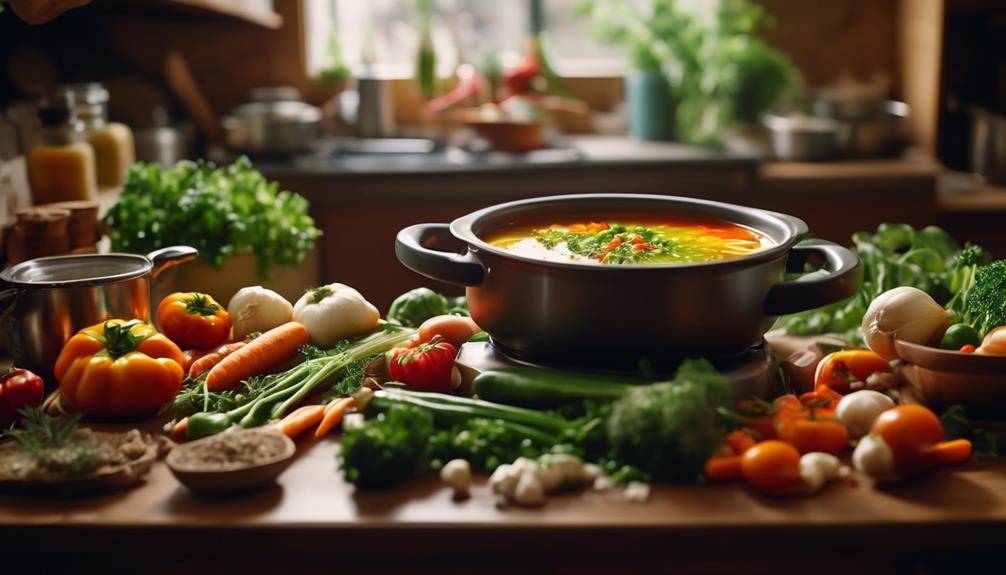
Guide On Creating Delicious Vegetarian Soups; Are you tired of the same old vegetable soups that lack flavor and excitement? Imagine being able to create mouthwatering vegetarian soups that are not only nutritious but also bursting with delicious flavors.
Whether you’re a seasoned chef or a beginner in the kitchen, this how-to guide on creating delicious vegetarian soups will help you take your culinary skills to the next level. From choosing the perfect combination of vegetables to mastering creamy soup bases, this comprehensive guide will provide you with all the essential tips and techniques you need to create soups that will leave your taste buds wanting more. So, grab your ladle and get ready to elevate your soup game to new heights.
Choosing the Right Vegetables
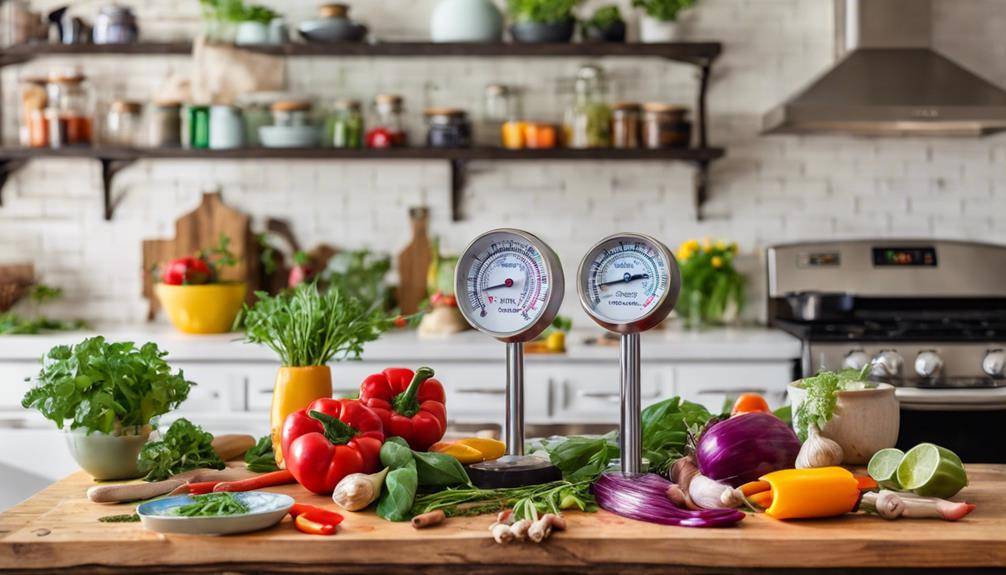
When it comes to creating delicious vegetarian soups, choosing the right vegetables is key to achieving a flavorful and nutritious dish. The art of vegetable pairing is essential in creating a harmonious blend of flavors and textures in your soup. Different vegetables have their own distinct flavors, and when combined thoughtfully, they can elevate the taste of your soup to new heights.
One important factor to consider when choosing vegetables for your soup is their compatibility with one another. Some vegetables naturally complement each other, while others may clash in terms of taste or texture. For example, pairing mild-flavored vegetables like potatoes and carrots with more robust ones like onions and garlic can create a well-balanced and flavorful base for your soup. Similarly, combining crunchy vegetables like bell peppers and celery with softer ones like zucchini and mushrooms can add an interesting contrast of textures.
Aside from vegetable pairing, the cooking methods you use can greatly affect the flavor and texture of your soup. Roasting, sautéing, or caramelizing certain vegetables before adding them to your soup can intensify their natural sweetness and depth of flavor. On the other hand, boiling or steaming delicate vegetables like spinach or peas can help retain their vibrant color and freshness.
Remember that the key to a delicious vegetarian soup lies in the careful selection and preparation of your vegetables. Take the time to experiment with different vegetable combinations and cooking methods to discover your own unique and satisfying soup recipes. With the right vegetables and a bit of creativity, you can create a soup that is both nourishing and bursting with flavor.
Essential Soup-Making Tools
Now that you’ve mastered the art of choosing the right vegetables for your vegetarian soup, let’s dive into the essential tools you’ll need to bring your soup-making skills to the next level. Choosing soup recipes and learning different cooking techniques are important aspects of creating delicious vegetarian soups. However, having the right tools is equally crucial to ensure a smooth and enjoyable cooking experience.
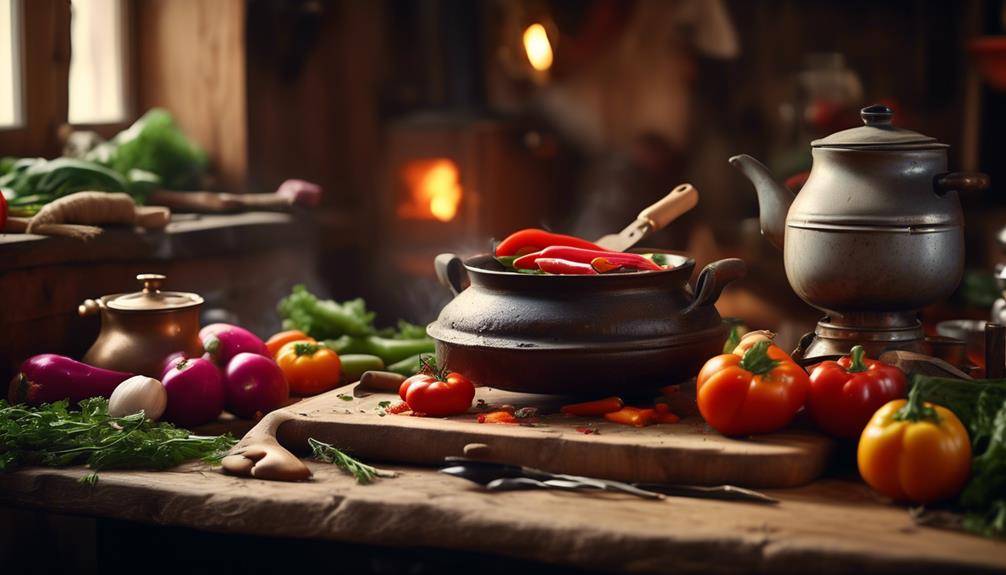
First and foremost, a good quality soup pot is essential. Look for one that is large enough to accommodate the quantity of soup you plan to make, with a tight-fitting lid to lock in the flavors. A heavy-bottomed pot will distribute heat evenly, preventing any scorching or burning of your ingredients.
A reliable blender or immersion blender is another indispensable tool. It allows you to puree your soups to the desired consistency, whether you prefer a silky smooth texture or a chunky, rustic feel. If you opt for an immersion blender, ensure it has a sturdy motor and detachable wand for easy cleaning.
A set of sharp knives is a must-have for any soup-making endeavor. You’ll need them to chop, dice, and slice various vegetables and ingredients. Look for knives that feel comfortable in your hand and have a strong, durable blade.
Investing in a good-quality stockpot is also highly recommended. It’s perfect for simmering your homemade vegetable stock, which forms the base of many vegetarian soups. A stockpot with a strainer insert is particularly useful for removing solids and obtaining a clear, flavorful broth.
Lastly, don’t forget about basic kitchen utensils such as a ladle, slotted spoon, and a heat-resistant spatula. These tools will assist you in stirring, serving, and tasting your soups.
The Art of Flavorful Broths
To create vegetarian soups bursting with rich and complex flavors, mastering the art of crafting flavorful broths is essential. Broths form the foundation of any soup, providing a base that infuses the entire dish with its distinctive taste. While traditional broths often rely on meat-based stocks for flavor, there are plenty of flavorful broth alternatives and vegetable broth substitutes that can elevate your vegetarian soups to new heights.
Here are three key tips to help you create delicious and satisfying broths for your vegetarian soups:
- Utilize umami-rich ingredients: Umami is the fifth basic taste, known for its savory and deeply satisfying flavor. To enhance the umami in your broths, incorporate ingredients like dried mushrooms, seaweed, miso paste, or tamari sauce. These ingredients add depth and complexity to your broth, making it more robust and flavorful.
- Roast your vegetables: Roasting vegetables before adding them to your broth can intensify their flavor and add a delicious caramelized note. Try roasting onions, carrots, celery, and garlic until they are golden brown and aromatic. Then, add them to your simmering broth for an extra layer of complexity.
- Experiment with herbs and spices: Herbs and spices are a fantastic way to add depth and complexity to your broth. Consider using aromatic herbs like thyme, rosemary, or bay leaves, as well as spices like cumin, coriander, or smoked paprika. These additions can transform a simple vegetable broth into a flavorful masterpiece.
Adding Texture With Beans and Grains
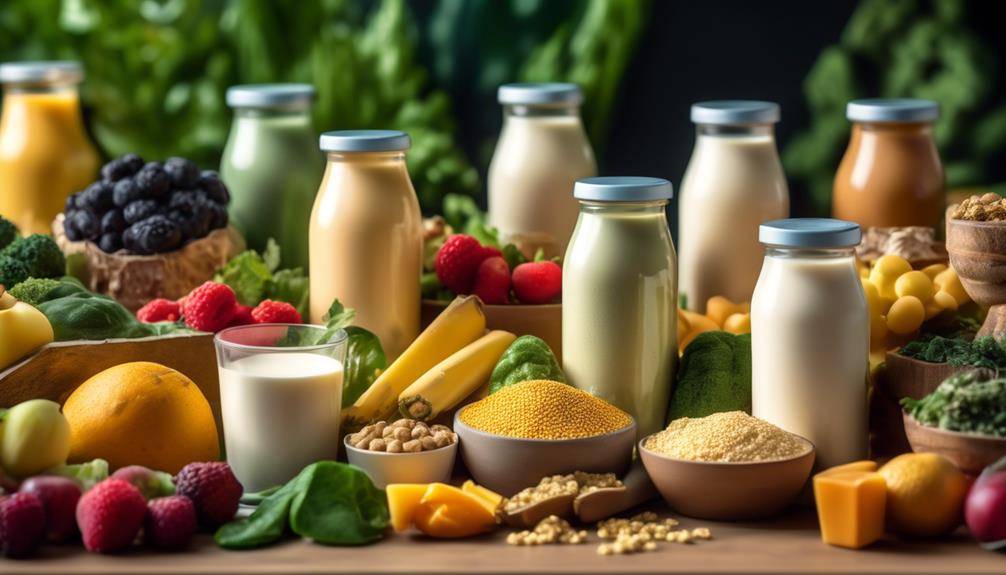
To continue building depth and complexity in your vegetarian soups, let’s explore the art of incorporating beans and grains to add a satisfying texture that will take your soup to the next level. Adding beans and grains to your soup not only enhances its texture but also boosts its nutritional value. Whether you’re making a hearty bean soup or a comforting grain soup, these ingredients will bring a delightful chewiness and a rich mouthfeel to your dish.
Beans, such as black beans, lentils, or chickpeas, are a fantastic addition to any soup. They provide a creamy texture and a hearty bite that will make your soup feel substantial and comforting. You can either cook the beans from scratch or use canned ones for convenience. Just remember to rinse them thoroughly before adding them to your soup to remove any excess sodium.
Grains, like quinoa, barley, or brown rice, add a pleasant chewiness and a subtle nutty flavor to your soup. They not only improve the texture but also provide a good source of complex carbohydrates and fiber. Cook the grains separately and then add them to your soup towards the end of the cooking process to ensure they retain their texture.
When incorporating beans and grains into your soup, be mindful of their cooking times. Some beans and grains take longer to cook than others, so adjust your cooking time accordingly. Additionally, consider adding a variety of beans and grains to create a more interesting and diverse texture in your soup.
Mastering Creamy Soup Bases
Now, let’s talk about mastering creamy soup bases. Whether you’re a seasoned chef or a beginner in the kitchen, understanding the different types of creamy bases, essential ingredients, and techniques is key to creating delicious and velvety soups. From classic roux-based sauces to plant-based alternatives like cashew cream, there are endless possibilities for achieving the perfect creamy texture. Get ready to elevate your soup game and explore the various flavor variations and pairings that will take your taste buds on a flavorful journey.
Types of Creamy Bases
For a velvety smooth soup, experiment with various types of creamy bases, unlocking a world of rich flavors and luxurious textures. Whether you’re looking for vegan alternatives or dairy-free options, there are plenty of delicious choices to satisfy your cravings. Here are three types of creamy bases to consider:
- Coconut milk: This dairy-free option adds a subtle sweetness and tropical twist to your soups. Its creamy texture enhances the overall richness of the dish, making it a perfect choice for curries and Thai-inspired soups.
- Cashew cream: Made by blending soaked cashews with water, this vegan alternative creates a luscious and silky base. It adds a nutty flavor and works well with both savory and sweet soups, adding a touch of elegance to your creations.
- Silken tofu: This versatile ingredient brings a smooth and creamy texture to your soups without any added dairy. It’s a great option for those looking for a protein-packed base that also adds a subtle flavor. Use it in creamy vegetable soups or as a substitute for cream in classic recipes.
Essential Ingredients and Techniques
Unlocking the secrets to mastering creamy soup bases will elevate your vegetarian soup recipes to a whole new level of indulgence. When it comes to creating a creamy base for your soups, choosing the right vegetable substitutes is crucial. Instead of relying on heavy cream or dairy products, opt for alternatives like coconut milk, cashew cream, or blended silken tofu. These options not only add richness and creaminess but also enhance the flavor of your soups.
In addition to choosing the right ingredients, employing the right soup making techniques is equally important. To achieve a velvety texture, use a blender or immersion blender to puree your soup until smooth. This helps to incorporate all the flavors and create a luscious consistency. Another technique to consider is adding a roux, which is a mixture of flour and fat, to thicken the soup base. This method adds body and richness to the soup without compromising its creamy texture.
Flavor Variations and Pairings
To take your creamy vegetarian soups to the next level, explore a world of flavor variations and pairings that will tantalize your taste buds. Here are some suggestions to help you create delicious soups with unique flavor profiles:
- Experiment with different spices and herbs: Add a pinch of cumin for an earthy flavor, or sprinkle some fresh basil on top for a refreshing twist.
- Try different cooking techniques: Roasting vegetables before blending them into your soup can add a depth of flavor, while sautéing onions and garlic in butter can create a rich and savory base.
- Don’t forget about toppings: A dollop of sour cream or a sprinkle of grated cheese can add creaminess and richness to your soup, while a drizzle of olive oil or a handful of crispy croutons can provide a satisfying crunch.
Elevating Your Soups With Fresh Herbs
Now that you’ve mastered the art of creating creamy soup bases, it’s time to take your soups to the next level with the addition of fresh herbs. Herbs not only add a burst of flavor to your soups, but they also bring a vibrant freshness that can elevate even the simplest of recipes. To make the most of your herbs, it’s important to know which ones pair well together and how to properly prepare them for maximum flavor.
Herb Pairing Suggestions
Enhance the flavors of your vegetarian soups with the vibrant and aromatic addition of fresh herbs. Adding the right herbs to your soups can take them from ordinary to extraordinary. Here are some herb pairing suggestions to elevate your soups and create unique and delicious flavors:
- Basil and Tomato: The classic combination of fresh basil and ripe tomatoes adds a burst of freshness to tomato-based soups. Try blending basil into a creamy tomato bisque for a flavorful twist.
- Cilantro and Lime: The zesty combination of cilantro and lime is perfect for adding a bright and tangy element to Mexican-inspired soups. Sprinkle some fresh cilantro and squeeze some lime juice on top of a spicy tortilla soup for a burst of flavor.
- Thyme and Mushroom: The earthy and aromatic flavor of thyme pairs beautifully with mushrooms. Add some fresh thyme leaves to a mushroom soup to enhance its rich and comforting taste.
Experiment with these herb pairing combinations and get creative with herb-infused recipes to take your vegetarian soups to the next level.
Proper Herb Preparation
As you continue to explore the world of vegetarian soups, let’s now dive into the essential skill of properly preparing herbs to elevate the flavors of your creations. Fresh herbs are a wonderful addition to any soup, bringing a burst of aroma and taste. To fully unlock their potential, it is important to know the proper herb infusion techniques. Infusing herbs in soups involves gently simmering them in liquid to extract their flavor. This can be done by tying the herbs in a cheesecloth or adding them directly to the pot.
Another benefit of herbs is their potential healing properties. Many herbs have been used for centuries as herbal remedies for common ailments. For example, adding rosemary to your soup can help with digestion, while thyme can boost your immune system. By properly preparing herbs and harnessing their natural benefits, you can take your vegetarian soups to the next level.
Incorporating Unique Spices and Seasonings
To elevate the flavors of your vegetarian soups, consider incorporating a diverse array of unique spices and seasonings. By using unique spice blends and experimenting with different seasonings, you can take your soups from ordinary to extraordinary. Here are some tips to help you in incorporating these flavors into your vegetarian soups:
- Explore unique spice blends: Don’t be afraid to venture beyond the basic salt and pepper. Experiment with spice blends from different cuisines, such as Indian curry powder, Moroccan ras el hanout, or Mexican adobo seasoning. These blends often contain a combination of herbs, spices, and other flavorings that can add depth and complexity to your soups.
- Think beyond salt: While salt is an essential seasoning, don’t rely solely on it to enhance the flavors of your vegetarian soups. Consider incorporating other seasonings like smoked paprika, cumin, turmeric, or chili powder. These spices can add a subtle kick or earthy undertones that will make your soups stand out.
- Don’t forget fresh herbs: Fresh herbs can bring a burst of freshness and brightness to your vegetarian soups. Experiment with herbs like basil, cilantro, parsley, or dill, and add them towards the end of cooking to preserve their vibrant flavors. Garnish your soup bowls with a sprinkle of chopped herbs for an extra pop of color and flavor.
Enhancing Nutritional Value With Leafy Greens
Now that you’ve added a variety of unique spices and seasonings to your vegetarian soups, it’s time to dive into the next step of enhancing their nutritional value with leafy greens. Leafy greens, such as spinach, kale, and Swiss chard, not only add vibrant colors and textures to your soups but also provide a wealth of nutritional benefits.
Leafy greens are packed with essential vitamins and minerals, including vitamin A, vitamin C, vitamin K, iron, and calcium. They are also rich in fiber, which aids in digestion and helps you feel fuller for longer. By incorporating leafy greens into your soups, you can boost their nutritional content and create a well-rounded meal.
When it comes to cooking methods for leafy greens in soups, there are several options to consider. One popular method is to wilt the greens by adding them to the soup during the last few minutes of cooking. This helps retain their vibrant color, texture, and nutritional value. Another method is to blend the leafy greens into a smooth puree and add it to the soup as a base or thickener. This not only enhances the nutritional value but also adds a velvety texture to your soup.
To ensure that the leafy greens retain their nutritional benefits, it’s important not to overcook them. Overcooking can cause the greens to lose their vitamins and minerals. Instead, aim to cook them until they are just tender, preserving their nutrients and vibrant colors.
Incorporating leafy greens into your vegetarian soups is a fantastic way to enhance their nutritional value. Whether you choose to wilt them or blend them into a puree, these versatile greens will add both flavor and essential nutrients to your soups. So go ahead and get creative with your leafy greens and enjoy the nutritious benefits they bring to your meals.
Exploring International Soup Recipes
Embark on a culinary journey as we delve into a world of diverse flavors and aromatic spices with our collection of international soup recipes. Explore the rich tapestry of international soup cultures and discover delicious vegan soup alternatives that will transport your taste buds to far-off lands. Get ready to savor the global flavors that will make your soup experience truly unforgettable.
To help you enjoy this gastronomic adventure, here are three sub-lists that will guide you through the world of international soups:
- Asian Delights:
- Tom Yum Soup: This Thai classic combines the tangy flavors of lemongrass, lime, and chili with the creaminess of coconut milk. It’s a perfect balance of spicy and sour.
- Miso Soup: A staple in Japanese cuisine, miso soup is made with fermented soybean paste. It’s a comforting and nourishing dish that often includes tofu, seaweed, and vegetables.
- Pho: Originating from Vietnam, this aromatic soup is a symphony of flavors. The broth is made from simmering bones and spices for hours, resulting in a deeply satisfying and flavorful dish.
- European Comfort:
- French Onion Soup: This classic French soup is a comforting blend of caramelized onions, rich broth, and melted cheese. It’s the epitome of comfort food.
- Minestrone: An Italian favorite, minestrone is a hearty vegetable soup packed with seasonal ingredients, beans, and pasta. It’s a complete meal in a bowl.
- Borscht: Hailing from Eastern Europe, borscht is a vibrant beet soup that is both hearty and refreshing. It’s usually served with a dollop of sour cream and crusty bread.
- South American Flavors:
- Gazpacho: A refreshing Spanish soup, gazpacho is made with ripe tomatoes, cucumbers, bell peppers, and other fresh ingredients. It’s a perfect summer soup.
- Feijoada: Brazil’s national dish, feijoada is a black bean stew that is rich, smoky, and comforting. It’s traditionally served with rice, collard greens, and farofa.
- Ajiaco: Popular in Colombia, ajiaco is a chicken and potato soup that is flavored with a variety of herbs and spices. It’s a bowl of warmth and comfort.
Embark on this culinary adventure and let these international soup recipes take you on a journey around the world. Open your palate to new flavors and indulge in the global soup culture. Bon appétit!
Quick and Easy One-Pot Soups
Get ready to whip up delicious and hassle-free one-pot soups that will satisfy your cravings in no time. When you’re in need of a quick meal option, one-pot soups are the way to go. They are not only convenient but also packed with flavor and nutrients. Plus, they can easily be customized to include a variety of vegetarian protein sources. Whether you’re a seasoned chef or a beginner in the kitchen, these recipes will have you cooking up comforting soups in a breeze.
One quick and easy option is a lentil and vegetable soup. Lentils are a fantastic vegetarian protein source, and they cook quickly, making them perfect for a speedy meal. Simply sauté some onions, garlic, and carrots in a large pot, then add lentils, vegetable broth, and your favorite herbs and spices. Let it simmer for about 20 minutes, and voila! A hearty and nutritious soup that will keep you full and satisfied.
Another delicious option is a chickpea and vegetable curry soup. Chickpeas are not only a great source of protein but also add a wonderful creamy texture to soups. Start by sautéing onions, garlic, and bell peppers in a pot, then add chickpeas, coconut milk, vegetable broth, and curry powder. Let it simmer for 15 minutes, and you’ll have a fragrant and flavorful soup that will warm you up on a chilly day.
With these quick and easy one-pot soup recipes, you can have a nutritious and satisfying meal on the table in no time. So grab your pot, get cooking, and enjoy the delicious flavors of these vegetarian protein-packed soups.
Soup Garnishes for an Extra Touch
Looking to take your vegetarian soups to the next level? Consider adding flavorful toppings, like a dollop of sour cream or a sprinkle of grated cheese, to enhance the taste of your soup. Fresh herb garnishes, such as chopped cilantro or basil, can bring a burst of freshness and aroma to your bowl. For added texture, try adding crunchy additions like croutons or toasted nuts. These soup garnishes are simple yet effective ways to elevate your vegetarian soups and impress your taste buds.
Flavorful Toppings
Enhance the flavors of your vegetarian soup with a variety of creative and enticing toppings, adding an extra touch of excitement to every spoonful. Here are some flavorful toppings and creative garnishes that will take your soup to the next level:
- Crunchy Croutons: Toasted bread cubes add a satisfying crunch to your soup. Experiment with different bread types like sourdough or whole grain for added depth of flavor.
- Fresh Herbs: Sprinkle some chopped herbs like parsley, cilantro, or basil on top of your soup for a burst of freshness. The aromatic herbs will elevate the taste and aroma of your soup.
- Creamy Yogurt: A dollop of creamy yogurt not only adds a tangy twist but also adds a touch of creaminess to your soup. It’s a great alternative to dairy-based toppings.
These flavorful toppings and creative garnishes will not only enhance the taste of your vegetarian soup but also make it visually appealing. So go ahead, get creative and enjoy your soup with these delightful additions!
Fresh Herb Garnishes
Elevate the flavor of your vegetarian soup to new heights with the addition of fresh herb garnishes, providing an extra touch of vibrancy and fragrance to every spoonful. Fresh herbs not only add visual appeal but also enhance the overall taste of your soup. To ensure you always have herbs on hand, try storing them properly.
Keep delicate herbs like cilantro and parsley in a glass with a bit of water, like a bouquet of flowers, in the refrigerator. For heartier herbs like rosemary and thyme, wrap them in a damp paper towel and store them in a plastic bag in the fridge. Another way to infuse your soups with herb flavors is by using herb-infused oils. Simply heat your preferred oil, like olive or sesame, with fresh herbs like basil or thyme until fragrant, then strain and use as a garnish for an extra burst of herbaceousness.
Crunchy Texture Additions
To add an enticing crunch to your vegetarian soup, explore the world of crunchy texture additions that will elevate your soup to new levels of flavor and satisfaction. Here are some ideas to help you enjoy the perfect crunchy toppings for your soup:
- Toasted Nuts: Sprinkle your soup with a handful of toasted almonds or walnuts for a satisfying crunch. Not only do they add texture, but they also bring a nutty flavor to the dish.
- Crispy Tortilla Strips: Cut tortillas into thin strips, then fry or bake them until they are golden and crispy. These strips add a delightful crunch and a hint of Mexican flair to your soup.
- Croutons: Whether store-bought or homemade, croutons are a classic choice for adding crunch to any soup. Opt for whole wheat or multigrain varieties for a healthier alternative.
Storing and Freezing Soups for Later
Storing and freezing soups for later is a practical and convenient way to ensure you always have a satisfying meal on hand when you need it most. Proper storing techniques and defrosting tips can make a big difference in preserving the flavors and textures of your vegetarian soups. Let’s dive into the details.
When it comes to storing soups, it’s important to let them cool down completely before transferring them to airtight containers. This helps prevent bacteria growth and maintains the quality of the soup. For short-term storage, you can use glass or plastic containers with tight-fitting lids. Mason jars are a great option too, as they are freezer-safe and stackable.
To maximize freezer space, consider using freezer bags. Simply fill the bags with the desired amount of soup, squeeze out any excess air, and seal tightly. Lay the bags flat in the freezer for easy storage and quick thawing.
Labeling your stored soups is essential for easy identification. Include the name of the soup and the date it was prepared. This will help you keep track of what’s in your freezer and ensure you use the oldest soups first.
When it’s time to enjoy your frozen soup, there are a few defrosting tips to keep in mind. The safest way to defrost soups is by transferring them from the freezer to the refrigerator and allowing them to thaw overnight. If you’re in a hurry, you can defrost the soup in the microwave using the defrost setting or low power mode. Just remember to stir the soup occasionally to ensure even heating.
Frequently Asked Questions: Guide On Creating Delicious Vegetarian Soups
Can I Substitute Regular Broth for Vegetable Broth in These Recipes?
You can definitely substitute regular broth for vegetable broth in these recipes. However, to enhance the flavor of the vegetable broth, try adding some herbs, spices, or even a splash of soy sauce for an extra savory kick.
How Long Can I Store Homemade Soups in the Refrigerator Before They Go Bad?
You can store homemade soups in the refrigerator for up to 4-5 days before they start to go bad. To keep them fresh longer, use airtight containers like mason jars or freezer bags.
Can I Use Canned Beans Instead of Dried Beans in My Soup?
You can definitely use canned beans instead of dried beans in your soup. The pros of using canned beans are convenience and a shorter cooking time. However, the cons are that they may contain more sodium and have a slightly different texture.
What Are Some Vegetarian Alternatives to Cream for Creating a Creamy Soup Base?
Looking to create a creamy soup base without dairy? There are plenty of non-dairy options available, like coconut milk or cashew cream. Don’t forget to add flavor to your vegetarian soups with herbs, spices, and vegetable broth.
Can I Use Frozen Vegetables Instead of Fresh Vegetables in These Soup Recipes?
Yes, you can definitely use frozen vegetables in these soup recipes. They are a convenient alternative to fresh vegetables and still retain their nutritional value. Plus, using vegetable broth enhances the flavors even more. Enjoy!

Conclusion
In conclusion, creating delicious vegetarian soups is a culinary adventure that allows you to explore a world of flavors and textures. With the right vegetables, tools, and techniques, you can master the art of making flavorful broths, adding beans and grains for texture, and creating creamy soup bases. Don’t be afraid to experiment with international recipes and add unique garnishes for that extra touch. And remember, you can always store and freeze your soups for later enjoyment. So grab your apron and get ready to savor the warmth and goodness of homemade vegetarian soups.
If you enjoyed exploring this topic and want to dive even deeper, be sure to check out some of our other articles here on Infinite Flavors. From rich culinary histories to creative twists on classic recipes, there’s always something new to discover. Whether you’re curious about the origins of a dish, looking for fresh inspiration in the kitchen, or simply love learning about food culture, our collection of posts is the perfect next step on your flavor journey.
Great Reasons Why To Opt For High-Protein Vegetarian Recipes
The Best Comprehensive Guide To Kid-Friendly Vegetarian Cooking
Creating Great Classic Dishes With A Vegetarian Twist