
How To Smoke Meat On Grill
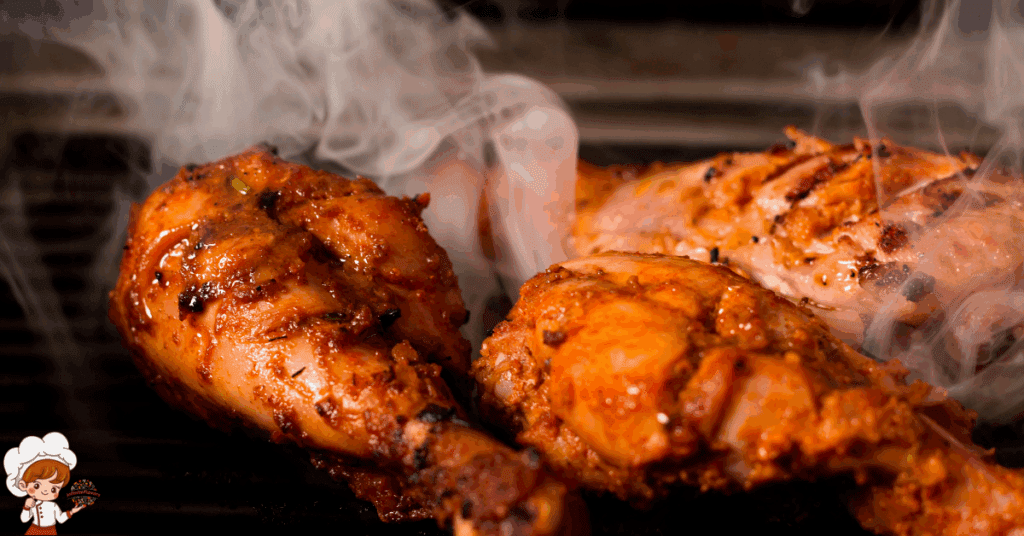
How To Smoke Meat On Grill; To smoke meat on your grill, start by choosing the right grill and ensuring it has low-temperature control features. Prepare your meat with brining and marinades for added flavor. Select your preferred wood chips, soaking them for 30 minutes to enhance smoke production. Set up your grill for indirect cooking, placing charcoal to one side for temperature control. Maintain a temperature between 225°F and 250°F, monitoring with a digital meat thermometer. Finally, let the meat rest before slicing to lock in flavors. There’s so much more to explore to elevate your smoking technique!
Choosing the Right Grill
Choosing the right grill is vital for achieving that perfect smoky flavor in your meat. When you’re selecting a grill, consider the grill materials first. Stainless steel is durable and resistant to rust, while cast iron retains heat exceptionally well, providing even cooking. If you want portability, look for lightweight materials that won’t weigh you down. Each material has its pros and cons, so think about what best fits your smoking style.
Next, you’ll want to pay attention to grill size. The size of your grill affects how much meat you can smoke at once. If you’re planning to host large gatherings, a bigger grill with ample cooking space is a must. However, if you cook for smaller groups or just for yourself, a compact grill will suffice. Choose a grill that fits your space and meets your cooking needs.
Also, consider the design of the grill. A smoker box or separate smoking chamber can enhance your flavor by allowing you to control smoke flow better. Make sure the grill has adjustable vents, too; they help regulate airflow and temperature, which is essential for smoking meat effectively.
Ultimately, your choice of grill materials and size will greatly impact your smoking experience. Take your time, weigh your options, and you’ll end up with the perfect setup for that mouthwatering smoked meat you crave.
Essential Smoking Equipment
When smoking meat, having the right equipment is essential for achieving that delicious flavor and texture. First, you’ll need a good quality grill that can maintain low and slow temperatures. If your grill doesn’t have a built-in smoker box, you can buy a separate smoker box or a smoking chamber to enhance the smoking process.
Next, consider investing in smoking accessories like a digital meat thermometer. This tool will help you monitor the internal temperature of your meat, ensuring it’s cooked perfectly every time. A heat-resistant glove is also a smart addition, allowing you to handle hot food and equipment safely.
Wood chips or chunks are crucial for infusing your meat with smoke flavors. You’ll find a variety of options, like hickory, mesquite, apple, or cherry, each providing unique profiles to elevate your dish. Soak your wood in water for about 30 minutes before using it; this prevents it from burning too quickly and helps produce flavorful smoke.
A charcoal chimney starter can make lighting your charcoal easier and more efficient. If you’re using a gas grill, you may want to look for a smoker box that fits your grill, as it’ll hold your wood chips while they smolder.
Types of Meat to Smoke
When it comes to smoking meat, choosing the right cuts is essential for achieving that rich flavor. You’ll find that both poultry and red meat offer unique tastes and textures, making them great options for your grill. Let’s explore the best cuts for smoking and how they differ between these two categories.
Best Cuts for Smoking
Smoking meat is all about selecting the right cuts to achieve that rich, smoky flavor and tender texture. Not all meats are created equal when it comes to smoking. For the best results, opt for cuts with good marbling and connective tissue, as these will break down during the long cooking process. Brisket, pork shoulder, and ribs are excellent choices; they soak up smoke beautifully and develop deep flavor profiles.
Don’t fall for smoking myths that suggest only certain meats can be smoked. You can also experiment with less conventional cuts, like chuck roast or even fatty fish like salmon. Each type of meat brings its own unique flavor to the table, so don’t hesitate to mix it up.
When choosing your cuts, consider how they’ll absorb smoke over time. Longer smoking times work well with tougher cuts, while more delicate meats may need less time to avoid drying out. Remember, the key to successful smoking lies in patience and experimentation. With the right cuts, you’ll create delicious meals that keep your family and friends coming back for more. Happy smoking!
Poultry Vs. Red Meat
Choosing between poultry and red meat for smoking can greatly affect the flavor and texture of your dish. If you go for poultry, you’ll experience lighter, more delicate poultry flavors that pair exceptionally well with a variety of wood chips, like apple or cherry. Chicken and turkey absorb smoke quickly, so you can achieve that smoky taste without long cooking times. Just be mindful of the internal temperature to avoid dryness.
On the other hand, red meat, such as beef or pork, offers a richness and depth that’s hard to beat. The natural fat in red meat contributes to its tenderness and juiciness, making it a favorite for many grill enthusiasts. Smoking red meat allows you to enhance its flavors over several hours, resulting in a mouthwatering, smoky crust on the outside while keeping the inside perfectly tender.
Ultimately, your choice will depend on your flavor preferences and the time you want to invest. Whether you lean toward the light, smoky notes of poultry or the hearty, robust qualities of red meat, both options can lead to an impressive smoked dish.
Preparing the Meat
Preparing the meat is a crucial step that can make or break your smoking experience. You want to guarantee your meat is flavorful and moist, and this starts with the right preparation techniques. One effective method is meat brining, which involves soaking your meat in a saltwater solution. This process not only enhances the flavor but also helps retain moisture during the smoking process. For best results, brine your meat for several hours or even overnight, depending on its size.
Another important aspect of preparation is selecting the right marinade types. Marinades can include a blend of oils, acids, and spices that infuse flavor into your meat. You can choose from various marinade types, such as a tangy vinegar-based mix or a rich, sweet teriyaki glaze. Whichever you choose, allow your meat to soak up those flavors for at least 30 minutes, but longer marinating times will yield even better results.
Remember to pat your meat dry after brining or marinating. This step helps create a beautiful crust when you smoke the meat. Also, consider trimming any excess fat, as too much can lead to flare-ups and unwanted grease during smoking.
Selecting Wood for Smoking
Selecting the right wood for smoking can greatly influence the flavor profile of your meat. You’ll want to take into account different types of wood, as each brings its unique taste to the table. Fruit woods, like apple and cherry, tend to offer a mild sweetness, while hardwood varieties, such as oak and hickory, provide a stronger, more robust flavor. Think about the smoke intensity you desire; lighter woods can complement delicate meats, while heavier options work well with heartier cuts.
Moisture content in the wood is another important factor. Freshly cut wood can be too moist, leading to excessive smoke and a bitter taste. Aim for wood that’s seasoned for at least six months, ensuring it has the right moisture level to produce clean, flavorful smoke.
When sourcing your wood, take into account local options to support regional preferences. Many areas have their own popular smoking woods, which can enhance your grilling experience. However, be mindful of wood safety; avoid using treated or painted wood, as these can release harmful chemicals when burned.
Ultimately, experimenting with different woods can help you discover the perfect flavor combinations for your smoked meats. Whether you opt for fruit woods for a subtle touch or hardwood varieties for a bold punch, understanding how each type affects your meat will elevate your smoking game. Enjoy the process, and don’t hesitate to tweak your choices based on what you enjoy most!
Setting Up the Grill
To achieve the best results while smoking meat, you need to set up your grill properly. Start by choosing the right grill placement. Ideally, find a stable, well-ventilated area away from flammable materials. Make certain you have enough space around the grill for safety and easy access to your tools and ingredients.
Once you’ve secured the right spot, focus on your charcoal arrangement. If you’re using a charcoal grill, the way you arrange the coals will greatly impact your smoking experience. For indirect cooking, pile the charcoal on one side of the grill. This creates a hot zone for searing and a cooler side for slow cooking. If you’re using a water pan, place it on the cooler side to help maintain moisture and regulate the temperature.
Consider using a two-zone setup, which allows you to control the cooking process more effectively. This method gives you flexibility, letting you sear your meat before moving it to the cooler side for smoking. If you’re planning to add wood chips for flavor, soak them in water for about 30 minutes before adding them to the charcoal. This prevents them from igniting too quickly and guarantees they produce smoke over a longer period.
Controlling the Temperature
Controlling the temperature is essential for successful smoking, as it directly affects the flavor and tenderness of your meat. You’ll want to aim for ideal temperature ranges and use thermometers effectively to monitor your grill’s heat. Let’s explore how to keep everything in check for the best results.
Ideal Temperature Ranges
Maintaining the right temperature is essential for smoking meat effectively on a grill. Ideally, you want to keep your smoker or grill between 225°F and 250°F. This temperature range allows for the slow cooking necessary to develop those delicious smoke rings and rich flavor profiles. If you go too high, you risk drying out the meat and losing that tender texture, while too low can lead to undercooked meat.
For different types of meat, slight adjustments can enhance your results. For instance, when smoking brisket or pork shoulder, aim for around 225°F to 240°F. This helps break down the connective tissues, guaranteeing a juicy outcome. On the other hand, when working with poultry, you might want to increase the temperature slightly to about 250°F to guarantee it cooks through thoroughly without drying out.
Using Thermometers Effectively
While you might think your grill’s built-in thermometer is enough, using an accurate meat thermometer is crucial for achieving perfectly smoked meat. Built-in thermometers can be unreliable, especially in the heat of cooking, so having a digital thermometer is a game changer. These devices provide precise readings and help you monitor the internal temperature of your meat without opening the grill, which can cause heat loss.
Investing in quality temperature probes will enhance your smoking experience. With a temperature probe inserted into the thickest part of the meat, you can track its progress throughout the cooking process. This way, you won’t have to guess if your brisket or ribs are done; you’ll know for sure.
When using digital thermometers, aim to check the temperature during the final stages of cooking. This guarantees you hit the ideal internal temperature for tenderness and safety. Also, make certain to calibrate your thermometer periodically to maintain accuracy.
Smoking Techniques
To achieve perfectly smoked meat on the grill, understanding various smoking techniques is essential. You can choose between cold smoking and hot smoking, each offering distinct outcomes. Cold smoking typically involves lower temperatures, making it suitable for items like cheese or fish, while hot smoking cooks the meat through while infusing it with rich flavors.
When you hot smoke, pay attention to smoke management. Control the amount of smoke produced by adjusting your grill’s vents and using the right wood combinations. Different woods impart unique flavor profiles; for instance, hickory delivers a strong, bold taste, while applewood offers a sweeter, fruitier note. Experimenting with various combinations can elevate your smoke seasoning.
To enhance the overall flavor and moisture, consider meat brining before smoking. A simple saltwater solution can work wonders, ensuring your meat remains juicy and flavorful throughout the smoking process. When you smoke meat, you’ll often notice a beautiful pink layer known as the smoke ring. This visual cue indicates that the meat has absorbed the smoke and adds to its appeal.
Regardless of the technique, consistency is key. Monitor your smoke levels and adjust as necessary to maintain a balanced flavor without overwhelming the meat. By mastering these smoking techniques, you’ll create mouthwatering dishes that showcase your grilling prowess. So grab your favorite cuts, experiment with wood combinations, and enjoy the art of smoking!
Timing Your Smoke
Getting the timing right is vital for smoking meat to perfection. You’ll want to take into account the ideal smoking duration, temperature, and how to monitor smoke levels throughout the process. Mastering these elements guarantees your meat turns out flavorful and tender every time.
Ideal Smoking Duration
When it comes to achieving perfectly smoked meat, timing is essential. The ideal smoking duration depends on several factors, including the type of meat and the smoking method you choose. For example, larger cuts like brisket or pork shoulder usually require longer smoking times—often ranging from 8 to 12 hours—while smaller cuts like ribs may only need 4 to 6 hours.
Keeping an eye on the time will help you develop that coveted smoke ring, a delicious indicator of well-smoked meat. This ring forms when the meat absorbs smoke during the first few hours of cooking, so don’t be tempted to rush the process.
If you’re using a traditional offset smoker or a pellet grill, the smoking duration will also vary. Remember, the key is to maintain a consistent smoke flow for the duration of your cook. It might take some trial and error to find the perfect timing for your specific setup and preferences, but once you get it right, you’ll enjoy tender, flavorful meat that’s a hit at any gathering. So, plan your timing wisely and savor the rewards of your efforts!
Temperature and Timing
Achieving the perfect smoke isn’t just about duration; temperature plays an important role too. To get those beautiful smoke rings and rich flavor profiles, you need to maintain the right cooking temperature throughout the process. For most meats, aim for a steady temperature between 225°F and 250°F. This range allows the meat to absorb the smoke effectively while cooking slowly, guaranteeing tender results.
Timing your smoke begins with understanding your meat’s thickness and type. For instance, a brisket may take around 1.5 to 2 hours per pound at this temperature. A pork shoulder might require a bit longer, often up to 2 hours per pound. It’s vital to avoid rushing the process; low and slow is the mantra here.
You’ll also want to take into account how the meat reacts to the heat. If the temperature spikes, you risk drying out the meat and losing those desirable smoke rings. Keep a reliable meat thermometer on hand and check the internal temperature regularly. Typically, you’re aiming for around 195°F to 205°F for pulled pork or brisket. This guarantees you achieve that melt-in-your-mouth texture while fully developing those delicious flavors.
Monitoring Smoke Levels
Smoke is the soul of barbecue, and monitoring its levels is vital for achieving that perfect flavor. You want to find the right balance of smoke density to enhance your meat without overwhelming it. Start by preheating your grill and adding your chosen wood chips or chunks. As the wood ignites, pay attention to the smoke that’s produced.
Thin, blue smoke indicates a clean burn and will give your meat a pleasant smoke flavor. Conversely, thick, white smoke usually means you’ve got a fire that’s too hot or that the wood isn’t burning properly. This can lead to bitter flavors that ruin your barbecue experience.
Timing is important—aim to maintain consistent smoke levels throughout the cooking process. For most meats, you’ll want to smoke for several hours, checking on the smoke density periodically. If it starts to diminish, you can add more wood to keep the flavor profile balanced. Remember, your goal is to create a rich, smoky essence that complements the meat, rather than overpowering it. So, keep an eye on that smoke and adjust as needed for a deliciously smoked masterpiece.
Adding Flavor With Marinades
There’s no denying that marinades can elevate the flavor of your smoked meat to new heights. By using a good marinade, you can achieve a perfect acid balance that complements your meat’s natural flavors. Start by selecting your marinade type; you can choose from a wet marinade, which is liquid-based, or a dry rub that focuses on spice combinations.
To create a flavor infusion, consider incorporating herb blends that match the taste profiles of the meat you’re working with. For example, rosemary and thyme work wonders with chicken, while a mix of cumin and paprika can enhance beef. Don’t forget to include an acid component, like vinegar or citrus juice, as it helps tenderize the meat while adding a zesty kick.
When it comes to marinating time, each meat type has its own requirements. Fish might only need 30 minutes, while tougher cuts like brisket benefit from several hours or even overnight. Always keep in mind that over-marinating can lead to mushy meat, so timing is essential.
Experiment with different seasoning techniques to find what pleases your palate. Whether you prefer a simple garlic and olive oil mix or a complex blend of spices, your goal is to enhance the meat’s flavor without overpowering it. So, get creative and enjoy the process of crafting marinades that make your smoked meat truly unforgettable!
Resting the Meat
Resting the meat is a crucial step that shouldn’t be overlooked. After spending hours on the grill, it’s tempting to dive right in, but allowing your meat to rest will greatly enhance its flavor and juiciness. When you pull the meat off the grill, its internal temperature continues to rise due to residual heat, often referred to as carryover cooking. This can elevate the meat temperature by several degrees, so keep that in mind when deciding when to take it off the grill.
To effectively rest your meat, employ various resting techniques. First, place your meat on a cutting board or plate, allowing it to breathe. Cover it loosely with aluminum foil to retain warmth without steaming it. The general rule of thumb is to let it rest for about 15-30 minutes, depending on the size of the cut. Larger cuts, like brisket or pork shoulder, benefit from longer resting times, while smaller cuts, such as chicken breasts, need less.
During this resting period, juices redistribute throughout the meat, resulting in a more flavorful and tender bite. If you skip this step, you risk losing those precious juices the moment you cut into it, leading to dry meat. By mastering these resting techniques, you’ll guarantee your smoked meat is the star of the meal, bursting with flavor and perfectly cooked every time.
Slicing and Serving
After allowing your meat to rest, it’s time to focus on slicing and serving. Proper slicing techniques can elevate your dish and enhance the overall experience. Start by using a sharp knife, as a dull blade can tear the meat rather than create clean cuts. Always slice against the grain; this breaks down the muscle fibers, resulting in tender bites. For larger cuts like brisket or pork shoulder, aim for about a quarter-inch thick slices. For ribs, you might want to cut between the bones for easy serving.
When it comes to serving suggestions, presentation matters. Arrange your sliced meat on a large platter, and consider adding a garnish, like fresh herbs or pickled vegetables, to bring some color. You can also serve with a variety of sauces on the side, allowing guests to customize their flavor experience. Think about pairing your smoked meat with complementary sides, such as coleslaw, baked beans, or cornbread, enhancing the meal’s overall appeal.
Don’t forget the importance of temperature; serve your meat warm for the best taste. If you’ve made multiple types of smoked meat, label each option to help your guests choose their favorites easily. Finally, encourage everyone to dig in and enjoy the fruits of your labor—after all, nothing beats the satisfaction of sharing your delicious smoked meat with friends and family!
Cleaning Your Grill
To keep your grill in top shape and guarantee the best results for your next smoking session, regular cleaning is essential. Neglecting grill maintenance can lead to buildup that affects flavor and performance. Here’s how to tackle the task efficiently.
Start by gathering your cleaning supplies. You’ll need a grill brush, soapy water, a sponge, and a bucket. If you’ve got stubborn residue, consider a degreaser or vinegar solution. Once you’ve got your supplies ready, wait for your grill to cool down but not too much—cleaning it when it’s still warm makes the job easier.
Begin by removing the grates. Use the grill brush to scrub them down, focusing on any charred bits. Rinse them with soapy water and let them dry. While the grates are soaking, turn your attention to the interior of the grill. Wipe down the walls and bottom with a sponge soaked in soapy water, removing any ash or grease.
Next, clean the burners and drip pan. Ascertain they’re clear of any debris to prevent flare-ups. After everything’s been scrubbed down, rinse with water, and allow the grill to air dry thoroughly.
Frequently Asked Questions: How To Smoke Meat On Grill
Can I Smoke Meat in an Electric Grill?
Yes, you can smoke meat in an electric grill. By using smoking techniques like adding wood chips, you’ll create delicious flavors. Just keep the temperature low and monitor the cooking time for the best results.
What Is the Ideal Humidity for Smoking Meat?
The ideal humidity for smoking meat is around 60-70%. Proper humidity control enhances smoking techniques, ensuring your meat stays moist and absorbs smoke flavor. Keep an eye on humidity levels for the best results.
How Do I Know When My Meat Is Done?
To know when your meat’s done, use an internal meat thermometer. Aim for the right temperature, then let it rest. Resting meat time helps juices redistribute, ensuring a tender and flavorful result.
Can I Reuse Wood Chips After Smoking?
You can reuse wood chips after smoking, but their effectiveness depends on wood chip types and smoking duration. If they’ve burned well, they may add some flavor, but don’t expect the same intensity as fresh chips.
What Should I Do With Leftover Smoked Meat?
After enjoying your smoked meat, try making delicious smoked meat recipes like sandwiches or casseroles. For meat storage tips, wrap leftovers tightly in foil or plastic, then refrigerate or freeze to maintain freshness.

Conclusion
Now that you know how to smoke meat on your grill, it’s time to put your skills into action. With the right equipment, meat, and wood, you can create mouthwatering flavors that’ll impress your friends and family. Don’t forget to let your meat rest before slicing, so all those delicious juices stay locked in. Enjoy the process, and remember to clean your grill afterward to keep it in top shape for your next smoking adventure!