How To: Using Liquid Smoke In Cooking

Using Liquid Smoke In Cooking can add a rich, smoky flavor to your dishes. Start with small amounts, as it’s concentrated and can easily overpower other flavors. You can enhance marinades, soups, and grilled vegetables with just a few drops. Different wood types, like hickory or mesquite, impart distinct tastes, so choose according to your dish. Remember to incorporate it early in the cooking process for the best results. Avoid using it in delicate dishes like seafood. Want to explore more ways to elevate your cooking with liquid smoke? There’s plenty more to discover!
What Is Liquid Smoke?
Liquid smoke is a concentrated flavoring made from the condensation of smoke from burning wood chips, and it captures the essence of outdoor grilling in a bottle. You might be surprised to learn that liquid smoke has a rich history that dates back to the 19th century. It was originally developed as a way to preserve food, offering a smoky flavor while extending shelf life. As time went on, its popularity surged, making it a staple in many kitchens.
When using liquid smoke, you’ll want to keep safety in mind. It’s generally considered safe for culinary use, but moderation is key. Because it’s a concentrated product, just a few drops can add a robust flavor, so you don’t need to go overboard. Always check the ingredient list to verify there are no unwanted additives. Some brands might include preservatives or other chemicals, which could detract from the natural flavor you’re seeking.
If you’re concerned about its health implications, remember that liquid smoke is often created from natural wood sources. However, it’s wise to be cautious with any flavoring agent. If you have allergies or sensitivities to smoke, it’s best to consult your doctor before adding it to your diet.
Incorporating liquid smoke into your cooking can elevate your dishes, providing that sought-after smoky flavor without the hassle of traditional grilling. With a little knowledge about its history and safety, you’re ready to experiment with this unique ingredient.
How Is Liquid Smoke Made?
The process of making liquid smoke involves capturing the smoke from burning wood and condensing it into a liquid form. This method has roots in liquid smoke history, dating back to the 19th century when early producers sought ways to replicate the flavor of smoked foods without the time and effort of traditional smoking methods.
In modern liquid smoke production, the first step is selecting the type of wood, which can greatly influence the final flavor. Common woods include hickory, mesquite, and applewood. Once the wood is chosen, it’s burned in a controlled environment, generating smoke. This smoke is then cooled through a series of condensation pipes. As the smoke cools, it transforms into a liquid, capturing the essential oils and flavor compounds that give it its characteristic taste.
After the condensation process, the liquid is usually filtered to remove any impurities. Some producers may also pasteurize the liquid to ascertain it’s safe for consumption. The resulting product is rich in flavor and can be used in various culinary applications, from marinades to sauces.
Understanding how liquid smoke is made can deepen your appreciation for its unique taste. With its fascinating history and straightforward production process, you can see why it’s become a staple in kitchens around the world. So, next time you reach for that bottle, you’ll know the journey it took to enhance your cooking.
Types of Liquid Smoke
When choosing liquid smoke, you’ll encounter both natural and artificial options, each bringing its own unique flavor. Natural liquid smoke often has a more complex taste, while artificial versions might lack depth but can be more consistent. Let’s explore how these types compare regarding flavor profiles and the best uses for each.
Natural Vs. Artificial Options
Over the years, the use of liquid smoke has gained popularity among home cooks and chefs alike, offering a convenient way to add that signature smoky flavor to dishes. When considering your options, you’ll find both natural and artificial varieties. Natural liquid smoke is derived from real wood sources, using production methods that capture the essence of smoke without artificial additives. This option often appeals to those who prioritize health considerations and prefer cleaner ingredients.
On the other hand, artificial liquid smoke may contain synthetic flavorings that enhance flavor intensity but could raise concerns for some consumers. Ingredient comparisons reveal that while both types can deliver a smoky taste, natural options typically contain fewer additives, making them a healthier choice for many.
Your culinary preferences will ultimately guide your decision. If you’re after authenticity and a rich flavor profile, natural liquid smoke might be the way to go. However, if you’re looking for something budget-friendly or easily available, artificial options could fit the bill. Being informed about these choices can help you select the liquid smoke that best suits your cooking style and health goals.
Flavor Profiles Comparison
Frequently, cooks encounter various types of liquid smoke that offer distinct flavor profiles, each contributing uniquely to dishes. You’ll find that each type brings its own smoky nuances, ranging from a light, delicate touch to a robust, bold flavor.
For instance, hickory liquid smoke adds a strong, hearty essence, perfect for barbecued meats and beans, while mesquite provides a more intense, earthy smokiness that pairs wonderfully with grilled vegetables and steaks. Applewood liquid smoke, on the other hand, delivers a milder, sweeter flavor, making it an excellent choice for poultry and seafood.
As you experiment, you’ll notice how the flavor evolution occurs in your dishes; the longer you cook with it, the more pronounced the smoky character becomes. Always remember to start with a small amount, as liquid smoke can easily overpower other flavors.
Understanding these different profiles allows you to tailor your culinary creations, enhancing your dishes with the perfect smoky touch. By choosing the right type of liquid smoke, you can elevate your cooking and make every bite memorable.
Flavor Profiles of Liquid Smoke
When you use liquid smoke, you’ll notice it brings a unique depth of flavor to your dishes. Understanding its various flavor profiles can help you pair it effectively with different ingredients and cooking techniques. Let’s explore how to make the most of this smoky addition in your culinary creations.
Types of Liquid Smoke
As you explore the world of liquid smoke, you’ll discover that different types offer unique flavor profiles that can enhance a variety of dishes. Various liquid smoke brands create their products using different wood types, and each imparts a distinct taste. For instance, hickory liquid smoke delivers a bold, robust flavor, perfect for barbecue sauces or marinades. On the other hand, mesquite liquid smoke has a stronger, earthy profile that works well in chili or grilled meats.
You can also find fruitwood liquid smokes, such as apple or cherry, which add a subtle sweetness, making them great for lighter dishes or even salad dressings. Knowing these differences helps you choose the right product for your culinary needs. Additionally, consider experimenting with smoked spices to complement your liquid smoke. These spices can enhance the overall flavor and provide a unique twist to traditional recipes.
When selecting a liquid smoke brand, look for quality and ingredient transparency. This can greatly affect the final taste of your dish, allowing you to achieve the smoky depth you’re aiming for.
Flavor Pairing Suggestions
Understanding the flavor profiles of different types of liquid smoke can greatly enhance your cooking experience. Each variety brings unique characteristics that you can pair with various ingredients. For instance, hickory liquid smoke has a strong, bold flavor, making it perfect for hearty dishes like barbecued meats and robust chili. On the other hand, mesquite offers a sweeter, earthier profile, which works well with grilled vegetables and fish.
Don’t overlook the potential of liquid smoke in unexpected areas, like smoky desserts. You can add a few drops of liquid smoke to chocolate desserts, such as brownies or chocolate mousse, for a surprising depth of flavor. It can also elevate caramel and butterscotch sauces, giving them a unique twist.
For cocktail infusions, consider using a hint of liquid smoke in your favorite spirits. A smoky twist in a classic Old Fashioned or a smoky margarita can truly impress your guests. Just remember, a little goes a long way, so start with small amounts and adjust to your taste. Experimenting with these flavor pairings will make your dishes and drinks memorable!
Culinary Uses and Techniques
Liquid smoke can transform your dishes into smoky masterpieces, adding depth and complexity to a variety of culinary creations. You can use it to enhance the flavor of meats, vegetables, and even sauces. Just a few drops can elevate your barbecue sauce, giving it that authentic, smoky flavor you crave. When grilling or roasting, brush a bit of liquid smoke on your proteins for an unforgettable taste experience.
But don’t stop there—explore the world of smoky desserts! A dash of liquid smoke can take your chocolate mousse or caramel sauce to new heights, creating a surprising and delightful contrast.
You can even get creative with liquid smoke cocktails. Adding a few drops to your favorite drink can introduce an intriguing smoky element, perfect for impressing your guests at a gathering. Think of a smoky margarita or a whiskey sour with a twist, and you’ll see just how versatile liquid smoke can be in your mixology repertoire.
Experimenting with these techniques will help you discover the perfect balance of flavors in your dishes, making every meal a smoky sensation worth savoring!
Benefits of Using Liquid Smoke
The smoky flavor that liquid smoke imparts can transform ordinary dishes into extraordinary culinary experiences. One of the key benefits of using liquid smoke is its ability to enhance flavor without the need for traditional smoking techniques. This means you can easily achieve that delicious, smoky taste in your meals while exploring cooking versatility. Whether you’re grilling, barbecuing, or simply adding it to sauces, liquid smoke provides a rich flavor intensity that elevates your dishes.
Health benefits also come into play since liquid smoke can serve as a smoking alternative that allows you to enjoy that beloved flavor without the potential health risks associated with traditional smoking methods. It’s a great way to cater to dietary considerations, making it easier for those on specific diets to enjoy that smoky essence.
Additionally, liquid smoke is perfect for ingredient substitutions. If you’re short on time or if grilling techniques aren’t feasible, a few drops can replicate the flavors you desire. This opens up a world of culinary innovations, allowing you to experiment with different dishes and cuisines.
Cooking safety is another advantage, as you won’t have to worry about flare-ups or managing a grill. Instead, you can focus on creating delicious meals with ease. So, whether you’re a seasoned chef or a home cook, incorporating liquid smoke into your repertoire can offer a simple yet effective way to enhance your cooking.
How to Use Liquid Smoke
When you’re ready to use liquid smoke, measuring it accurately is key to achieving the right flavor. It works wonders in a variety of dishes, from marinades to soups, enhancing their taste without overwhelming them. Let’s explore how much to use and the best recipes to elevate with this smoky ingredient.
Measuring Liquid Smoke
Measuring liquid smoke can elevate your dishes with its bold, smoky flavor, but it’s crucial to use it wisely. To achieve the best results, start with the right measuring techniques. Liquid smoke is potent, so a little goes a long way. For marinades and rubs, use a dropper or teaspoon for precision. Aim for about 1/4 to 1/2 teaspoon for a standard recipe serving four people.
When it comes to dosage guidelines, remember that the intensity can vary between brands. If you’re unsure, begin with a smaller amount and adjust according to your taste preferences. You can always add more, but it’s tough to fix an overly smoky dish.
For soups or sauces, consider adding liquid smoke in increments of a few drops, tasting as you go. This method guarantees you don’t overpower your dish. If you’re using it in a slow-cooking recipe, incorporate it early on to allow the flavors to meld. Following these simple measuring techniques and dosage guidelines will help you harness the rich taste of liquid smoke without overwhelming your culinary creations. Enjoy experimenting and enhancing your dishes!
Best Dishes to Enhance
Liquid smoke can transform a variety of dishes, enhancing their flavor profile with a rich, smoky essence. You can start by adding it to marinades for meats, like ribs or chicken, to give them that barbecue flavor without the need for a grill. Just a few drops can elevate your homemade burgers and meatloaf, making them irresistibly smoky.
Don’t forget about vegetables! Drizzling liquid smoke over roasted Brussels sprouts or grilled corn can add a delicious depth that surprises your taste buds. And if you’re feeling adventurous, try it in your sauces and soups for an extra kick.
For a unique twist, consider making smoky desserts. A hint of liquid smoke in chocolate mousse or brownies can create a rich, complex flavor that’ll leave everyone guessing.
Balancing Liquid Smoke’s Flavor
A dash of liquid smoke can elevate your dishes, but finding the right balance is key. You want to achieve that perfect smoky balance without overwhelming your meal. Too much liquid smoke can overpower the other flavors, leaving your dish tasting more like a campfire than a gourmet creation. Start with a small amount—just a few drops—and taste as you go. This way, you can control the flavor intensity and adjust according to your palate.
Consider the other ingredients in your dish. If you’re working with robust flavors, like barbecue sauce or hearty meats, you might be able to increase the liquid smoke without losing harmony. On the other hand, delicate ingredients like fish or vegetables require a lighter touch. Remember, the goal is to enhance, not dominate.
When incorporating liquid smoke, think about the cooking method, too. Grilling or smoking typically lends itself well to stronger smoky flavors, while sautéing or simmering may require a subtler approach. If you’re unsure, err on the side of caution; you can always add more, but it’s tough to take it back once it’s in.
Ultimately, balancing liquid smoke’s flavor is about experimentation. Keep track of your measurements and notes on what works best for you. This way, you’ll refine your technique and create dishes that showcase the beautiful complexity of smoky flavors, making each meal a delightful experience.
Liquid Smoke in Marinades
Incorporating liquid smoke into marinades can transform your meats and vegetables, infusing them with a rich, smoky flavor that enhances every bite. You’ll find that even a small amount of liquid smoke goes a long way in creating depth in your dishes. When crafting your marinade, keep in mind the balance of flavors and adjust your marinade ratios accordingly.
Start with your base ingredients, such as olive oil, vinegar, or citrus juice, and then add your seasonings. Once you’ve established the foundation, it’s time to introduce liquid smoke. Typically, you’ll want to use about 1 teaspoon of liquid smoke for every cup of marinade, but feel free to tweak this based on your desired flavor intensity. If you’re looking for a subtle smokiness, start with less and taste as you go.
Don’t forget to take into account the other components in your marinade. Sweetness from honey or brown sugar can complement the smoky flavor, while spices like paprika or garlic powder can add extra layers. Marinate your proteins or veggies for at least 30 minutes, though longer marinating times—up to several hours—can yield even more pronounced flavors.
Remember that the key is to maintain a balance. Liquid smoke can be potent, so always err on the side of caution when adding it. With practice, you’ll master the art of creating marinades that perfectly suit your taste and elevate your cooking to new heights.
Incorporating Liquid Smoke in Soups
Enhancing the depth of flavor in soups can be easily achieved with just a few drops of liquid smoke. This versatile ingredient adds a rich, smoky essence, transforming your everyday broth into something extraordinary. When you’re crafting a hearty soup, consider how liquid smoke can create a more complex and satisfying experience.
Start by adding a small amount—about a teaspoon—of liquid smoke to your soup base. It’s essential to taste as you go; this way, you can control the smoky flavor without overpowering the dish. Whether you’re making a classic vegetable soup or a robust chili, liquid smoke can elevate the overall profile. You’ll notice how it creates a delightful smoky broth that mingles beautifully with your other ingredients.
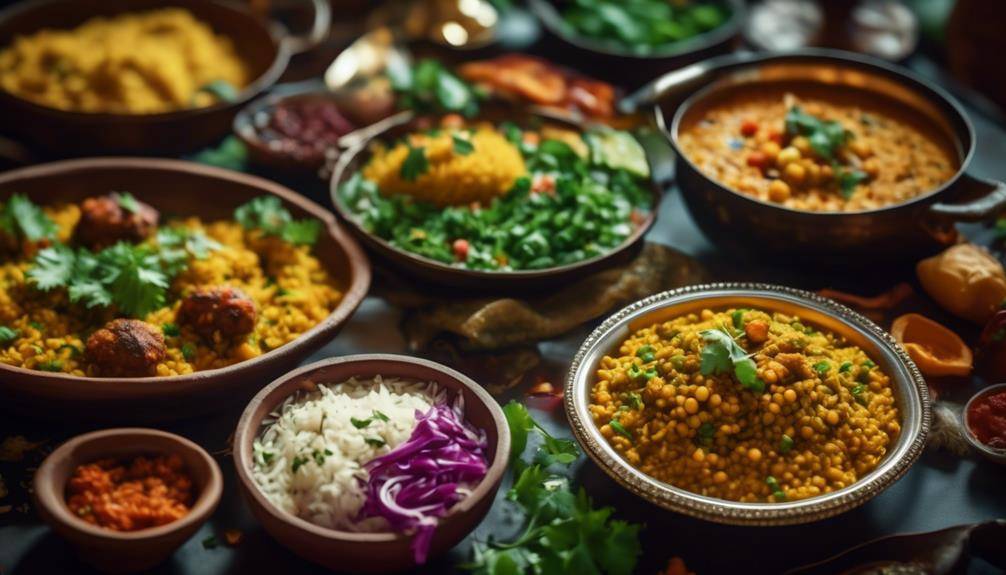
For a perfect flavor infusion, pair liquid smoke with ingredients that complement its essence. Ingredients like beans, tomatoes, and various spices work particularly well, enhancing the smoky notes and creating a well-rounded flavor. If you’re cooking a split pea or lentil soup, adding liquid smoke can mimic that traditional slow-cooked, smoky flavor commonly found in barbecue dishes.
Liquid Smoke for Vegetables
Liquid smoke can work wonders with vegetables, adding a smoky richness that enhances their natural flavors. When you’re looking to elevate your veggie dishes, just a few drops of liquid smoke can make a significant impact. It’s especially effective with grilled vegetables, giving them that charred flavor without the need for a grill.
Take grilled asparagus, for instance. Toss the asparagus spears in olive oil, salt, and a touch of liquid smoke before grilling. You’ll be amazed at how it transforms the dish. The smoky notes combine beautifully with the fresh, crisp taste of the asparagus, making it a standout side dish for any meal.
Smoky mushrooms are another fantastic option. Whether you’re sautéing or roasting, adding liquid smoke to your mushrooms can create an irresistible umami flavor. Simply mix the mushrooms with a little oil, garlic, and a splash of liquid smoke before cooking. The result is a savory, smoky delight that pairs well with pasta, rice, or as a topping for burgers.
You can also experiment by adding liquid smoke to marinades for vegetable skewers or stir-fries. The versatility of liquid smoke means you can enhance a variety of vegetables, from bell peppers to zucchini. Just remember to start with a small amount; a little goes a long way. With liquid smoke in your pantry, you can create rich, smoky vegetable dishes that impress every time.
Best Recipes With Liquid Smoke
There are countless ways to utilize liquid smoke in your cooking, and exploring the best recipes can truly elevate your meals. One of the most popular creative applications is using liquid smoke to enhance your marinades. Mix a few drops of hickory or mesquite liquid smoke varieties with olive oil, garlic, and your favorite spices for a flavorful marinade that infuses your meats with a smoky depth.
Grilling is another area where liquid smoke shines. If you’re making a barbecue sauce, incorporate liquid smoke to replicate that classic grill flavor. Combine it with ketchup, brown sugar, and apple cider vinegar, and you’ve got a mouthwatering sauce that elevates burgers and ribs to new heights.
Vegetarians can also benefit from liquid smoke. Try adding it to your bean chili or lentil stew for a rich, smoky flavor that complements the dish beautifully. Just a teaspoon can transform an ordinary recipe into something extraordinary.
For a unique twist, consider using liquid smoke in dips. Blend some into your cream cheese or sour cream-based dips for a smoky kick that’ll surprise your guests. It’s a simple way to impress without a lot of extra effort.
Lastly, don’t overlook the power of seasoning. A dash of liquid smoke can enhance roasted vegetables or popcorn, giving them that desired barbecued flavor. These recipes showcase just a few of the many creative applications for liquid smoke, making it a must-have in your culinary toolkit.
Storage Tips for Liquid Smoke
To keep your liquid smoke fresh and flavorful, store it in a cool, dark place like a pantry or cupboard. This helps maintain its quality and prevents exposure to light and heat, which can degrade its flavor. Always make certain to use airtight storage containers. Glass bottles or tightly sealed plastic containers work well for this purpose.
Once you’ve opened your liquid smoke, its shelf life decreases slightly, but it can still last for a long time if stored correctly. Generally, you can expect it to remain good for about 2 to 3 years when kept in proper conditions. Remember to check the expiration date on the bottle before using it, as this can vary by brand.
If you notice any changes in color, smell, or consistency, it’s best to err on the side of caution and discard it. To further extend its shelf life, you can refrigerate liquid smoke after opening, though it’s usually not necessary. Just make certain the lid is tightly closed to prevent any contamination or absorption of other odors.
When you’re ready to use it again, give the bottle a gentle shake to remix any settled ingredients. Following these storage tips will make sure that you enjoy the rich, smoky flavor of liquid smoke in your recipes for a long time to come. Remember, proper storage is key to maximizing the shelf life and quality of this unique ingredient.
Common Mistakes to Avoid
When cooking with liquid smoke, it’s easy to make a few common mistakes that can compromise your dish’s flavor. One of the biggest pitfalls is overusing liquid smoke. Remember, a little goes a long way! If you add too much, the flavor can become overwhelming, making your dish taste artificial rather than savory. Start with just a few drops or a teaspoon, and adjust to your taste as you go.
Another mistake is not considering the dish’s overall flavor intensity. Liquid smoke can enhance the smoky flavor, but it can also overpower other ingredients if you’re not careful. Be mindful of how the smoke flavor interacts with spices and herbs already in your dish. It’s a good idea to taste your food as you cook to guarantee that the flavors balance nicely.
Additionally, many cooks forget that liquid smoke works best when it’s incorporated early in the cooking process. Adding it at the last minute can result in a sharp, raw flavor that doesn’t meld well with your dish. Instead, mix it in during marinating or cooking to allow the flavors to blend harmoniously.
Lastly, don’t overlook the type of dish you’re using it in. While liquid smoke can elevate meats and stews, it may not suit delicate dishes like seafood or light sauces. By avoiding these common mistakes, you’ll guarantee that you achieve the perfect smoky flavor in your cooking.
Frequently Asked Questions: Using Liquid Smoke In Cooking
Is Liquid Smoke Gluten-Free and Suitable for Celiac Diets?
Yes, most liquid smoke brands are gluten-free, making them suitable for celiac diets. However, always check labels. If you’re unsure, consider liquid smoke substitutes like smoked paprika or chipotle powder for similar flavors.
Can Liquid Smoke Be Used in Baking Recipes?
Yes, you can use liquid smoke in baking recipes. It adds a unique flavor enhancement, complementing various baking techniques. Just remember, a little goes a long way, so start with a small amount. Enjoy experimenting!
How Does Liquid Smoke Affect Food Allergies?
Liquid smoke can trigger allergy reactions for some individuals, especially those with food sensitivities. It is crucial to check ingredient labels and consult with a healthcare professional if you’re unsure about potential allergens in your food.
What’s the Shelf Life of Opened Liquid Smoke?
Once opened, liquid smoke typically lasts about six months. To maintain flavor intensity, store it in a cool, dark place. Keep the cap tightly sealed, and always check for any off odors before using it.
Can I Use Liquid Smoke in Cold Dishes or Salads?
Absolutely, you can use liquid smoke in cold dishes or salads! It adds a unique flavor enhancement to salad dressings, giving your greens a smoky kick. Just a few drops can elevate your meal considerably!

Conclusion
Incorporating liquid smoke into your cooking can elevate your dishes with a rich, smoky flavor that’s hard to resist. Whether you’re grilling, roasting, or even seasoning veggies, it’s a versatile ingredient that brings a unique twist to your meals. Just remember to use it sparingly, as a little goes a long way. So, experiment with different recipes, and enjoy the depth of flavor liquid smoke can add to your culinary creations!