The Best Guide To Hot Smoking Vs Cold Smoking

Best Guide To Hot Smoking Vs Cold Smoking; Hot smoking and cold smoking are unique methods for enhancing food flavors. You use hot smoking to cook food while infusing it with smoky goodness, operating at temperatures between 165°F and 300°F. Cold smoking, on the other hand, adds a subtle smoky flavor without cooking, staying below 85°F. While hot smoking is perfect for proteins like ribs and salmon, cold smoking is great for delicate items like cheese and bacon. Each method requires different equipment and safety precautions. Curious about how to master these techniques and find the best wood types? There’s plenty more to explore.
Definition of Hot Smoking
Hot smoking is a method of cooking food that infuses it with flavor while also thoroughly cooking it. This technique combines heat and smoke, creating a delicious result that elevates the taste of your favorite meats, fish, and even vegetables. When you want to enjoy a smoky, savory flavor, hot smoking is the way to go.
In hot smoking, you typically maintain a temperature between 165°F and 300°F. This range guarantees that the food cooks evenly and reaches a safe internal temperature, making it perfect for those who prioritize both taste and safety. You can use various smoking techniques, such as offset smokers, vertical smokers, or even stovetop smokers, to achieve the desired results. Each method has its own charm and can impact the flavor infusion based on the type of wood chips or pellets you choose.
As you experiment with different types of wood, like hickory, mesquite, or applewood, you’ll notice how each variety adds its unique character to the food. Remember that the duration of smoking also plays a vital role; longer smoking times can result in deeper flavors. When you engage in this cooking method, you’re not just preparing a meal—you’re creating an experience. Whether you’re hosting a barbecue or enjoying a quiet dinner, hot smoking can transform ordinary ingredients into extraordinary dishes. So, fire up your smoker, and get ready to savor the rich flavors that come from this delightful cooking technique.
Definition of Cold Smoking
Cold smoking is a technique that infuses food with smoky flavor without cooking it. This method typically involves exposing food to smoke at temperatures below 85°F (29°C) for an extended period, which can range from a few hours to several days. It’s important to understand that while the food absorbs the smoky essence, it remains uncooked, preserving its original texture and moisture.
You’ll find various technique variations in cold smoking, allowing you to experiment with different types of wood, herbs, and spices to create unique flavor profiles. For instance, using hickory wood can give a robust flavor, while applewood offers a milder, sweeter touch. The choice of wood greatly impacts the final taste, so feel free to get creative.
One of the key benefits of cold smoking is its ability to enhance flavors without altering the food’s physical state. This process is commonly used for items like fish, meats, cheeses, and even vegetables. When done correctly, cold smoking can elevate the flavor experience, adding depth and complexity that cooking methods alone can’t achieve.
However, it’s critical to guarantee food safety, as cold smoking doesn’t kill bacteria like hot smoking does. Proper sanitation and food handling practices are essential to prevent spoilage. By mastering cold smoking and its technique variations, you can open up a world of flavor enhancement that will impress your friends and family.
Key Differences
When comparing hot smoking and cold smoking, several key differences stand out. First, the temperature at which each technique operates is a fundamental distinction. Hot smoking occurs at higher temperatures, typically between 165°F and 300°F, allowing the meat to cook while it absorbs smoke. In contrast, cold smoking takes place at lower temperatures, usually below 85°F, which means the food isn’t cooked during the process. This temperature variance impacts not just the cooking but also the safety of the food, as cold smoking requires careful handling to prevent bacterial growth.
Another key difference lies in the duration of the smoking process. Hot smoking usually takes a few hours, while cold smoking can extend over several days. This longer exposure in cold smoking allows for a more gradual flavor enhancement, giving the food a distinct, smoky character that’s different from the more robust flavors associated with hot smoking.
Additionally, the smoking techniques used vary between the two methods. Hot smoking often incorporates marinades or rubs to complement the smoky flavor, whereas cold smoking relies heavily on the quality of the wood and smoke to impart flavor without cooking the food. Understanding these differences helps you choose the right technique for your culinary goals. Whether you’re aiming for a tender, fully-cooked piece of meat or a delicately flavored product, knowing how hot and cold smoking vary will guide you in your smoking endeavors.
Flavor Profiles
The differences in smoking temperatures and techniques lead to distinct flavor profiles for hot and cold smoked foods. When you hot smoke, you expose your food to higher temperatures, typically between 200°F to 300°F. This method cooks the food while infusing it with a rich, smoky flavor that’s bold and savory. Think of hot-smoked salmon or brisket; the heat caramelizes the surface, creating a delicious crust and enhancing the overall flavor. The combination of smoke and heat results in a complex taste that many find irresistible.
On the other hand, cold smoking requires lower temperatures, usually below 90°F, which means the food doesn’t cook in the same way. Instead, it takes on a more subtle and nuanced smoky flavor. Cold smoking is perfect for items like cheese, nuts, or even vegetables, allowing them to develop that signature smokiness without losing their original texture. This technique emphasizes flavor enhancement without the overpowering characteristics of cooking.
When you choose between hot and cold smoking, you’re ultimately deciding on the depth and intensity of flavor you want. Hot smoked foods often deliver a hearty, robust taste, while cold smoked options provide a more delicate, aromatic profile. Understanding these differences can help you select the best smoking technique for the dish you’re preparing, ensuring you achieve the desired flavor enhancement every time you fire up your smoker.
Cooking Times
When you’re hot smoking, the cooking duration is much shorter compared to cold smoking, which can take hours or even days. You’ll want to contemplate factors like the type of meat and the temperature you’re using, as these can greatly affect your cooking time. Understanding these differences will help you achieve the perfect balance of flavor and tenderness.
Hot Smoking Duration
During hot smoking, cooking times can vary considerably based on the type of food and the desired level of doneness. For instance, fish typically requires shorter smoking times, often around 30 minutes to 1 hour, while larger cuts of meat, like brisket or pork shoulder, may need several hours, typically ranging from 4 to 8 hours. Understanding these nuances is essential for achieving the perfect result.
When you employ different smoking techniques, the cooking duration also shifts. Using a higher temperature can speed up the process, but it might impact flavor enhancement. If you’re aiming for that rich, smoky taste, a slower approach at a lower temperature can be advantageous, allowing the flavors to penetrate deeply.
Don’t forget to monitor the internal temperature. For poultry, aim for 165°F, while larger meats should reach at least 190°F for ideal tenderness. This attention to detail guarantees that your hot smoking experience delivers both safety and flavor. Remember, patience pays off in creating mouthwatering dishes, so don’t rush the process!
Cold Smoking Timing
Cold smoking involves a different approach to timing compared to hot smoking, as it typically requires longer periods to infuse flavors without cooking the food. The cold smoking duration can vary widely based on what you’re smoking and the desired flavor intensity. For instance, fish often needs around 6 to 12 hours, while meats like bacon might take 12 to 24 hours or more.
You’ll want to monitor the process closely, using specific cold smoking techniques to guarantee the smoke penetrates the food evenly. Make sure your temperature stays below 80°F (27°C) to prevent cooking. This low-temp environment allows for flavor absorption while preserving the food’s texture.
If you’re cold smoking cheese, the process usually takes about 1 to 4 hours, depending on how smoky you want it. Remember, patience is key; the longer you cold smoke, the deeper the flavor will be.
Ultimately, always adjust your cold smoking duration based on personal preference and the specific food items. Monitoring the process will help you achieve the perfect balance of flavor without compromising the integrity of your ingredients.
Factors Affecting Cooking Time
Several factors can considerably influence cooking times in both hot and cold smoking processes. First, the type of meat you’re using plays an essential role. Denser cuts, like brisket, require longer cooking times compared to lighter proteins like fish or poultry.
Next, consider the thickness of the meat. Thicker pieces will naturally take longer to cook through, so you’ll need to adjust your timing accordingly. The smoking methods you choose also impact cooking times; hot smoking typically cooks food faster than cold smoking, as it involves higher temperatures.
Temperature control is another key factor. If your smoker runs hot or cold, you’ll likely need to modify your cooking techniques. Keeping a consistent temperature guarantees your meat cooks evenly and thoroughly.
Lastly, the type of wood you use can affect both flavor and cooking time. Hardwoods may burn hotter, leading to quicker cooking, while softer woods might provide a slower, cooler burn. By paying attention to these factors, you can achieve the perfect balance of flavor and doneness in your smoked dishes.
Temperature Ranges
When it comes to smoking, understanding temperature ranges is essential for achieving the right flavor and texture. Hot smoking typically occurs at temperatures between 165°F and 250°F, while cold smoking stays below 85°F. Knowing the ideal temperature range for each method can make all the difference in your smoking results.
Hot Smoking Temperatures
Hot smoking involves cooking food at higher temperatures, typically ranging from 165°F to 300°F (74°C to 149°C). This method not only infuses your food with rich, smoky flavors but also cooks it thoroughly, making it safe to eat. You can use various heat sources for hot smoking, such as charcoal, gas, or electric smokers, each offering unique benefits.
When you employ hot smoking techniques, you’ll notice that the internal temperature of the meat is vital. For instance, poultry should reach at least 165°F (74°C), while pork and beef are best enjoyed around 190°F (88°C) to 205°F (96°C) for ideal tenderness.
Maintaining consistent temperatures is essential to avoid undercooking or overcooking. If you’re using a charcoal smoker, you might need to adjust the vents to control airflow, which affects the temperature. Gas smokers are often more straightforward, allowing for easy temperature adjustments.
Cold Smoking Temperatures
Cold smoking operates at markedly lower temperatures compared to its hot counterpart, typically ranging from 68°F to 86°F (20°C to 30°C). This temperature range is essential for effective flavor infusion without cooking the food. When you use cold smoking techniques, you’re allowing the smoke to envelop the food, enhancing its taste while preserving its original texture.
Maintaining these lower temperatures is important because it helps prevent the growth of harmful bacteria that can thrive in warmer environments. Unlike hot smoking, where the heat cooks the food thoroughly, cold smoking focuses primarily on the smoke’s flavor. You want to make sure your ingredients are adequately cured or brined before you start the process to further reduce any safety risks.
This method is ideal for various foods, including cheese, fish, and meats, as it allows the smoke to penetrate deeply. You’ll notice how cold smoking can create a unique flavor profile that’s distinct from hot smoking. By mastering these temperatures and techniques, you can elevate your culinary creations and impress your guests with tantalizing flavors and aromas.
Ideal Temperature Range
Understanding the ideal temperature range is essential for successful smoking, whether you’re aiming for cold or hot methods. For hot smoking, the ideal temperature typically falls between 225°F and 275°F. This range allows you to cook the meat thoroughly while infusing it with smoky flavors. It’s important to maintain temperature control throughout the process to guarantee even cooking and prevent any food safety issues.
On the other hand, cold smoking requires a much lower temperature, usually between 68°F and 86°F. This technique doesn’t cook the meat but imparts a rich, smoky flavor. To achieve this, you’ll need to be mindful of how long you’re exposing the food to smoke, as longer durations can lead to spoilage or an overpowering flavor.
Regardless of the smoking techniques you choose, paying close attention to the temperature range is crucial. Use a reliable thermometer to monitor your smoking environment, and adjust your methods accordingly. Mastering temperature control not only enhances the flavors but also secures a safe and enjoyable culinary experience. So, whether you’re hot or cold smoking, keep those temperatures in check for the best results!
Ideal Foods for Hot Smoking
When it comes to the art of smoking, choosing the right foods can elevate your culinary experience. Hot smoking is perfect for a variety of meats and vegetables, giving you a chance to explore different smoking techniques while enhancing flavors.
Start with proteins like chicken, ribs, and salmon. These meats absorb smoke beautifully, and the heat cooks them thoroughly, ensuring they’re both tender and flavorful. Chicken thighs, in particular, benefit from hot smoking; their higher fat content keeps them juicy while the smoke adds depth. Pork ribs are another favorite, with their rich flavor and ability to soak up different wood types.
Don’t overlook fish, either. Salmon and trout are excellent choices, as they take on the smoky flavor while retaining their moisture. You can also experiment with vegetables, such as bell peppers, zucchini, and mushrooms. When hot smoked, they develop a unique flavor profile that pairs well with grilled meats.
For flavor enhancements, consider marinating your foods before smoking. A good marinade can amplify the taste, making each bite even more satisfying. Finally, remember to choose the right wood chips; hickory, mesquite, and applewood can provide distinct flavors that complement your ingredients.
Ideal Foods for Cold Smoking
When it comes to cold smoking, certain foods shine brighter than others. You’ll want to contemplate best meats that absorb smoke flavor beautifully, along with flavorful vegetables that can enhance your dishes. Don’t forget about cheeses, which can take on a rich, smoky taste that elevates their profiles.
Best Meats for Cold Smoking
Cold smoking can enhance the flavor of various meats, but not all cuts are suitable for this method. When considering your meat selection, opt for those that can benefit from a prolonged infusion of smoke flavor without cooking through.
Some of the best options include pork belly, which transforms into delicious bacon, and salmon, renowned for its rich taste when cold smoked. You might also try beef brisket or pastrami, where the smoke complements the natural flavors beautifully. Other great choices are duck breast, which becomes a gourmet treat, and whole chickens, perfect for flavorful cold-smoked dishes.
Don’t forget about game meats like venison or bison, which can take on a unique smoke flavor that highlights their distinct tastes. As you explore your options, aim for cuts with a good fat content, as this helps retain moisture and enhances the overall flavor profile.
Flavorful Vegetables to Try
If you’re looking to elevate your culinary creations, consider experimenting with cold smoking vegetables. This technique infuses a rich, smoky flavor that can transform your dishes. Start with smoked tomatoes; their sweetness intensifies, making them perfect for salads or pasta. Smoked mushrooms add an earthy depth, ideal for risottos or as a pizza topping.
Don’t overlook smoked peppers; they bring a vibrant taste to salsas and sandwiches. Smoked zucchini and smoked eggplant are fantastic additions to Mediterranean dishes, adding a unique twist to traditional recipes. For a comforting side, try smoked corn; its sweetness pairs beautifully with butter and herbs.
Smoked carrots can enhance your roasts, while smoked onions provide a robust foundation for soups and stews. Smoked asparagus adds a delightful crunch to salads or as a stand-alone side. Finally, smoked beets offer an earthy flavor that complements many dishes, especially when paired with goat cheese.
Cheeses Perfect for Smoking
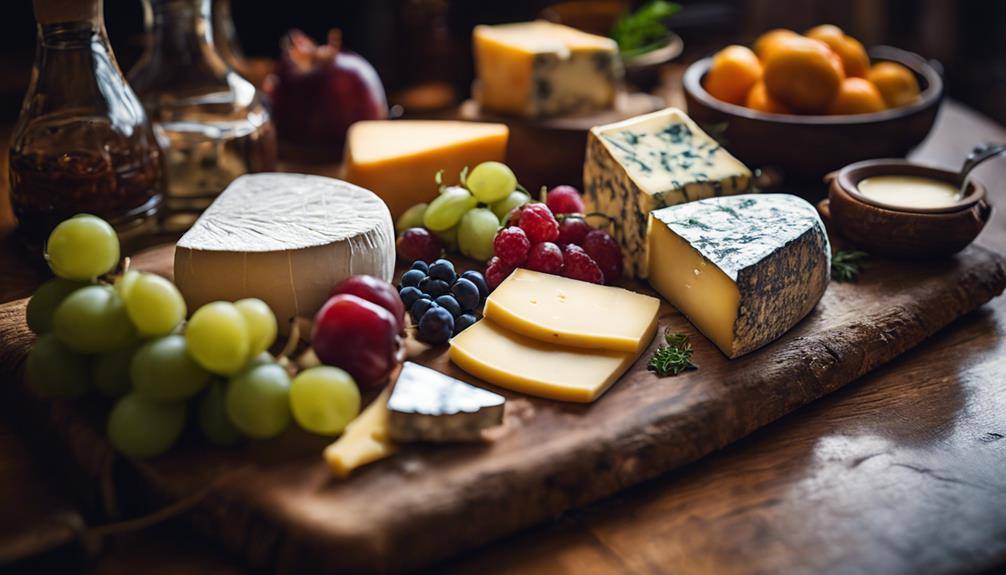
For a delightful twist on your cheese platters, smoking various cheeses can add a rich, complex flavor that enhances their natural qualities. Start with smoked gouda; its nutty profile becomes even more pronounced when smoked, making it a crowd-pleaser. Smoked cheddar is another fantastic option, offering a robust flavor that pairs perfectly with crackers or fruits.
Next, consider smoky mozzarella. This cheese retains its creamy texture while absorbing a delightful smokiness, making it ideal for salads or melt-in-your-mouth sandwiches. Smoked ricotta brings a unique twist to your dishes, providing a creamy base for spreads or dips. Pair it with chipotle cream for an extra kick.
Don’t forget about smoked brie; its buttery, rich taste is elevated when smoked, making it perfect for entertaining. You might also try smoked cream, enhancing desserts or savory dishes with a hint of smoke. Finally, smoked feta can transform your salads or Mediterranean-inspired dishes, adding a tangy and smoky flair. With these cheeses, you can easily impress your guests and elevate your culinary creations!
Equipment Needed
When you’re gearing up for smoking, the equipment you choose can greatly impact the flavor and texture of your food. For hot smoking, you’ll need a reliable smoker, which can be electric, charcoal, or gas-driven. Each type has its pros and cons, influencing your smoking techniques. If you prefer cold smoking, consider a dedicated cold smoker or an attachment that allows for temperature control.
Investing in a quality thermometer is vital for both methods. Monitoring internal temperatures guarantees your food cooks evenly and safely. You’ll also want to stock up on wood chips or chunks, as the type of wood directly affects the flavor profile of your smoked cheeses or meats. Experimenting with different varieties, like hickory or mesquite, can lead to exciting results.
Don’t forget about smoking racks or trays. These accessories help distribute heat and smoke evenly, enhancing the overall experience. Finally, proper equipment maintenance is key; regular cleaning keeps your smoker in top shape and prevents unwanted flavors from lingering.
Before you start, gather everything you’ll need. Having your equipment ready and well-maintained not only streamlines your smoking process but also elevates the final dish. So, whether you’re hot smoking a brisket or cold smoking some cheese, the right tools are essential for achieving mouthwatering results.
Safety Considerations
Smoking food can be a delicious endeavor, but safety should always be a top priority. When you’re smoking meat, fish, or vegetables, you need to keep in mind the importance of smoking safety and proper food handling practices. The temperature at which you smoke your food plays an essential role in preventing harmful bacteria from developing.
For hot smoking, make sure your meat reaches an internal temperature of at least 145°F (63°C) for safety. This guarantees that any potential pathogens are killed off. For cold smoking, the food often stays at lower temperatures, so it’s critical to use properly cured and aged meats to minimize risks. Always monitor your smoker’s temperature and use a reliable thermometer for accuracy.
Another key aspect of smoking safety is hygiene. Wash your hands thoroughly before and after handling food, and make sure that all utensils and surfaces are clean. Avoid cross-contamination by keeping raw meat separate from cooked food. If you’re marinating your food, do it in the refrigerator, not on the counter.
Common Mistakes
What common mistakes do novice smokers make that can ruin their culinary efforts? One major pitfall is over smoking issues. It’s easy to think that more smoke equals better flavor, but that’s not the case. If you overdo it, you can end up with an overpowering bitterness that masks the meat’s natural taste. Aim for a balanced approach to guarantee the smoke enhances, rather than overwhelms, your dish.
Temperature management is another critical aspect novice smokers often overlook. Whether you’re hot or cold smoking, maintaining the right temperature is essential for food safety and flavor development. For hot smoking, temperatures should typically be between 225°F to 275°F. If you let the temperature drop too low, you’ll end up with undercooked meat that can pose health risks. On the flip side, if it’s too high, you might end up with a dry, tough texture.
Additionally, don’t forget about prep work. Skipping brining or seasoning can lead to bland results. While it might seem like a hassle, proper preparation can elevate your smoking game considerably. Finally, be patient! Rushing the process can lead to uneven cooking and disappointment.
Pairing Suggestions
Pairing the right flavors with your smoked dishes can elevate your culinary experience to new heights. When you hot smoke meats, think about complementing their robust flavors with vibrant sides. For instance, smoked brisket pairs wonderfully with tangy coleslaw, creating a delicious contrast that balances richness with crunch. You might also consider serving it with a spicy barbecue sauce for an extra kick.
On the other hand, cold smoking often brings out subtler flavors. If you’re cold smoking fish, like salmon, you’ll want to enhance its delicate taste with light accompaniments. A citrus salad with grapefruit or orange segments can brighten the dish, while capers or dill add a nice herbal touch. You could also try pairing cold-smoked cheese with a fruity chutney, which creates a perfect balance of creaminess and sweetness.
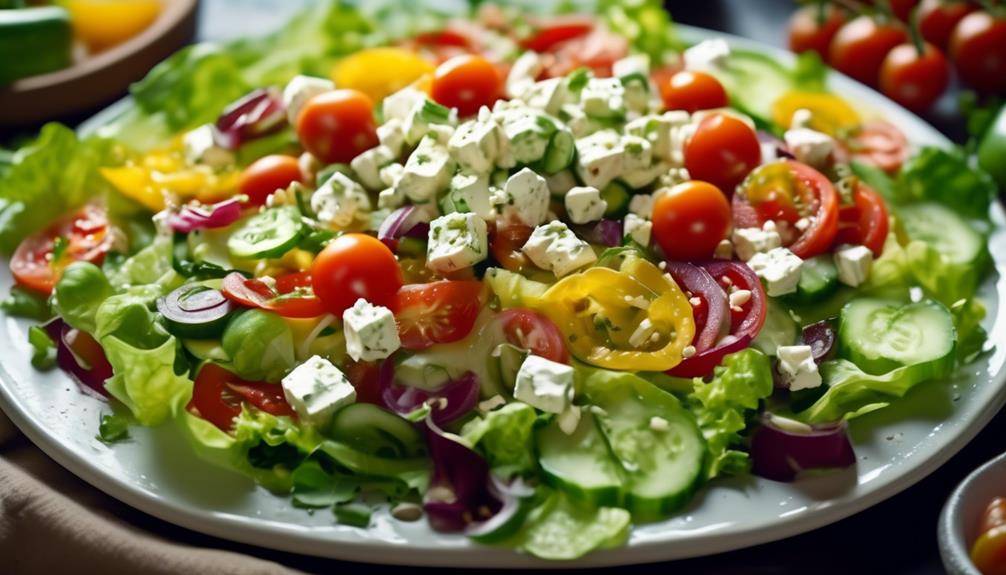
When it comes to vegetables, smoked bell peppers or zucchini can be a fantastic addition to your meal. Combine them with grains such as quinoa or farro for a satisfying side. You could also toss in feta cheese for a salty bite—an excellent example of flavor pairings that work beautifully together.
Lastly, don’t overlook beverages. A crisp white wine or a hoppy IPA often complements smoked dishes well. Experiment with these food combinations, and you’ll discover the perfect pairings that elevate your smoked creations. Enjoy the journey of taste and texture!
Tips for Success
To achieve the best results when smoking, it’s essential to set yourself up for success right from the start. Begin by selecting high-quality ingredients, whether you’re smoking meats, fish, or vegetables. Fresh and well-prepared items will greatly impact the final flavor. Next, familiarize yourself with various smoking techniques—each method can produce unique results. Hot smoking cooks food while infusing it with flavor, while cold smoking imparts a deeper, more complex taste.
Temperature control is critical. For hot smoking, maintain a steady heat to guarantee even cooking and prevent drying out your food. For cold smoking, keep the temperature low to avoid cooking the ingredients, focusing instead on flavor enhancement. Use a reliable thermometer to monitor the internal temperature of your smoker.
Don’t overlook the importance of wood selection. Different woods impart distinct flavors, so experiment with types like hickory, mesquite, or applewood to find your favorite. Soaking wood chips in water before use can create a longer-lasting smoke, enhancing the overall flavor profile.
Marinating or brining your food beforehand can also boost taste. This step adds moisture and seasoning, ensuring a more flavorful outcome. Finally, allow your smoked items to rest after cooking; this lets the flavors meld and develop, resulting in a more enjoyable eating experience. By following these tips, you’ll be well on your way to mastering the art of smoking and impressing your friends and family with delicious, smoky dishes.
Frequently Asked Questions: Best Guide To Hot Smoking Vs Cold Smoking
Can I Combine Hot and Cold Smoking Techniques?
You can definitely combine smoking techniques! Mixing hot and cold smoking allows you to create unique flavor profiles, enhancing your dishes with rich tastes. Experiment with different combinations to discover what works best for your culinary creations.
What Wood Types Are Best for Hot Vs Cold Smoking?
When choosing wood types, consider how the wood flavor complements your food. For shorter smoking durations, use stronger woods like hickory. For longer sessions, lighter woods like apple or cherry enhance the flavor without overwhelming it.
How Does Humidity Affect Smoking Processes?
Humidity affects smoking processes by altering moisture levels in your food. Higher humidity can slow drying, impacting flavor and texture. You’ll need to adjust your smoking technique to achieve the desired results under different humidity conditions.
Can I Smoke Vegetables Using These Methods?
Absolutely, you can smoke vegetables using various smoking techniques. Both methods enhance vegetable flavors, bringing out unique tastes. Experiment with different woods and temperatures to discover the best combinations that suit your palate!
Is It Possible to Smoke Food Indoors Safely?
Yes, you can smoke food indoors safely if you guarantee proper smoke ventilation. Use a well-ventilated area, like near windows, and invest in an indoor smoker designed for safety to minimize smoke buildup and hazards.

Conclusion
Whether you choose hot smoking or cold smoking, each method offers unique flavors and experiences. Hot smoking cooks your food while infusing it with smoky goodness, perfect for quick meals. Cold smoking, on the other hand, adds a delicate smoke flavor without cooking, ideal for preserving and enhancing ingredients. By understanding the differences and following our tips, you can confidently explore both techniques and elevate your culinary creations. Enjoy experimenting and savoring the delicious results!