Quick Techniques For Speedy Sushi Rolling
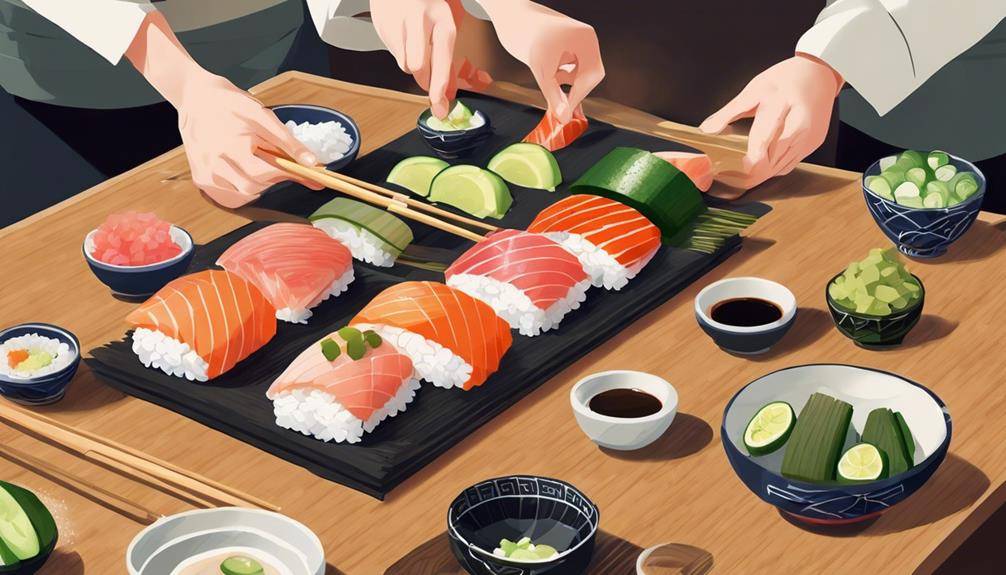
Quick Techniques For Speedy Sushi Rolling: To speed up your sushi rolling, start by gathering fresh ingredients and choosing short-grain rice for the best texture. Set up a clean workstation with a bamboo mat that's easy to access. Master the rolling technique by using the right rice-to-filling ratio and maintaining consistent pressure as you roll. Confirm your knife is sharp for quick, precise cuts. Practice portion control to avoid overstuffing, and don't forget to play with creative fillings for more variety. With these tips in mind, you'll be rolling sushi like a pro in no time—there's more to explore that can elevate your sushi skills!
Gather Your Ingredients
Click Here and Turn Every Masterpiece into a Showstopper!
To make delicious sushi rolls, you'll often want to gather your ingredients before diving in. Start by focusing on sourcing seafood. Fresh fish is essential for quality sushi, so visit a trusted fish market or grocery store that specializes in seafood. Look for vibrant colors and a clean scent; these are signs of freshness. If you're unsure, don't hesitate to ask the fishmonger for recommendations. You can opt for popular choices like tuna, salmon, or even shrimp, depending on your taste preferences.
Next, it's time for picking vegetables. Fresh veggies add crunch and flavor to your rolls, so choose a variety that complements your seafood. Consider cucumbers for their crisp texture, avocados for creaminess, and carrots for a touch of sweetness. Always select vegetables that are firm and free from blemishes. If you want to experiment, try including pickled radish for added zing or scallions for a mild onion flavor.
Don't forget about other staples like nori (seaweed sheets) and any sauces or condiments you'll want to use. Soy sauce, wasabi, and pickled ginger are popular options that enhance the overall experience. By gathering all your ingredients ahead of time, you'll streamline the rolling process and make it more enjoyable. With everything ready, you'll find yourself excited to create beautiful sushi rolls that not only taste great but also impress your friends and family!
Choose the Right Rice
Choosing the right rice is vital for achieving the perfect sushi roll. The key to great sushi lies in the rice varieties you select. For sushi, you should always opt for short-grain or medium-grain rice, as these types are sticky enough to hold together while rolling. This stickiness guarantees that your sushi maintains its shape and doesn't fall apart when you slice it.
When you're browsing for rice, look for terms like "sushi rice" or "shari." These designations indicate that the rice has the ideal characteristics necessary for sushi preparation. Avoid using long-grain rice, as it won't give you the sushi texture you're aiming for. Long grains are typically drier and won't clump together, making your sushi rolls challenging to handle.
It's also essential to rinse your rice before cooking. Rinsing removes excess starch, leading to a cleaner flavor and better texture. After rinsing, soak the rice for about 30 minutes to allow it to absorb water, which helps achieve that perfect al dente bite.
Once cooked, season your rice with a mixture of rice vinegar, sugar, and salt for that traditional sushi flavor. This step not only enhances the taste but also contributes to the desired sushi texture. So, take your time to choose the right rice and prepare it properly—this foundational step can make all the difference in your sushi rolling experience.
Prepare Your Workstation
A well-organized workstation is vital for efficient sushi rolling. Start by planning your workstation layout to guarantee that everything you need is within reach. Arrange your prep area so that tools like knives, cutting boards, and rolling mats are easily accessible. This efficient organization will save you time and prevent unnecessary movement.
Implement cleanliness practices to maintain a hygienic environment. Wipe down surfaces before you start and keep trash bins nearby to dispose of scraps quickly. Space management is key; make sure your workstation isn't cluttered, allowing you to focus solely on the task at hand.
An ergonomic setup can make a huge difference. Position your cutting board at a comfortable height to reduce strain on your back and shoulders. This setup will help you maintain good posture while rolling sushi, maximizing your workflow effectiveness.
Minimizing distractions is also essential. If possible, keep your workspace separate from high-traffic areas or noisy environments. Consider using ideal lighting to illuminate your prep area; good visibility will make it easier to see what you're doing and enhance your overall experience.
Use a Bamboo Mat
Using a bamboo mat is essential for achieving the perfect sushi roll. Make sure you position the mat correctly to support your rolling technique, which will help you create tight and even rolls. With a few simple tips, you'll master the art of sushi rolling in no time.
Proper Mat Positioning
Proper mat positioning is essential for rolling sushi efficiently and effectively. Start by making sure your bamboo mat is aligned correctly on a flat surface. This alignment not only helps with even rolls but also prevents any mess during the process. Depending on your preferences, select the right mat type; a standard bamboo mat is great for beginners, while a thicker mat offers more durability.
Remember, mat sizing matters too—choose a mat that fits your rolling style, whether you're making small or large rolls. Regular mat maintenance is key; after each use, clean your mat with warm water and a gentle cloth to avoid lingering odors or residue. Proper mat cleaning prolongs its life and maintains hygiene.
When you're done rolling, store your mat properly. Avoid folding it, as this can warp the shape. Instead, lay it flat or roll it loosely to preserve its integrity. These simple practices not only enhance your sushi-making experience but also guarantee that you get the maximum benefits from your mat, making each roll a delicious success.
Rolling Technique Tips
With your bamboo mat set up correctly, it's important to focus on your rolling technique. Begin by laying your nori sheet shiny side down on the mat. When sushi rolling, it's vital to spread your rice evenly, leaving about an inch at the top. Experiment with ingredient combinations to create diverse flavor profiles; fresh veggies, proteins, and creative toppings can elevate your sushi variations.
As you start to roll, use your fingers to tuck the filling in gently, applying steady pressure. Rolling challenges often arise if you roll too tightly or loosely, so find a balance. When you reach the exposed edge of the nori, moisten it with a bit of water to seal your roll securely.
For presentation techniques, consider slicing your sushi into even pieces and arranging them artfully on a plate. Remember to embrace cultural influences in your sushi etiquette – it's customary to serve soy sauce on the side, not drown your roll in it. Finally, don't hesitate to use rolling aids if you need extra support. With practice and creativity, you'll master the art of sushi rolling!
Master the Rolling Technique
Mastering the rolling technique is crucial for creating perfect sushi every time you sit down to make it. Whether you're experimenting with sushi variations or sticking to traditional recipes, your rolling skills can make or break your dish. Start by choosing your rolling style—whether it's hosomaki, uramaki, or temaki—each has its unique flair and flavor combinations.
As you roll, be mindful of common mistakes, like overstuffing or not using enough pressure. These can lead to a loose roll or one that falls apart. If you're using ingredient substitutions, verify they're compatible with your chosen rolling style to maintain flavor integrity. Remember, sushi etiquette suggests that sushi should be enjoyed fresh, so roll just before serving.
Cultural influences can also inspire your rolling technique. For instance, Japanese chefs often emphasize simplicity, while fusion styles might encourage more adventurous combinations. Presentation techniques play a crucial role too; a well-rolled sushi piece can elevate your dish's appeal.
Don't fall for sushi myths that suggest rolling is overly complicated. With practice, you'll find it's all about technique and confidence. Plus, making sushi at home offers health benefits, as you can control ingredients and portions. So, roll with pride, and don't hesitate to experiment—your sushi will reflect your personal touch, and soon enough, you'll be impressing friends and family with your rolling prowess!
Cut Ingredients Efficiently
Rolling sushi becomes much easier when you cut your ingredients efficiently. Start with proper ingredient selection. Choose fresh ingredients over frozen when possible to enhance flavor and texture. For your pre-rolling prep, focus on uniform sizes. This not only makes your sushi visually appealing but guarantees even distribution of flavors in each bite.
Mastering slicing techniques is key. Use a sharp, quality knife to improve your knife skills and make precise cuts. For vegetables, employ efficient chopping methods like the julienne or chiffonade. This will save you time and effort, allowing you to cut more ingredients quickly. If you're working with fish, consider using a slicing motion rather than a chopping one to maintain tenderness and avoid bruising the flesh.
When it comes to cutting board types, opt for a sturdy, non-slip board to keep your ingredients stable while you work. A wooden board is excellent for fish, while a plastic one is great for vegetables. This will help you maintain speed and safety during ingredient prep.
Incorporate speed tricks like batch processing. Cut multiple ingredients at once, grouping similar items together to streamline your workflow. Another tip is to keep your knife clean between cuts to prevent cross-contamination and preserve the integrity of flavors.
Click Here and Turn Every Masterpiece into a Showstopper!
Keep It Simple
When you roll sushi, sticking to essential ingredients makes the process quicker and easier. Focus on basic rolling techniques and minimal equipment to streamline your efforts. With these simple steps, you'll be well on your way to mastering speedy sushi rolls.
Essential Ingredients Only
Simplicity is key to creating delicious sushi that impresses without overwhelming. Focus on sushi essentials that elevate your rolls with minimal effort. Start with high-quality sushi rice, as it forms the foundation of your dish. Guarantee ingredient freshness for peak taste and texture variety.
Choose a few key ingredients that offer flavor balance and color contrast. For protein choices, consider fresh fish like salmon or tuna, or opt for regional specialties like eel or octopus. If you prefer vegetarian options, avocados, cucumbers, and pickled vegetables can add both flavor and crunch.
Don't forget to incorporate seasonal ingredients for the best nutritional value and taste. For instance, spring brings tender asparagus, while summer offers juicy mango.
Basic Rolling Techniques
How do you master the art of sushi rolling without getting overwhelmed? Start by understanding the basics. Sushi isn't just about the rice and fish; it's steeped in sushi history and cultural significance. Begin with the right ratio of rice to fillings, considering flavor profiles and health benefits. If you prefer vegetarian options, use ingredients like avocado or cucumber, which are delicious and satisfying.
When rolling, avoid common mistakes like overfilling or not wetting your hands—this helps keep the rice from sticking. Use a bamboo mat to guide your roll, applying even pressure as you go. Don't rush; a steady hand makes for a neat sushi roll.
Consider regional variations in your sushi; for instance, California rolls differ from traditional nigiri. Serve your creations with soy sauce, pickled ginger, and wasabi, and don't forget to pair drinks that enhance the flavors, like sake or green tea. Finally, practice sushi etiquette by enjoying your roll in a few bites, showcasing respect for this culinary art. With these basic rolling techniques, you'll roll with confidence and impress your friends!
Minimal Equipment Needed
Rolling sushi at home can be an enjoyable experience, especially when you keep your setup simple. You don't need an elaborate kitchen filled with fancy gadgets—just a few sushi essentials will do. Start with a bamboo mat, but if you don't have one, consider using a clean kitchen towel or a silicone baking mat as equipment alternatives.
Embrace a minimalist approach by limiting your gear to what's truly necessary. A sharp knife, a cutting board, and a bowl of water for your hands are all you need. For rolling aids, your hands can work wonders; just be sure to wet them to prevent sticking.
When it comes to prep shortcuts, pre-cooked ingredients speed up your process. Use compact gear that fits easily in your kitchen organization, allowing you to roll sushi without clutter.
If you're on a budget, DIY tools can save you money while still delivering results. Remember, space efficiency matters, so invest in versatile items that serve multiple purposes. With these tips, you'll be rolling sushi like a pro without breaking the bank or crowding your kitchen!
Experiment With Fillings
Exploring different fillings can elevate your sushi game and make each roll uniquely yours. Don't hesitate to mix traditional vs. modern fillings; you might surprise yourself with some unique flavor combinations. Start with classic ingredients like cucumber, avocado, or crab, then branch out by swapping in seasonal ingredients. For instance, fresh asparagus in spring or pumpkin in fall can add a delightful twist.
If you're leaning towards vegetarian sushi options, consider using pickled vegetable fillings for a tangy kick or a hearty mix of roasted bell peppers and mushrooms. Protein-packed fillings like marinated tofu, shrimp, or even grilled chicken can satisfy your hunger while keeping your rolls balanced.
Don't shy away from creative sauce pairings! A drizzle of spicy mayo, teriyaki, or even a tangy ponzu sauce can elevate your roll from good to extraordinary. If you're feeling adventurous, try fusion sushi ideas—like a Korean BBQ roll or a sushi burrito, blending flavors from different cuisines.
For dessert lovers, sweet dessert rolls filled with fruits like mango or strawberries and drizzled with chocolate sauce offer a delightful finish. And if you or your guests have dietary restrictions, gluten-free alternatives can still shine, using rice paper instead of traditional nori.
Experimenting with fillings not only enhances taste but also pushes your culinary creativity. So go ahead, mix, match, and customize your sushi rolls to reflect your personal taste!
Practice Portion Control
To make perfect sushi rolls, you've got to master portion control. Start by measuring the ideal amount of rice, then balance it with your chosen ingredients for a harmonious flavor. Knowing the right roll size will help you create sushi that's not only delicious but also visually appealing.
Ideal Rice Amount
Finding the ideal amount of rice for sushi can make all the difference in your rolling technique. When you're preparing your rice, focus on the right portioning to achieve the perfect rice texture. A common rule of thumb is to use about ½ to ¾ cup of cooked rice per sushi roll. Too much rice can make rolling difficult, while too little can result in a flimsy roll.
After soaking and cooking your rice, allow it to cool properly. This rice cooling process is essential for enhancing the rice texture and ensuring it adheres well to other ingredients. Don't forget to season the rice with a mix of rice seasoning for that authentic flavor; this will contribute to the overall taste of your sushi.
When you're done preparing your rice, be mindful of rice storage. Keep any leftover rice in an airtight container to maintain its quality for your next sushi-making session. Remember, experimenting with different rice varieties can also impact your sushi's flavor and texture, so feel free to try new options. Mastering rice preparation and portioning will elevate your sushi rolling game considerably.
Ingredient Balance Tips
Achieving the right balance of ingredients is key to rolling sushi that's not only delicious but also visually appealing. When you're preparing your sushi, remember that portion control is crucial. Use just enough filling to create flavor harmony without overwhelming the rice or nori. A good rule of thumb is to keep your fillings to about one-third of the width of your rice layer. This way, you'll guarantee that every bite is packed with taste but still maintains that perfect sushi structure.
Don't forget about texture contrast, either. Combine softer ingredients, like avocado or cream cheese, with crunchier elements, like cucumber or tempura flakes. This variety not only enhances flavor but also makes your sushi more interesting to eat.
Try to stick to a mix of colors and shapes for visual appeal. A well-balanced roll should include a blend of both vibrant vegetables and proteins. Finally, don't be afraid to experiment with different combinations, but always keep portion control in mind. By focusing on ingredient balance, you'll create sushi that's not only tasty but also a feast for the eyes.
Roll Size Guide
Mastering roll size is essential for creating sushi that's not just tasty but also easy to handle. Understanding sushi roll dimensions helps you avoid frustration when slicing. Aim for a standard width of about 2 inches and a length of 8 inches, but don't be afraid to experiment with roll thickness variations based on your filling choices.
For peak flavor and aesthetics, follow some filling distribution tips. Spread your filling evenly across the rice, leaving a small margin at the edges. This guarantees every bite is packed with flavor and maintains structural integrity.
When considering roll shape, think about the type of sushi you're making. A tighter roll might suit maki, while a looser style works better for uramaki.
Use a Sharp Knife
When it comes to sushi rolling, using a sharp knife is essential for achieving clean, precise cuts. The right knife selection can make all the difference in your sushi presentation. Opt for a high-quality chef's knife or a dedicated sushi knife, as the blade types specifically designed for this purpose will enhance your cutting techniques.
To maintain your knife's sharpness, invest in regular knife maintenance. Whetstones or honing rods can help keep the edge aligned, ensuring that you're always ready for slicing. Remember, a sharp knife not only speeds up your slicing speed but also reduces the risk of accidents, making safety tips critical to your sushi prep.
When cutting your rolls, focus on your knife grip. A firm yet relaxed hold allows for better control, enabling you to apply the right knife angles for precision cuts. Use a gentle sawing motion, rather than pressing down too hard, to help the knife glide through the ingredients smoothly. This technique will prevent squishing your sushi, which is essential for maintaining the integrity of the roll.
Practice different cutting techniques to find what works best for you. Experiment with slicing your rolls in one swift motion to minimize any tearing. Remember, the goal is to produce visually appealing pieces that maintain their shape. By following these guidelines, you'll elevate your sushi rolling game and impress everyone with your delicious creations.
Store Leftovers Properly
After you've enjoyed your sushi rolls, it's important to store any leftovers properly to maintain their freshness and flavor. Start by practicing proper wrapping techniques. Use plastic wrap to tightly cover individual rolls, guaranteeing minimal air exposure. This step is vital for sushi preservation, as it helps maintain flavor retention and ingredient longevity.
If you have multiple rolls, consider portion control. Wrap each roll separately to prevent them from sticking together. For longer storage, vacuum sealing is an excellent option. This method removes air and greatly extends the life of your sushi. Just remember that vacuum-sealed sushi should still be refrigerated or frozen soon after preparation.
When it comes to refrigeration tips, aim to consume your leftover sushi within 24 hours for the best taste. Store it in an airtight container in the fridge to keep it fresh. If you can't finish it within that timeframe, freezing methods come into play. Sushi can be frozen for about a month, but keep in mind that the texture may change once thawed. To maintain the best quality, freeze sushi without heavy sauces, as they can affect flavor and consistency.
Lastly, always label your leftovers with the date to track freshness. By following these steps for leftover storage, you'll guarantee that your sushi remains delicious and enjoyable even after the initial feast.
Click Here and Turn Every Masterpiece into a Showstopper!
Frequently Asked Questions: Quick Techniques For Speedy Sushi Rolling
What Type of Vinegar Is Best for Sushi Rice?
When choosing vinegar for sushi rice, you'll find rice vinegar's mild flavor profile works best. Some prefer seasoned sushi vinegar types, which add sweetness and complexity, enhancing your rice and overall sushi experience.
Can I Use a Different Type of Seaweed?
Absolutely, you can use alternative seaweed like nori, but you might also explore seaweed substitutes like dulse or kelp. Just remember, the flavor and texture may differ from traditional sushi seaweed. Enjoy experimenting!
How Long Does Sushi Last in the Refrigerator?
Sushi usually lasts about 24 hours in the refrigerator. For ideal sushi storage, wrap it tightly to maintain freshness. If you're unsure, check for off smells or changes in texture before eating.
Is It Necessary to Rinse Sushi Rice Before Cooking?
Yes, it's necessary to rinse sushi rice before cooking. Rinsing enhances sushi rice texture by removing excess starch, which prevents it from becoming gummy. You'll achieve a perfect balance of stickiness for your sushi creations!
Can I Make Sushi Without a Bamboo Mat?
Yes, you can make sushi without a bamboo mat! Use sushi rolling techniques like a towel or parchment paper instead. Get creative with your sushi filling ideas, like avocado, cucumber, or cooked shrimp. Enjoy your sushi!

Conclusion
Now that you've got the techniques to roll sushi like a pro, it's time to get creative in the kitchen! Remember, practice makes perfect, so don't be discouraged if your first few rolls aren't perfect. Keep experimenting with different fillings and flavors, and soon you'll impress friends and family with your homemade sushi. Just stay organized, use the right tools, and enjoy the process. Happy rolling!