Convection Oven Bread Baking: Top Tips Revealed
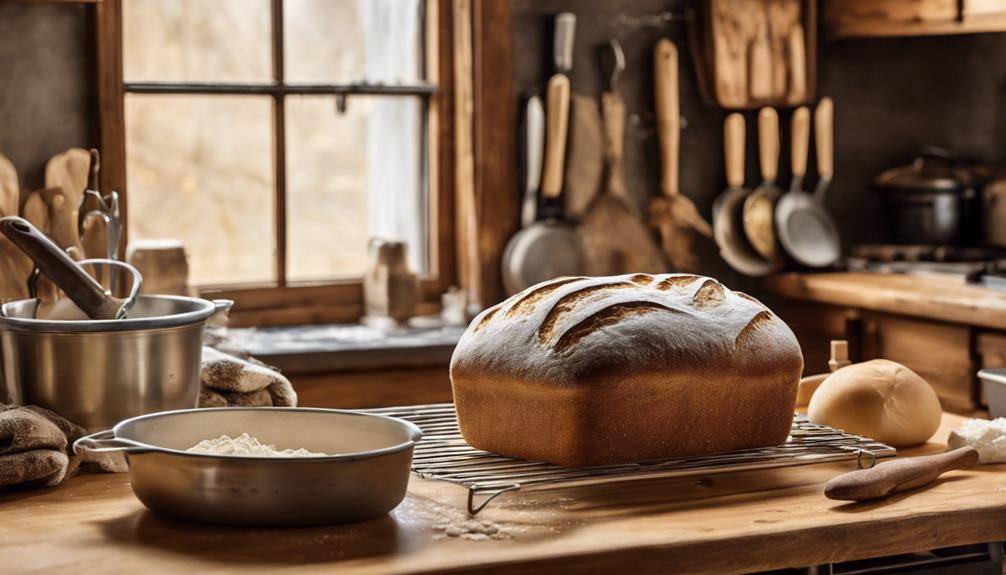
Convection Oven Bread Baking: Top Tips Revealed: When baking bread in a convection oven, start by preheating it for 15 to 20 minutes to guarantee an even bake. Set your temperature about 25°F lower than a conventional oven, typically between 350°F and 425°F, depending on the bread type. You'll notice faster baking times, so check the bread about 20% sooner. To achieve a crispy crust, consider using metal pans or preheating your bakeware. Always look for a golden-brown color and a hollow thump when checking doneness. Ready for more tips to make your baking experience even better?
Understanding Convection Ovens
Click Here and Turn Every Masterpiece into a Showstopper!
A convection oven is a versatile kitchen appliance that uses a fan to circulate hot air around your food, guaranteeing even cooking and browning. Understanding the convection oven basics can elevate your baking game, especially when it comes to bread. Unlike traditional ovens, where heat rises and creates hot spots, a convection oven's fan circulation effects distribute heat uniformly. This means you'll get a more consistent bake, leading to perfectly risen loaves with a beautiful crust.
When you turn on the convection setting, the fan pulls air from inside the oven and pushes it around, effectively reducing the cooking time. This efficient airflow helps maintain a steady temperature, which is vital for baking bread. With this consistent heat, you're less likely to encounter undercooked centers or burnt exteriors.
Another advantage of convection ovens is their ability to bake multiple trays of bread simultaneously. The fan guarantees that all loaves receive the same amount of heat, so you won't have to rotate trays halfway through baking. This feature is particularly useful if you're experimenting with various bread recipes.
However, it's important to familiarize yourself with your specific oven model since fan speeds and heat distributions can vary. By grasping these convection oven basics and understanding the fan circulation effects, you'll be well on your way to mastering the art of bread baking. Embrace the power of convection, and enjoy the delicious results!
Adjusting Baking Times
When baking bread in a convection oven, you'll need to adjust your baking times and temperatures for the best results. Since convection ovens circulate heat more evenly, you might find that your bread bakes faster than in a conventional oven. Keep an eye on the doneness to guarantee you achieve that perfect crust and soft interior.
Temperature Adjustments Needed
Baking bread in a convection oven requires some temperature adjustments to achieve that perfect crust and fluffy interior. The oven fan circulates heat more efficiently, which means you often need to lower the temperature by about 25°F (14°C) compared to conventional baking. This helps with even heat distribution, guaranteeing that all sides of your bread cook uniformly.
Different bread types and loaf shapes can also affect your baking time. For denser bread like sourdough, you might need to increase the time slightly to guarantee proper crust formation, while lighter, airier loaves may bake faster. Keep an eye on dough hydration as well; wetter doughs can benefit from a bit of extra time to allow for moisture retention.
Using the right baking sheets can also impact your results. Opt for dark, non-stick sheets for crustier bread, as they absorb heat better. Remember, your convection oven's heat dynamics are unique, so it's important to experiment a bit. Adjust your baking times based on your specific bread recipes, and you'll soon master the art of convection baking.
Monitoring Doneness Effectively
Knowing how to monitor doneness effectively is key to achieving the perfect loaf. Start by observing color changes; your bread should have a golden-brown crust when it's nearly done. This visual cue is your first indicator that it's time to check for doneness.
Next, pay attention to aroma indicators. As your bread bakes, the smell will become increasingly fragrant. A rich, warm aroma usually means it's close to finished. Don't ignore this sensory cue!
For a more precise check, you can perform texture checks. Gently tap the bottom of the loaf—if it sounds hollow, it's likely done. This method gives you a tangible sense of doneness.
Temperature Settings Explained
When baking bread in a convection oven, understanding the ideal temperature range is essential for achieving the perfect crust and crumb. You'll also need to adjust for convection heat, as it circulates air differently than traditional ovens. Plus, don't underestimate the importance of preheating; it sets the stage for your bread's best rise and texture.
Ideal Baking Temperature Range
Typically, the ideal baking temperature range for convection ovens lies between 350°F and 425°F. Choosing the right baking temperature is essential for achieving the perfect bread texture. At 350°F, your bread will develop a nice crust while remaining soft and moist inside. This lower temperature is great for denser breads like whole grain or sourdough.
As you increase the temperature to around 375°F to 425°F, you'll notice a faster crust formation. This range works well for lighter, airier breads, giving them a beautiful golden-brown exterior. However, be cautious; baking bread at higher temperatures can sometimes lead to a burnt crust before the inside cooks through.
Keep in mind that convection ovens tend to bake more evenly and efficiently than traditional ovens, so you might find that bread bakes a bit quicker than expected. It's a good idea to check on your loaf a few minutes earlier than the recipe suggests, especially when working within this ideal temperature range. Finding the perfect baking temperature helps you achieve a desirable balance between crust and crumb, so experiment within this range to see what works best for your favorite recipes.
Adjusting for Convection Heat
Adjusting your baking temperature for convection heat is vital for achieving the best results. Convection ovens circulate hot air, which means they cook food more evenly and often faster than traditional ovens. To take advantage of these convection advantages, you'll need to lower your baking temperature by about 25°F (14°C) from what you'd use in a conventional oven.
For instance, if a recipe calls for baking bread at 375°F, set your convection oven to 350°F instead. This adjustment guarantees your bread rises properly without overbaking the crust. Additionally, keep an eye on the baking time; convection methods may reduce it by about 20%.
When you're using convection baking techniques, it's good practice to check your bread a few minutes earlier than the recipe suggests. This way, you can avoid any potential overbaking. Remember, every oven is different, so don't hesitate to experiment a bit while you get familiar with how your convection oven performs. With these adjustments, you'll be well on your way to producing perfectly baked bread every time!
Preheating Importance Explained
Preheating your convection oven is a vital step that shouldn't be overlooked. When you preheat, you're allowing your oven to reach ideal temperatures before you place your bread inside. This is important because it guarantees even cooking and helps achieve that perfect crust you're aiming for.
One of the main preheating benefits is that it creates the right environment for your dough to rise properly. If your oven isn't hot enough, your bread may bake unevenly, leading to a dense texture instead of the light, airy result you want.
Most recipes recommend preheating to temperatures ranging from 350°F to 450°F, depending on the type of bread you're making. For artisan loaves, a hotter temperature can enhance crust formation, while softer breads often call for a moderate heat.
A good rule of thumb is to give your convection oven at least 15 to 20 minutes to preheat. This guarantees the heat circulates evenly throughout the oven. So, never skip this step; it's essential for baking delicious bread that's sure to impress.
Choosing the Right Bread Recipe
Selecting the right bread recipe is essential for achieving that perfect loaf in your convection oven. With so many options out there, you'll want to contemplate the type of bread you're aiming to create. If you're drawn to the tangy flavor and chewy texture of sourdough, you'll need to familiarize yourself with sourdough techniques. These methods often require a starter and longer fermentation times, which can enhance the bread's flavor and crumb structure.
When it comes to yeast types, you have a few choices. Active dry yeast and instant yeast are popular for quick bread recipes, while fresh yeast can add a unique flavor to your loaf. Each yeast type behaves differently, so make sure to adjust the recipe accordingly. If you're experimenting with sourdough, remember that your starter should be active and bubbly for the best results.
You'll also want to contemplate the hydration level of your dough. Recipes can vary from low hydration, which yields a denser loaf, to high hydration, resulting in an airy crumb. Depending on your preferences, choose a recipe that matches your desired outcome.
Don't shy away from trying different recipes to find what suits your taste. Keep in mind the unique characteristics of convection ovens, like their ability to circulate hot air, which can affect baking times and crust formation. With the right recipe, you'll be well on your way to baking delicious bread in your convection oven.
Preparing Your Dough
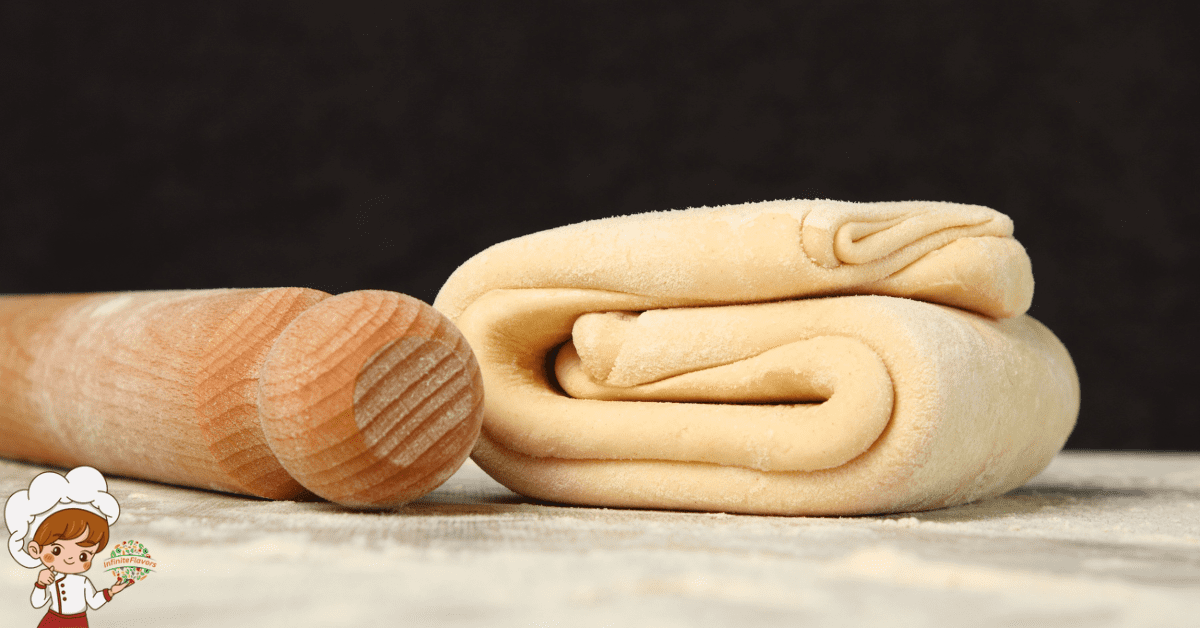
Getting your dough ready is a crucial step in the bread-making process, and it can make all the difference in your final product. Start by measuring your ingredients accurately, especially flour and water. The hydration levels in your dough greatly impact its texture and flavor. A higher hydration level usually results in a softer crumb and a crusty exterior, while lower hydration yields a denser loaf.
Once you've mixed your ingredients, it's time to knead. Kneading techniques vary, but the goal is always the same: develop gluten. You can use the traditional method, where you push the dough away with the palms of your hands and fold it back over itself, or opt for the stretch and fold method, which is gentler and often preferred for high-hydration doughs. Regardless of the technique, you should knead until the dough is smooth and elastic.
Don't forget to let your dough rise! Bulk fermentation allows flavors to develop, so cover it and let it rest in a warm spot. Depending on your recipe, you may need to punch it down and shape it again after the first rise.
Click Here and Turn Every Masterpiece into a Showstopper!
Using the Right Bakeware
The type of bakeware you choose can greatly influence how your bread turns out. When baking in a convection oven, the right materials and shapes can make all the difference. Opt for bakeware materials that conduct heat evenly, like metal or ceramic. Metal pans, especially those made from stainless steel or aluminum, work well because they heat up quickly and promote browning. If you prefer a crusty exterior, consider using cast iron or stoneware, which retain heat beautifully.
Bakeware shapes also play a significant role in your bread's texture. For loaf bread, a standard rectangular pan is ideal, providing the classic shape and structure. If you're after a more artisanal look, try a round or oval pan. These shapes allow for good air circulation, enhancing the crust and crumb. Additionally, verify that your bakeware is the right size; too small, and your bread might overflow, too large, and it may not rise properly.
Don't forget about non-stick options! While they can be convenient, it's important to check that they can withstand the high temperatures of convection baking. Whatever you decide, always preheat your bakeware in the oven to create a perfect environment for your bread. By carefully selecting your bakeware materials and shapes, you set the stage for a delicious loaf that's sure to impress. Happy baking!
Monitoring Bread Doneness
Knowing when your bread is perfectly baked can be a bit tricky, but there are reliable methods to guarantee you get it just right. One of the best ways to monitor doneness is by keeping an eye on visual cues. Look for a golden-brown crust that's firm to the touch. If you notice the bread has risen well and the surface is evenly browned, you're likely on the right track.
Another vital aspect is checking the internal temperature. Use an instant-read thermometer to measure the center of your loaf; it should read between 190°F and 210°F (88°C to 99°C) for most breads. If it's below this range, it may need more time in the oven. Don't just rely on time alone, as oven temperatures can vary.
You can also perform the "thump test." Gently tap the bottom of the loaf; a hollow sound indicates that it's done. If it sounds dense, give it a few more minutes.
Achieving Optimal Crust
Achieving the perfect crust on your bread can elevate its flavor and texture greatly. The crust plays a crucial role in the overall experience, affecting everything from crust texture to crust flavor. To start, consider the thickness of your crust. A thicker crust can provide a delightful crunch, while a thinner one allows the soft inside to shine.
Next, focus on crust color. A golden-brown crust not only looks appealing but also signals a well-baked loaf. To achieve this, you can employ various crust techniques such as using a convection oven, which circulates hot air for even browning. Adjusting the crust humidity during baking can also make a difference; adding steam in the initial baking phase can create a crispier outer layer.
For added flair, consider crust glazing. A simple egg wash or milk can enhance crust color and flavor, giving it a shiny finish. Don't forget about crust toppings; seeds or herbs sprinkled on before baking can add texture and taste.
While traditional methods are excellent, exploring crust alternatives, like using different flours or adding fats, can yield unique results. Finally, be mindful of crust shaping. How you shape your dough can influence how the crust forms during baking, so take your time to create an aesthetically pleasing loaf. By mastering these elements, you'll not only achieve ideal crust but also enhance the overall enjoyment of your homemade bread.
Storing Baked Bread Properly
Storing baked bread properly guarantees it stays fresh and delicious for days to come. To maintain bread freshness, you need to take into account a few key elements. First, if you don't plan to eat your bread within a few days, freezing bread is a smart choice. Wrap it tightly in plastic wrap or foil to minimize exposure to air and prevent freezer burn. When you're ready to enjoy it, let it thaw at room temperature for the best texture.
For short-term storage, keep bread in a cool, dry place. Use airtight containers or resealable bags to protect it from air and moisture. This helps maintain bread moisture and prevents it from becoming stale. Be mindful of pantry conditions; avoid areas that get too warm or humid, as these can accelerate spoilage.
When slicing your bread, take into account using proper slicing techniques. It's best to slice only what you need. Leaving the rest whole will help preserve its freshness, as the crust acts as a barrier against air and moisture. If you do slice the entire loaf, store it in an airtight container with a piece of parchment paper to absorb excess moisture.
Click Here and Turn Every Masterpiece into a Showstopper!
Frequently Asked Questions: Convection Oven Bread Baking: Top Tips Revealed
Can I Bake Multiple Loaves of Bread at Once in a Convection Oven?
Yes, you can bake multiple loaves in a convection oven. Just remember to adjust the baking time and temperature slightly, as the increased load may require a few extra minutes for even cooking.
Do Convection Ovens Require Preheating Before Baking Bread?
Yes, you should preheat your convection oven before baking bread. This guarantees consistent oven temperature, which helps achieve the right baking times. Without preheating, your bread may not rise or cook properly, impacting the final result.
How Does Humidity Affect Bread Baking in a Convection Oven?
Humidity levels greatly affect bread texture in a convection oven. Higher humidity can create a softer crust and moister crumb, while low humidity may lead to a drier loaf. Monitor humidity for best results!
Can I Use Frozen Dough in a Convection Oven?
Yes, you can use frozen dough in a convection oven. The convection benefits, like even heat distribution, help the dough rise beautifully. Just remember to thaw it properly for the best results before baking.
What Common Mistakes Should I Avoid When Baking Bread in a Convection Oven?
When baking bread, avoid setting the oven temperature too high, as it can lead to uneven cooking. Also, guarantee your dough rising is sufficient; under-risen dough results in dense loaves. Pay attention to these details!

Conclusion
Baking bread in a convection oven can be a game changer for your kitchen. By understanding how these ovens work and making a few adjustments to your recipes, you can achieve delicious results every time. Remember to monitor your bread closely and store it properly to maintain that fresh-baked flavor. With these tips in hand, you're ready to create amazing loaves that'll impress your family and friends. Happy baking!