Ultimate Guide: Perfect Wine Pairings For Seafood
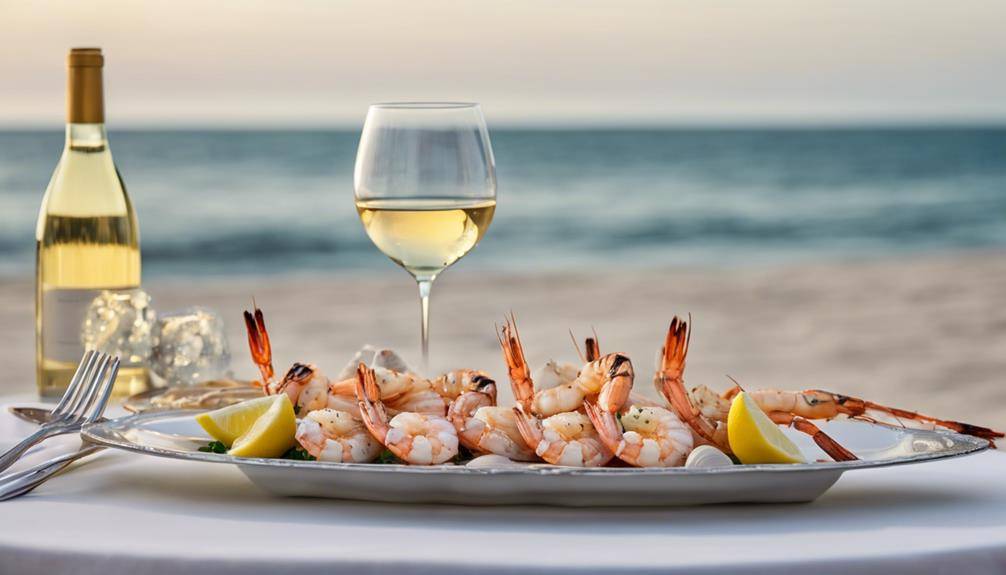
Guide: Perfect Wine Pairings For Seafood: Pairing wine with seafood can elevate your meal considerably. For lighter dishes like grilled shrimp or white fish, opt for a crisp Sauvignon Blanc or an Albariño. If you're enjoying richer shellfish, consider a buttery Chardonnay that complements flavors beautifully. Don't forget sparkling wines like Champagne, which go perfectly with oysters. The cooking method also matters; for instance, grilled seafood shines with a vibrant rosé. Remember, high acidity wines enhance freshness while lower tannins work best with delicate flavors. To fine-tune your pairings, there's so much more to explore about enhancing your seafood experience.
Understanding Wine Basics
Click Here and Turn Every Masterpiece into a Showstopper!
When it comes to wine, a solid grasp of the basics can make all the difference in enhancing your dining experience. Understanding wine acidity and tannin levels is essential as these elements considerably influence how a wine interacts with food, especially seafood.
Wine acidity refers to the tartness or freshness of the wine. High acidity can elevate seafood dishes, balancing their flavors and cutting through richness. For instance, a crisp Sauvignon Blanc or a zesty Vermentino can brighten up a plate of grilled fish or shrimp, making each bite more enjoyable. You'll find that wines with good acidity not only enhance the dish but also cleanse your palate between bites.
On the other hand, tannin levels are more prominent in red wines and can affect your pairing choices. Tannins can create a drying sensation in your mouth, which might not always work well with delicate seafood flavors. If you opt for a red wine with seafood, look for those with lower tannin levels, like a light Pinot Noir. This way, you'll avoid overwhelming the dish and create a harmonious balance.
Choosing the Right Wine
Selecting the right wine for seafood can elevate your meal to new heights. To achieve that perfect pairing, you'll want to contemplate a few key factors. First, think about the wine acidity. Generally, higher acidity wines complement seafood beautifully by cutting through rich flavors and enhancing freshness.
Next, take flavor intensity into account. Lighter seafood dishes, like shrimp or scallops, typically work well with crisp, light whites, while richer options, such as salmon, may benefit from a fuller-bodied wine. Tannin levels are also essential; red wines with high tannins can overshadow delicate seafood, so opt for low-tannin choices, if you prefer reds.
Food texture plays a significant role as well. For example, grilled fish has a different mouthfeel than poached fish, which influences your wine selection. Regional varieties can offer delightful surprises; a local wine from the same region as your seafood can create a harmonious experience.
Wine aging is another factor. Aged whites can add complexity to your meal, while young wines tend to emphasize freshness. Adhering to pairing principles will help you strike a balance; aim for wines that echo the dish's flavors without overpowering them. Ultimately, focus on palate balance, which guarantees that both the seafood and wine shine together. By keeping these elements in mind, you'll confidently choose the perfect wine to enhance your seafood dining experience.
White Fish Pairings
White fish, known for its mild flavor and delicate texture, pairs beautifully with a variety of wines that enhance its subtle qualities. When you're enjoying dishes made from sustainable seafood like cod, halibut, or sole, you'll want to reflect on wines that complement without overpowering. A crisp Sauvignon Blanc is a fantastic choice; its bright acidity and herbal notes can elevate the fish's freshness. If you prefer something a bit richer, a lightly oaked Chardonnay can add creaminess that works well with more substantial white fish.
For local varieties, you might explore a invigorating Albariño, especially if you're near the coast. This Spanish wine's zesty nature pairs perfectly with grilled or baked white fish, enhancing the dish's flavors while maintaining a light touch. If you're in a region known for its Riesling, don't hesitate to try it! A dry Riesling can be a delightful match, as its fruitiness balances the fish's mildness, especially in dishes with a touch of spice.
When preparing your meal, think about the cooking method as well. If you're pan-searing your fish with herbs, a Pinot Grigio can harmonize beautifully with those flavors. Remember, the goal is to celebrate the delicate profile of the white fish while allowing the wine to enhance the overall dining experience. Enjoying these pairings can make your seafood meal truly special, showcasing the best of what sustainable seafood has to offer.
Rich Shellfish Selections
When it comes to rich shellfish selections, finding the right wine can elevate your meal to new heights. You'll want to contemplate the unique flavor profiles of shellfish like lobster and scallops, as they pair beautifully with specific wines. Let's explore the best matches to enhance your dining experience.
Best Wine Matches
Rich shellfish selections, such as lobster and scallops, call for equally luxurious wine pairings that enhance their flavors. When enjoying these delectable dishes, you'll want to choose wines that complement their richness without overpowering them. A classic match for lobster is a buttery Chardonnay from a renowned wine region like Napa Valley. Its creamy texture and hints of oak elevate the sweet meat of the lobster beautifully.
For scallops, consider a crisp Sauvignon Blanc, particularly one from New Zealand. Its zesty acidity perfectly balances the delicate sweetness of the scallops, making each bite a delight. If you're looking for something unique, try a dry Riesling, which offers a hint of fruitiness that pairs surprisingly well with both shellfish options.
Don't forget about sustainable seafood practices! Supporting sustainable fisheries not only helps protect our oceans but can also enhance your dining experience. Look for wines produced in regions that prioritize environmental responsibility. By choosing wines that echo your commitment to sustainability, you can enjoy the perfect pairing while supporting our planet. Cheers to delightful combinations that celebrate both flavor and conscience!
Flavor Profiles Explained
Understanding flavor profiles is essential for enhancing your seafood dining experience, especially with rich shellfish selections. Rich shellfish like lobster, crab, and scallops boast a creamy, buttery texture and a naturally sweet flavor intensity that can easily overpower less robust wines. To complement these luxurious dishes, you'll want to focus on wines that maintain a good acidity balance, which refreshes the palate and cuts through the richness.
Consider white wines like Chardonnay or Viognier. Their full-bodied nature and hints of stone fruit harmonize beautifully with the sweetness of shellfish. Alternatively, a sparkling wine like Champagne can elevate the dining experience, as its bubbles and acidity balance the richness while adding a celebratory touch.
When choosing your wine, pay attention to the flavor intensity; you don't want a light wine to be overshadowed by the bold flavors of your shellfish. Aim for a wine that matches the richness of your dish, ensuring a delightful pairing. By understanding these flavor profiles, you can create a more enjoyable seafood experience that highlights the best of both the food and the wine.
Light and Flaky Fish
When you're enjoying light and flaky fish, choosing the right white wine can enhance your meal considerably. You'll want to reflect on how the cooking method and flavor profiles of the dish interact with your wine selection. Let's explore the ideal pairings that will elevate your dining experience.
Ideal White Wines
For light and flaky fish, selecting the right white wine can elevate your meal to new heights. You'll want to focus on crisp, invigorating wine varietals that complement the delicate flavors of your dish. Sauvignon Blanc is a fantastic choice, known for its zesty acidity and vibrant citrus tasting notes. This wine can enhance the freshness of your fish without overpowering it.
Another excellent option is Pinot Grigio, which offers a light-bodied profile with notes of green apple and pear. Its clean finish pairs beautifully with grilled or baked fish, highlighting the dish's subtle flavors. If you prefer something a bit richer, consider a Chardonnay. Opt for unoaked varieties, which deliver bright acidity and hints of stone fruit, making them ideal for dishes like sole or tilapia.
Lastly, don't overlook Albariño, a Spanish varietal that's gaining popularity. Its crispness and floral tasting notes can add an exciting twist to your seafood experience. When you choose one of these ideal white wines, you'll enhance your meal and create a memorable dining experience. So, grab a bottle and enjoy the perfect pairing!
Complementary Flavor Profiles
A variety of complementary flavor profiles can enhance the experience of light and flaky fish. When choosing a wine, think about how its characteristics interact with the fish's delicate flavors. You'll want to achieve a harmonious umami balance, which means selecting wines that can either enhance the fish's natural flavors or add a new dimension to them.
One effective way to create this balance is by considering acidity contrast. Light and flaky fish, such as sole or cod, often have subtle flavors that benefit from a crisp, acidic wine. A Sauvignon Blanc or a dry Riesling can lift the dish, cutting through any richness while accentuating the fish's freshness.
Alternatively, if you lean towards richer preparations, consider a wine with a bit more body, like a lightly oaked Chardonnay. This can provide a creamy texture that complements the fish while still maintaining that essential acidity.
Ultimately, the key is to balance the flavors without overpowering the fish. By paying attention to umami and acidity, you can elevate your seafood experience to new heights.
Cooking Methods Influence Pairing
Cooking methods play an essential role in determining the best wine pairings for light and flaky fish. When you're enjoying sautéed seafood, a crisp Sauvignon Blanc enhances its delicate flavors. Roasted fish pairs nicely with a Chardonnay, which complements the richness. For poached shellfish, consider a dry Riesling to balance the subtle sweetness. If you're having fried calamari, opt for a sparkling wine to cut through the greasiness.
Smoked salmon is delightful with a Pinot Noir, offering a beautiful contrast. Grilled shrimp calls for a vibrant dry rosé, while baked cod shines with a light Pinot Grigio. Steamed mussels can be paired with a revitalizing white like Vermentino. For more adventurous dishes like sous vide seafood or broiled lobster, an oaked white can elevate the experience.
If you're indulging in pan-seared scallops, go for a rich white Burgundy. A ceviche pairing works best with a zesty Sauvignon Blanc. For barbecue fish, a fruity Zinfandel adds depth, while curry seafood demands an aromatic Gewürztraminer. Finally, tempura shrimp is perfect with a chilled dry sake. These pairings enhance your seafood experience, making each meal memorable.
Hearty Seafood Stews
Savoring a warm bowl of hearty seafood stew can be one of the most comforting dining experiences, especially on a chilly evening. The blend of fresh ingredients like shrimp, mussels, and fish creates a symphony of hearty flavors that warms you from the inside out. The rich, savory broth envelops the seafood, enhancing the stew textures and making each spoonful a delight.
When you're enjoying a seafood stew, the right wine can elevate your meal to new heights. You'll want to choose a wine that complements the robust flavors without overpowering them. A full-bodied white wine, such as a Viognier or an oaked Chardonnay, can work wonders. These wines often have enough body to stand up to the hearty flavors of the stew while providing a revitalizing contrast to the richness.
If you prefer red, consider a light-bodied option like a Pinot Noir. Its acidity and subtle red fruit notes can cut through the stew's richness, balancing the dish beautifully. You might also explore a Grenache, which adds a touch of spice that can enhance the stew's flavor profile.
Ultimately, the key is to find a wine that complements the dish and enhances your overall dining experience. So, as you dig into that bowl of hearty seafood stew, pour yourself a glass of your chosen wine, and savor every moment of this comforting meal.
Click Here and Turn Every Masterpiece into a Showstopper!
Oysters and Wine
When it comes to pairing oysters with wine, you can't go wrong with classic options like Champagne or Sauvignon Blanc. You might also want to explore regional wines that complement the briny flavor of oysters. Don't forget to take into account serving temperatures, as the right chill can enhance your tasting experience.
Classic Pairing Options
Oysters and wine create a classic pairing that elevates any dining experience. When you're enjoying fresh, seasonal seafood like oysters, you'll want to choose a wine that complements their briny, delicate flavor. Crisp white wines, like a Sauvignon Blanc or a Chablis, are often your best bet. These wines' acidity cuts through the richness of the oysters, enhancing their natural taste.
As you select your wine, consider the importance of sustainability practices in both seafood and wine production. Opting for oysters sourced from sustainable farms supports ecological balance and guarantees you're making a responsible choice. Many regions now prioritize methods that protect marine life while delivering high-quality shellfish. This not only benefits you but also helps preserve the environment.
Pairing oysters with a sparkling wine, such as Champagne or a dry Prosecco, is another timeless option. The effervescence adds a delightful contrast to the oysters, making each bite and sip a memorable experience. So, whether you're hosting a fancy dinner or enjoying a casual outing, don't underestimate the power of this classic pairing. It's sure to impress and elevate your meal to new heights.
Regional Wine Recommendations
To truly enhance your oyster experience, consider regional wine recommendations that highlight local flavors. When you enjoy fresh oysters, pairing them with wines from the same region can elevate your meal. Think about the local varietals that thrive in your area. For instance, if you're in the Pacific Northwest, a crisp Oregon Pinot Gris or a Washington Sauvignon Blanc can beautifully complement the brininess of your oysters.
In the Gulf Coast region, opt for a chilled Muscadet, which pairs wonderfully with the local seafood. These wines showcase the regional terroir, bringing forth the unique characteristics of the land and sea. If you find yourself on the East Coast, a dry Riesling from New York can enhance the delicate sweetness of the oysters while balancing their saltiness.
Serving Temperature Tips
The right serving temperature can make a significant difference in your enjoyment of oysters and their wine pairings. Oysters are best served chilled, typically between 45°F and 50°F (7°C to 10°C). This temperature range enhances their briny flavors and maintains a cool taste that complements the crispness of your chosen wine.
To achieve the ideal temperature, you can use various chilling techniques. For instance, place your oysters on a bed of crushed ice right before serving. This not only keeps them cold but also adds an appealing presentation. If you're serving wine alongside, chill it in the fridge for about an hour or use an ice bucket filled with a mix of ice and water for quicker results.
When it comes to pairing wines, consider serving a crisp, invigorating white like a Sauvignon Blanc or a dry Champagne at around 45°F. These wines enhance the oysters' delicate flavors without overpowering them. Remember, the right temperature makes all the difference in enjoying the perfect pairing. So, take the time to chill both your oysters and wine properly for a delightful dining experience.
Grilled Seafood Options
Grilling seafood brings out its natural flavors and adds a delightful smoky char that elevates any dish. When you think of grilled seafood options, grilled shrimp often comes to mind. These little crustaceans soak up marinades beautifully, making them a versatile choice for your next barbecue. You can whip up a simple seafood marinade with olive oil, garlic, lemon juice, and your favorite herbs. Let the shrimp marinate for about 30 minutes before grilling to achieve the best flavor.
Another fantastic option is grilled fish, such as salmon or swordfish. These heartier varieties hold up well on the grill and can be seasoned with a variety of spices and marinades. A citrus-based marinade can add a zesty kick that pairs perfectly with the rich flavors of the fish. Simply brush the marinade on before tossing the fillets onto the grill for a delightful smoky finish.
Don't overlook shellfish, either! Grilled scallops or lobster tails are impressive additions to any seafood spread. For scallops, a quick marinade of butter and herbs will enhance their natural sweetness. Lobster tails can be split and brushed with garlic butter, then grilled until just cooked through for a luxurious treat.
No matter which grilled seafood option you choose, remember that the key is in the marinade. With the right blend of flavors, you'll bring out the best in your seafood, making it a memorable meal. Pair it all with the perfect wine, and you're set for a fantastic dining experience!
Wine for Sushi
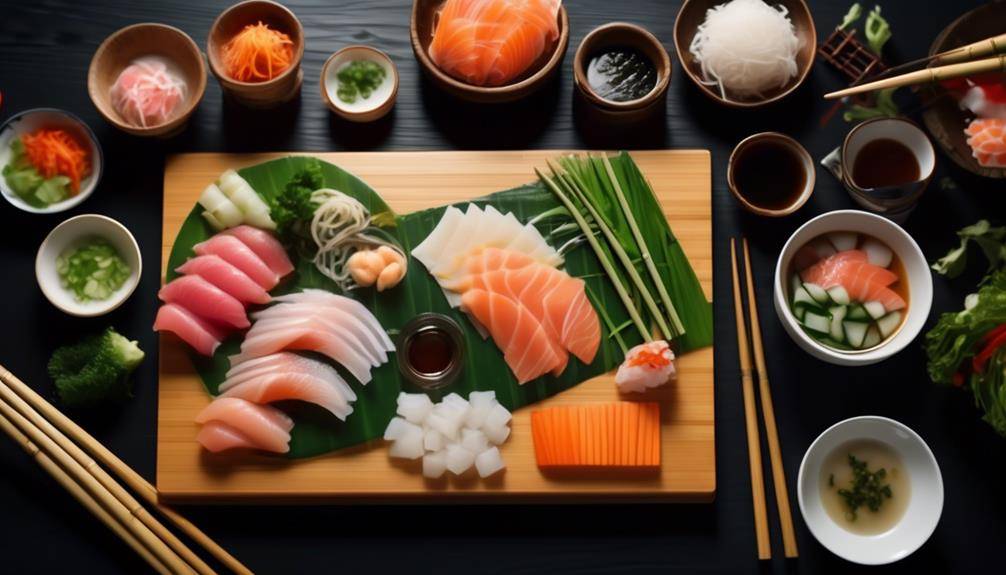
Sushi offers a delightful array of flavors and textures, making wine pairings an exciting adventure. When you sit down to enjoy your favorite sushi types, like nigiri, sashimi, or rolls, it's essential to choose wines that complement the dish while enhancing the overall experience.
For lighter sushi, such as delicate sashimi or simple nigiri, think about a crisp white wine. A Sauvignon Blanc or a dry Riesling can bring out the freshness of the fish without overpowering it. If you're indulging in richer sushi types, like eel or tempura rolls, you might want to reach for a fuller-bodied white like Chardonnay, which can stand up to those bolder flavors.
If you're looking for sake alternatives, try a dry sparkling wine. It can provide a revitalizing contrast to the umami flavors found in sushi. A brut Champagne or a sparkling Sauvignon Blanc works wonderfully with sushi rolls, especially those featuring spicy sauces.
When pairing wine with sushi, remember to take into account the sauces and toppings. Sweet teriyaki sauces pair well with fruity white wines, while spicy mayo or wasabi may call for something with a bit more acidity.
Ultimately, the key is to experiment and discover what pairs best with your preferred sushi types. Don't hesitate to try different combinations; after all, the right wine can elevate your sushi experience to new heights.
Sparkling Wines With Seafood
A variety of sparkling wines can beautifully enhance your seafood dining experience. These effervescent delights not only cleanse your palate but also complement the delicate flavors of various seafood dishes. When considering sparkling varieties, think about the unique qualities each brings to the table, as their food compatibility can elevate your meal.
Take Champagne, for example. Its crisp acidity and complex flavors pair wonderfully with oysters or shrimp cocktail. The bubbles cut through the richness of these dishes, creating a delightful contrast. If you're enjoying a buttery lobster, opt for a richer style like a vintage Champagne or a sparkling wine from California. Their creamy texture enhances the sweetness of the lobster meat.
Prosecco is another fantastic choice, especially with lighter seafood options like ceviche or grilled fish. Its fruity notes and invigorating bubbles bring out the vibrant flavors of citrus and herbs. Additionally, if you're in the mood for something more adventurous, consider a sparkling rosé. This versatile option pairs well with a variety of seafood, from grilled salmon to spicy tuna tartare.
Don't forget about Cava, the Spanish sparkling wine. Its earthy minerality makes it an excellent match for fried seafood dishes, like calamari. Remember, the key to successful pairings lies in balancing flavors and textures. By exploring different sparkling varieties, you'll find the perfect match for your seafood feast, making your dining experience one to remember. Cheers!
Common Pairing Mistakes
When it comes to pairing wine with seafood, many diners often make critical mistakes that can diminish their dining experience. One common error is choosing overly acidic wines for delicate seafood dishes. This can overwhelm the flavors, leaving a sour taste instead of enhancing the dish. Similarly, opting for wines with heavy tannins can clash with lighter seafood, creating a mismatch that detracts from both the wine and the meal.
Ignoring texture is another mistake. The texture of the seafood—whether it's buttery scallops or flaky white fish—should guide your wine choice. A rich dish pairs better with a creamy Chardonnay than a sharp Sauvignon Blanc. Temperature neglect is also a factor; serving a white wine too cold can mute its flavors, while red wines served too warm can taste too heavy.
Many diners also fall into the trap of sticking to traditional pairings without considering adventurous choices. Try exploring regional differences; a local wine can often complement your seafood beautifully. Finally, don't overlook personal preferences. The best pairing is one that you enjoy, so trust your palate.
Click Here and Turn Every Masterpiece into a Showstopper!
Frequently Asked Questions: Guide: Perfect Wine Pairings For Seafood
Can I Pair Red Wine With Seafood Dishes?
You can definitely pair red wine with seafood dishes, despite red wine myths. Just consider the seafood varieties; lighter reds work well with milder fish, while richer options complement heartier seafood like salmon or tuna.
What Are the Best Wine Temperatures for Serving?
To enjoy wine at its best, store it in a cool place. Serve whites chilled at 45-50°F, reds at 55-65°F. Proper wine storage and serving temperature enhance flavors, making every sip enjoyable.
How Do I Taste Wine Properly?
To taste wine properly, swirl it in your glass, inhale the aroma, and take a sip. Focus on the flavor profiles, identifying notes like fruit, oak, or spice. It's all about enjoying the experience!
Are There Any Wine Allergies to Consider?
You should be aware that wine allergy symptoms can include headaches, hives, or digestive issues. When pairing with seafood, consider any known allergies to guarantee a pleasant dining experience without adverse reactions.
What Is the Importance of Wine Regions in Pairings?
Wine regions play an essential role in pairings because each region's unique characteristics and regional flavors influence the wine's taste. Understanding these elements helps you choose wines that enhance your meal's overall experience.

Conclusion
Now that you've got the scoop on perfect wine pairings for seafood, it's time to put your knowledge into action. Remember to choose wines that complement the flavors of your dish, whether it's a light white for delicate fish or a sparkling option for shellfish. Don't be afraid to experiment and trust your palate. With these tips, you'll impress your guests and elevate your seafood dining experience. Cheers to great pairings and delicious meals!