What Are The Best Wine And Appetizer Pairings
What Are The Best Wine And Appetizer Pairings: To elevate your dining experience, try pairing sparkling wine with creamy brie or fried calamari; their textures and flavors complement beautifully. A bright Chardonnay goes well with shrimp cocktail, while Sauvignon Blanc enhances the creamy goodness of goat cheese. For a lighter option, enjoy Pinot Grigio with bruschetta. If you're in the mood for spicy, Riesling or Gewürztraminer balance the heat perfectly. For heartier bites, opt for Merlot with stuffed mushrooms or Cabernet Sauvignon with charcuterie. These combinations create harmony and delight. Keep exploring to discover even more exciting pairings and tips.
Sparkling Wine and Cheese
Click Here and Turn Every Masterpiece into a Showstopper!
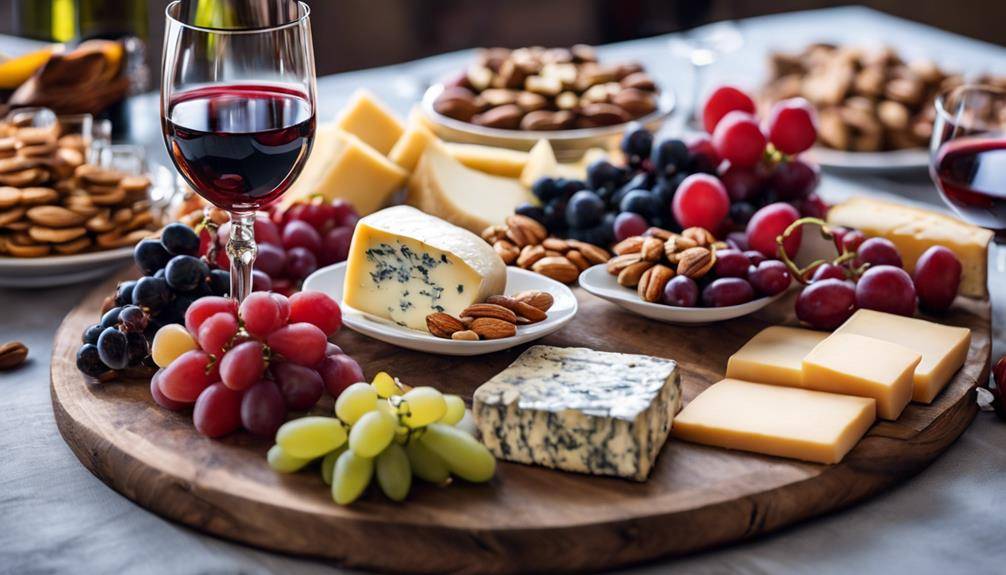
When you think about elevating your next gathering, sparkling wine and cheese make a delightful duo. The effervescent wine bubbles complement a variety of cheese textures and flavors, creating an unforgettable experience for your guests. Start by exploring different cheese varieties, focusing on regional cheeses that showcase unique characteristics. For example, a creamy brie pairs beautifully with the crispness of a Champagne, while tangy goat cheese can enhance the bright notes of a Prosecco.
Utilizing pairing techniques is essential. Consider how cheese aging affects flavor; aged cheeses often have more robust profiles that can stand up to the acidity and effervescence of sparkling wines. When creating your cheese board, incorporate a mix of textures—smooth, crumbly, and firm cheeses—to provide a satisfying contrast. This texture contrast not only pleases the palate but also enhances the overall tasting experience.
Pay attention to the tasting notes of both the wine and the cheese. The fruity or floral notes in sparkling wines can elevate the flavors in cheese, leading to remarkable flavor enhancement. Try experimenting with different combinations and see how each pairing shifts the experience. Remember, the goal is to create harmony between the wine's sparkling characteristics and the cheese's profile. With the right selections, you'll impress your guests and elevate your gathering to new heights. So, gather your favorite cheeses, pour some bubbly, and enjoy the delightful interplay of flavors and textures!
Chardonnay With Shrimp Cocktail
Pairing Chardonnay with shrimp cocktail creates a classic yet invigorating combination that's hard to resist. The bright, fruity notes of Chardonnay complement the sweet, tender shrimp beautifully, making each bite a delight. When you prepare your shrimp cocktail, consider the seafood seasoning you use; a well-balanced blend can elevate the dish and enhance the wine's flavor profile.
Chardonnay's natural wine acidity plays an essential role in this pairing. The crispness of the wine cuts through the richness of the shrimp, especially if you've added a bit of butter or oil in the preparation. As you savor each sip, the acidity refreshes your palate, making you want to take another bite of that delicious shrimp cocktail.
Don't forget about the cocktail sauces! Whether you prefer a classic cocktail sauce or a spicy variation, these sauces can greatly impact the pairing. If you opt for a tangy sauce, the zesty flavors will harmonize with the wine's fruitiness, creating a delightful experience. On the other hand, if you choose a creamier sauce, the richness will match the wine's body, offering a luxurious mouthfeel.
When experimenting with pairing techniques, keep in mind the balance between the wine and the shrimp cocktail. Adjust the seasoning and sauce to find the perfect match, and you'll discover a pairing that's not only enjoyable but also memorable. So, uncork that Chardonnay and immerse yourself in a shrimp cocktail experience like no other!
Sauvignon Blanc and Goat Cheese
When you think of Sauvignon Blanc, its bright acidity and herbal notes perfectly complement the tangy richness of goat cheese. To make the most of this pairing, consider serving both at the right temperatures for an enhanced experience. You can even get creative with your presentation by adding some fresh herbs or fruit to elevate the flavors.
Flavor Profile Compatibility
Sauvignon Blanc and goat cheese create a delightful harmony that captivates the palate. This pairing excels due to the wine's high acidity and the cheese's creamy texture, balancing the dish's food weight. You'll find that the bright, herbal accents of the Sauvignon Blanc enhance the tangy profile of the cheese, making for an exciting palate experience.
When considering tasting notes, think about the wine's aromatic profiles, often featuring citrus and green herbs, which contrast beautifully with the rich, earthy flavors of goat cheese. Texture considerations also play a role; the smoothness of the cheese complements the wine's crispness, creating ingredient synergy.
Utilizing pairing principles, this combination showcases the importance of regional influences—many French dishes highlight this pairing, celebrating cultural pairings. Sensory analysis reveals that the wine's acidity cuts through the cheese's richness, while the cheese's creaminess softens the wine's brightness.
For those who enjoy tasting techniques, experimenting with different styles of goat cheese can reveal nuances, and you might find that varying levels of wine sweetness can enhance this classic match even further. Overall, Sauvignon Blanc and goat cheese is a perfect example of flavor profile compatibility.
Serving Temperature Recommendations
To truly appreciate the delightful combination of Sauvignon Blanc and goat cheese, serving temperature plays a pivotal role. The ideal temperature for Sauvignon Blanc is around 45-50°F (7-10°C). This range allows the wine's crisp acidity and vibrant fruit flavors to shine, perfectly complementing the tanginess of goat cheese.
When serving, make sure you've chilled the Sauvignon Blanc adequately before pouring it into your serving glass. You can achieve this by placing the bottle in an ice bucket for about 20 minutes or in the refrigerator for a couple of hours. A well-chilled Sauvignon Blanc enhances its invigorating qualities, while the coolness helps balance the creaminess of the goat cheese.
Consider pouring the wine into a tulip-shaped glass, which concentrates the aromas and improves your tasting experience. As you enjoy the pairing, take a moment to notice how the temperature elevates the flavors. If the wine warms up too much, it can lose its invigorating edge, so keep a close eye on that serving temperature. By maintaining the ideal temperature, you'll elevate your tasting experience, savoring each delicious bite and sip.
Creative Serving Ideas
Pairing Sauvignon Blanc with goat cheese opens up a world of creative serving ideas that can elevate your dining experience. Start by selecting stunning wine glassware that enhances the wine's crispness and aroma. For appetizer presentation, consider using slate boards or rustic wooden platters to showcase your cheese selection and seasonal ingredients, like fresh figs or cherry tomatoes.
Think about themed pairings; perhaps a Mediterranean vibe with olives and roasted peppers to complement the wine's herbaceous notes. For a more interactive serving style, create a DIY goat cheese bar where guests can mix in creative garnishes like honey, nuts, or herbs. This encourages flavor experimentation and makes for a lively communal dining experience.
During wine tasting events, highlight the contrasting textures of creamy goat cheese with crunchy accompaniments like crostini or crackers. To boost visual appeal, use vibrant colors in your garnishes and seasonal fruits that not only taste great but also catch the eye. Remember, it's all about making the experience enjoyable and memorable, so don't shy away from playing with flavors and presentations!
Pinot Grigio and Bruschetta
When you pair Pinot Grigio with bruschetta, you're creating a delightful flavor harmony that elevates both the wine and the appetizer. The bright acidity of the wine complements the fresh toppings, making for a revitalizing experience. Let's explore some serving suggestions to enhance this perfect match.
Flavor Harmony Explained
Pinot Grigio's crisp acidity and revitalizing notes create a delightful contrast with the rich, herb-infused flavors of bruschetta. This pairing achieves palate balance by harmonizing the wine's invigorating qualities with the appetizer's robust taste dimensions. The wine's bright acidity cuts through the oiliness of the bruschetta, enhancing the overall sensory experience.
Aroma integration plays a vital role here, as the fragrant herbs in the bruschetta complement the fruity notes of the Pinot Grigio, making each sip and bite a richer experience. The texture contrast between the crunchy bread and the smoothness of the wine further elevates this pairing. You'll notice how the flavor intensity of both elements can amplify each other, turning an ordinary moment into a delightful culinary adventure.
Regional influences also come into play, as both Pinot Grigio and bruschetta hail from Italy, creating a natural cultural pairing that feels authentic. Ultimately, personal preferences guide your enjoyment of this combination; whether you appreciate the food acidity or the bright notes of the wine, this pairing invites exploration and satisfaction. Enjoy the journey as you discover what resonates with your palate!
Serving Suggestions Tips
To truly enjoy the combination of Pinot Grigio and bruschetta, serve the wine chilled at around 45-50°F (7-10°C). This temperature enhances the wine's crisp acidity and invigorating qualities, making it a perfect match for the bright flavors of the bruschetta. For wine serving etiquette, use a slender white wine glass to concentrate the aromas, allowing you to savor the wine tasting notes fully.
When preparing bruschetta, consider appetizer presentation tips like using fresh ingredients and vibrant colors to create visual appeal. Seasonal pairing suggestions, such as using ripe tomatoes in summer, can elevate your dish. Emphasizing appetizer texture contrast—like crunchy bread with smooth toppings—adds an extra layer of enjoyment.
Be aware of food pairing myths; for example, some believe you can't mix white wine with hearty flavors. In reality, wine and food chemistry reveals that the right pairing, like Pinot Grigio with tangy tomatoes, can enhance both experiences. Finally, don't shy away from exploring pairing regional specialties, as they often yield delightful surprises that reflect local flavors and traditions. Enjoy your Pinot Grigio and bruschetta adventure!
Riesling and Spicy Asian Appetizers
Riesling's vibrant acidity and natural sweetness make it an ideal companion for spicy Asian appetizers. This wine's invigorating qualities not only enhance the flavors of dishes like spicy dumplings, sesame chicken, or Thai spring rolls, but they also create a delightful sweetness balance that tames the heat. When you take a sip of Riesling alongside a spicy bite, you'll notice how the wine's sweetness contrasts with the dish's heat, providing a harmonious experience that keeps your palate engaged.
The versatility of Riesling extends beyond just its sweetness. It can range from dry to sweet, allowing you to choose the perfect bottle based on the intensity of the spice in your appetizers. For example, if you're enjoying a fiery Szechuan dish, opt for a slightly sweeter Riesling to cool things down. Conversely, a drier Riesling pairs beautifully with lighter, more fragrant appetizers like ginger-infused salads or steamed buns, where the sweetness balance remains subtle yet effective.
When serving, consider chilling the Riesling to enhance its invigorating qualities. This not only elevates your dining experience but also complements the vibrant flavors of Asian cuisine. So, next time you're entertaining or simply enjoying a meal at home, reach for a bottle of Riesling to pair with your favorite spicy Asian appetizers. You'll find that the spice contrast and sweetness balance create a memorable flavor journey that you won't want to miss.
Merlot and Stuffed Mushrooms
When it comes to pairing wine with stuffed mushrooms, Merlot shines as a perfect match. Its smooth wine characteristics complement the earthy notes of various mushroom varieties, such as cremini or portobello, creating a harmonious blend. The medium body and soft tannins of Merlot enhance the texture contrast in the dish, making each bite more enjoyable.
When you're preparing stuffed mushrooms, consider using herb accents like thyme or parsley in your filling. This aligns well with Merlot's flavor intensity, allowing both the wine and the appetizer to shine. If you opt for a meat-based stuffing, the wine's rich profile will elevate the dish, while its fruit-forward notes balance the savory elements.
For presentation styles, serving your stuffed mushrooms on a rustic wooden board can enhance the earthy theme, inviting guests to indulge. You might also think about pairing techniques, like serving the wine slightly chilled; this can help with palate cleansing between bites.
Ultimately, the key is to let the flavors of both the Merlot and stuffed mushrooms complement each other. Aim for a balance where neither overpowers the other, allowing the wine's smoothness to enhance the umami essence of the mushrooms. So, next time you're hosting a gathering, remember that Merlot and stuffed mushrooms make an unforgettable duo that'll impress your guests.
Cabernet Sauvignon With Charcuterie
When you pair Cabernet Sauvignon with charcuterie, you're in for a treat that highlights the wine's robust flavors. Choosing the right cheeses and meats can elevate your tasting experience, and serving temperature plays a vital role in bringing out those harmonious profiles. Let's explore how to create the perfect platter to complement your Cabernet.
Flavor Profiles Harmony
Pairing Cabernet Sauvignon with charcuterie brings out the best in both, creating a delightful harmony of flavors. The wine's tasting notes of dark fruits and hints of spice perfectly complement the savory elements of cured meats. This flavor balancing highlights the dish's complexity, as the rich textures of the charcuterie contrast beautifully with the wine's acidity.
As you savor each bite, notice how the wine acts as a palate cleanser, rejuvenating your taste buds between bites. The robust character of Cabernet Sauvignon enhances the aroma pairing, allowing the spices in your charcuterie to shine. Seasonal pairings can elevate this experience further; think of spicy summer sausages or smoky autumnal meats that echo the wine's depth.
Ingredient synergy plays an essential role here. As you explore different cultural influences in charcuterie, you'll find unique flavors that resonate with the wine's profile. Whether you opt for Italian salami or French pâté, the interaction between Cabernet Sauvignon and charcuterie creates a memorable tasting journey. Embrace this pairing, and you'll discover a world of flavor that excites the palate and satisfies the senses.
Cheese and Meat Selection
Selecting the right cheese and meat for your charcuterie board can elevate your Cabernet Sauvignon experience. Start by considering various cheese types like aged cheddar or creamy brie, which provide a rich flavor balance. Pair these with meat cuts such as prosciutto or salami for an enticing contrast.
You'll want to use effective pairing techniques that highlight the wine's robust taste profiles. Look for regional varieties that complement the wine's characteristics; for instance, a French cheese paired with a French Cabernet can enhance the overall experience.
Focus on texture contrast, mixing hard cheeses with softer meats to create an appealing mouthfeel. The aging process of both the cheese and the meat plays an essential role; older cheeses often have sharper flavors that can stand up to Cabernet's boldness.
For platter presentation, arrange your selections artfully, ensuring a visual feast that invites tasting. Use serving styles that encourage sharing, like small bites that let your guests explore different combinations. By thoughtfully selecting your cheese and meat, you'll create a charcuterie board that perfectly pairs with your Cabernet Sauvignon.
Serving Temperature Tips
The right serving temperature can make all the difference in your Cabernet Sauvignon experience with charcuterie. Ideally, you should serve it between 60-65°F. This range enhances the wine's rich flavors while ensuring it pairs well with the savory notes of your charcuterie.
When choosing your serving vessels, opt for large-bowled glasses that allow for proper aeration. The shape of the glass affects how the wine interacts with the air, enhancing its aroma and flavor profile. If your wine is too cold, use chilling methods like placing it in an ice bucket for a short time. Conversely, if it's too warm, warming techniques such as holding the bottle in your hands can help bring it to the right temperature gradually.
Consider regional preferences and seasonal choices when serving. In warmer months, you might prefer slightly cooler temperatures, while colder months can accommodate a warmer serve. Always be mindful of food temperature too; your charcuterie should be at room temperature, allowing the flavors of both the wine and the appetizers to shine together beautifully.
Zinfandel and BBQ Wings
When it comes to enjoying BBQ wings, Zinfandel emerges as a fantastic companion that enhances the whole experience. This wine's bold fruit flavors and peppery notes create a perfect balance with the rich, smoky taste of BBQ wings. The unique characteristics of Zinfandel, such as its jammy fruit profile and moderate tannins, complement various BBQ sauce types, whether you prefer a tangy vinegar-based sauce or a sweet and sticky glaze.
When selecting your Zinfandel, consider the flavor intensity of your wings. If you're grilling them with a spicy rub, a Zinfandel with a higher alcohol content can help achieve a spicy balance, cutting through the heat while enhancing the dish's flavors. Different cooking techniques, like smoking or frying, can also affect the pairing, so think about your grilling methods.
Regional pairings can play a role too—Zinfandel hails from California, where BBQ culture thrives. Thus, pairing it with local BBQ styles can elevate your meal. Utilize pairing strategies that highlight texture contrasts; the wine's acidity can balance the crispy skin of the wings, creating a delightful mouthfeel.
Click Here and Turn Every Masterpiece into a Showstopper!
Malbec and Beef Sliders
When you think of pairing Malbec with beef sliders, you'll notice how their rich flavors complement each other perfectly. It's important to serve your Malbec at the right temperature to enhance that harmony. Let's explore how to get the most out of this delicious combination!
Flavor Profile Harmony
Finding the perfect pairing can elevate your dining experience, and few combinations achieve this quite like Malbec and beef sliders. The rich, bold tasting notes of Malbec beautifully complement the juicy, savory flavors of the sliders. This pairing creates an impressive palate balance, allowing the wine's fruitiness to enhance the meat's umami.
When considering aroma pairing, the dark fruit scents of Malbec harmonize with any spices you use in your sliders. The texture contrast between the tender beef and the wine's velvety mouthfeel adds depth, making each bite and sip more enjoyable. With moderate acidity levels, Malbec cuts through the richness of the beef, ensuring neither overwhelms the other.
The flavor intensity of Malbec stands up to the sliders, making it a perfect match. Regional influences play a role too; many Malbecs hail from Argentina, where beef is a staple, reflecting ingredient synergy. Seasonal pairings also work here—grilling sliders during summer or enjoying them in the cooler months creates versatility. By employing various culinary techniques, you can elevate both the sliders and the wine, creating a memorable dining experience.
Serving Temperature Tips
To fully enjoy the pairing of Malbec and beef sliders, it's important to serve the wine at the right temperature. Malbec shines best when it's slightly below room temperature, ideally around 60-65°F (15-18°C). This allows its rich flavors and aromas to unfold, enhancing your tasting experience.
Before serving, consider using wine aeration techniques to elevate the wine's profile. Pouring the Malbec into a decanter or using an aerator can help soften its tannins, making it smoother and more enjoyable alongside your sliders.
Glassware selection also plays a significant role. Opt for a large-bowled red wine glass, which allows the wine to breathe and captures its complex aromas. This enhances the overall experience as you savor each bite of your juicy beef sliders paired with the Malbec.
Remember to serve the sliders warm and fresh, as this complements the wine beautifully. By paying attention to temperature, aeration, and glassware, you'll create an unforgettable dining experience that showcases the best of both the wine and the dish. Enjoy the harmony of flavors as you indulge in this delightful pairing!
Rosé With Mediterranean Platter
Rosé wine effortlessly complements a Mediterranean platter, creating a delightful harmony of flavors. The crisp wine acidity of rosé balances the rich Mediterranean flavors found in dishes like hummus, olives, and grilled vegetables. When you pour a chilled glass, you're greeted by the wine's invigorating characteristics, which highlight the various appetizer textures on your platter.
To elevate your pairing, focus on seasonal ingredients. Fresh tomatoes, cucumbers, and herbs like basil and mint provide vibrant herbal notes that enhance the wine's profile. As you explore pairing techniques, consider contrasting flavors; a tangy feta cheese can create a delightful contrast with the fruitiness of your rosé.
Visual presentation also plays a key role. Arrange your Mediterranean platter with an eye for color and texture. The bright reds and greens of fresh vegetables, the soft creaminess of cheese, and the deep hues of olives create a feast for the eyes that invites people to dig in. Don't forget the regional variations—try incorporating different Mediterranean dips or seafood to keep things interesting.
Ultimately, enjoying rosé with a Mediterranean platter is about balance. The wine's light body and bright acidity work in perfect harmony with the diverse array of flavors and textures, making every bite and sip a celebration of culinary delight. So next time you gather with friends, remember to serve rosé and a vibrant Mediterranean spread for an unforgettable experience.
Port Wine and Dark Chocolate
Port wine's rich, velvety character makes it a luxurious companion to dark chocolate, creating a decadent pairing that delights the senses. When exploring this combination, consider various chocolate varieties and their origins. For instance, a 70% dark chocolate from Ecuador harmonizes beautifully with a tawny port, enhancing the chocolate's fruity notes while balancing its bitterness.
To elevate your tasting experience, employ pairing techniques that focus on flavor intensities. A full-bodied ruby port complements darker chocolates, while a lighter vintage port works well with chocolate percentages around 60%. This contrast in texture—smooth wine against the firm bite of chocolate—offers a delightful sensory experience.
When selecting wines, consider recommendations from renowned wine regions, such as Portugal's Douro Valley. The aging process of port wine also contributes greatly to its tasting notes; older ports often showcase richer, more complex flavors that can make your chocolate pairings even more exquisite.
For dessert options, try serving a rich chocolate mousse alongside a glass of vintage port. This combination not only serves as a palate cleanser but also enhances the chocolate flavors, creating a luxurious finish to your meal.
Champagne and Fried Calamari
Champagne and fried calamari make an irresistible pairing that elevates any dining experience. The crisp bubbles in champagne perfectly cut through the rich, fried exterior of the calamari, offering a delightful texture balance. As you take a bite of the calamari, the tender inside contrasts beautifully with the crunchy coating, creating a satisfying mouthfeel that's enhanced by the effervescence of the champagne.
The flavor contrast between the two is equally enchanting. The salty, savory notes of the calamari mingle with the bright acidity of the champagne, producing a revitalizing effect that keeps your palate engaged. Whether you dip the calamari in a zesty marinara or a tangy aioli, the champagne complements these flavors beautifully, amplifying the overall experience.
Choosing a brut champagne can enhance this pairing even further. Its dryness allows the natural flavors of both the wine and the appetizer to shine, while the bubbles cleanse your palate between bites. This dynamic interplay encourages you to savor each mouthful, making it a perfect choice for any gathering or celebration.
Syrah and Grilled Vegetables
Syrah and grilled vegetables create a harmonious pairing that celebrates the flavors of summer. This robust red wine is known for its rich, dark fruit flavors and peppery notes, which complement the smokiness of grilled veggies beautifully. When preparing your grilled vegetables, consider seasonal choices like zucchini, bell peppers, and eggplant, marinated in olive oil, garlic, and herbs to enhance their natural flavors.
To achieve the perfect flavor intensity balance, match the wine's bold characteristics with equally vibrant grilled vegetables. The cooking method greatly impacts the taste; grilling caramelizes the sugars in the veggies, adding depth that pairs well with Syrah's robust body. You'll appreciate the interplay between the wine's aroma profiles of blackberries and spices and the savory, charred notes from the grill.
For regional pairing suggestions, consider a Syrah from the Rhône Valley, where the wine's earthy qualities align perfectly with Mediterranean-style grilled dishes. When selecting grilled vegetable marinades, opt for herbaceous blends that won't overpower the wine, allowing its tasting notes to shine through.
Ultimately, Syrah's food compatibility with grilled vegetables makes it a versatile choice for summer gatherings. The combination of Syrah's bold flavors with the fresh, smoky essence of grilled vegetables creates an unforgettable dining experience. So, fire up the grill, pour yourself a glass of Syrah, and savor the delightful pairing that captures the essence of summer.
Gewürztraminer With Spicy Dishes
When it comes to pairing wine with spicy dishes, Gewürztraminer stands out as a fantastic choice. This aromatic wine boasts floral notes and hints of lychee, making it a perfect match for the bold flavors found in spicy cuisine. Gewürztraminer characteristics, such as its off-dry sweetness, help to balance the heat in dishes like Thai curry or spicy Mexican fare.
Spicy food compatibility is essential in achieving flavor intensity balance. The wine's sweetness counters the heat, allowing you to fully enjoy the dish without overwhelming your palate. Additionally, the texture contrast between the wine's smooth body and the vibrant spices enhances your dining experience.
Consider regional food pairings; Gewürztraminer pairs beautifully with dishes that draw from culinary traditions like Indian or Szechuan cuisine. The wine's tasting notes of stone fruits and spices can complement the complex flavors found in these dishes.
Temperature effects on flavor are also important. Serve Gewürztraminer chilled to accentuate its invigorating qualities and keep the spiciness in check. Finally, keep sweetness level considerations in mind—select a semi-sweet Gewürztraminer for dishes with significant heat, ensuring a harmonious pairing.
Incorporating Gewürztraminer with your spicy dishes not only enhances your meal but also highlights the unique flavors and textures in both the food and wine, making for an unforgettable culinary experience.
Dessert Wine and Fruit Tart
Pairing dessert wine with a fresh fruit tart creates a delightful harmony that elevates both the wine and the dessert. The key to a successful pairing lies in achieving the right wine balance with the tart sweetness of the fruit. A well-chosen dessert wine enhances the flavors of the tart, bringing out the freshness of the fruits while complementing the buttery crust.
When you select a dessert wine, contemplate options like Sauternes or late-harvest Riesling. These wines often have a rich sweetness that aligns perfectly with the natural sugars in fruit tarts. The fruity notes in these wines can mirror the flavors of the tart, creating a cohesive experience. For instance, a peach tart paired with a late-harvest Sauvignon Blanc accentuates the tart's juicy flavor while maintaining a revitalizing finish.
On the other hand, if you're enjoying a berry tart, a sparkling dessert wine like Moscato d'Asti can provide a wonderful contrast. The bubbles cleanse your palate, while the wine's sweetness balances the tartness of the berries.
Remember to contemplate the overall sweetness of your dessert. A fruit tart that's on the sweeter side might require a slightly less sweet wine to maintain balance. Ultimately, the goal is to create an enjoyable experience where neither the wine nor the dessert overpowers the other. So, pour a glass of your chosen dessert wine, savor each bite of your fruit tart, and relish the exquisite balance between the two.
Click Here and Turn Every Masterpiece into a Showstopper!
Frequently Asked Questions: What Are The Best Wine And Appetizer Pairings
How Do I Choose the Right Glass for Each Wine?
Choosing the right glass matters. Consider glass shapes that enhance wine aromas; for example, wider bowls for reds to release complex scents, and narrower glasses for whites to concentrate crisp fragrances. Enjoy your wine experience even more!
Can I Pair Wine With Non-Appetizer Foods?
Absolutely, you can pair wine with non-appetizer foods. Focus on food compatibility; think about flavors and textures. For instance, a rich red wine complements hearty dishes, while a crisp white suits lighter fare beautifully.
What Are Some Budget-Friendly Wine Options for Pairings?
When seeking budget-friendly wine options, explore affordable varietals like Pinot Grigio or Garnacha. Look for wines from budget-friendly regions such as Chile and Spain; you'll find delightful choices that won't break the bank.
How Do Temperature and Serving Methods Affect Wine Taste?
Wine temperature and serving techniques greatly affect taste. You'll enjoy chilled whites for crispness and slightly warmer reds for richness. Experiment with decanting to enhance aromas, and always use appropriate glassware for the best experience.
Are There Any Vegan-Friendly Wine Options Available?
Yes, there are vegan-friendly wine options available. When selecting, check wine labels for terms like "vegan" or "suitable for vegans." Many brands now offer delicious vegan wines that don't use animal-derived fining agents.

Conclusion
Whether you're sipping sparkling wine with cheese or enjoying a glass of Riesling alongside spicy Asian appetizers, these pairings are sure to elevate your dining experience. Don't hesitate to experiment with different combinations and find what suits your palate best. Remember, the right wine can enhance the flavors of your appetizers, making your gatherings even more enjoyable. Cheers to delicious pairings and unforgettable moments!