9 Essential Safety Tips For Instant Pot Cooking
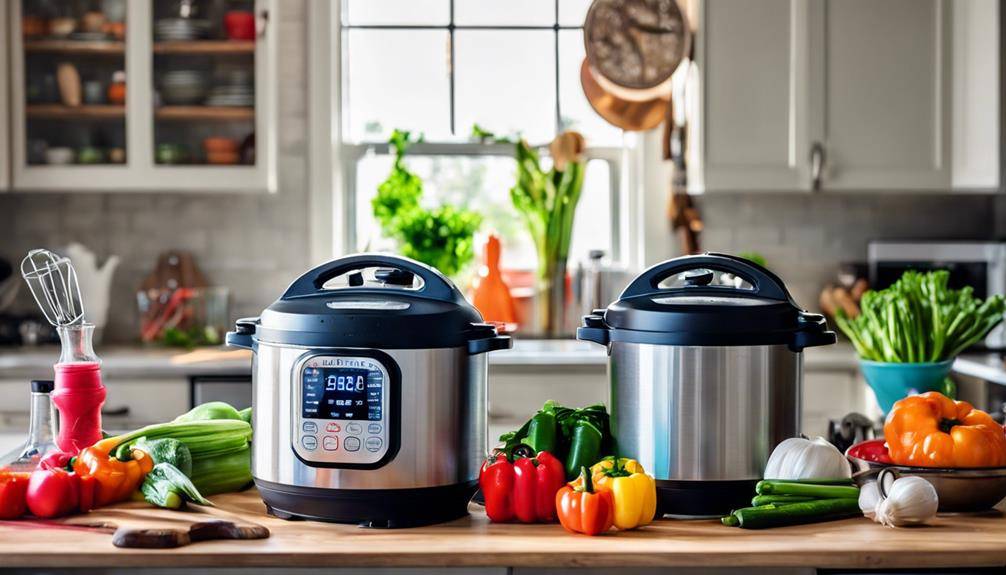
9 Essential Safety Tips For Instant Pot Cooking: To safely use your Instant Pot, start by reading the manual for essential guidelines. Always inspect the sealing ring and valves for damage before cooking. Use enough liquid to prevent burns and guarantee proper pressure. Be cautious about overfilling; adhere to the max line to avoid messes. Release pressure correctly and monitor your cooking times closely. Utilize silicone utensils to protect the pot’s surface, and regularly check for any signs of damage. These precautions will help you enjoy safe and delicious meals. There’s plenty more to discover about guaranteeing a safe cooking experience!
Read the Manual
Click Here and Turn Every Masterpiece into a Showstopper!
Before you immerse yourself in cooking with your Instant Pot, it’s vital to read the manual. This document isn’t just a set of instructions; it’s your guide to understanding the functional features of your device. Familiarizing yourself with the manual enhances your user experience, making certain you make the most of what your Instant Pot has to offer.
The Instant Pot is packed with various functions, from pressure cooking to sautéing. Each feature has its specific purpose, which you can only fully utilize by understanding the guidelines laid out in the manual. For example, knowing how to use the sauté function properly can help you achieve the perfect texture for your ingredients before pressure cooking.
Additionally, the manual provides significant safety information. It explains the importance of venting and how to do it correctly, which prevents accidents and guarantees your meals turn out delicious. It also details how to adjust cooking times based on different types of food, which can greatly affect your results.
Check the Sealing Ring
Before you start cooking, make certain to check the sealing ring on your Instant Pot. Inspect it for any signs of damage, as a worn or cracked ring can lead to unsafe pressure buildup. Also, confirm it’s properly installed to guarantee a secure seal during cooking.
Inspect for Damage
One essential step in ensuring your Instant Pot operates safely is inspecting the sealing ring for any damage. This important component plays a significant role in creating a proper seal, preventing steam from escaping during cooking. Start with a thorough visual inspection of the ring. Look for cracks, tears, or any signs of wear and tear that could compromise its integrity.
Perform a damage assessment by gently stretching the ring. If it feels stiff or doesn’t snap back into shape, it may be time for a replacement. Even minor imperfections can lead to cooking inconsistencies or, worse, safety hazards.
Don’t forget to check the groove where the sealing ring sits for any debris or buildup. This area can easily accumulate food particles, affecting the ring’s ability to seal properly. Keeping it clean is just as important as checking for damage.
Proper Installation Required
Guaranteeing proper installation of the sealing ring is essential for your Instant Pot’s safe operation. If the sealing ring isn’t positioned correctly, you risk steam leaks, which can lead to cooking failures or even accidents. To start, always examine the ring for any signs of wear or damage before installation. If it’s in good shape, follow these installation techniques: make certain the ring is seated snugly in the groove around the lid.
You should also guarantee that the ring fits evenly all around. If it feels loose or out of shape, it may not create a proper seal, compromising the safety standards your Instant Pot upholds. When you close the lid, verify that it locks into place correctly and that the sealing ring is not pinched or twisted.
After cooking, remember to remove the sealing ring and clean it thoroughly. This not only maintains hygiene but also prolongs the life of the ring itself. By paying attention to these details, you can enjoy delicious meals with confidence, knowing that your Instant Pot is safe and ready for use.
Use the Right Liquid
When cooking with your Instant Pot, using the right type of liquid is vital for achieving perfect results. You need to measure your liquids accurately to prevent burn notices and guarantee proper pressure buildup. Understanding the role of different liquids will help you create delicious meals without any hassles.
Importance of Liquid Types
Using the right type of liquid in your Instant Pot is essential for achieving the best cooking results. The type of liquid you choose can greatly influence both the texture and flavor of your dish. Water is a common choice, but don’t underestimate the power of liquid alternatives like broth, wine, or even juice. These options not only help with the cooking process but also contribute to flavor enhancement, making your meals more delicious and satisfying.
When cooking protein, for example, using broth instead of water can infuse your dish with rich, savory notes. Alternatively, if you’re preparing a dessert, a splash of fruit juice can add a delightful sweetness. Remember, the Instant Pot relies on steam to cook, so you’ll need enough liquid to create that environment. By selecting the right type of liquid, you’re setting yourself up for success, ensuring your food cooks evenly and retains moisture.
Measuring Liquid Accurately
Accurate measurement of liquid is essential for successful Instant Pot cooking, as the right amount guarantees proper pressure and cooking times. When you’re using your Instant Pot, it’s vital to follow the recommended liquid measurement guidelines in your recipe. Too little liquid can lead to uneven cooking, while too much can dilute flavors and alter cooking consistency.
Always use a liquid measuring cup for accuracy. Pour in your liquid and check it at eye level to verify it’s correct. If a recipe calls for a specific amount, stick to it; deviations can affect how your food cooks. Remember that the Instant Pot requires at least a minimum amount of liquid to build pressure effectively, typically around one cup, but this can vary based on the recipe.
Consider the types of liquids you’re using, too—water, broth, or sauces can all impact cooking consistency differently. Keep in mind that some ingredients, like vegetables, may release additional liquid during cooking. So, if you’re adding those, adjust your liquid measurements accordingly. By measuring liquids accurately, you’ll set yourself up for a more successful and enjoyable cooking experience.
Preventing Burn Notices
A common issue many Instant Pot users face is the dreaded burn notice, which often occurs due to insufficient liquid in the pot. To guarantee effective burn prevention, you need to use the right amount of liquid. The Instant Pot relies on steam to build pressure, and without adequate liquid, food can stick to the bottom and trigger that frustrating warning.
When you’re preparing a recipe, always check the minimum liquid requirements stated in the user manual. Most recipes call for at least one cup of liquid, but certain dishes might need more. Remember, it’s not just about the volume; the type of liquid matters too. Broths, sauces, and water are great choices that help in pressure management.
Don’t forget to deglaze the pot after sautéing ingredients. Scrape up any brown bits stuck to the bottom before adding your liquid. This step helps prevent burns and enhances flavor. Finally, if you’re experimenting with new recipes, start with the recommended amounts and adjust gradually until you find the sweet spot. By following these tips, you’ll minimize the chance of encountering a burn notice. Happy cooking!
Avoid Overfilling
One of the key rules for safe Instant Pot cooking is to avoid overfilling the pot. When you fill the pot beyond its recommended capacity, you risk not only poor cooking results but also potential safety hazards. Instant Pots are designed with a maximum fill line, which is essential for guaranteeing proper pressure buildup and safe cooking. Ignoring this guideline can lead to food expansion during cooking, which may cause the lid to become stuck or, worse, lead to overflow.
To keep things safe, always pay attention to the specific fill limits for different types of food. For instance, when cooking grains or beans, it’s important to leave enough space for them to expand. A good rule of thumb is to fill the pot no more than halfway for these items. For soups and stews, you can typically fill it up to two-thirds full, but remember that ingredients like pasta and potatoes will also expand as they cook.
These safety precautions are critical because an overfilled pot can lead to the release of hot steam, which could cause burns. Always take a moment to measure and assess your ingredients before sealing the lid. By following these guidelines, you’ll not only guarantee a successful meal but also a safer cooking experience. So, keep that fill line in mind, and enjoy the benefits of your Instant Pot without the stress of overfilling!
Release Pressure Safely
How can you guarantee a safe release of pressure from your Instant Pot? First, it’s essential to understand the difference between natural and quick pressure release. For many recipes, allowing the pot to naturally release pressure is the safest option; just let it sit and watch the steam dissipate on its own. But if you need to speed things up, you can opt for a quick release. In this case, you’ll want to take certain safety precautions to protect yourself.
When performing a quick steam release, always stand back from the steam vent. The steam can be extremely hot and can cause burns. Use a long utensil or a towel to carefully turn the steam release handle to the venting position. This way, you’ll minimize your exposure to the steam. Also, make sure the area around the pot is clear of any flammable materials.
If you’re cooking something thick or foamy, consider using the natural release method instead. These types of dishes can create a lot of pressure quickly, which can lead to food spewing out of the vent, creating a mess and potential hazards.
Lastly, always check the float valve after releasing pressure. If it’s down, it’s safe to open the lid. Following these simple safety precautions will help you enjoy your cooking experience without the worry of accidents. Remember, safety first!
Click Here and Turn Every Masterpiece into a Showstopper!
Keep Valves Clear
Keeping the valves clear is vital for safe Instant Pot cooking. These valves play a significant role in managing pressure and steam release, guaranteeing that your appliance functions correctly and safely. If the valves are blocked or clogged, you could face serious safety hazards, including potential explosions or hot steam burns.
For effective valve maintenance, it’s important to check the steam release valve regularly. After each use, verify that any food residue or debris is cleaned away. A damp cloth can be sufficient for wiping down the valve area, while a gentle brush can help remove stubborn bits. Always make certain the silicone sealing ring is in good condition and properly fitted, as a worn or improperly seated ring can lead to pressure problems.
Additionally, take note of the float valve, which indicates whether the Instant Pot is under pressure. If it appears stuck, gently try to free it with a small utensil, but never force it. Regularly inspect the float valve for any signs of damage or wear, as this could affect your device’s overall performance.
Monitor Cooking Time
After confirming the valves are clear, it’s important to pay attention to cooking time. The Instant Pot is a powerful tool that can cook food much faster than traditional methods, but if you underestimate or overestimate your cooking time, you could end up with a less-than-desirable result. Familiarizing yourself with timing techniques is essential for maximizing your cooking experience.
First, always refer to the recipe for the recommended cooking time. Recipes are often tested for accuracy, and following them helps guarantee your dish turns out as intended. If you’re adapting a recipe, remember that cooking times can vary based on the size and type of ingredients you’re using. For instance, larger cuts of meat will require longer cooking times than smaller pieces.
Another helpful tip is to use a timer. While the Instant Pot will automatically adjust cooking time based on pressure, having a separate timer can help you keep track of how long your food has been cooking. If you’re new to the Instant Pot, consider starting with shorter cooking times. You can always add more time if needed, but it’s difficult to fix overcooked food.
Use Proper Utensils
Using the right utensils is essential for a successful Instant Pot experience. When you’re cooking under pressure, the last thing you want is to risk damaging your pot or injuring yourself with improper tools. That’s why opting for silicone utensils is a smart choice. These tools are not only gentle on the non-stick surface of your Instant Pot but also heat resistant, ensuring you can stir, scoop, and serve without worrying about melting or scratching.
Heat-resistant tools are vital when you’re dealing with high temperatures. Using wooden or plastic utensils might seem convenient, but they can warp, crack, or release harmful chemicals when exposed to the heat generated during cooking. Silicone utensils, on the other hand, can withstand high temperatures up to 500°F, making them perfect for stirring thick stews or scraping the bottom of the pot without any concern.
Additionally, using utensils with a long handle can help keep your hands at a safe distance from the hot steam and surfaces. Look for spatulas, tongs, and ladles specifically designed for high-heat cooking. Don’t forget to avoid metal utensils as well; they can scratch the pot’s interior and lead to potential leaks or safety hazards down the line.
Inspect for Damage
Before you start cooking with your Instant Pot, it’s crucial to inspect it for any signs of damage. A quick safety inspection can help you identify any damaged components that could lead to malfunctions or safety hazards during cooking. Start by checking the outer body of the pot for dents or cracks. Even minor external damage can affect the pot’s performance.
Next, examine the lid and sealing ring. Make sure the sealing ring is intact and properly fitted. If it’s cracked, warped, or shows signs of wear, it’s time to replace it. A damaged sealing ring can prevent the Instant Pot from achieving the necessary pressure, leading to undercooked meals or potential leakage.
Don’t forget to check the float valve and steam release handle. Confirm they move freely and aren’t stuck or broken. Any issues here could compromise the pressure release mechanism, which is crucial for safe cooking.
Lastly, inspect the power cord for frays or damage. A compromised cord can pose an electrical hazard, so if you notice any issues, it’s best to avoid using the appliance until it’s repaired or replaced.
Click Here and Turn Every Masterpiece into a Showstopper!
Frequently Asked Questions: 9 Essential Safety Tips For Instant Pot Cooking
Can I Use My Instant Pot for Canning Food Safely?
You can’t use your Instant Pot for pressure canning safely. It’s not designed for food preservation in that way. Stick to a dedicated pressure canner to guarantee your canned goods are safe and properly preserved.
What Should I Do if My Instant Pot Won’t Come to Pressure?
If your Instant Pot won’t come to pressure, check the sealing ring for damage and verify the lid’s locked properly. Follow these troubleshooting tips: make sure the valve’s set to sealing and try adjusting the liquid amount.
Is It Safe to Open the Lid During Cooking?
It’s not safe to open the lid during cooking. The lid locking mechanism prevents it. Always allow for proper pressure release before attempting to open, ensuring you avoid burns or accidents from steam escaping.
How Do I Clean My Instant Pot Properly?
To clean your Instant Pot properly, follow these cleaning tips: remove the inner pot and lid, wash them with warm soapy water, and establish a maintenance routine to keep it in great condition and guarantee longevity.
Can I Cook Frozen Food in My Instant Pot?
Yes, you can cook frozen food in your Instant Pot! Just add frozen vegetables or frozen meats directly, adjust the cooking time, and enjoy a delicious meal without the need for thawing beforehand.

Conclusion
By following these essential safety tips for Instant Pot cooking, you can enjoy delicious meals without worry. Always read the manual and check the sealing ring to guarantee everything’s in order. Remember to use the right amount of liquid and avoid overfilling. Safely release pressure and keep the valves clear for peak performance. With proper utensils and regular inspections for damage, you’ll be well on your way to a safe and enjoyable cooking experience. Happy cooking!