Four Key Tips For Amazing Vegetarian Slow Cooker Recipes
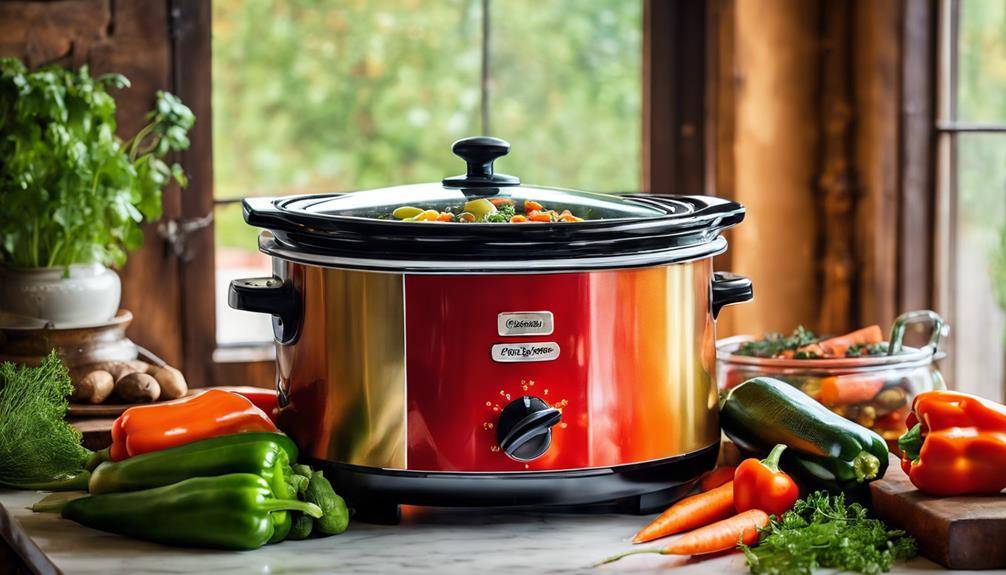
For Amazing Vegetarian Slow Cooker Recipes; To make your vegetarian slow cooker recipes shine, start by choosing fresh, high-quality ingredients, focusing on seasonal produce. Layer your ingredients wisely, placing hearty root vegetables at the bottom and adding softer veggies on top to maintain texture. Don’t forget to enhance flavors with herbs, spices, and sauces; try experimenting with different combinations to find your favorites. Finally, adjust cooking times carefully to prevent overcooking, especially for softer ingredients. With these tips in mind, you’ll create delicious dishes, and there’s so much more to explore for perfecting your slow cooking technique.
Choose the Right Ingredients
Choosing the right ingredients is essential for creating delicious vegetarian slow cooker meals. You’ll want to focus on fresh, high-quality produce and pantry staples that can stand up to long cooking times. Start by selecting seasonal vegetables; they’re not only more flavorful but also often more affordable. When you use seasonal swaps, you’ll enhance your dish’s taste and nutrition. For example, instead of using canned tomatoes in winter, consider fresh tomatoes or roasted bell peppers for a vibrant flavor boost.
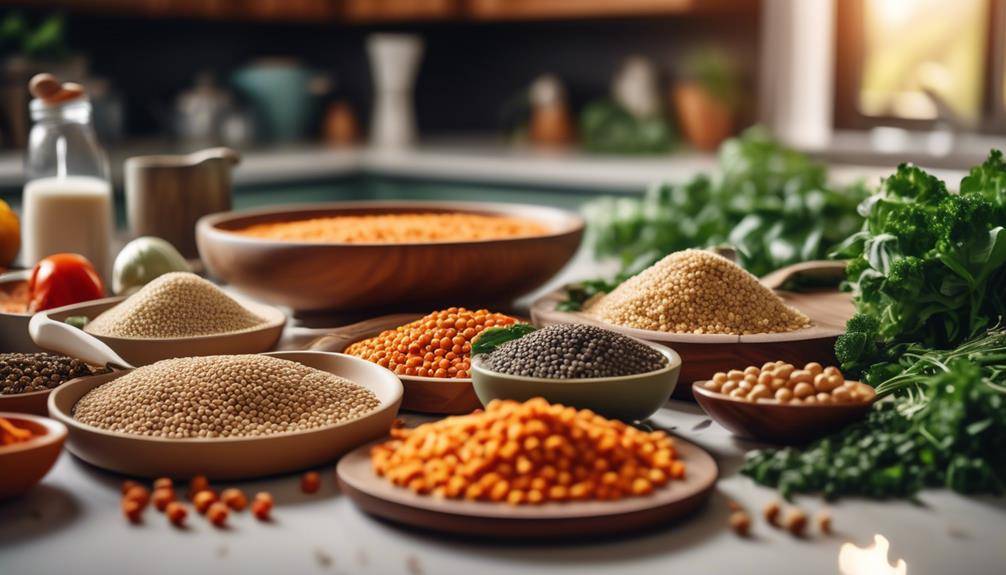
Don’t forget about protein-rich ingredients like beans, lentils, and tofu. These not only add substance but also contribute essential nutrients to your meals. If you ever find yourself short on a specific ingredient, ingredient substitutions can save the day. For instance, if a recipe calls for chickpeas and you only have black beans, go ahead and swap them out. Just be mindful of how the flavors and textures will change the final dish.
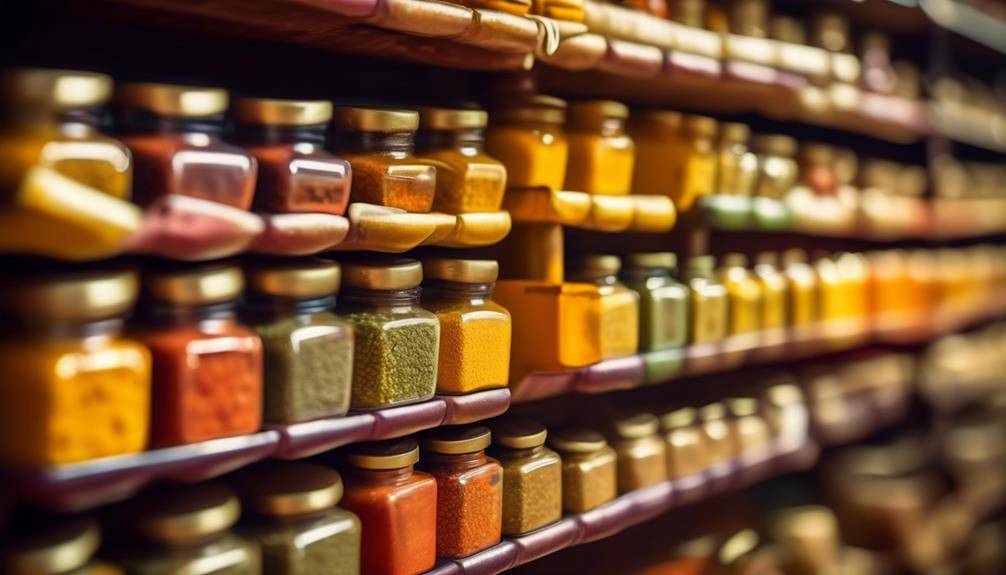
Herbs and spices can make or break your slow cooker meals, so choose wisely. Fresh herbs like basil or cilantro can brighten up a dish, while dried spices can add depth. Always taste as you go, adjusting seasonings to suit your preferences.
Layering for Flavor
Once you’ve selected high-quality ingredients, the next step is to contemplate how you layer them in your slow cooker for maximum flavor. Layering isn’t just about putting things in any order; it’s a strategic process that enhances flavor combinations and creates delightful texture contrasts. Start with hearty ingredients like root vegetables at the bottom. Their density helps them cook evenly and absorb flavors from above.
Next, add your grains or legumes, like quinoa or lentils. These ingredients soak up the flavors from the vegetables and any broth you include, contributing to a richer taste. Make certain to season each layer as you go. A sprinkle of salt, herbs, or spices can work wonders.
Then, place your softer veggies and delicate ingredients on top. Think bell peppers, zucchini, or tomatoes. These will cook faster and release moisture, infusing the layers beneath them with their juices. If you’re using a creamy element like coconut milk or cheese, consider adding it towards the end of cooking to maintain its texture and flavor.
Lastly, don’t forget the herbs! Toss in fresh herbs right before serving for a burst of freshness. This layering method not only maximizes flavor but also guarantees that texture contrasts shine through, making every bite satisfying. You’ll find that the combination of flavors and textures elevates your dish, turning a simple vegetarian slow cooker meal into a culinary delight.
Adjusting Cooking Times
Adjusting cooking times is crucial for achieving the best results in your vegetarian slow cooker recipes. When you set your slow cooker, the cooking temperature can greatly influence the final outcome, especially when it comes to different vegetables and grains. Most recipes offer a general guideline, but understanding how to tweak these times can help you master your meals.
For instance, root vegetables like carrots and potatoes typically require longer cooking times than softer veggies such as zucchini or bell peppers. If you want those crunchy texture variations, consider adding the quicker-cooking ingredients later in the process. This not only preserves their bite but also keeps their vibrant colors.
Also, remember that the size of your vegetable pieces matters. Chopping them into uniform sizes helps guarantee even cooking. If your pieces are larger, you might need to increase the cooking time. Conversely, smaller pieces will cook faster, so adjust accordingly.
Don’t forget to check for doneness. If you’re unsure, you can easily taste or poke your ingredients to see if they’ve reached the desired texture. It’s a good practice to check on your dish about an hour before the end of the cooking time. This way, you can make any last-minute adjustments to avoid overcooking.
Adding Protein Sources
When you’re cooking vegetarian meals in your slow cooker, adding protein sources is essential for a balanced dish. Legumes, tofu, nuts, and seeds can greatly boost the nutritional content of your meals while enhancing flavor and texture. Let’s explore how each of these ingredients can make your slow cooker recipes even better.
Legumes for Nutritional Boost
Incorporating legumes into your vegetarian slow cooker recipes is a fantastic way to boost your protein intake. Legume varieties like lentils, chickpeas, and black beans not only add texture and flavor but also pack a nutritional punch. These powerhouses are rich in protein, making them an excellent choice for anyone looking to maintain a balanced diet without meat.
Using legumes in your slow cooker is simple. Just toss them in with your favorite vegetables, spices, and liquids for a hearty meal. Lentils, for example, cook quickly and can absorb the flavors of your dish, while chickpeas provide a creamy consistency that enhances stews and soups.
The health benefits of legumes are numerous. They’re loaded with fiber, which aids digestion and keeps you feeling full longer. Plus, they’re low in fat and high in essential vitamins and minerals, contributing to overall wellness.
Incorporating Tofu Varieties
Tofu is a versatile and protein-rich ingredient that can elevate your vegetarian slow cooker recipes. With various tofu texture variations available—like silken, firm, and extra-firm—you can cater to different tastes and dishes. Firm or extra-firm tofu works best for slow cooking, as it holds its shape and absorbs flavors beautifully.
To maximize flavor, use tofu marination techniques before adding it to your slow cooker. Marinate your tofu in soy sauce, garlic, ginger, or your favorite spices for at least 30 minutes. This step guarantees that the tofu infuses with delicious flavors during the cooking process.
When incorporating tofu into your recipes, consider cubing or crumbling it based on the texture you want. Cubes create a hearty bite in stews, while crumbled tofu can mimic ground meat in sauces or casseroles.
Don’t be afraid to experiment with different tofu varieties and marination methods to find what works best for you. By utilizing these techniques, you’ll create satisfying, protein-packed vegetarian meals that everyone will enjoy.
Nuts and Seeds Benefits
Nuts and seeds offer another fantastic way to boost the protein content of your vegetarian slow cooker meals. They’re packed with nutrient density, providing essential amino acids that your body needs for ideal health. Plus, they come with a variety of health benefits, such as heart health support and improved digestion.
When you add nuts and seeds to your recipes, you not only increase the protein level but also enhance the overall flavor. Whether you toss in almonds, walnuts, chia seeds, or pumpkin seeds, each option adds a distinct taste that can elevate your dish. This flavor enhancement makes your meals more satisfying and enjoyable.
Their culinary versatility means you can use them in various ways. Try blending nuts into sauces for creaminess or sprinkling seeds on top of your meals for a crunchy texture. You can also use nut butters to create rich, savory stews or soups.
Incorporating nuts and seeds into your vegetarian slow cooker recipes is an easy and delicious way to increase your protein intake while enjoying all the health benefits they provide. So, don’t hesitate to experiment and find your favorite combinations!
Utilizing Herbs and Spices
When you’re cooking vegetarian meals in a slow cooker, herbs and spices can transform simple ingredients into a flavorful feast. Using the right herb combinations and spice blends is critical for enhancing the taste of your dishes. Start by experimenting with classic pairings like basil and oregano for Italian recipes, or cumin and coriander for a warm, earthy flavor in curries and stews.
Don’t hesitate to get creative! You can mix and match herbs and spices to discover unique flavor profiles. For example, try adding smoked paprika to lentils for a smoky depth, or toss in fresh thyme with your vegetables for a fragrant touch. Remember that herbs like rosemary and sage can stand up to longer cooking times, while delicate herbs such as parsley and cilantro are best added towards the end of cooking to preserve their freshness.
Consider preparing your own spice blends tailored to your personal taste. A homemade taco seasoning with chili powder, garlic powder, and oregano can elevate your bean dishes, while a Moroccan-inspired blend of cinnamon, cumin, and ginger can add an exotic twist to your vegetables. Don’t forget to taste as you go; adjusting seasonings throughout the cooking process guarantees that your slow-cooked meals are packed with flavor.
Embracing Seasonal Vegetables
When you embrace seasonal vegetables, you’re not just enhancing your dishes; you’re also supporting local farmers. Choosing produce at its peak freshness means you’ll enjoy better flavors and nutrition. Plus, it makes your slow cooker recipes more vibrant and exciting throughout the year.
Choosing Local Produce
Choosing local produce not only supports your community but also enhances the flavor and nutrition of your meals. When you shop at farmers markets, you’re likely to find a variety of seasonal availability that reflects the best of what your region has to offer. These markets often feature community-supported agriculture (CSA) options, allowing you to connect directly with local farmers.
You’ll discover a range of organic options and local varieties that may not be available at your regular grocery store. These fresh ingredients come with the added benefit of sustainable practices, ensuring you’re making environmentally friendly choices. Plus, buying locally means you can often bypass lengthy transportation times, so your produce is fresher and packed with flavor.
Don’t forget about produce inspection; local farmers are usually more open about their growing practices, giving you peace of mind about what you’re consuming. By choosing local and seasonal vegetables, you’ll not only experience richer flavor profiles in your slow cooker recipes but also contribute to a healthier, more sustainable food system. So, next time you plan a meal, consider heading to your local farmers market for the freshest ingredients!
Timing for Peak Freshness
Understanding the timing for peak freshness is essential for making the most of seasonal vegetables in your slow cooker recipes. When you embrace seasonal produce, you’re not just enhancing flavors; you’re also maximizing nutrition. Freshness indicators, like vibrant colors and firm textures, signal that your veggies are at their best.
To achieve ideal cooking, plan your meals around the harvest seasons. For instance, spring brings tender asparagus and peas, while summer offers a bounty of tomatoes and zucchini. Knowing when these vegetables are in season allows you to select the freshest options at the market or local farm stand.
Incorporate these seasonal ingredients into your slow cooker dishes by adding them at the right time. For instance, hearty root vegetables can handle longer cooking times, while delicate greens should be added toward the end to preserve their taste and nutrients.
Experimenting With Sauces
Sauces can transform a simple vegetarian slow cooker dish into a culinary masterpiece. By experimenting with different sauce varieties, you can elevate your meals, adding depth and excitement to each bite. Think about classic sauces like marinara or pesto, or explore international flavors such as Thai peanut sauce or Indian curry. Each brings its unique flavor profiles, which can make your dish more vibrant and appealing.
Start by considering the main ingredients in your slow cooker. If you’re using hearty vegetables like carrots and potatoes, a rich, creamy sauce might work wonders. On the other hand, lighter vegetables like zucchini and bell peppers can benefit from a tangy sauce, such as a lemon herb vinaigrette or a spicy salsa. Don’t hesitate to mix and match; combining different sauces can lead to surprisingly delicious results.
When experimenting, keep in mind that sauces not only add flavor but also moisture. Some sauces, like barbecue or teriyaki, can caramelize beautifully, creating a lovely glaze on your vegetables. Others, like broths or reductions, can keep the dish juicy and flavorful. Adjust the amount of sauce according to your preference—more sauce means more flavor, but balance is key.
Lastly, don’t shy away from homemade sauces. They can be simple and allow you to control the ingredients, ensuring that you’re serving up wholesome, delicious meals. So go ahead, release your creativity with sauces, and watch your vegetarian slow cooker recipes come to life!
Proper Storage Techniques
When it comes to storing your delicious vegetarian slow cooker meals, cooling them before packing is essential. Use airtight containers to keep your food fresh and prevent spoilage. Don’t forget to label and date your meals for easy organization and to guarantee you enjoy them at their best!
Cool Before Storing
Cooling your vegetarian slow cooker meals properly before storing them is vital for maintaining freshness and preventing foodborne illnesses. After cooking, you shouldn’t let your meals sit out at room temperature for more than two hours. Bacteria thrive in the temperature danger zone, which ranges from 40°F to 140°F. To guarantee food safety, use effective cooling methods.
One efficient cooling method is to divide your meal into smaller portions. This allows heat to escape more quickly, reducing the time your food spends in that danger zone. You can also place the pot in an ice bath or use shallow containers to speed up the cooling process. If you’re in a hurry, stirring the food occasionally can help release heat faster.
Once your meal has cooled to room temperature, it’s important to store it promptly. Remember, the longer food sits out, the higher the risk of bacteria growth. By following proper cooling techniques, you’ll not only keep your vegetarian meals fresh but also protect yourself and your loved ones from potential foodborne illnesses. Prioritizing this step guarantees your delicious creations remain safe and ready to enjoy later.
Use Airtight Containers
After cooling your vegetarian slow cooker meals, the next step is to store them properly to maintain their quality. Using airtight containers is vital for preserving freshness and preventing spoilage. Choose containers that provide proper sealing, as this will help keep air out and extend the shelf life of your dishes.
When selecting your containers, opt for those made from glass or BPA-free plastic. These materials not only guarantee durability but also minimize chemical leaching into your food. Make sure the containers have tight-fitting lids to achieve ideal moisture control. This is important because excess moisture can lead to mold growth and unpleasant odors.
Before transferring your meals, verify they’re completely cool to avoid condensation, which can compromise freshness. Portioning your meals into smaller containers can also help you grab individual servings easily and reduce the risk of waste.
Label and Date
Labeling and dating your stored meals is essential for effective meal management. When you prepare vegetarian slow cooker recipes, you’re not just enjoying the vegetarian benefits; you’re also investing time and effort into wholesome meals. To maximize that effort, make sure you clearly label each container with the name of the dish and the date it was prepared.
This simple step helps you keep track of what you have on hand, ensuring you use older meals first and avoid any food waste. It’s one of the slow cooker essentials that can transform your meal prep routine.
When labeling, consider using waterproof markers or labels that won’t smudge in the freezer or fridge. This way, you’ll always know what you’re reaching for. Additionally, if you’ve made a large batch of a dish, note any specific reheating instructions right on the label to save you time later.
Meal Prep Tips
Meal prep is a game changer for anyone wanting to enjoy delicious vegetarian slow cooker meals throughout the week. Start with effective grocery shopping; make a list based on your meal planning for the week. This not only saves time but also guarantees you have all the fresh ingredients needed for your recipes.
Next, focus on kitchen organization. Keep your pantry stocked with staple items like beans, grains, and spices. This makes it easier to whip up meals without last-minute stress. When you’re planning, consider ingredient substitutions to accommodate dietary restrictions while still maintaining flavor profiles.
Time management plays an essential role in meal prep. Set aside a few hours on the weekend to chop veggies, batch-cook grains, or assemble your slow cooker meals. You can also involve your family in this process, making it a fun activity that brings everyone together and teaches them valuable cooking techniques.
Don’t forget about recipe variations. Use seasonal produce or switch up spices to keep things exciting. Pay attention to health considerations; opt for whole foods and minimize processed ingredients for heart-healthy meals. By using these meal prep tips, you’ll not only streamline your cooking process but also guarantee that you enjoy a variety of satisfying vegetarian dishes throughout the week.
Troubleshooting Common Issues
When you’re using a slow cooker for vegetarian meals, it’s not uncommon to encounter a few hiccups along the way. From ingredient substitutions to unexpected texture variations, you may find yourself needing to troubleshoot to achieve the perfect dish.
One common issue is overcooked or mushy vegetables. If you find your veggies turning to mush, try adding them in later during the cooking process. For example, root vegetables can withstand longer cooking times, while delicate options like zucchini or spinach should be added in the last hour. This helps maintain their texture and keeps your dish appealing.
Another problem can arise with seasoning. If your dish tastes bland, remember that slow cooking can mute flavors. Don’t hesitate to adjust seasonings at the end or add a splash of vinegar or lemon juice to brighten it up.
Ingredient substitutions can also lead to unexpected results. For instance, if you swap quinoa for rice, be mindful of the cooking time and liquid ratios. Quinoa cooks faster, so adjust accordingly to avoid a mushy mess.
Lastly, if your dish is too dry, it may need more liquid. Check your slow cooker’s lid for a proper seal, as steam escaping can lead to dryness. Adding more broth or water can help maintain moisture levels.
Frequently Asked Questions: For Amazing Vegetarian Slow Cooker Recipes
Can I Use Frozen Vegetables in Slow Cooker Recipes?
Yes, you can use frozen vegetables in slow cooker recipes. They save time and retain nutrients. Just remember to adjust cooking times and add them later for better texture. Enjoy the convenience and benefits they offer!
Are There Any Vegetarian Slow Cooker Cookbooks You Recommend?
You’ll find great vegetarian slow cooker cookbooks like “The Vegan Slow Cooker” and “Fresh from the Vegetarian Slow Cooker.” They offer plenty of recipe inspiration to keep your meals exciting and flavorful.
How Do I Adjust Recipes for a Smaller Slow Cooker?
To adjust recipes for a smaller slow cooker, focus on slow cooker conversions. Reduce ingredient amounts based on portion adjustments, typically halving or thirds, ensuring flavors remain balanced and cooking times are appropriate for your new size.
Can I Prepare Meals in Advance and Freeze Them?
Yes, you can prepare meals in advance and freeze them. For effective meal prep, store ingredients separately to maintain freshness. When ready, just toss them in the slow cooker for a convenient, delicious meal!
What Are Some Quick Vegetarian Slow Cooker Meals?
You can whip up easy weeknight meals like lentil soup or vegetable chili in your slow cooker. These dishes are not only nutritious comfort food, but they also save time, letting you enjoy delicious flavors effortlessly.

Conclusion
By following these four key tips for vegetarian slow cooker recipes, you’ll elevate your meals to new heights. Choosing the right ingredients and layering flavors will enhance your dishes, while adjusting cooking times guarantees everything cooks perfectly. Don’t forget to add protein sources and experiment with herbs, spices, and sauces to keep things exciting. With proper storage techniques and meal prep tips, you’ll enjoy delicious, hassle-free meals all week long. Happy cooking!
If you enjoyed exploring this topic and want to dive even deeper, be sure to check out some of our other articles here on Infinite Flavors. From rich culinary histories to creative twists on classic recipes, there’s always something new to discover. Whether you’re curious about the origins of a dish, looking for fresh inspiration in the kitchen, or simply love learning about food culture, our collection of posts is the perfect next step on your flavor journey.
The Great History Of Slow Cooker Berry Cobbler
Great Benefits And How-To Guide For Slow Cooking Techniques
Exciting Vegan-Friendly For Exceptional Slow Cooking Techniques