Unleashing Amazing Vegetarian Pizza: A Comprehensive Cooking Guide
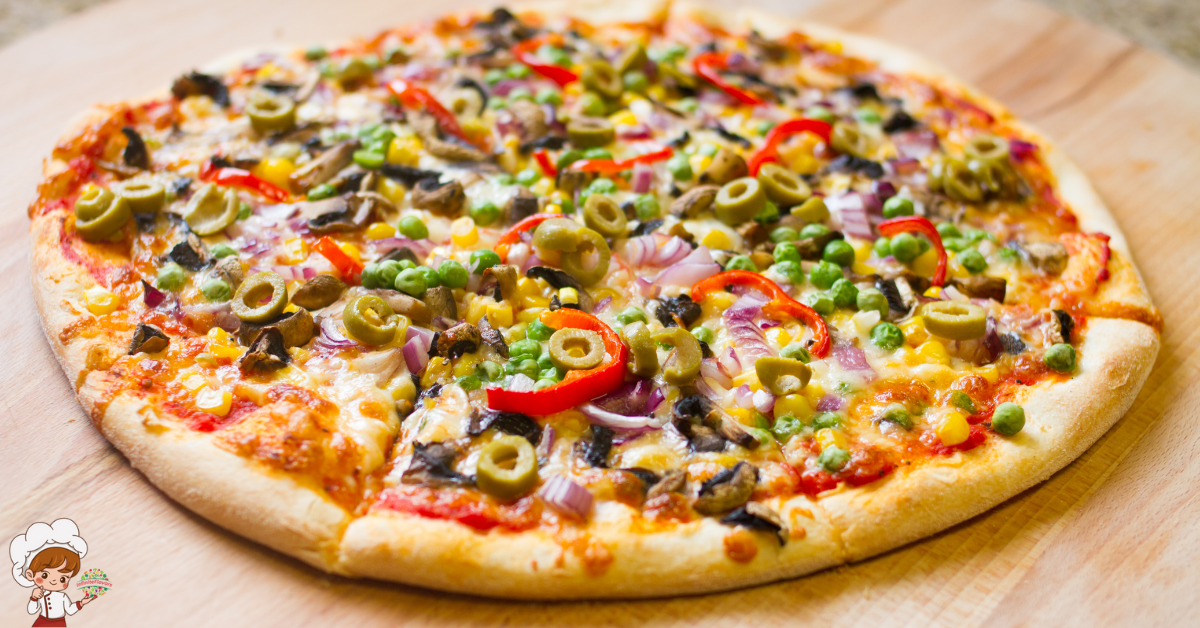
Unleashing Amazing Vegetarian Pizza; You can release your creativity with vegetarian pizza by starting with quality dough and a delicious sauce. Choose fresh mozzarella or unique cheese alternatives for extra flavor. Opt for seasonal veggies like zucchini or root vegetables to enrich your pizza’s taste and appearance. Don’t forget to layer toppings wisely and cook at a high temperature for that perfect crust. Pair your pizza with a light salad and a crisp white wine to elevate your meal. With these tips, you’ll make mouthwatering pizzas that impress. Keep going to discover popular recipes that will inspire your next cooking adventure!
Essential Pizza Ingredients
When it comes to making a delicious vegetarian pizza, having the right ingredients is key. Start with your pizza dough; its quality can make or break your pie. Focus on achieving the right dough hydration, which refers to the ratio of water to flour. A hydrated dough results in a light, airy crust that’ll impress anyone. Aim for about 60-70% hydration for a balanced texture, which makes it easier to stretch and shape.
Next, consider your sauce. A simple tomato sauce works wonders, but don’t shy away from experimenting with pesto or a white sauce. The freshness of your sauce can elevate the overall flavor profile, so choose ripe tomatoes or homemade basil pesto when possible.
Now, let’s talk about cheese. Opt for fresh mozzarella for that gooey, melted goodness, but feel free to mix in other cheeses like ricotta or goat cheese for added flavor.
Ingredient sourcing is essential here. Visit local farmers’ markets or specialty stores to get the freshest vegetables. Think bell peppers, spinach, artichokes, or even seasonal veggies like zucchini or eggplant. Fresh ingredients not only enhance the taste but also contribute to the visual appeal of your pizza.
Lastly, don’t forget the herbs! Fresh basil, oregano, or even a sprinkle of chili flakes can take your vegetarian pizza to the next level. With the right ingredients in hand, you’re well on your way to creating a memorable pizza experience.
Homemade Dough Recipes
Creating your own pizza dough at home can be a game changer for your vegetarian pizza. Not only does it allow you to customize flavors and textures, but it also enhances your overall pizza-making experience. To get started, you’ll need a few basic ingredients: flour, water, yeast, salt, and a touch of sugar.
One key factor in making great dough is dough hydration. This refers to the ratio of water to flour in your mixture. A higher hydration level leads to a softer, airier crust, while lower hydration results in a denser texture. For a balanced dough, aim for about 60-65% hydration. This means if you’re using 500 grams of flour, you’ll want to add around 300-325 grams of water.
Next, consider fermentation times. Allowing your dough to ferment longer enhances flavor and texture. After mixing your ingredients, let the dough rise at room temperature for 1-2 hours until it doubles in size. For even better results, refrigerate the dough for 24-48 hours. This cold fermentation process develops complex flavors and a chewy crust.
Once your dough has fermented, shape it into balls and let them rest for about 30 minutes before rolling. This resting period relaxes the gluten, making it easier to stretch. With your homemade dough ready, you’re all set to craft a delicious vegetarian pizza that’s sure to impress!
Flavorful Sauce Options
How do you elevate your vegetarian pizza from good to unforgettable? The answer lies in your choice of sauce. A well-crafted sauce can transform your pizza, enhancing every bite with rich flavors. Start by considering sauce thickness: a thicker sauce clings beautifully to your toppings, while a thinner sauce offers a lighter touch.
Next, think about sauce spiciness. If you love heat, incorporate chili flakes or hot sauce for a kick that complements your veggies. On the other hand, if you prefer milder flavors, a classic marinara or a creamy white sauce can be your go-to.
Don’t forget about sauce sweetness! Balancing acidity with a hint of sweetness can elevate your sauce’s flavor profile. You might want to add a bit of sugar or honey to tomato-based sauces to achieve that balance.
Freshness is key, too. Using fresh herbs or vegetables in your sauce creates a vibrant taste that enhances your pizza. Consider blending fresh basil or spinach into your sauce for an aromatic twist.
Lastly, focus on sauce texture. Whether you prefer a chunky tomato sauce or a smooth basil pesto, the texture can affect how the sauce interacts with your toppings.
Creative Vegetable Combinations
When you think about creative vegetable combinations for your pizza, consider using seasonal vegetable medleys that highlight fresh flavors. Pair these veggies with flavorful herbs to enhance their taste, and don’t forget to experiment with unique cheese options for added richness. With these elements, your vegetarian pizza will be anything but ordinary!
Seasonal Vegetable Medleys
Seasonal vegetable medleys can elevate your vegetarian pizza to a whole new level of flavor and vitality. By embracing the spring harvest, you can incorporate vibrant greens like asparagus and peas, creating a light and invigorating topping. As summer rolls in, take advantage of the summer bounty with ripe tomatoes, bell peppers, and zucchini, delivering a burst of color and taste.
In the fall, autumn flavors shine through with roasted butternut squash, caramelized onions, and earthy mushrooms. These ingredients not only add depth but also warmth to your pizza, making it perfect for cooler evenings. When winter arrives, think about winter warmth with hearty root vegetables like sweet potatoes and parsnips, which can be roasted for added sweetness and texture.
To truly enhance your seasonal medleys, consider local sourcing. Visit farmers’ markets or your local grocery store to find the freshest produce. If certain vegetables are out of season, explore preservation methods like pickling or freezing to maintain flavor and nutrients. This way, you can enjoy the essence of each season on your pizza all year round!
Flavorful Herb Pairings
To amplify the flavors of your seasonal vegetable medleys, incorporating the right herbs can truly make your vegetarian pizza stand out. Fresh basil is a classic choice, adding a sweet, aromatic touch that complements tomatoes beautifully. Try pairing it with roasted zucchini and bell peppers for a bright, colorful pizza. Oregano, with its robust flavor, works wonders with mushrooms and spinach, enhancing the earthiness of these ingredients.
Don’t forget about rosemary; its pine-like notes can elevate a combination of artichokes and olives, offering a Mediterranean flair. For a zesty kick, consider adding fresh cilantro to a mix of corn and black beans, bringing a revitalizing contrast to your toppings.
To maximize herb benefits, always store your herbs properly—keep them in a cool, dry place or refrigerate them in a damp paper towel to maintain freshness. You’ll appreciate the difference when you reach for vibrant, fragrant herbs to elevate your pizza. By experimenting with these herb pairings, you’ll find unique combinations that not only enhance the taste of your vegetables but also create a pizza that’s bursting with flavor.
Unique Cheese Options
Choosing unique cheese options can elevate your vegetarian pizza into a gourmet experience. Instead of sticking with the usual mozzarella, consider artisan cheese selections that bring depth and flavor to your dish. For instance, creamy goat cheese pairs wonderfully with roasted red peppers and arugula, creating a delightful contrast.
If you’re a fan of tangy flavors, try feta cheese with spinach and black olives. This combination not only enhances taste but also adds a Mediterranean flair to your pizza. For a richer, more indulgent experience, opt for aged gouda or smoked mozzarella, which work beautifully with caramelized onions and mushrooms.
When it comes to cheese pairing suggestions, think about the textures and flavors of your vegetables. A nutty provolone complements grilled zucchini and artichokes, while a sharp cheddar can balance out the sweetness of cherry tomatoes and basil. Don’t be afraid to mix and match! You can create a unique blend of cheeses that suits your palate. By experimenting with these unique cheese options, you’ll transform your vegetarian pizza into a mouthwatering masterpiece that impresses every time.
Unique Cheese Alternatives
When crafting a delicious vegetarian pizza, exploring unique cheese alternatives can elevate your dish beyond the ordinary. These alternatives not only bring diverse flavor profiles but also offer a range of nutritional benefits. For instance, cashew cheese, made from blended raw cashews, provides a creamy texture along with healthy fats, protein, and vitamins. It’s a fantastic option for those seeking a rich, nutty flavor.
Another great choice is nutritional yeast. This deactivated yeast has a cheesy, umami flavor and is often fortified with B vitamins, making it a nutritious addition to your pizza. Sprinkling it on top before baking can create a savory finish that satisfies your cheese cravings without dairy.
If you’re looking for something tangy, consider using goat cheese or feta. Both options pack a punch with their distinct flavor profiles and are lower in fat compared to traditional mozzarella. They can also add a delightful creaminess that contrasts beautifully with fresh vegetables.
Lastly, try blending different plant-based cheeses, such as almond or soy-based varieties. These can mimic the meltiness of traditional cheese while allowing you to explore a wider range of tastes. Combining these unique alternatives not only enhances the flavor of your pizza but also increases its nutritional benefits, ensuring you enjoy a meal that’s both satisfying and wholesome. So, go ahead and experiment with these options to create a vegetarian pizza that truly stands out!
Cooking Techniques for Perfect Pizza
Experimenting with unique cheese alternatives can set the stage for a truly memorable vegetarian pizza, but the cooking techniques you use will ultimately determine the dish’s success. To achieve that perfect crust, start with high-quality dough. If you’re using store-bought, let it come to room temperature before rolling it out. This helps create a more elastic texture.
When it comes to pizza baking, preheat your oven to the highest temperature possible—around 475°F to 500°F. This guarantees that your crust gets that desirable crispy texture. If you have a pizza stone, place it in the oven while it preheats; this will provide an even heat source. If you don’t, an upside-down baking sheet works just as well.
Now, let’s explore topping techniques. Less is often more when it comes to vegetarian toppings. Layer your ingredients strategically, starting with the sauce, followed by cheese alternatives, and then your fresh vegetables. This layering prevents sogginess and guarantees even cooking. For an extra burst of flavor, consider adding herbs or spices right before serving.
When you’re ready to bake, slide your pizza onto the hot stone or baking sheet. Keep an eye on it, as cooking times can vary. Typically, your pizza will be ready in about 10-15 minutes. Once it’s golden and the edges are crisp, you’ve nailed it! Let it cool for a minute, slice it up, and enjoy your delicious creation.
Popular Vegetarian Pizza Recipes
Vegetarian pizza offers a world of flavors and textures that can satisfy any craving. With a myriad of recipes at your fingertips, you can easily explore the latest pizza topping trends while embracing global pizza variations. Let’s plunge into some popular vegetarian pizza recipes that are sure to delight.
First up, the classic Margherita pizza is a timeless favorite. With its simple combination of fresh mozzarella, basil, and tomatoes, it highlights the beauty of quality ingredients. For something with a bit more spice, try a Mediterranean pizza loaded with olives, artichokes, roasted red peppers, and feta cheese. This recipe brings together the bright flavors of the Mediterranean in every bite.
If you’re in the mood for something unique, consider a Thai-inspired pizza. Start with a peanut sauce base, then top it with shredded carrots, bean sprouts, and scallions. Finish it off with a sprinkle of cilantro for an explosion of flavor. Alternatively, a BBQ veggie pizza can satisfy those smoky cravings. Use BBQ sauce as a base and pile on grilled vegetables like zucchini, corn, and red onions.
Don’t forget about the ever-popular mushroom and spinach pizza, which combines earthy flavors with fresh greens. Finally, for a fun twist, a cauliflower crust pizza can serve as a gluten-free base, allowing you to load up on your favorite toppings without the carbs. Each of these recipes showcases the versatility and creativity possible with vegetarian pizzas!
Tips for Serving and Pairing
After whipping up your delicious vegetarian pizza, the next step is to think about how to serve and pair it for the best dining experience. Start by considering the serving temperature; a pizza is best enjoyed hot, right out of the oven. If you’ve let it cool, reheat it briefly in the oven for that crispy crust.
Now, let’s talk about garnish ideas. Fresh herbs like basil or arugula add a burst of flavor and make your pizza visually appealing. You could also drizzle a bit of balsamic glaze or olive oil on top for an extra touch of sophistication. If you’re feeling adventurous, try serving it with a side of homemade pesto or a zesty marinara sauce for dipping.
Pairing your pizza with the right beverages can elevate the meal. A crisp white wine, like a Sauvignon Blanc, complements the fresh vegetables beautifully. For a non-alcoholic option, consider sparkling water with a slice of lemon or a invigorating herbal iced tea.
Don’t forget about the sides! A simple green salad with a light vinaigrette can balance the richness of the pizza. If you want to go all out, add some garlic bread or stuffed mushrooms to the mix.
Frequently Asked Questions: Unleashing Amazing Vegetarian Pizza
Can I Use Gluten-Free Flour for Pizza Dough?
Yes, you can use gluten-free flour for pizza dough. Just remember, the dough texture might differ from traditional versions. Experiment with gluten-free options to find the right balance for your perfect pizza crust.
How Do I Store Leftover Vegetarian Pizza?
To store leftover vegetarian pizza, wrap it tightly in plastic wrap or foil. When you’re ready to enjoy it again, use reheating techniques like the oven or skillet to maintain those delicious pizza toppings.
What Are the Best Herbs to Enhance Pizza Flavor?
To enhance your pizza’s flavor, try herb combinations like basil and oregano for a classic taste, or experiment with rosemary and thyme for a unique twist. These flavor profiles elevate your dish and delight your taste buds!
Can I Freeze Homemade Vegetarian Pizza?
Yes, you can freeze homemade vegetarian pizza! Just use proper freezing techniques, like wrapping it tightly. When you’re ready to eat, try reheating methods like baking or microwaving for the best results. Enjoy!
What Kitchen Tools Are Essential for Making Pizza?
To make pizza, you’ll need essential tools like a pizza stone for even baking and a dough scraper for easy handling. These tools will help you create the perfect crust and manage your ingredients effectively.

Conclusion
You’re now ready to release your vegetarian pizza-making skills! With the right ingredients, delicious sauces, and creative toppings, you can create mouthwatering pies that everyone will love. Experiment with unique cheese alternatives and perfect your cooking techniques to achieve that ideal crust. Don’t forget to try out popular recipes and impress your friends with your culinary creations. So roll up your sleeves and get ready to enjoy the vibrant flavors of homemade vegetarian pizza!
If you enjoyed exploring this topic and want to dive even deeper, be sure to check out some of our other articles here on Infinite Flavors. From rich culinary histories to creative twists on classic recipes, there’s always something new to discover. Whether you’re curious about the origins of a dish, looking for fresh inspiration in the kitchen, or simply love learning about food culture, our collection of posts is the perfect next step on your flavor journey.
Exciting Vegan-Friendly For Exceptional Slow Cooking Techniques
Ultimate Guide 14 Slow Cooking Soup Recipes
Exciting Vegan-Friendly For Exceptional Slow Cooking Techniques