The Great History of Slow Cooker Banana Bread
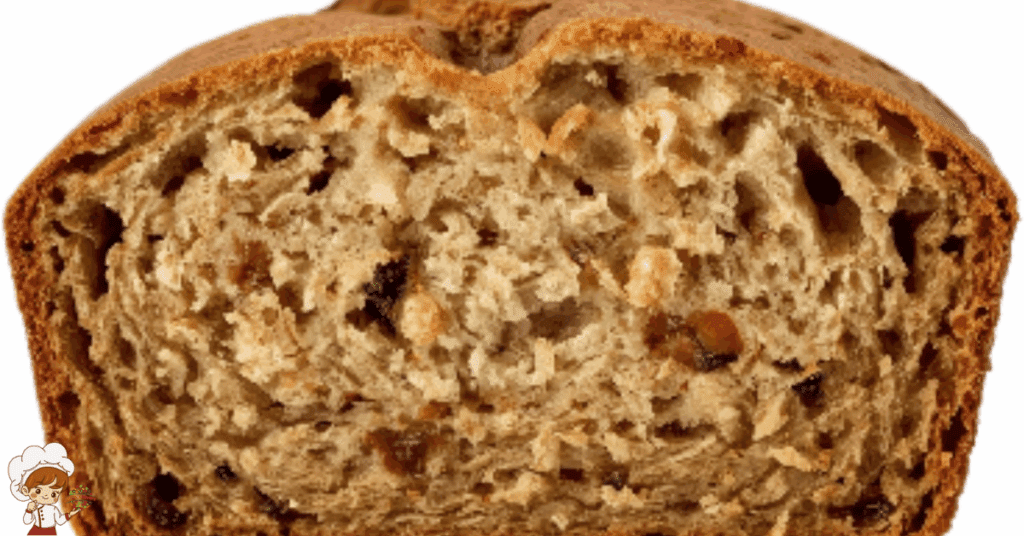
The Great History of Slow Cooker Banana Bread; Slow Cooker Banana Bread takes one of the world’s most beloved comfort foods and gives it a modern twist—moist, tender, and effortlessly baked to perfection. But behind this cozy slow-cooked treat lies a surprisingly rich history that spans frugality, innovation, and generations of home baking. From the resourceful cooks of the Great Depression to the rise of the Crock-Pot in the 1970s, banana bread has continually evolved while staying rooted in comfort and creativity. This post explores how banana bread became a household staple and how the slow cooker transformed it into an easy, foolproof favorite for today’s busy kitchens.
The story of Slow Cooker Banana Bread is not just about convenience or flavor—it’s a journey through culinary history, technological innovation, and the timeless desire to make something comforting out of something simple. From the resourceful homemakers of the Great Depression to the modern-day slow cooker revolution, banana bread has remained a symbol of ingenuity, warmth, and home-baked love.
This blog will help you:
- Understand the origins of banana bread and how it became a beloved American classic.
- Learn how the Great Depression shaped the rise of quick breads and banana-based recipes.
- Discover how the slow cooker revolutionized home baking and dessert making.
- Explore why slow-cooked banana bread is extra moist, tender, and flavorful.
- Appreciate the blend of tradition and modern convenience behind this comforting recipe.
The Origins of Banana Bread: From Waste Not to Wow
The history of banana bread begins with a humble fruit that was once considered exotic. Bananas were first introduced to the United States in the late 1800s, imported from Central America and the Caribbean. Initially, they were a luxury item—rare, expensive, and often eaten raw rather than used in baking.
By the early 20th century, advances in transportation and refrigeration made bananas widely available and affordable. However, their short shelf life presented a problem. Overripe bananas turned brown and soft within days, leaving homemakers searching for creative ways to avoid waste.
Enter banana bread. During the Great Depression of the 1930s, frugality was a necessity. Cookbooks and household magazines began publishing recipes that turned leftover or spoiled food into new dishes. Overripe bananas, once discarded, became a star ingredient in quick breads—a type of bread that uses baking soda or baking powder instead of yeast.
The earliest printed banana bread recipes appeared in community cookbooks and promotional pamphlets from flour and baking powder companies. They encouraged thrifty homemakers to make use of every ingredient, transforming waste into something delightful.
By the 1940s, banana bread had cemented its place in American kitchens. It was easy, affordable, and comforting—qualities that made it a lasting favorite.
The Evolution of Quick Breads in American Baking
To understand the rise of banana bread, one must first appreciate the history of quick breads. Before chemical leavening agents like baking soda and baking powder, yeast was the only way to make bread rise—a process that required patience and precision.
In the mid-19th century, the invention of baking soda revolutionized home baking. It allowed cooks to create tender, cake-like breads quickly and without yeast. Recipes for nut breads, date breads, and fruit breads flourished, paving the way for the banana bread we know today.
Banana bread was the perfect marriage of this new technology and old-fashioned ingenuity. It fit seamlessly into the era’s evolving kitchen culture—easy to prepare, adaptable, and endlessly satisfying.
The Sweet Rise of Banana Bread Popularity
By the mid-20th century, banana bread had evolved from a frugal necessity into a beloved comfort food. It became a fixture at bake sales, potlucks, and family gatherings. Each household seemed to have its own variation—some with walnuts or pecans, others with chocolate chips or a cinnamon swirl.
The 1960s and 1970s saw banana bread featured in countless community cookbooks. Its simplicity and adaptability made it an ideal recipe for new home bakers. It required no kneading, no yeast, and used ingredients almost everyone had on hand.
Cultural nostalgia also played a role. Banana bread symbolized home, warmth, and togetherness—a recipe that could be passed down through generations and never go out of style.
The Birth of the Slow Cooker Revolution
The evolution from oven-baked banana bread to Slow Cooker Banana Bread owes its roots to a mid-century kitchen innovation: the slow cooker.
In the 1940s, inventor Irving Naxon developed a device inspired by his grandmother’s tradition of slow-cooking stews for the Sabbath. He patented the “Naxon Beanery” in 1940, an appliance that used gentle, consistent heat to cook food over long periods.
When Rival Manufacturing acquired Naxon’s design in 1971, they rebranded it as the Crock-Pot—a name that would soon become synonymous with slow cooking. The slow cooker revolutionized home kitchens, allowing busy families to prepare meals with minimal effort.
Initially marketed for soups, stews, and roasts, the slow cooker quickly proved its versatility. By the 1980s, inventive home cooks began experimenting with desserts and breads. The consistent, low heat provided an even cooking environment—ideal for moist cakes, cobblers, and yes, banana bread.
Why Slow Cooker Banana Bread Became a Modern Favorite
The rise of Slow Cooker Banana Bread in the 21st century can be attributed to several factors. First, modern lifestyles have shifted toward convenience-driven cooking. People want homemade comfort foods without spending hours in the kitchen.
The slow cooker delivers that promise. It requires minimal supervision—just mix, pour, and let it cook. The slow, steady heat ensures a moist, dense texture that’s often difficult to achieve in a traditional oven.
Additionally, slow cookers retain more moisture, which prevents overbaking. This is especially beneficial for banana bread, where dryness can ruin the flavor. The result is a loaf that’s soft, tender, and evenly baked every time.
Social media also played a role in the resurgence of slow cooker baking. Platforms like Pinterest, TikTok, and Instagram popularized the idea of “set-it-and-forget-it” desserts, showcasing the simplicity and success of slow cooker banana bread recipes.
The Science Behind Perfect Slow Cooker Banana Bread
What makes banana bread thrive in a slow cooker environment? The answer lies in temperature and moisture retention.
Traditional ovens use dry heat, which can sometimes bake the edges faster than the center. The slow cooker, on the other hand, uses moist heat trapped under its lid, creating a mini steam chamber. This allows the batter to bake gently and uniformly.
The slow cooker’s lower temperature also gives the bananas more time to caramelize, intensifying their natural sweetness. As a result, the final loaf is not only moist but richly flavored—an ideal marriage of science and tradition.
This slow process mirrors the very nature of banana bread’s origin—taking time, patience, and simple ingredients to create something extraordinary.
Banana Bread Around the World
While banana bread is widely associated with American home baking, versions of banana-based breads exist across the globe. In the Caribbean and parts of Africa, plantain breads have long been traditional staples. In Southeast Asia, sweet banana cakes and steamed banana breads appear in local cuisine.
These international variations reflect the banana’s global journey from tropical fruit to pantry essential. The Slow Cooker Banana Bread we know today carries hints of these traditions—a fusion of tropical ingredients and modern techniques.
Slow Cooker Desserts: A Modern Culinary Trend
Slow cookers have become more than just meal prep tools—they’re a symbol of the modern comfort food movement. In recent years, home cooks have embraced slow cooker desserts for their convenience and foolproof results.
Desserts like lava cakes, fruit cobblers, bread puddings, and banana bread all benefit from slow cooking’s gentle heat. The slow cooker has turned into an all-season appliance, capable of producing everything from warm winter puddings to moist breakfast breads.
Slow Cooker Banana Bread stands out because it represents the evolution of both the slow cooker and banana bread traditions. It’s a perfect example of how innovation can enhance, not replace, classic comfort foods.
The Comfort and Culture of Banana Bread
Banana bread carries emotional weight that few other desserts can match. It’s the smell of childhood kitchens, the taste of home, and the comfort of something made from love and simplicity.
In times of uncertainty, banana bread has often seen a resurgence. During the 2020 global pandemic, for example, banana bread became one of the most searched and baked recipes worldwide. It symbolized resilience—a small joy that could be created even in challenging times.
The slow cooker version amplifies that comfort by making the process effortless. It allows anyone, regardless of skill level, to recreate the nostalgic warmth of home baking.
The Intersection of Technology and Tradition
The story of Slow Cooker Banana Bread is a reflection of how technology preserves tradition. Just as early 20th-century cooks used baking soda to simplify breadmaking, modern cooks use slow cookers to simplify the process without sacrificing flavor.
Every generation adapts classic recipes to its tools and needs. For today’s busy home cooks, the slow cooker represents that evolution—a bridge between slow, intentional cooking and modern convenience.
By using technology to honor the past, the slow cooker keeps the spirit of homemade banana bread alive for new generations to enjoy.
Why Banana Bread Will Never Go Out of Style
Some foods are timeless. Banana bread’s enduring appeal lies in its versatility and heartwarming simplicity. It’s a dessert, a breakfast, a snack, or even a gift. It can be made fancy with glazes and nuts or kept humble with just ripe bananas and flour.
In every form, banana bread reminds us of something deeper—gratitude for small pleasures, appreciation for imperfection, and the creativity that comes from making the most of what we have.
Slow Cooker Banana Bread carries that same message into the modern world: comfort doesn’t have to be complicated, and good food doesn’t have to be rushed.
Slow Cooker Banana Bread
Ingredients
- Ripe bananas
- flour
- sugar
- eggs
- baking soda
- walnuts.
Instructions
- Mash bananas and mix with other ingredients.
- Pour into a greased slow cooker and cook on low for 2-3 hours.
FAQ: The Great History of Slow Cooker Banana Bread
What is the origin of banana bread?
Banana bread originated in the United States during the 1930s, when thrifty home cooks sought ways to use overripe bananas during the Great Depression.
Who invented the slow cooker?
Irving Naxon invented the first slow cooker in the 1940s, later popularized by Rival’s Crock-Pot in the 1970s.
Why is slow cooker banana bread so moist?
The slow cooker traps steam as it cooks, keeping the bread moist and tender without drying it out.
Is banana bread considered a cake or a bread?
Technically, banana bread is a type of quick bread—dense and sweet like a cake but baked in a loaf pan.
Can you use the same recipe for oven and slow cooker versions?
Yes, with slight adjustments to time and temperature. The slow cooker takes longer but results in a moister texture.
When did slow cooker baking become popular?
Slow cooker desserts gained popularity in the late 20th century, with a resurgence in the 2010s due to modern cooking trends.
Why is banana bread considered a comfort food?
Because it’s simple, familiar, and made with ingredients found in most kitchens—it’s a symbol of home and nostalgia.
How does slow cooking change the flavor?
Slow cooking enhances banana flavor by allowing the natural sugars to caramelize gradually, deepening the sweetness.

The Timeless Allure of Slow Cooker Banana Bread
From Depression-era innovation to modern kitchen convenience, banana bread has stood the test of time as one of the most cherished comfort foods in history. Its transformation into a slow cooker staple is a testament to how timeless recipes evolve while keeping their heart intact.
Slow Cooker Banana Bread is more than just an easier method—it’s a celebration of patience, creativity, and the joy of home baking. It bridges generations, connecting the past’s resourcefulness with the present’s technology.
As long as there are ripe bananas on the counter and people who crave the scent of something sweet baking, banana bread—in all its forms—will continue to warm kitchens and hearts alike.
If you enjoyed exploring this topic and want to dive even deeper, be sure to check out some of our other articles here on Infinite Flavors. From rich culinary histories to creative twists on classic recipes, there’s always something new to discover. Whether you’re curious about the origins of a dish, looking for fresh inspiration in the kitchen, or simply love learning about food culture, our collection of posts is the perfect next step on your flavor journey.
The History Of The Great Slow Cooker Apple Crisp
The Great Origin Of Slow Cooker Rice Pudding
The Great History Of Slow Cooker Berry Cobbler