Essential Spices For Authentic Turkish Cuisine

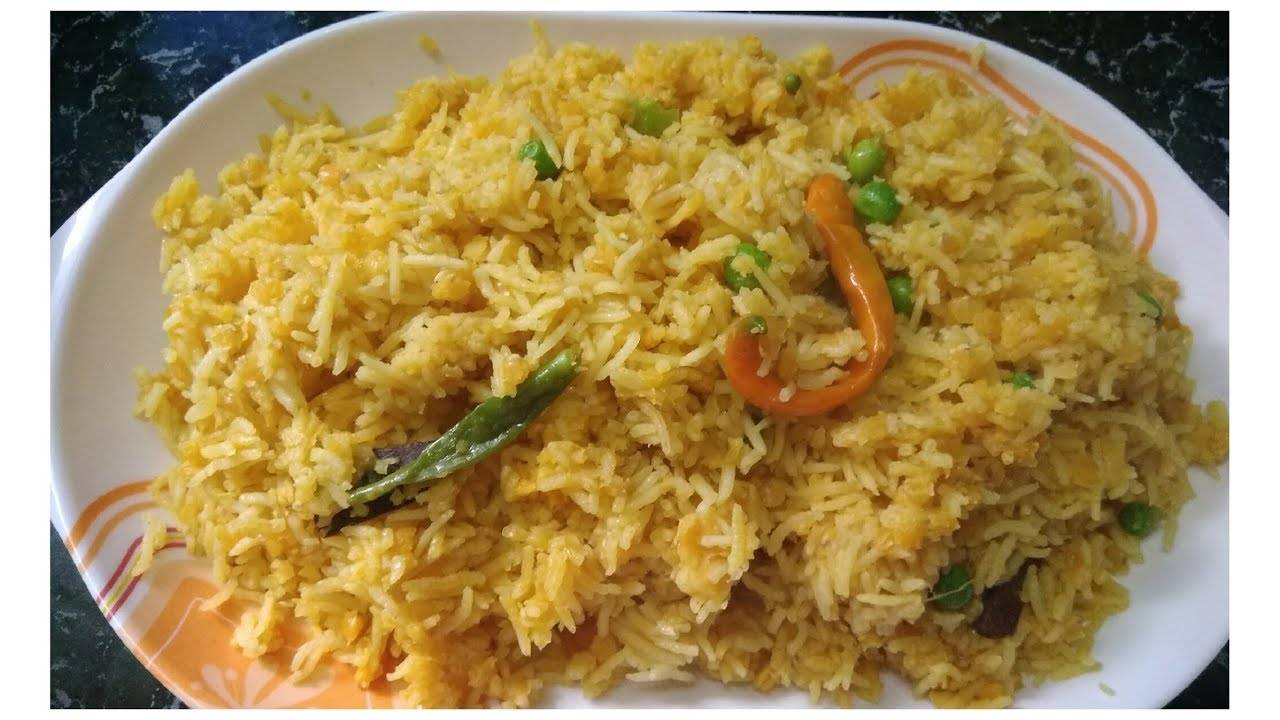
Essential Spices For Authentic Turkish; To create authentic Turkish dishes, you’ll want to stock up on some key spices. Cumin adds warmth and earthy notes, while paprika brings vibrant color and flavor. Don’t forget red pepper flakes for a touch of heat and sumac for its tangy twist. Oregano and thyme infuse depth into your meals, and cardamom gives a unique sweetness, especially in pilafs. Saffron elevates dishes with its luxurious taste, while bay leaves enhance stews and rice. Each spice plays a significant role in Turkish cooking, and exploring their uses can reveal many delicious secrets along the way.
We’ve Got Everything You Need to Make Your Masterpiece.
Cumin
Cumin is one of the most essential spices in Turkish cuisine, adding a warm, earthy flavor to a variety of dishes. You’ll find it in everything from kebabs to soups, enhancing the overall taste and depth of flavors. The history of cumin dates back thousands of years, tracing its roots to the Mediterranean and South Asia. Ancient cultures revered this spice, using it not only for culinary purposes but also for medicinal properties.
When you think about cumin cultivation, it’s fascinating to know that this spice thrives in warm, dry climates. Farmers typically grow cumin in regions like Turkey, Iran, and India, where the soil is rich, and the sun shines brightly. Harvesting cumin isn’t just about picking the seeds; it involves a keen understanding of the plant’s lifecycle, ensuring that the seeds are collected at the right time for ideal flavor.
As you explore Turkish recipes, you’ll notice how cumin plays a starring role. It’s often toasted to release its oils, creating an even richer aroma. This spice can be used in whole seed form or ground into a powder, allowing you to choose how it best fits your cooking style. Whether you’re preparing a traditional dish or experimenting with new flavors, cumin is a must-have in your spice cabinet. Embrace its unique taste and history, and you’ll elevate your culinary creations to new heights.
Paprika
How can a dish truly come alive without the vibrant touch of paprika? This spice, with its rich colors and flavors, is essential in Turkish cuisine. You’ll find it enhances everything from stews to kebabs, adding depth and warmth. Paprika comes in various varieties, each offering a unique flavor profile. The most common types include sweet, smoked, and hot paprika. Sweet paprika lends a mild sweetness, while smoked paprika infuses a delightful smoky note. If you’re looking for a kick, hot paprika packs a punch that’ll elevate your dishes.
When using paprika, consider the freshness and quality. It’s best to buy it in small quantities, as it can lose its potency over time. Proper paprika storage is vital to maintaining its vibrant flavor. Keep your paprika in a cool, dark place, away from light and moisture. An airtight container is ideal to prevent any exposure to air, which can dull its taste and color.
Incorporating paprika into your cooking is simple. Just sprinkle it into your dishes as you sauté vegetables or marinate meats. You can even use it as a garnish for a pop of color on finished dishes. With its versatility and ability to transform meals, paprika is a must-have in your spice cabinet. So, embrace the rich flavors of paprika and take your Turkish dishes to the next level!
Red Pepper Flakes
While many spices play a role in Turkish cuisine, red pepper flakes stand out for their ability to add heat and complexity to a variety of dishes. These vibrant flakes, derived from various red pepper varieties, can transform a simple recipe into a flavorful masterpiece. In Turkish cooking, you’ll often find them sprinkled generously on mezes, soups, and stews, enhancing not only the taste but also the visual appeal of your meals.
When using red pepper flakes, you can experiment with different cooking techniques to achieve the best results. For instance, to maximize their flavor, sauté the flakes in olive oil before adding other ingredients. This method allows the oil to extract their natural oils and intensifies the heat. Alternatively, you might prefer to sprinkle them on top of a dish just before serving, allowing their warmth to lightly permeate without overpowering the other flavors.
Choosing the right red pepper variety is essential, as they can range from mildly sweet to fiery hot. Turkish cuisine often utilizes varieties like Aleppo pepper, which provides a balanced heat with fruity undertones, perfect for those who want to add flavor without overwhelming spice. By incorporating red pepper flakes into your cooking, you’ll not only honor traditional Turkish recipes but also discover new dimensions of flavor that can elevate your culinary creations. So, don’t hesitate—bring a little heat into your kitchen and savor the richness of Turkish cuisine.
We’ve Got Everything You Need to Make Your Masterpiece.
Sumac
Sumac brings a unique tangy flavor to your dishes, enhancing everything from salads to grilled meats. It’s not just about taste; this spice also offers a range of health benefits, packed with antioxidants and anti-inflammatory properties. Let’s explore how you can incorporate sumac into your cooking and enjoy its advantages.
Flavor Profile and Uses
The vibrant tang of sumac brings a unique brightness to Turkish cuisine, elevating dishes with its distinct flavor. This zesty spice, with its deep red hue, has a tartness that’s often compared to lemon, making it an ideal addition to salads, meats, and grilled vegetables. When you sprinkle sumac over a traditional döner kebab or a fresh tabbouleh, you instantly enhance the overall taste, creating a mouthwatering experience.
In Turkish cooking, spice blending techniques are key to achieving balanced flavors. Sumac works well with other spices like cumin and paprika, allowing you to create complex flavor profiles. Don’t hesitate to experiment with regional spice variations, as each area of Turkey may showcase sumac differently. For instance, in southeastern regions, it’s often combined with hot spices for a bolder kick.
You can also use sumac to finish dishes, adding it just before serving to preserve its bright flavor. Whether you’re preparing a simple yogurt dip or a hearty stew, incorporating sumac will certainly leave a lasting impression on your palate and transport you to the heart of Turkey’s rich culinary heritage.
Health Benefits of Sumac
Incorporating sumac into your meals not only enhances flavor but also offers a variety of health benefits. This vibrant spice, rooted in the Middle Eastern and Mediterranean regions, has origins that trace back centuries. It’s derived from the dried berries of the sumac plant, and you’ll find various sumac varieties, each with unique flavor profiles and health properties.
One of the standout benefits of sumac is its high antioxidant content. Antioxidants are essential for combating free radicals in your body, promoting overall health and potentially reducing the risk of chronic diseases. Sumac also possesses anti-inflammatory properties, which can help alleviate symptoms associated with conditions like arthritis.
Additionally, sumac can support digestive health. It’s known to aid in digestion and can help regulate blood sugar levels, making it a great addition for those managing diabetes. When you sprinkle sumac on your dishes, you’re not just adding a zesty kick; you’re also giving your body a health boost. So, whether you’re using it in salads, marinades, or as a seasoning, sumac is a fantastic choice for both flavor and wellness.
Oregano
Oregano, a staple in Turkish kitchens, brings a robust flavor that enhances a variety of dishes. When you cook traditional Turkish meals, whether it’s a savory kebab or a comforting stew, the addition of oregano elevates the taste profile, making it more aromatic and flavorful. There are several oregano varieties to choose from, each offering a unique taste. The most common is Mediterranean oregano, known for its strong, slightly bitter flavor. If you’re looking for something milder, you might opt for Mexican oregano, which has a more earthy note and pairs well with tomato-based dishes.
When you find yourself out of oregano, don’t worry! There are oregano substitutes you can try. Thyme and marjoram can serve as excellent alternatives, as they share similar flavor profiles. If you’re in a pinch, even basil can work, though it’ll give a different taste. When using substitutes, remember to adjust the amounts, as some herbs are more potent than others.
In Turkish cuisine, oregano isn’t just an afterthought; it’s an essential ingredient that adds depth to your meals. You can sprinkle it on grilled vegetables, mix it into marinades, or use it in your favorite dips. Experimenting with different oregano varieties can also help you discover new dimensions of flavor in your cooking. So next time you’re in the kitchen, don’t forget to reach for that jar of oregano—it’s a simple way to transform your dishes into something truly authentic.
Mint
Mint adds a invigorating burst of flavor that’s hard to resist in Turkish cuisine. This aromatic herb plays an essential role in a variety of dishes, from invigorating salads to hearty stews. You’ll find that different mint varieties, such as spearmint and peppermint, bring unique flavors to the table. While spearmint is often favored for its sweet, mild taste, peppermint’s strong, cooling profile can elevate dishes in unexpected ways.
When you’re cooking, consider using fresh mint for its vibrant flavor, but don’t overlook dried mint. Dried mint can add depth and intensity to your meals, making it a staple in many Turkish spice cabinets. If you want to incorporate mint in your cooking, you can easily toss it into yogurt-based sauces or sprinkle it over grilled meats and vegetables.
Mint preservation is essential for maintaining its freshness. If you have a garden or access to fresh mint, you can dry it at home. Simply hang the sprigs upside down in a cool, dark place until they’re fully dried. Alternatively, you can freeze mint leaves in ice cube trays filled with water, allowing you to pop out portions whenever you need them.
Coriander
Coriander brings a unique flavor profile that can brighten up your meals with its citrusy notes. You’ll find it commonly used in various Turkish dishes, enhancing everything from stews to salads. Let’s explore how this versatile spice can elevate your culinary creations.
We’ve Got Everything You Need to Make Your Masterpiece.
Flavor Profile of Coriander
Exploring the unique flavor profile of coriander reveals a delightful blend of citrusy brightness and earthy warmth. This spice, with its roots tracing back to the coriander origins in the Mediterranean and parts of Asia, brings a distinct taste that can enhance many dishes.
Coriander varieties, ranging from the fresh green leaves to the dried seeds, each offer their own unique characteristics. The fresh leaves, often referred to as cilantro, provide a zesty, almost lemony flavor that can brighten up any meal. In contrast, the dried seeds deliver a warm, nutty essence that adds depth and complexity to your cooking.
When you taste coriander, you might notice subtle hints of spice and sweetness that make it truly versatile. Its flavor can complement a wide array of ingredients, making it a favorite among many cuisines, including Turkish. Understanding the flavor profile of coriander allows you to appreciate how it can elevate your dishes, creating a balance of flavors that is both invigorating and comforting. So, whether you’re using the leaves or the seeds, you’re sure to enjoy the aromatic experience that coriander brings to your culinary adventures.
Culinary Uses in Dishes
In Turkish cuisine, coriander plays an essential role in enriching a variety of dishes. You’ll find it used in both whole seeds and ground form, adding a new, citrusy flavor that enhances many traditional recipes. When cooking kebabs, for instance, mixing coriander with cumin and paprika creates a delightful spice combination that elevates the meat’s taste.
Coriander’s versatility shines in soups and stews as well. You can sprinkle ground coriander into lentil soup or a hearty vegetable stew for an aromatic boost. In regional variations, such as those found in southern Turkey, you might come across dishes like “Çılbır,” where coriander adds a unique twist to the classic poached eggs served over yogurt.
Don’t forget about salads, either! Fresh coriander leaves can brighten up a simple cucumber and tomato salad, giving it a revitalizing kick. Additionally, if you’re preparing a spice blend for “Kısır,” the Turkish bulgur salad, coriander is a must-have ingredient that ties all the flavors together. Overall, incorporating coriander into your cooking will bring an authentic touch to your Turkish dishes.
Fennel Seeds
Enhancing the flavor of many Turkish dishes, fennel seeds bring a unique anise-like taste that complements both savory and sweet recipes. You’ll often find these tiny seeds in various traditional meals, adding depth and a hint of sweetness. Fennel seeds are particularly popular in dishes like köfte (meatballs) and pilafs, where their aromatic quality elevates the overall flavor profile.
When you explore fennel recipes, consider using these seeds in spice blends or as a seasoning for roasted vegetables. They can also be steeped in hot water to make a soothing tea, perfect for aiding digestion—a wonderful benefit of fennel health. You might even try incorporating fennel seeds into desserts, such as Turkish delight or puddings, to surprise your taste buds with their unique flavor.
Beyond their culinary uses, fennel seeds boast numerous health benefits. They’re known for their antioxidant properties, which can help combat inflammation. Plus, they’re rich in fiber, promoting digestive health and making them a great addition to your diet. When you use fennel seeds in your cooking, you’re not just enhancing flavors; you’re also taking advantage of their nutritional value.
Black Pepper
Fennel seeds may add a distinct flavor to Turkish cuisine, but black pepper is a spice that brings warmth and depth to countless dishes. You’ll find it enhancing everything from stews to grilled meats, infusing them with a rich, piquant flavor that elevates the overall experience. The true beauty of black pepper lies in its versatility; various black pepper varieties offer unique profiles that can complement different ingredients beautifully.
Black pepper’s origins trace back to India, where it’s been cultivated for thousands of years. The spice made its way across trade routes, eventually becoming a staple in kitchens worldwide. In Turkey, it plays an essential role in traditional recipes, often used alongside other spices to create a well-rounded flavor palette. You might encounter black pepper in its whole form, cracked, or freshly ground, each presenting a different intensity and aroma.
When you’re cooking, don’t hesitate to experiment with black pepper. Try using Tellicherry black pepper for a more robust flavor or explore the nuances of Malabar black pepper, which can add a subtle heat and complexity to your dishes. Incorporating these varieties into your cooking will not only enhance your meals but also connect you to the rich culinary history of Turkey. Remember, the right amount of black pepper can turn a simple dish into something extraordinary, so sprinkle it liberally and enjoy the depth it brings to your culinary creations.
Allspice
Allspice, often referred to as Jamaican pepper, brings a unique warmth and aromatic depth to Turkish cuisine. This versatile spice, with its sweet and spicy notes, can elevate a variety of dishes, from stews to meat marinades. Its history traces back to the Caribbean, where it was first discovered by European explorers. Today, allspice is a staple in many kitchens around the world, including Turkey, where it’s used to add complexity to traditional recipes.
When you cook with allspice, you’re not just enhancing flavor; you’re also tapping into a rich culinary tradition. Its unique profile combines hints of cinnamon, nutmeg, and clove, making it an excellent addition to both sweet and savory dishes. If you find yourself without allspice, don’t worry—there are effective substitutes. A blend of cinnamon, nutmeg, and cloves can mimic its flavor quite well. Alternatively, using a combination of black pepper and cinnamon can also deliver a similar warmth.
When incorporating allspice into your cooking, try adding it to ground meats for köfte or sprinkle it into your pilaf for an extra kick. You’ll discover that this spice not only complements traditional ingredients but also enhances the overall experience of your meals. So, as you explore the world of Turkish cuisine, don’t overlook allspice—it’s a small but mighty ingredient that can transform your dishes!
We’ve Got Everything You Need to Make Your Masterpiece.
Cardamom
Cardamom packs a unique flavor that can elevate your Turkish dishes. You’ll find it in both sweet desserts and savory meals, showcasing its versatility. Plus, its health benefits add an extra layer of appeal, making it a spice you won’t want to overlook.
Flavor Profile of Cardamom
When exploring the vibrant world of Turkish cuisine, you’ll quickly discover that cardamom stands out with its unique flavor profile. This aromatic spice, with its warm, slightly sweet, and subtly spicy notes, adds depth to a variety of dishes. You’ll often find it in both sweet and savory recipes, showcasing its versatility.
There are two primary cardamom varieties: green and black. Green cardamom is the more common choice, prized for its bright, citrus-like flavor, while black cardamom offers a smoky, earthy taste that can transform a dish. Each variety brings something special to the table, making them essential in authentic Turkish cooking.
If you’re in a pinch and can’t find cardamom, there are a few cardamom substitutes you could consider. Ground cinnamon or nutmeg can mimic some of its warmth, while ginger can provide a spicy kick. However, nothing truly replaces cardamom’s complex profile, so it’s best to use it whenever possible. Embracing cardamom in your cooking will elevate your culinary experience and bring a taste of Turkey to your home.
Culinary Uses in Dishes
The allure of cardamom shines through in its diverse culinary applications within Turkish cuisine. You’ll find it adding a unique depth to both sweet and savory dishes, making it a staple in various recipes. In pilafs, a pinch of cardamom enhances the fragrance, elevating your rice dishes to new heights. You can also incorporate it into Turkish coffee, where its aromatic qualities complement the rich flavors beautifully.
When creating Turkish spice blends, cardamom plays a starring role. It’s often featured in blends like baharat, where its warm notes harmonize with other spices, providing a rich, complex flavor. Depending on the region, you might encounter regional spice variations that use cardamom differently. In some areas, it’s added to stews or meat dishes, while in others, it’s reserved for desserts like baklava or halva, imparting a delightful sweetness.
Health Benefits and Properties
In addition to its culinary charm, cardamom offers a range of health benefits that make it a valuable addition to your diet. This spice, with origins tracing back to ancient India and the Middle East, is known for its fragrant aroma and unique flavor. It contains compounds that may aid digestion, reduce inflammation, and even improve oral health. Plus, cardamom’s antioxidant properties can help combat oxidative stress in your body.
You might have heard various health myths surrounding cardamom, but it’s important to separate fact from fiction. For instance, some believe cardamom can cure serious illnesses, but it’s more effective as a complementary spice that supports overall wellness. Regularly incorporating cardamom into your meals can enhance not only the flavor but also your health.
Whether you add it to your morning coffee or use it in savory dishes, cardamom can invigorate your meals while providing numerous health benefits. So, don’t hesitate to explore this versatile spice; it’s a simple way to boost both your culinary creations and your well-being. Embrace its potential, and enjoy the journey of health and flavor!
Saffron
Saffron stands out as one of the most prized spices in Turkish cuisine, celebrated for its vibrant color and unique flavor. When you think of saffron, you’re likely picturing those delicate threads that lend a golden hue to dishes like saffron rice and pilaf. But what really makes saffron special is its labor-intensive cultivation. You’d find that saffron is derived from the Crocus sativus flower, which blooms in the fall. Each flower produces only three red stigmas, which must be hand-harvested during a narrow window in the early morning. This meticulous process is what makes saffron so valuable and contributes to its high pricing.
As you explore Turkish recipes, you’ll notice that a little saffron goes a long way. Just a pinch can elevate your dishes, adding depth and a subtle sweetness that’s hard to replicate with any other spice. However, due to its rarity and the effort involved in saffron cultivation, you’ll also see that saffron pricing can be quite steep. It’s crucial to buy from reputable sources to guarantee you’re getting genuine saffron, as the market can sometimes be flooded with lower-quality alternatives.
Incorporating saffron into your cooking not only enhances the flavor but also connects you to centuries of culinary tradition in Turkey. So next time you prepare a dish, consider adding this luxurious spice for an authentic touch.
Thyme
Thyme’s a staple in Turkish cooking, adding depth to a variety of dishes. You’ll find it in everything from stews to grilled meats, enhancing flavors while offering health benefits like improved digestion and respiratory health. Let’s explore how this aromatic herb plays an essential role in traditional recipes and its culinary uses.
Culinary Uses of Thyme
One of the most versatile herbs in Turkish cuisine, thyme adds a distinctive flavor to a variety of dishes. You’ll find it enhancing everything from savory stews to grilled meats. Different thyme varieties, such as common thyme and lemon thyme, each bring their unique notes to your cooking. When you’re preparing traditional Turkish meals, don’t hesitate to experiment with these varieties to discover the perfect pairing for your dish.
Thyme works beautifully in marinades, lending an aromatic touch to lamb and chicken. You can also sprinkle it over roasted vegetables or mix it into rice pilafs for an added depth of flavor. If you’re making a herbaceous sauce, thyme should definitely be part of the blend.
For thyme preservation, consider drying or freezing your thyme to keep its flavor intact. Dried thyme can be a pantry staple, easily added to soups, stews, and sauces. Fresh thyme can be frozen in ice cube trays with a bit of water, making it easy to pop into your cooking whenever you need a burst of flavor. With these culinary uses, thyme will surely become a cherished component of your Turkish cooking repertoire.
We’ve Got Everything You Need to Make Your Masterpiece.
Health Benefits of Thyme
Incorporating thyme into your meals not only enhances flavor but also offers a range of health benefits. This aromatic herb is packed with antioxidants, which help combat free radicals in your body, reducing oxidative stress. You’ll also find that thyme is rich in vitamins, particularly vitamin C and vitamin A, supporting your immune system and skin health.
Different thyme varieties, such as common thyme and lemon thyme, each bring unique flavors and benefits. The essential oils found in these varieties, like thymol, possess antimicrobial properties that can aid in fighting infections and promoting respiratory health.
Additionally, thyme can help with digestion. Its carminative properties can relieve gas and bloating, making your meals more enjoyable.
For ideal health benefits, consider thyme preservation techniques, such as drying or freezing, to maintain its potency. Whether you sprinkle dried thyme on a dish or use fresh leaves, you’re not just adding flavor; you’re also enhancing your overall well-being. So, next time you cook, remember that a little thyme goes a long way in nourishing your body while elevating your culinary creations.
Thyme in Traditional Dishes
Transform your meals with thyme, a cornerstone herb in many traditional Turkish dishes. This aromatic herb adds depth and flavor to your cooking, making it a favorite among home cooks and chefs alike. There are several thyme varieties you’ll encounter in Turkish cuisine, such as wild thyme (kekik) and lemon thyme, each offering unique notes that enhance various dishes.
When incorporating thyme into your meals, consider thyme pairing with ingredients like lamb, chicken, or vegetables. For instance, a simple lamb stew benefits considerably from a generous sprinkle of wild thyme, which complements the meat’s rich flavors. You can also use thyme in marinades, where it works wonders with olive oil, garlic, and lemon juice to elevate the taste of grilled meats or roasted vegetables.
Don’t overlook its role in traditional Turkish soups and stews. Adding thyme to a lentil soup or a hearty vegetable stew can transform the dish, imparting a fragrant aroma that invites everyone to the table. So next time you’re preparing a Turkish meal, remember to reach for thyme; it’ll elevate your dishes to a new level of authenticity and flavor.
Bay Leaves
Bay leaves are a staple in Turkish cuisine, adding a distinct flavor that enhances a variety of dishes. When you simmer bay leaves in soups, stews, or rice dishes, they release their aromatic oils, infusing your meals with a warm, slightly bitter taste. You’ll often find bay leaves in classic dishes like dolma and various meat preparations, where they contribute depth and complexity.
One of the significant bay leaves benefits is their potential health properties. They’re known to aid digestion and can help reduce inflammation, making them a great addition not just for flavor but also for your well-being. Incorporating bay leaves into your cooking can be a simple way to boost the nutritional profile of your meals.
When it comes to bay leaves storage, it’s best to keep them in an airtight container in a cool, dark place. This helps maintain their potency and flavor for longer periods. If you have fresh bay leaves, consider refrigerating them to preserve their freshness. Dried bay leaves, on the other hand, can last for a year or more if stored correctly, but remember to check for any signs of loss in aroma or flavor over time.
We’ve Got Everything You Need to Make Your Masterpiece.
Frequently Asked Questions: Essential Spices For Authentic Turkish
What Are the Health Benefits of Using These Spices?
Using these spices offers numerous health benefits, enhancing your dishes while supporting culinary traditions. They can boost immunity, aid digestion, and provide antioxidants. You’ll enjoy flavorful meals that also promote your overall well-being.
How Do I Store Turkish Spices for Freshness?
To keep your spices fresh, focus on proper spice storage. Use airtight containers to prevent moisture control issues. Store them in a cool, dark place away from heat sources to maintain their flavor and potency.
Can I Substitute These Spices With Others?
You can substitute spices, but the flavor profiles might differ. Understanding their cultural significance helps you appreciate the original taste. Experimenting is fine, just remember that some substitutions may alter the dish’s authenticity and depth.
Where Can I Buy Authentic Turkish Spices?
You can buy authentic Turkish spices at local shops specializing in international foods or explore online markets like Amazon or specialty spice retailers. Both options offer a great selection to satisfy your culinary needs.
How Do I Know if Spices Are Fresh?
To know if spices are fresh, check their aroma and color intensity. Fresh spices have a vibrant hue and a strong, pleasant smell. If they’re dull or lack scent, they’ve likely lost their freshness.

Conclusion
Incorporating these essential spices into your cooking will elevate your dishes and bring authentic Turkish flavors to life. Whether you’re adding the warmth of cumin or the tang of sumac, each spice plays a crucial role in creating rich, memorable meals. Don’t hesitate to experiment and find the perfect balance that suits your taste. With these spices in your pantry, you’re well on your way to mastering Turkish cuisine and impressing your family and friends. Enjoy the journey!
If you enjoyed exploring this topic and want to dive even deeper, be sure to check out some of our other articles here on Infinite Flavors. From rich culinary histories to creative twists on classic recipes, there’s always something new to discover. Whether you’re curious about the origins of a dish, looking for fresh inspiration in the kitchen, or simply love learning about food culture, our collection of posts is the perfect next step on your flavor journey.
Enhance Your Turkish Cuisine With Expert Techniques
What Are The Popular Turkish Street Food Dishes
Explore The Unique Regional Specialties Of Turkish Cuisine
Ultimate Guide To Turkish Kebab Variations
Mastering Turkish Cuisine’s Olive Oil Dishes: An Amazing How-To Guide