11 Of The Best Health Benefits Of Turkish Cuisine

The Best Health Benefits Of Turkish Cuisine; Turkish cuisine is a delicious way to boost your health. It’s packed with fresh ingredients, offering rich nutrients that improve overall well-being. You’ll find heart-healthy fats from olive oil and plenty of fiber from legumes and whole grains, which aid digestion. The vibrant spices not only add flavor but also enhance immunity and provide anti-inflammatory benefits. Plus, traditional meals promote healthy weight management by focusing on whole, unprocessed foods. With balanced meal options and flavors that keep you satisfied, Turkish dishes help you eat mindfully. Discover even more reasons to enjoy this vibrant cuisine!
We’ve Got Everything You Need to Make Your Masterpiece.
Rich in Fresh Ingredients
One of the standout features of Turkish cuisine is its abundance of fresh ingredients. You’ll find that traditional recipes often rely on seasonal ingredients, showcasing the region’s diverse agricultural bounty. This culinary heritage celebrates local produce, from vibrant vegetables to aromatic herbs, allowing you to explore various flavor profiles that change with the seasons.
As you engage with the different regional variations, you’ll notice how each area emphasizes specific ingredients based on climate and geography. For instance, the coastal regions may feature an abundance of seafood, while the interior regions prioritize grains and legumes. These variations not only enrich your dining experience but also reflect the cultural significance of ingredient sourcing in Turkish communities.
When it comes to cooking methods, you’ll discover that simplicity is key. Techniques like grilling, baking, and stewing allow the fresh flavors to shine through, ensuring that the essence of each ingredient remains intact. This approach fosters nutritional diversity, as you enjoy a wide array of dishes that highlight the best of what’s available.
Dining customs in Turkey further enhance your appreciation for these fresh ingredients. Meals are often communal, encouraging sharing and conversation, which creates a deeper connection to the food. By embracing these traditions, you immerse yourself in the rich tapestry of Turkish cuisine, where every bite tells a story of the land and its people.
Packed With Nutrients
Turkish cuisine is truly packed with nutrients, making it a healthy choice for anyone looking to enhance their diet. One of the standout features of this cuisine is its remarkable nutrient density. Each dish is often a blend of fresh vegetables, legumes, and whole grains, providing you with essential vitamins, minerals, and antioxidants. Whether you’re enjoying a vibrant tabbouleh salad or a hearty lentil soup, you’re not just tasting the flavors—you’re also fueling your body with the nutrients it craves.
The culinary traditions of Turkey place a strong emphasis on using seasonal and local ingredients. This approach guarantees that the food you eat is not only fresh but also rich in nutrients. For example, dishes like stuffed grape leaves and roasted eggplant are staples that deliver a variety of vitamins along with fiber, aiding your digestive health.
Moreover, the inclusion of herbs and spices like parsley, mint, and sumac enhances the nutrient profile of your meals while adding depth to the flavors. You’ll find that many traditional Turkish meals are designed to be nutrient-rich, allowing you to indulge without guilt.
Incorporating Turkish cuisine into your diet can lead to improved overall health. By savoring these nutrient-dense dishes, you’re making a conscious choice that nourishes both your body and taste buds. So, next time you’re planning a meal, consider the vibrant and wholesome offerings of Turkish cuisine.
Heart-Healthy Fats
When you enjoy Turkish cuisine, you’re not just treating your taste buds; you’re also embracing heart-healthy fats. Rich in olive oil, along with a variety of nuts and seeds, these ingredients can support your cardiovascular health. Incorporating them into your meals can be a delicious way to prioritize your heart.
We’ve Got Everything You Need to Make Your Masterpiece.
Olive Oil Richness
Rich in heart-healthy fats, olive oil is a cornerstone of Turkish cuisine that offers numerous health benefits. When you incorporate olive oil into your meals, you’re not just enhancing the flavor; you’re also supporting your cardiovascular health. Turkish culinary traditions celebrate a variety of olive oil varieties, each bringing a unique taste and nutritional profile to your dishes. From robust, peppery oils to milder, fruity options, there’s an olive oil for every palate.
Using olive oil in your cooking helps reduce bad cholesterol levels, promoting a healthier heart. It’s rich in monounsaturated fats, which can lower the risk of heart disease while providing essential antioxidants. In Turkey, you’ll find olive oil drizzled over salads, used in marinades, or as a base for dips like hummus, ensuring you enjoy its benefits in multiple ways.
Nuts and Seeds
Incorporating nuts and seeds into your diet brings a powerhouse of heart-healthy fats that can greatly boost your overall health. Turkish cuisine celebrates a variety of nut varieties like pistachios, walnuts, and hazelnuts, each offering unique nutritional profiles. These nuts not only enhance flavor but also provide essential nutrients that support heart health.
When it comes to seeds, you can benefit from the richness of sunflower and sesame seeds. Their seed benefits include antioxidants and healthy fats, making them excellent dietary inclusions. You’ll find these ingredients in health snacks like homemade granola or as toppings on yogurt, adding both crunch and nutrition.
Traditional recipes often highlight nuts and seeds, showcasing regional differences in culinary uses. For example, tahini, made from ground sesame seeds, is a staple in many dishes. You can experiment with various cooking methods, such as roasting or incorporating them into stews, to enhance flavors and nutritional value.
High Fiber Content
When you enjoy Turkish cuisine, you’re treating yourself to a rich variety of legumes, whole grains, and fresh vegetables that pack a fiber punch. This high fiber content not only supports digestive health but also helps keep you feeling full longer. Incorporating these ingredients into your meals can boost your overall well-being.
Rich Legume Variety
Turkish cuisine boasts a vibrant array of legumes, making it a powerhouse for high fiber content. You’ll discover numerous legume varieties, such as lentils, chickpeas, and beans, each serving as excellent protein sources. These ingredients are integral to many seasonal dishes, reflecting the culinary traditions of various regions in Turkey.
The flavor profiles of legumes can vary greatly, with spices and herbs enhancing their natural taste. Traditional cooking techniques, like slow simmering or stewing, allow legumes to absorb rich flavors, creating hearty meals. Whether it’s a bowl of red lentil soup or a chickpea salad, these dishes hold cultural significance, often bringing families together around the table.
Regional specialties showcase how legumes can fit into diverse dietary preferences. For example, you might enjoy a spicy lentil dish in southeastern Turkey or a milder chickpea-based option in the west. These legumes also make great meal pairings, complementing grains and vegetables beautifully. So, incorporating more legumes into your diet not only boosts your fiber intake but also connects you to the flavorful, rich heritage of Turkish cuisine.
Whole Grain Ingredients
Whole grains play an essential role in Turkish cuisine, offering an abundance of fiber that’s beneficial for digestion and overall health. When you incorporate whole grain varieties into your meals, you’re not just adding texture and flavor; you’re also boosting your nutrient intake. Whole grains like bulgur, freekeh, and whole wheat are staples that enhance traditional dishes while providing essential nutrients.
Ancient grains, such as farro and quinoa, are also gaining popularity in Turkish cooking. These grains pack a powerful punch of fiber, which can help keep your digestive system running smoothly. By choosing whole grain options over refined grains, you’re opting for a healthier alternative that can help regulate blood sugar levels and reduce the risk of chronic diseases.
In many Turkish recipes, you’ll find these grains used in pilafs, salads, and even stuffed vegetables, making it easy to enjoy their health benefits. So next time you sit down to a Turkish meal, remember the importance of whole grains. Your body will thank you for the extra fiber, and you’ll savor the rich flavors that these wholesome ingredients bring to your plate.
Abundant Fresh Vegetables
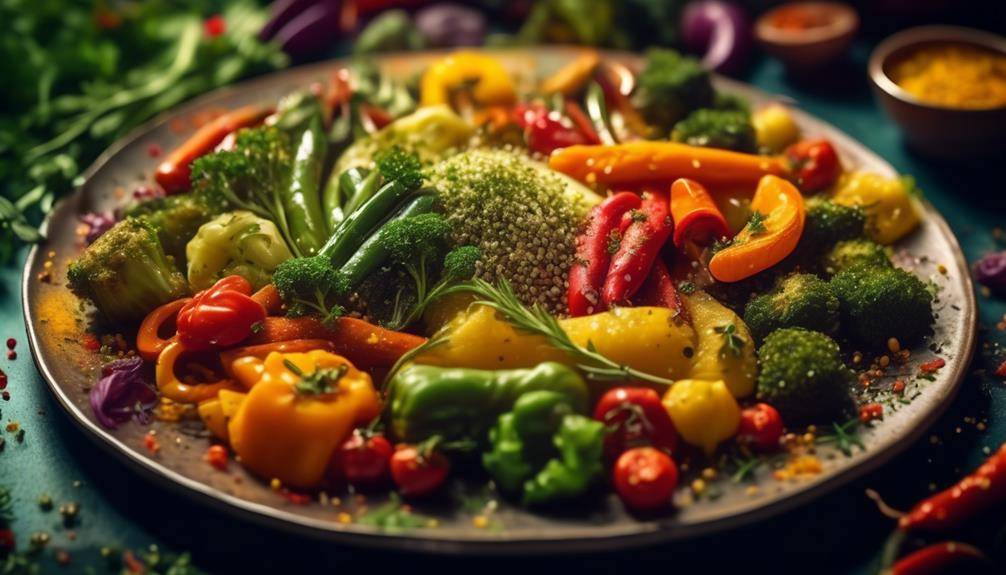
Rich in flavor and nutrition, the abundance of fresh vegetables in Turkish cuisine makes it a vibrant choice for health-conscious eaters. You’ll find a remarkable vegetable diversity that showcases the best of seasonal produce, ensuring that every meal is packed with nutrients. From vibrant peppers and tomatoes to leafy greens and eggplants, these ingredients not only delight your taste buds but also contribute considerably to your overall health.
Eating a variety of vegetables can boost your fiber intake, which is essential for digestive health and may help maintain a healthy weight. Turkish dishes often feature these fresh veggies in salads, stews, and side dishes, making it easy for you to incorporate them into your diet.
Moreover, many traditional recipes highlight the importance of using seasonal produce, which means you’re not only enjoying the freshest flavors but also reaping the benefits of peak nutrient content. By embracing the abundant fresh vegetables found in Turkish cuisine, you’re giving your body a delicious and nutritious treat that supports your health and well-being. So, immerse yourself in these colorful dishes and savor the health benefits they bring!
Boosts Immunity
When it comes to boosting immunity, few cuisines can compete with the vibrant flavors and nutrient-dense ingredients found in Turkish dishes. Turkish cuisine is rich in a variety of immune-boosting spices and traditional herbal remedies that can help strengthen your body’s defenses. Ingredients like turmeric, known for its anti-inflammatory properties, and garlic, which has been linked to enhanced immune function, are staples in many dishes.
You’ll often find dishes infused with cumin, coriander, and ginger, all of which contribute to a robust immune system. These immune-boosting spices not only add depth to the flavors but also provide essential nutrients that promote overall health. For instance, the antioxidants in these spices can help combat oxidative stress, which is vital for maintaining a healthy immune response.
Moreover, traditional herbal remedies play a significant role in Turkish health practices. Herbal teas made from sage, thyme, or chamomile are commonly enjoyed, each offering unique health benefits that aid in immunity. These remedies are often passed down through generations, showcasing a deep understanding of natural health.
Incorporating these ingredients into your meals doesn’t just enhance taste; it also provides your body with the necessary tools it needs to fight off illnesses. By embracing Turkish cuisine, you’re not only enjoying a delicious culinary experience, but you’re also taking a proactive approach toward boosting your immunity and overall well-being. So, the next time you savor a Turkish dish, remember that you’re nourishing your body in more ways than one.
We’ve Got Everything You Need to Make Your Masterpiece.
Supports Digestive Health
Turkish cuisine is a treasure trove for your digestive health, packed with rich fiber from ingredients like legumes and whole grains. You’ll also benefit from the fermented foods commonly found in dishes, which promote a healthy gut. Plus, the balanced meal components guarantee you’re getting the right nutrients to keep your digestive system running smoothly.
Rich Fiber Content
Fiber is an essential component of a healthy diet, and Turkish cuisine offers an abundance of it through various dishes. You’ll find plenty of fiber sources in traditional meals, including legumes, whole grains, fruits, and vegetables. Dishes like lentil soup or bulgur pilaf not only satisfy your hunger but also contribute considerably to your daily fiber intake.
When you incorporate these fiber-rich foods, you’re reaping numerous digestive benefits. Fiber helps regulate your digestion by promoting regularity and preventing constipation. It acts like a broom, sweeping through your intestines and keeping everything moving smoothly. Additionally, a high-fiber diet can help maintain a healthy weight, as it keeps you feeling full longer, reducing the temptation to snack on unhealthy options.
Moreover, many Turkish salads, such as shepherd’s salad or tabbouleh, are loaded with fresh vegetables and herbs, which further boost your fiber consumption. By enjoying these vibrant dishes, you not only savor the rich flavors of Turkish cuisine but also support your digestive health. So, indulge in these delightful meals and experience the benefits of fiber firsthand!
Fermented Foods Benefits
Exploring the world of fermented foods reveals a treasure trove of health benefits, particularly for your digestive system. These foods, such as yogurt, kefir, and pickled vegetables, are rich in probiotics that promote gut health. When you consume these fermented delights, you’re introducing a variety of beneficial bacteria into your gut, enhancing probiotic diversity.
Turkish cuisine embraces traditional practices that have stood the test of time, often incorporating fermented foods into daily meals. For instance, the fermentation of yogurt not only adds flavor but also boosts your body’s ability to digest lactose, making it an excellent choice for those with lactose intolerance. Additionally, the probiotics found in these foods can help balance your gut microbiome, potentially reducing digestive issues like bloating and constipation.
Balanced Meal Components
Incorporating a variety of food groups into your meals plays a significant role in supporting digestive health. Turkish cuisine excels in providing balanced meal components that help maintain this equilibrium. You’ll find a mix of grains, vegetables, proteins, and healthy fats, all of which contribute to ideal digestion.
When you practice meal portioning, you guarantee that no single food group overwhelms your plate. This balance not only enhances your overall health but also gives your digestive system the chance to work efficiently. For instance, pairing lean proteins like grilled chicken or fish with fiber-rich vegetables and whole grains creates a well-rounded meal that aids digestion.
Moreover, Turkish dishes often showcase a flavor balance that encourages you to savor each bite. The use of herbs and spices not only elevates taste but can also stimulate digestive enzymes, further supporting your gut health. By enjoying diverse flavors and textures, you make mealtime both enjoyable and beneficial. So, the next time you prepare a meal, remember the importance of balanced components. It’s a delicious way to nurture your digestive system while appreciating the rich tapestry of Turkish cuisine.
Anti-Inflammatory Properties
Many dishes in Turkish cuisine are packed with ingredients that boast impressive anti-inflammatory properties. You’ll find a variety of anti-inflammatory spices, such as turmeric, cumin, and cinnamon, which are commonly used in traditional recipes. These spices not only enhance flavor but also provide a wealth of health benefits. Turmeric, for instance, contains curcumin, a compound known for its potent anti-inflammatory effects. By incorporating these spices into your meals, you can help combat inflammation and support your overall health.
In addition to spices, many Turkish dishes feature fresh vegetables and legumes, which are rich in antioxidants and phytonutrients. Foods like tomatoes, spinach, and lentils play a significant role in chronic disease prevention. These ingredients work together to reduce oxidative stress in your body, which is often linked to chronic inflammation and various health issues.
Moreover, olive oil, a staple in Turkish cuisine, is another powerful anti-inflammatory agent. Its high content of monounsaturated fats and antioxidants, such as oleocanthal, can help lower inflammation levels. By drizzling olive oil on salads or using it in cooking, you’re making a smart choice for your health.
Incorporating these anti-inflammatory ingredients into your daily diet can lead to significant health improvements. By enjoying the rich flavors and diverse offerings of Turkish cuisine, you’ll not only satisfy your taste buds but also support your body in its fight against inflammation.
Promotes Healthy Weight
Turkish cuisine not only combats inflammation but also promotes healthy weight management. One of the reasons for this is the emphasis on fresh, whole ingredients that keep you feeling satisfied without excessive calorie consumption. When you indulge in traditional dishes like grilled vegetables, lean meats, and hearty legumes, you’re naturally drawn to portion control. The diverse flavors and textures encourage you to savor each bite, which leads to mindful eating—a vital aspect of maintaining a healthy weight.
In Turkish meals, you’ll often find an array of colorful salads and vegetable-based dishes. These not only provide essential nutrients but also help you fill up without overloading on calories. When you sit down to a meal, you’re likely to notice how sharing dishes and enjoying a variety allows you to appreciate each flavor while keeping your portions in check.
Moreover, the practice of enjoying meals with family and friends fosters a relaxed atmosphere, making it easier to listen to your body’s hunger cues. By focusing on the experience rather than mindlessly eating, you can avoid the pitfalls of overeating.
Incorporating Turkish cuisine into your lifestyle can lead to healthier habits. By emphasizing portion control and mindful eating, you’ll find it easier to achieve and maintain a healthy weight while enjoying delicious, nourishing meals. So, why not explore the vibrant flavors of Turkish cuisine and discover how it can positively influence your weight management journey?
We’ve Got Everything You Need to Make Your Masterpiece.
Low in Processed Foods
When you explore Turkish cuisine, you’ll quickly notice its low reliance on processed foods. This approach aligns with traditional cooking methods that emphasize fresh, seasonal ingredients. The rich culinary heritage of Turkey showcases how regional variations can transform simple ingredients into flavorful dishes, reflecting diverse cultural influences.
In Turkish meal preparation, you’ll often find family recipes passed down through generations. These recipes prioritize wholesome, unprocessed items, fostering a deep connection to dietary traditions. By focusing on local produce and meats, Turkish cuisine promotes food sustainability, encouraging agricultural practices that support the environment.
As you investigate further, you’ll see that the emphasis on fresh ingredients not only enhances the overall taste but also contributes to better health. Seasonal ingredients, sourced from local markets, guarantee you’re consuming foods at their peak nutritional value. Whether it’s ripe tomatoes, green peppers, or fresh herbs, these components play a vital role in creating vibrant and healthful meals.
Moreover, the lack of processed foods in Turkish cooking means you can enjoy meals that are free from artificial additives and preservatives. This simplicity in cuisine allows you to appreciate the authentic flavors while reaping the health benefits of natural ingredients. By embracing the principles of Turkish cuisine, you not only indulge in delicious meals but also support a lifestyle that respects both your health and the environment. So, immerse yourself in these culinary delights and savor the goodness that comes from traditional, unprocessed foods.
Enhances Metabolism
While enjoying a meal inspired by Turkish cuisine, you might not realize that the ingredients can greatly enhance your metabolism. Turkish dishes often feature a variety of spices—like red pepper flakes, cumin, and black pepper—that can rev up your metabolic rate. These spicy dishes don’t just add flavor; they help your body burn calories more efficiently. When you indulge in a plate of spicy kebabs or a zesty lentil soup, you’re giving your metabolism a little boost.
In addition to spices, Turkish cuisine includes numerous herbal infusions, such as mint tea or sage. These herbal drinks have been known for ages to support digestion and metabolism. Sipping on a warm cup of herbal infusion after your meal can not only soothe your stomach but also help your body process what you’ve eaten more effectively.
Moreover, many traditional Turkish meals are rich in protein, which is essential for a healthy metabolism. Foods like grilled meats and legumes provide the necessary building blocks for muscle, and more muscle mass means a higher resting metabolic rate.
Balanced Meal Options
Exploring the diverse offerings of Turkish cuisine can lead you to discover numerous balanced meal options that cater to a healthy lifestyle. With its rich variety of ingredients, Turkish cuisine emphasizes fresh vegetables, lean proteins, and whole grains. When you engage in meal planning, consider incorporating dishes like stuffed peppers (biber dolması) or lentil soup (mercimek çorbası). These meals not only provide essential nutrients but also keep you satisfied.
One of the keys to maintaining a healthy diet is portion control. Turkish meals often come with a variety of mezes, or appetizers, which allow you to sample multiple flavors while controlling your portions. By choosing a few mezes, alongside a main dish like grilled fish or chicken, you can enjoy a balanced plate that includes protein, healthy fats, and fiber-rich vegetables.
Don’t forget the power of grains! Dishes like bulgur pilaf or whole wheat pita can serve as excellent sources of complex carbohydrates, giving you sustained energy throughout the day. Pairing these grains with a fresh salad, like shepherd’s salad (çoban salatası), can further enhance the nutritional value of your meal.
Incorporating balanced meal options from Turkish cuisine into your daily routine not only supports your health but also allows you to indulge in delicious flavors and textures. So next time you plan your meals, look to the vibrant world of Turkish dishes for inspiration.
We’ve Got Everything You Need to Make Your Masterpiece.
Frequently Asked Questions: The Best Health Benefits Of Turkish Cuisine
Are There Any Common Allergens in Turkish Cuisine?
Yes, Turkish cuisine often includes common allergens like nuts, dairy, and gluten. If you’re allergic, you can explore ingredient substitutions, ensuring your meals remain delicious while accommodating your dietary needs. Always check specific recipes for allergen information.
How Does Turkish Cuisine Compare to Other Mediterranean Diets?
Turkish cuisine features rich regional variations, blending spices and ingredients uniquely. When you conduct a nutritional analysis, you’ll find it often mirrors other Mediterranean diets, emphasizing fresh produce, healthy fats, and balanced flavors for overall well-being.
Can Turkish Dishes Accommodate Vegetarian or Vegan Diets?
Yes, Turkish dishes can definitely accommodate vegetarian or vegan diets. You’ll find plenty of vegetarian options, and you can easily substitute meat with vegan alternatives, ensuring delicious meals that suit your dietary preferences. Enjoy exploring!
What Traditional Turkish Drinks Complement Healthy Eating?
When exploring traditional Turkish drinks, try herbal infusions like sage tea or linden flower tea. These beverages not only complement your meals but also enhance your healthy eating habits with their natural flavors and benefits.
How Can I Incorporate Turkish Flavors Into Everyday Meals?
You can incorporate Turkish flavors by experimenting with spice pairings like cumin and paprika. Try blending flavor profiles of yogurt, lemon, and fresh herbs into your everyday meals for a delicious twist that excites your palate.

Conclusion
Incorporating Turkish cuisine into your diet can lead to numerous health benefits. With its rich, fresh ingredients and nutrient-packed meals, you’re not just satisfying your taste buds but also supporting your overall well-being. The heart-healthy fats and high fiber content help maintain a healthy weight and boost your metabolism. So, why not explore the vibrant flavors of Turkish dishes? You’ll enjoy delicious meals while reaping the rewards for your health. Immerse yourself in this culinary adventure today!
If you enjoyed exploring this topic and want to dive even deeper, be sure to check out some of our other articles here on Infinite Flavors. From rich culinary histories to creative twists on classic recipes, there’s always something new to discover. Whether you’re curious about the origins of a dish, looking for fresh inspiration in the kitchen, or simply love learning about food culture, our collection of posts is the perfect next step on your flavor journey.
Mastering Turkish Cuisine’s Olive Oil Dishes: An Amazing How-To Guide
Exploring The Great Turkish Baklava: 15 Tasty Variations
The 7 Best Meze Platters From Turkish Cuisine
The 10 Best Ingredients Of Traditional Turkish Cuisine
9 Exciting Traditional Turkish Dishes With Yogurt Base