Mastering Turkish Cuisine’s Olive Oil Dishes: An Amazing How-To Guide
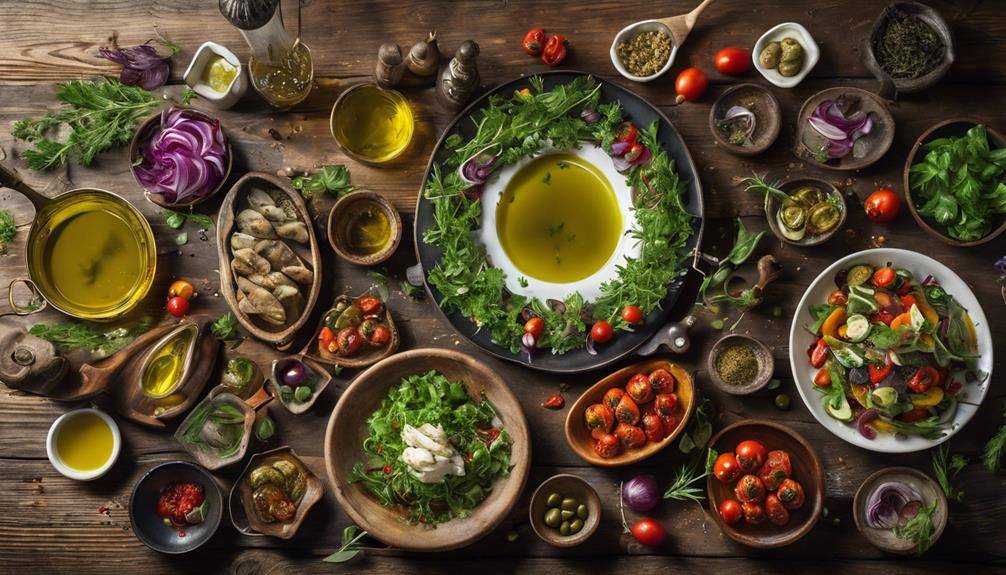
Mastering Turkish Cuisine’s Olive Oil Dishes; To master Turkish olive oil dishes, start by understanding the types of olive oil available, especially extra virgin olive oil for its robust flavor. Focus on using fresh seasonal vegetables, like tomatoes and zucchini in summer, to enhance taste. Try classic recipes like “Zeytinyağlı Enginar” (artichokes in olive oil) or “Aegean Bean Salad” for a vibrant meal. Employ techniques such as sautéing and drizzling to elevate flavors. Pair your dishes with fresh herbs for brightness, and remember to store your olive oil properly to maintain its quality. There’s more to explore that’ll take your cooking to the next level.
Cook Like a Pro in the Wild! Equip your adventure with our top-notch kitchen gear
Understanding Olive Oil Types
When it comes to mastering Turkish cuisine, understanding the various types of olive oil is vital. The backbone of many dishes, olive oil not only enhances flavors but also adds depth and richness to your cooking. One of the most revered types is extra virgin olive oil. Made from the first cold pressing of olives, it boasts the highest quality and the most robust flavor profiles. When you choose extra virgin, you’re opting for a rich, fruity taste that can elevate your dishes considerably.
You’ll also encounter virgin olive oil, which is slightly lower in quality than extra virgin but still offers a good flavor. It’s less fruity and more bitter, making it suitable for cooking methods where you don’t want the oil to overpower the main ingredients. Then there’s refined olive oil, which undergoes processing to remove impurities and has a milder taste. While it may be versatile, it lacks the distinctive flavor that can make your Turkish dishes sing.
As you explore these types, remember that the flavor profiles can vary considerably based on the olive variety and region of production. Experimenting with different oils will help you find the perfect match for your recipes. Whether drizzled on a salad or used as a base for a savory dish, understanding olive oil types is a vital step in your journey to mastering Turkish cuisine. Embrace this knowledge, and you’ll enhance your culinary experience.
Essential Ingredients for Olive Oil Dishes
To create delicious olive oil dishes, you need to start with the right ingredients. Choosing the best olive oil types, fresh herbs and spices, and seasonal vegetables will elevate your cooking. Let’s explore how these elements come together to enhance your dishes.
Key Olive Oil Types
In Turkish cuisine, the type of olive oil you choose plays an essential role in the flavor and quality of your dishes. Extra virgin olive oil is often considered the gold standard. It’s made from the first cold pressing of olives, ensuring the highest level of flavor and nutritional benefits. You’ll find its rich, fruity notes elevate salads, dips, and cooked dishes alike.
Flavored oils are another exciting option. These oils infuse additional flavors, such as garlic, lemon, or herbs, into the olive oil itself. Using flavored oils can enhance your dishes, adding a unique twist without needing extra ingredients. For instance, a drizzle of garlic-infused olive oil on a warm vegetable dish can elevate it to a whole new level.
When selecting your olive oil, always look for quality labels. The best options are often organic and cold-pressed, which preserve the oil’s natural properties. Remember, the right olive oil can transform a simple dish into a culinary masterpiece, so don’t hesitate to experiment with different types until you find your favorites! Your journey into Turkish olive oil dishes will be rich and flavorful with the right choices.
Fresh Herbs and Spices
Choosing the right olive oil is just the beginning of crafting exceptional Turkish dishes; fresh herbs and spices are what truly bring your creations to life. When you think about Turkish cuisine, vibrant flavors come to mind, and that’s where herb combinations play a significant role. Fresh parsley, dill, and mint are staples that elevate your dishes, adding brightness and complexity. Don’t shy away from experimenting with these herbs to find the perfect balance for your palate.
Equally important are the spice varieties you incorporate. Sumac, with its tangy flair, and cumin, with its earthy warmth, can transform a simple olive oil dish into a flavorful masterpiece. You might also consider adding paprika or chili flakes for a touch of heat.
To create the ultimate flavor profile, combine these herbs and spices thoughtfully. For instance, mixing parsley with mint and a sprinkle of sumac can create a reviving salad dressing that complements grilled vegetables. Remember, the right blend can make all the difference, so don’t hesitate to get creative as you explore the world of Turkish cuisine!
Seasonal Vegetables Selection
Incorporating seasonal vegetables into your olive oil dishes not only enhances flavor but also guarantees freshness and nutrition. By choosing vegetables that are in season, you’ll experience a vibrant taste that’s hard to replicate with out-of-season produce. Visit your local markets regularly to discover what’s fresh and ripe.
In spring, you might find tender asparagus and sweet peas, while summer brings an abundance of tomatoes, zucchini, and bell peppers. Autumn showcases hearty squash and root vegetables, such as carrots and beets, while winter offers sturdy greens like kale and Swiss chard.
When selecting seasonal vegetables, look for ones that are firm, colorful, and free from blemishes. These not only assure quality but also promise a richer flavor profile in your dishes. For instance, drizzling fresh olive oil over roasted seasonal vegetables can elevate their natural sweetness, creating a dish that’s both simple and satisfying.
Experiment with different combinations and techniques, like grilling or sautéing, to make the most of what’s available. By embracing seasonal vegetables, you’ll not only support local farmers but also create olive oil dishes that burst with freshness and energy.
Popular Turkish Olive Oil Recipes
While exploring the rich flavors of Turkish cuisine, you’ll find that olive oil plays a starring role in many beloved dishes. One of the most popular is “Zeytinyağlı Enginar,” a delightful artichoke dish simmered in olive oil, garlic, and lemon juice, often garnished with fresh herbs. This dish showcases the Mediterranean flavors that define Turkish cooking and highlights the use of seasonal ingredients.
Another must-try is “Zeytinyağlı Dolma,” where grape leaves are stuffed with a mixture of rice, pine nuts, and spices, all drizzled with olive oil. Each bite delivers a burst of flavor, and you’ll notice regional variations as different areas incorporate local herbs and spices into their recipes.
For a rejuvenating side, consider “Aegean Bean Salad,” which combines fresh green beans, tomatoes, and onions, all dressed in a generous amount of olive oil and lemon. This salad not only complements heavier dishes but also brings a taste of the Mediterranean to your table.
If you’re in the mood for something heartier, “Biber Dolması” (stuffed peppers) filled with rice and spices and cooked in olive oil is a classic that never disappoints. The regional variations in these recipes often reflect the unique culinary traditions of different Turkish provinces.
Embrace these popular olive oil recipes, and you’ll truly appreciate the diversity and richness of Turkish cuisine, all while enjoying the health benefits of this essential ingredient.
Cook Like a Pro in the Wild! Equip your adventure with our top-notch kitchen gear
Cooking Techniques for Olive Oil Dishes
Mastering the cooking techniques for olive oil dishes can elevate your culinary skills and enhance the flavors of your meals. When working with olive oil, understanding the right methods can make a significant difference in taste and texture.
One of the primary techniques you’ll want to master is sautéing. This method involves cooking food quickly in a small amount of olive oil over medium to high heat. To achieve the best results, verify your olive oil is hot enough before adding ingredients. You’ll know it’s ready when it shimmers but doesn’t smoke. Use sautéing techniques to prepare vegetables, seafood, or meats, guaranteeing they develop a lovely golden crust while retaining their moisture.
Another essential skill is drizzling. This method isn’t just about pouring olive oil on your dish; it’s about enhancing flavors. Use high-quality extra virgin olive oil to drizzle over finished dishes, such as salads or grilled vegetables. Not only does this add a rich flavor, but it also elevates the presentation. You can also experiment with flavored oils or infusions to create unique taste profiles.
Don’t forget about temperature control. Olive oil has a lower smoke point than some other oils, so avoid overheating. By mastering these techniques, you’ll reveal the full potential of olive oil in your cooking, creating dishes that are not only delicious but also visually appealing. Enjoy experimenting with these methods to make your olive oil dishes truly exceptional!
Health Benefits of Olive Oil
Olive oil’s health benefits make it a staple in many kitchens, and for good reason. When you incorporate this liquid gold into your diet, you’re not just adding flavor; you’re also boosting your overall well-being. One of the standout features of olive oil is its impressive antioxidant properties. These compounds help combat oxidative stress in your body, reducing the risk of chronic diseases. By using olive oil regularly, you’re giving your cells a fighting chance against free radicals.
Another key benefit of olive oil is its positive impact on heart health. Rich in monounsaturated fats, it can help lower bad cholesterol levels while increasing good cholesterol. This is essential for maintaining a healthy cardiovascular system. When you choose olive oil over less healthy fats, you’re actively supporting your heart and reducing the risk of heart disease.
Additionally, studies have shown that the Mediterranean diet, which emphasizes olive oil consumption, is linked to better heart health outcomes. By adding olive oil to your meals, you’re not just savoring delicious flavors; you’re also making a heart-smart choice.
Pairing Olive Oil With Other Flavors
Incorporating olive oil into your cooking opens up a world of flavor possibilities. To truly elevate your dishes, you need to understand how to pair olive oil with other flavors. Start by considering the flavor profiles of the olive oil you’re using. A robust, peppery extra virgin olive oil can stand up to bold ingredients like garlic, lemon, or even spicy peppers, enhancing their intensity. On the other hand, a milder oil works beautifully with delicate flavors such as fresh herbs, tomatoes, or creamy cheeses.
Next, explore regional variations in Turkish cuisine. For instance, in the Aegean region, olive oil is often paired with vegetables and fresh herbs, creating light, invigorating dishes. Think about how you can integrate seasonal produce like eggplant or zucchini, drizzled with a high-quality olive oil, to highlight their natural sweetness. In contrast, southern Turkish recipes might incorporate richer spices, where olive oil balances the heat and complexity of the dish.
Don’t forget to experiment with acidity. Pairing olive oil with vinegar or citrus can brighten up your meals, making them more vibrant. Try a simple salad with fresh greens, a splash of lemon juice, and a drizzle of olive oil to see how these flavors marry.
Ultimately, the key to mastering olive oil pairings lies in knowing the unique characteristics of your oil and the ingredients at hand. By doing this, you’ll reveal a treasure trove of delicious culinary combinations.
Tips for Storing Olive Oil
Proper storage is essential to preserve the quality of your olive oil. If you want to make the most of your investment, follow these tips for effective olive oil storage. First, always store your olive oil in a cool, dark place. Heat and light can greatly degrade its flavor and nutritional value. A pantry or cupboard away from the stove is often ideal.
Next, opt for dark glass bottles or stainless steel containers. These materials help block out light, allowing your olive oil to remain fresh longer. If you’ve bought olive oil in a clear bottle, consider transferring it to a darker container for best conditions.
Keep your olive oil tightly sealed. Exposure to air can lead to oxidation, which diminishes the oil’s quality. Always use a cap or a cork to seal the bottle tightly after each use.
When it comes to temperature, aim to store your olive oil between 60°F and 75°F (15°C to 24°C). Avoid storing it in the fridge, as cold temperatures can cause the oil to solidify and affect its flavor. Instead, find a stable environment where the temperature won’t fluctuate too much.
Lastly, be mindful of how long you’ve had your olive oil. Freshness is key, so try to use it within six months to a year after opening. By following these simple tips, you’ll guarantee your olive oil remains flavorful and ready to elevate your Turkish dishes.
Cook Like a Pro in the Wild! Equip your adventure with our top-notch kitchen gear
Frequently Asked Questions: Mastering Turkish Cuisine’s Olive Oil Dishes
How Do I Choose the Best Olive Oil for Cooking?
To choose the best olive oil for cooking, consider the olive oil types available. For sautéing, use robust oils; for dressing, opt for milder ones. Match the oil to your cooking techniques for ideal flavor.
Can I Use Flavored Olive Oils in Turkish Dishes?
Absolutely, you can use flavored oils in Turkish dishes! Just consider regional variations; some flavors might complement traditional recipes better than others. Experimenting with infused oils can enhance your culinary creations and add unique twists.
What Is the Ideal Storage Temperature for Olive Oil?
The ideal storage temperature for olive oil is between 60-70°F. Keeping it in this range preserves its flavor and olive oil benefits, while proper olive oil extraction guarantees you enjoy its full potential.
Are There Any Olive Oil Substitutes in Turkish Cooking?
In Turkish cooking, you can substitute olive oil with cooking oils like sunflower or canola oil. These alternatives offer health benefits, though they may alter the dish’s flavor. Experiment to find your preferred balance.
How Do I Recognize High-Quality Turkish Olive Oil?
To recognize high-quality Turkish olive oil, you should employ tasting techniques. Look for vibrant flavors and aromas, and remember the olive oil benefits—freshness and purity enhance your dishes, making them more enjoyable and nutritious.

Conclusion
In mastering Turkish cuisine’s olive oil dishes, you’ve discovered the richness of flavors and health benefits that come with this versatile ingredient. By understanding different olive oil types, essential ingredients, and popular recipes, you can elevate your cooking. Remember to pair olive oil with complementary flavors and store it properly for the best results. Now, it’s time to roll up your sleeves, get cooking, and impress your friends and family with your newfound culinary skills!