Amazing Unique Korean Seafood Dishes To Try
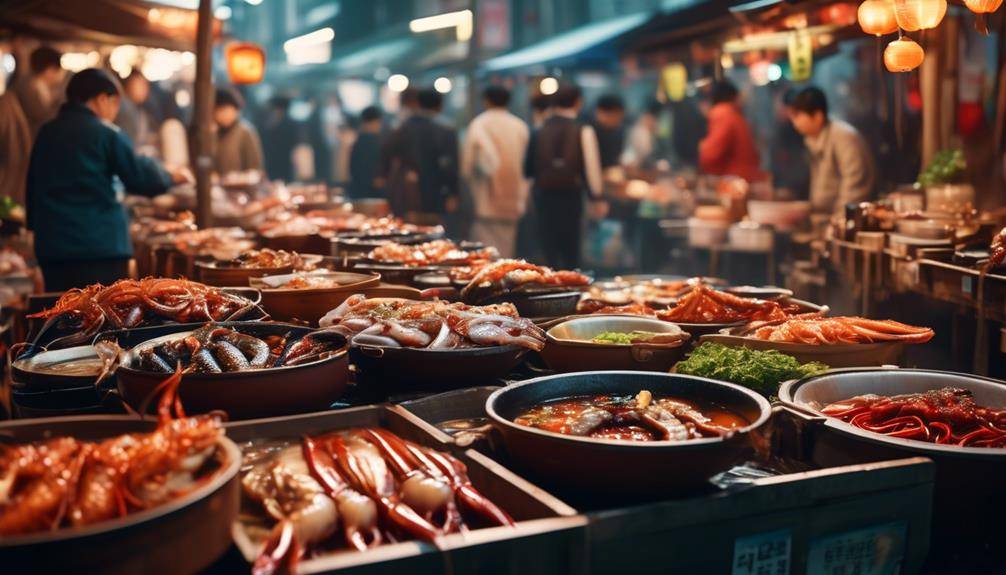
Amazing Unique Korean Seafood Dishes To Try; So, you think you’ve tried every type of seafood dish out there? Well, prepare to be pleasantly surprised by the unique Korean seafood dishes that are waiting for you to discover. From the crispy and savory Haemul Pajeon to the tantalizingly fresh Sannakji, there is a world of flavors and textures just waiting to be explored. But that’s not all – there’s a mouthwatering list of other dishes that will have you yearning to try them all. So, if you’re ready to embark on a culinary adventure unlike any other, buckle up and get ready to tantalize your taste buds with these unique Korean seafood dishes.
Haemul Pajeon (Seafood Pancake)
Haemul Pajeon, a savory Korean pancake filled with a medley of fresh seafood, is a popular dish that will tantalize your taste buds with its crispy texture and umami flavors. This traditional Korean delicacy not only satisfies your cravings but also offers numerous health benefits. Seafood, the star ingredient of Haemul Pajeon, is known for its high protein content and low-fat content, making it a nutritious choice for those looking to maintain a balanced diet.
One of the health benefits of seafood is its rich omega-3 fatty acid content. Omega-3 fatty acids are essential for brain health and can help reduce the risk of heart disease. By incorporating seafood into your diet, you can boost your intake of these beneficial fats. Haemul Pajeon provides a delicious and enjoyable way to enjoy the benefits of seafood, as it combines the crispy pancake with a variety of fresh seafood, such as shrimp, squid, and clams.
There are different types of seafood pancakes available, each offering a unique flavor profile. For example, Haemul Pajeon can be made with a variety of seafood options, allowing you to customize your dish according to your preferences. Some variations may include additional ingredients like green onions or chili peppers to enhance the taste and add a bit of heat.
Godeungeo Gui (Grilled Mackerel)
When it comes to Godeungeo Gui, you’ll be pleased to know that it not only tastes delicious but also offers a range of health benefits. Mackerel is packed with omega-3 fatty acids, which are known for their anti-inflammatory properties and ability to support heart health. In terms of preparation, traditional grilling techniques are used to bring out the natural flavors of the fish, resulting in a smoky and savory dish. To enhance your dining experience, consider pairing Godeungeo Gui with a side of steamed rice and kimchi for a satisfying and well-rounded meal.
Health Benefits of Mackerel
Mackerel, known as Godeungeo Gui in Korean cuisine, offers a plethora of health benefits that make it a popular choice among seafood enthusiasts. Here are some of the reasons why mackerel is good for your health:
- Benefits of mackerel for heart health:
- Mackerel is rich in omega-3 fatty acids, which have been shown to reduce the risk of heart disease by lowering triglyceride levels and reducing inflammation.
- The omega-3 fatty acids in mackerel can also help to regulate blood pressure and prevent the formation of blood clots, reducing the risk of heart attacks and strokes.
- Omega-3 fatty acids in mackerel:
- Omega-3 fatty acids are essential for brain health and development, and mackerel is an excellent source of these nutrients.
- These fatty acids have been linked to improved cognitive function and a reduced risk of age-related cognitive decline.
- Other health benefits:
- Mackerel is a good source of vitamin D, which is important for bone health and immune function.
- It is also rich in protein, which is essential for muscle growth and repair.
Incorporating mackerel into your diet can provide you with a range of health benefits, particularly for heart health and brain function.
Traditional Grilling Techniques
To prepare the traditional Korean dish Godeungeo Gui, or Grilled Mackerel, a variety of grilling techniques are employed to achieve the perfect balance of smoky flavors and tender, succulent fish. The traditional grilling techniques used for Godeungeo Gui have been passed down through generations. The mackerel is first marinated in a mixture of soy sauce, garlic, ginger, and sesame oil, which adds depth and richness to the dish.
Then, it is grilled over a charcoal fire, allowing the fish to absorb the smoky flavors and develop a crispy exterior. The result is a dish that is both flavorful and healthy. Mackerel is a nutritious fish, rich in omega-3 fatty acids, which are beneficial for heart health and brain function. With its unique combination of traditional grilling techniques and health benefits, Godeungeo Gui is a must-try dish for seafood lovers.
Pairing Suggestions for Mackerel
With its robust flavors and tender texture, the grilled mackerel (Godeungeo Gui) opens up a world of possibilities when it comes to pairing suggestions. This popular Korean seafood dish can be enjoyed with a variety of complementary flavors and textures. Here are some pairing suggestions to enhance your grilled mackerel experience:
- Steamed Rice: The simplicity of steamed rice perfectly balances the bold flavors of the grilled mackerel, allowing the fish to take center stage.
- Kimchi: The tangy and spicy flavors of kimchi provide a delightful contrast to the rich and smoky taste of the mackerel.
- Soybean Paste Soup: The earthy and savory flavors of soybean paste soup complement the grilled mackerel, creating a harmonious combination of tastes.
Sannakji (Live Octopus)
Savor the unique experience of tasting live octopus with Sannakji, a popular Korean seafood dish. Sannakji is one of the many unique seafood dishes that Korea has to offer, and it is considered a traditional Korean delicacy. This dish involves eating small live octopuses that have been chopped into bite-sized pieces. The octopuses are still moving when served, giving diners a thrilling and unforgettable dining experience.
Sannakji is often enjoyed alongside other seafood dishes such as ojingeo sundae, which is a stuffed squid dish, and jangeo gui, which is grilled eel. These dishes combined create a seafood feast that showcases the richness and diversity of Korean cuisine.
When it comes to eating Sannakji, it is important to chew the octopus thoroughly to avoid any choking hazards. The suction cups on the tentacles can stick to the throat, so it is crucial to be cautious. The texture of the octopus is unique, with a slight chewiness and a fresh, oceanic flavor. Some diners enjoy the sensation of the still-moving tentacles, while others find it slightly disconcerting. Regardless, Sannakji is an experience that allows you to connect with your food in a way that is both thrilling and delicious.
While Sannakji may not be for everyone, it is undoubtedly a dish that showcases the adventurous side of Korean cuisine. If you are a seafood lover looking to try something out of the ordinary, Sannakji is definitely worth a try. Just remember to approach it with an open mind and a sense of culinary adventure.
Eomuk (Fish Cake)
When it comes to Eomuk, there are various delicious variations to explore. From the classic fish cake on a stick to the more modern cheese-filled or spicy versions, there is something for everyone’s taste. Eomuk is also a popular street food in Korea, often enjoyed with a warm cup of broth on a chilly day.
Eomuk Variations
Eomuk (Fish Cake) offers a delightful array of variations that are sure to tantalize your taste buds. This beloved Korean street food is not just limited to the traditional fish cake shape. Here are some unique eomuk variations to explore:
- Ingredients: Eomuk variations go beyond the typical fish-based recipe. You can find eomuk made with different seafood such as squid, shrimp, or crab. Some chefs even experiment with adding vegetables like carrots or spinach to create a healthier twist.
- Cooking Techniques: Eomuk variations also showcase different cooking techniques. While the classic eomuk is steamed, you can also find deep-fried or grilled versions. Each technique brings out distinct flavors and textures, offering a range of culinary experiences.
- Flavors: Eomuk variations are not only diverse in ingredients and cooking techniques but also in flavors. From spicy chili eomuk to savory garlic-infused ones, there is something to suit every palate.
These eomuk variations showcase the creativity and versatility of Korean cuisine, making them a must-try for seafood lovers.
Eomuk Street Food
One can explore the world of Eomuk Street Food, a beloved Korean delicacy that offers a delightful culinary experience. Eomuk, also known as fish cake, is a traditional Korean dish made from ground fish paste mixed with various ingredients such as vegetables, spices, and starch. Eomuk Street Food stalls can be found throughout Korea, offering a wide variety of eomuk dishes to satisfy any palate.
The fish cakes are typically skewered and served on a stick, making them convenient and easy to eat while strolling through the bustling streets. The eomuk is grilled or deep-fried to perfection, resulting in a crispy exterior and a tender, flavorful center. The street food vendors often offer different dipping sauces to enhance the taste of the eomuk, such as spicy gochujang or tangy soy sauce. Eomuk Street Food is not only a delicious snack but also a cultural experience that allows you to immerse yourself in the vibrant street food culture of Korea.
Jjimdak (Braised Chicken and Seafood)
Jjimdak, a flavorful and savory Korean dish, combines tender braised chicken with an assortment of seafood, creating a delicious and satisfying meal. This popular dish is known for its unique cooking techniques and variations that make it a standout among Korean seafood dishes.
Here are some key elements of jjimdak cooking techniques:
- Braising: Jjimdak is prepared by braising chicken and seafood in a savory sauce. This cooking method involves simmering the ingredients in a liquid, allowing them to slowly cook and absorb the flavors. The result is tender, juicy meat and seafood that is infused with the rich flavors of the sauce.
- Seasoning: The sauce used in jjimdak is a combination of soy sauce, garlic, ginger, and other seasonings. This mixture adds depth and complexity to the dish, creating a well-balanced flavor profile that is both savory and slightly sweet. The sauce also helps to tenderize the chicken and seafood, ensuring that every bite is packed with flavor.
- Garnishes: Jjimdak is often garnished with a variety of vegetables, such as carrots, potatoes, and onions. These vegetables not only add color and texture to the dish but also enhance the overall taste. Some variations of jjimdak may also include additional ingredients like mushrooms or tofu, further adding to the dish’s complexity.
Jjimdak variations:
- Spicy Jjimdak: For those who enjoy a bit of heat, spicy jjimdak is a popular variation. This version adds gochujang, a Korean chili paste, to the sauce, giving the dish a spicy kick. The spiciness of the gochujang complements the savory flavors of the braised chicken and seafood, creating a delightful combination of flavors.
- Cheese Jjimdak: A more recent innovation in jjimdak variations is the addition of cheese. The dish is topped with melted cheese, which adds a creamy and indulgent element to the already flavorful dish. The melted cheese creates a delicious contrast to the savory sauce and tender chicken and seafood.
- Seafood Jjimdak: While the traditional version of jjimdak includes seafood, some variations focus solely on this element. Seafood jjimdak may include a variety of seafood such as shrimp, squid, and mussels, creating a dish that is rich in seafood flavors. The combination of the tender braised chicken and the assortment of seafood creates a truly unique and satisfying meal.
Guljeon (Oyster Pancake)
Are you ready to explore the delightful world of Guljeon, a traditional Korean oyster pancake that is both crispy and savory? Guljeon is a popular dish in Korean cuisine, known for its unique combination of fresh oysters and a flavorful pancake batter. This traditional Korean pancake recipe is a must-try for seafood lovers looking to experience the diverse flavors of Korean cuisine.
Guljeon is made by mixing oysters with a batter made from flour, eggs, water, and seasonings such as salt, pepper, and green onions. The batter is then pan-fried until it becomes crispy on the outside, while the oysters remain juicy and tender on the inside. The result is a delicious pancake that offers a perfect balance of textures and flavors.
What makes Guljeon stand out among other traditional Korean pancake recipes is its focus on seafood. Oysters are a key ingredient in this dish, adding a rich and briny taste. The oysters are carefully selected for their freshness and quality, ensuring that every bite is packed with the unique flavors of the sea.
Guljeon is not only a delicious dish, but it also showcases the versatility of Korean cuisine when it comes to seafood. While oysters are the star ingredient in this pancake, other seafood such as squid, shrimp, and clams can also be added to enhance the flavors and create a more diverse dish. This versatility allows for endless variations and ensures that Guljeon can be enjoyed by seafood enthusiasts of all kinds.
Ganjang Gejang (Soy Sauce Marinated Crab)
Ganjang Gejang is a traditional Korean delicacy that consists of soy sauce marinated crab. This dish showcases the unique marinating technique used in Korean cuisine, where the crabs are fermented in a mixture of soy sauce, garlic, ginger, and chili flakes. The result is a flavorful and tender crab meat that pairs perfectly with rice.
Traditional Korean Delicacy
A popular delicacy in Korean cuisine, Ganjang Gejang offers a tantalizing combination of flavors with its soy sauce marinated crab. This traditional Korean dish is not only delicious but also packed with numerous health benefits. Here are some reasons why Ganjang Gejang is a popular seafood dish in Korea:
- Nutritional powerhouse: Ganjang Gejang is rich in protein, vitamins, and minerals, making it a nutritious choice for seafood lovers.
- Boosts brain health: The omega-3 fatty acids found in crab can enhance cognitive function and improve brain health.
- Supports heart health: Seafood, including crab, is known to be heart-healthy due to its low saturated fat content and high levels of omega-3 fatty acids.
- Unique flavor profile: The combination of soy sauce and marinated crab creates a savory and umami-packed taste that is unique to Ganjang Gejang.
Marinating Technique Explained
To achieve the perfect marinating technique for Ganjang Gejang (Soy Sauce Marinated Crab), follow these steps for a flavorful and tender dish. Marinating is a crucial step in preparing this Korean delicacy, as it not only enhances the flavor but also tenderizes the meat. There are different marinating methods that can be used, each with its own benefits.
One popular method is to marinate the crab in soy sauce, which adds a rich umami flavor to the dish. The soy sauce penetrates the crab meat, infusing it with its savory taste. Another technique involves adding ingredients like garlic, ginger, and red chili flakes to the marinade, which adds a spicy and aromatic element to the dish. Regardless of the method used, proper marinating ensures that every bite of Ganjang Gejang is bursting with flavor.
Saengseon Gui (Grilled Fish)
Grilled fish, known as Saengseon Gui in Korean cuisine, offers a delightful combination of smoky flavors and tender, succulent flesh. This traditional grilling technique brings out the natural flavors of the fish while infusing it with a subtle smokiness that enhances its taste. When it comes to pairing suggestions for Saengseon Gui, mackerel is a popular choice due to its rich flavor and firm texture. Here are three pairing ideas to elevate your Saengseon Gui experience:
- Sesame Soy Sauce: The nutty and savory flavors of sesame soy sauce complement the fatty and oily nature of mackerel. The sauce adds a depth of flavor to the grilled fish and enhances its natural umami taste. Drizzle the sauce over the fish just before serving to elevate its taste.
- Spicy Gochujang Glaze: For those who enjoy a spicy kick, a gochujang glaze is the perfect accompaniment to grilled mackerel. Gochujang, a Korean chili paste, adds a fiery heat to the fish and balances out its richness. The glaze caramelizes on the grill, creating a sticky and flavorful coating that enhances the overall taste.
- Tangy Citrus Marinade: A tangy citrus marinade adds a refreshing twist to grilled mackerel. The acidity of citrus helps cut through the fish’s natural oiliness, providing a light and zesty flavor. Consider using a combination of lemon, lime, and orange juices along with some zest to create a vibrant and citrusy marinade.
These pairing suggestions enhance the flavors of Saengseon Gui, taking it to new heights. Whether you prefer a nutty sesame soy sauce, a spicy gochujang glaze, or a tangy citrus marinade, there are endless ways to enjoy the smoky and succulent delight of grilled fish in Korean cuisine.
Ojingeo Sundae (Stuffed Squid)
Stuffed squid, known as Ojingeo Sundae in Korean cuisine, offers a unique and flavorful twist on seafood dishes. This dish combines the tender and mild taste of squid with a savory stuffing, creating a culinary experience that is both satisfying and delicious. Ojingeo Sundae is a popular street food in Korea, often enjoyed as a snack or a meal on the go.
The health benefits of squid make Ojingeo Sundae an even more enticing option. Squid is a low-calorie and high-protein seafood that is also rich in vitamins and minerals. It is a good source of vitamin B12, which is essential for nerve function and the formation of red blood cells. Squid also contains selenium, an antioxidant that helps protect the body against free radicals and supports a healthy immune system.
What sets Ojingeo Sundae apart from other unique squid dishes is its distinctive preparation method. The squid is cleaned and stuffed with a mixture of ground pork, vegetables, and seasonings. It is then grilled or steamed until the squid becomes tender and the stuffing is cooked to perfection. The result is a dish that is both visually appealing and bursting with flavor.
Whether you are a seafood lover or someone looking to try something new, Ojingeo Sundae is a must-try dish. Its combination of tender squid, flavorful stuffing, and health benefits make it a standout in Korean cuisine. So, why not indulge in this unique squid dish and savor the flavors of Korea?
Jangeo Gui (Grilled Eel)
If you’re looking to explore more Korean seafood dishes after trying the unique and flavorful Ojingeo Sundae, you won’t want to miss the tantalizing flavors of Jangeo Gui, a grilled eel dish that is sure to satisfy your taste buds. Jangeo Gui is a popular dish in Korea, known for its rich flavor and tender texture. Here are three reasons why you should give Jangeo Gui a try:
- Traditional Cooking Methods: Jangeo Gui is prepared using traditional Korean grilling techniques, which enhance the natural flavors of the eel. The eel is first marinated in a mixture of soy sauce, garlic, ginger, and sesame oil to infuse it with a savory taste. It is then grilled over an open flame, allowing the smoky aroma to permeate the eel and giving it a delicious charred exterior.
- Nutritional Value of Eel: Eel is not only delicious but also packed with nutrients. It is a great source of protein and contains essential vitamins and minerals like vitamin A, vitamin E, calcium, and potassium. Eel is also rich in omega-3 fatty acids, which are beneficial for heart health and brain function. So, when you indulge in Jangeo Gui, you can enjoy a flavorful meal while nourishing your body.
- Versatility in Cooking: Jangeo Gui can be enjoyed in various ways. It can be served as a main dish alongside rice and side dishes, or it can be used as a filling for ssam (lettuce wraps) or bibimbap (mixed rice). The tender and smoky eel pairs well with the fresh crunch of lettuce or the comforting warmth of rice, creating a harmonious blend of flavors and textures.
Frequently Asked Questions: Amazing Unique Korean Seafood Dishes To Try
How Long Does It Take to Cook Haemul Pajeon (Seafood Pancake)?
To make the perfect haemul pajeon at home, you’ll need to know the cooking techniques. It typically takes about 20-30 minutes to cook the seafood pancake. Follow the recipe closely and flip it when it’s golden brown.
Are There Any Vegetarian Options Available in the Jjimdak (Braised Chicken and Seafood) Dish?
Yes, there are vegetarian options available in the jjimdak dish. While the traditional version includes chicken and seafood, some restaurants offer a vegetarian version that replaces the meat with tofu or vegetables. Additionally, seaweed is often used in Korean cuisine for its health benefits and umami flavor.
Can Sannakji (Live Octopus) Be Consumed by People With Seafood Allergies?
Yes, you can consume sannakji (live octopus) even if you have seafood allergies. However, it is important to note that there are potential health risks associated with eating sannakji, such as choking or allergic reactions.
Is Ganjang Gejang (Soy Sauce Marinated Crab) a Spicy Dish?
Ganjang gejang, a soy sauce marinated crab, is a popular Korean seafood dish. It is a traditional dish in Korean cuisine. Whether it is spicy or not depends on the individual preparation.
What Are the Different Types of Fish Used in Saengseon Gui (Grilled Fish)?
Grilled fish, or saengseon gui, is prepared using various types of fish such as mackerel, sea bass, and yellowtail. It is cooked using different techniques like grilling over charcoal. Traditional Korean side dishes complement the flavors.

Conclusion
In conclusion, Korean cuisine offers a unique and diverse range of seafood dishes that are sure to satisfy any seafood lover’s cravings. From the savory Haemul Pajeon, a seafood pancake bursting with flavors, to the adventurous Sannakji, live octopus that provides a thrilling culinary experience, each dish showcases the rich flavors and culinary traditions of Korea. Whether you prefer grilled, braised, or marinated seafood, the variety of options available will surely leave you wanting more. Explore the world of Korean seafood dishes and embark on a delectable gastronomical journey.