Exciting Molecular Gastronomy in Sustainable Cooking

Molecular Gastronomy in Sustainable Cooking; They say that “you are what you eat,” and in the world of molecular gastronomy, this adage takes on a whole new meaning. If you’ve ever wondered how science and sustainability intersect in the culinary world, then prepare to have your taste buds tantalized.
In this discussion, we will explore the fascinating realm of molecular gastronomy and how it can be harnessed to create sustainable cooking practices. From sourcing ingredients responsibly to reducing food waste, we’ll uncover the innovative techniques and practices that not only enhance flavor but also minimize environmental impact. So, get ready to embark on a gastronomic journey like no other, where science and sustenance merge seamlessly to create a more sustainable future.
The Basics of Molecular Gastronomy
To fully grasp the intricacies of molecular gastronomy, it is essential to understand the fundamental principles and techniques that form its basis. Molecular gastronomy is a scientific approach to cooking that explores the physical and chemical transformations of ingredients to create innovative and unique dishes. The techniques used in molecular gastronomy involve manipulating the texture, flavor, and presentation of food in ways that were previously unimaginable.
One of the key aspects of molecular gastronomy is the use of innovative techniques to transform traditional ingredients. For example, spherification is a technique that involves manipulating the texture of liquids to create small spheres that burst with flavor when eaten. This technique has been used to create caviar-like pearls from fruit juices, adding a burst of freshness to dishes.
Another technique commonly used in molecular gastronomy is foaming. By incorporating air into liquids using a whipping siphon or a blender, chefs can create light and airy foams that add a delicate texture to dishes. Foams can be made from a variety of ingredients, such as fruits, vegetables, or even dairy products, allowing for endless possibilities in terms of flavor and presentation.
In addition to these techniques, molecular gastronomy also involves the use of specialized ingredients. These ingredients, such as hydrocolloids and emulsifiers, help stabilize and transform the texture of food. Hydrocolloids, for example, can be used to create gels, thicken sauces, or even create edible films. Emulsifiers, on the other hand, help create stable mixtures of ingredients that would otherwise separate, such as oil and water.
Sustainable Sourcing of Ingredients
When it comes to sustainable sourcing of ingredients, ethical procurement is paramount. You should prioritize suppliers who adhere to fair trade practices and promote environmental stewardship. Additionally, opting for locally sourced produce not only supports your community but also reduces carbon emissions associated with long-distance transportation.
Ethical Ingredient Procurement
Sourcing ingredients ethically is paramount in the realm of sustainable cooking, ensuring a harmonious balance between gastronomy and environmental responsibility. When it comes to ethical ingredient procurement, there are several key aspects to consider:
- Ethical farming practices: It is essential to source ingredients from farms that prioritize sustainable and ethical practices. This includes promoting biodiversity, conserving resources, and ensuring animal welfare.
- Fair trade ingredients: Opting for fair trade ingredients guarantees that the farmers and workers involved in the production process receive fair wages and are treated with dignity. This supports local communities and helps create a more equitable food system.
- Transparency and traceability: Knowing where your ingredients come from allows you to make informed choices. Look for suppliers who provide detailed information about their sourcing methods, including certifications and partnerships with ethical producers.
Locally Sourced Produce
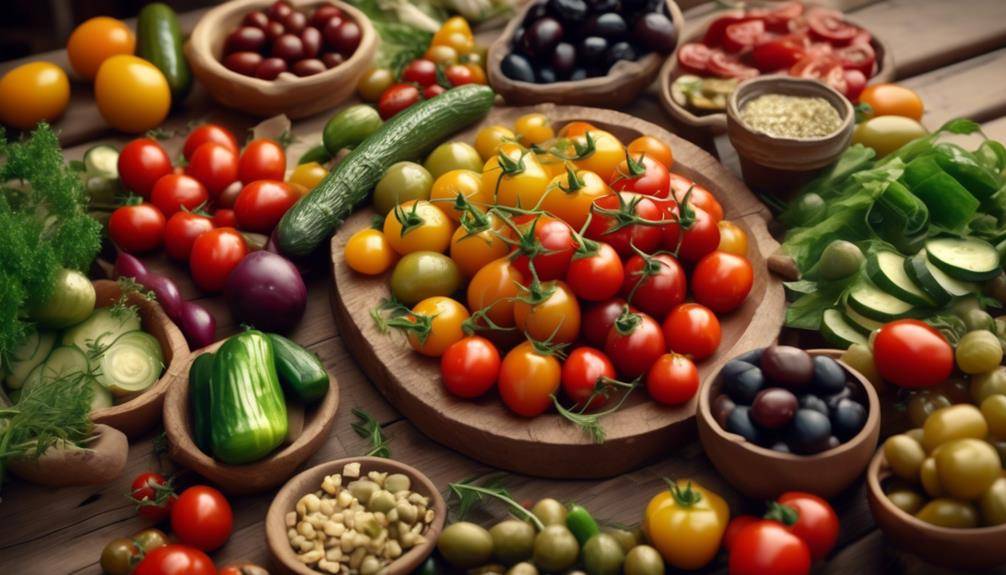
Embracing the principles of sustainable cooking, locally sourced produce plays a pivotal role in minimizing environmental impact and maximizing flavor in molecular gastronomy. Seasonal cooking allows chefs to utilize the freshest ingredients at their peak flavor, reducing the need for long-distance transportation and the associated carbon emissions. By sourcing produce from community gardens, chefs can support local farmers and contribute to the development of sustainable food systems.
Community gardens provide an opportunity for urban areas to grow their own fruits, vegetables, and herbs, reducing the reliance on industrial agriculture and promoting a sense of community. Incorporating locally sourced produce not only enhances the taste and quality of dishes but also supports the local economy and reduces the carbon footprint of the culinary industry.
Energy Efficiency in Molecular Gastronomy
To maximize energy efficiency in molecular gastronomy, you can implement energy-saving techniques and sustainable cooking methods. For example, using induction cooktops instead of traditional gas or electric stoves can significantly reduce energy consumption. Additionally, utilizing low-temperature cooking methods, such as sous vide, can help conserve energy while still achieving precise results.
Energy-Saving Techniques
Using innovative energy-saving techniques is essential in molecular gastronomy to ensure efficient use of resources and minimize environmental impact. By incorporating energy-saving equipment and sustainable cooking appliances, you can significantly reduce your energy consumption while still achieving delicious and visually stunning dishes. Here are three key energy-saving techniques to implement in your molecular gastronomy practices:
- Induction cooking: Utilize induction cooktops that use electromagnetic fields to directly heat the cookware, resulting in faster and more efficient cooking. This technology minimizes heat loss and reduces energy waste.
- Vacuum sealers: Preserve ingredients and extend their shelf life by using vacuum sealers. By removing air and sealing the food in airtight bags or containers, you prevent spoilage and reduce the need for frequent ingredient replacements.
- Energy-efficient refrigeration: Opt for energy-efficient refrigeration units that use advanced insulation and cooling technologies to minimize energy consumption. These appliances maintain optimal temperature levels while reducing greenhouse gas emissions.
Sustainable Cooking Methods
Incorporating sustainable cooking methods is imperative in molecular gastronomy to enhance energy efficiency and reduce environmental impact. By adopting sustainable cooking techniques and eco-friendly culinary practices, you can contribute to a more sustainable future. One effective method is using induction cooktops, which are highly energy-efficient as they directly heat the cookware rather than the surrounding air.
Another approach is using steam cooking, which preserves the nutrients and flavors of ingredients while minimizing energy consumption. Additionally, pressure cooking is a time-saving and energy-efficient method that reduces cooking time by up to 70%. Incorporating sous vide cooking, a technique that involves cooking vacuum-sealed food in a water bath at a precise temperature, can also enhance energy efficiency by minimizing heat loss. By embracing these sustainable cooking methods, you can not only create innovative dishes but also make a positive impact on the environment.
Reducing Food Waste Through Molecular Gastronomy Techniques
By implementing molecular gastronomy techniques, you can effectively minimize food waste, utilizing innovative scientific methods to maximize the use of ingredients in sustainable cooking. Molecular gastronomy, the application of scientific principles to cooking, offers creative solutions to reducing food waste. Here are three ways in which molecular gastronomy techniques can help in this endeavor:
- Ingredient transformation: Molecular gastronomy allows you to transform leftovers or less desirable ingredients into new and exciting dishes. Through techniques like spherification, you can turn leftover fruits or vegetables into elegant and visually appealing spheres that can be used as garnishes or added to dishes. This not only reduces waste but also adds a touch of innovation to your cooking.
- Utilizing food scraps: With molecular gastronomy, you can extract flavors and textures from food scraps that would typically be discarded. By using techniques such as distillation or extraction, you can create flavorful oils, essences, or powders from parts of ingredients that are usually thrown away. This way, you can maximize the use of all parts of an ingredient, reducing waste significantly.
- Preservation techniques: Molecular gastronomy offers various preservation methods that help extend the shelf life of ingredients. For example, sous vide cooking can preserve the freshness and flavor of foods for longer periods. By vacuum-sealing ingredients and cooking them at precise temperatures, you can reduce spoilage and waste.
Through these molecular gastronomy techniques, you can not only reduce food waste but also create unique and sustainable dishes. The innovative methods used in molecular gastronomy allow you to make the most out of your ingredients, promoting a more sustainable and environmentally friendly approach to cooking. So, get ready to embrace the science of cooking and minimize food waste in your kitchen.
Minimizing Environmental Impact in Molecular Gastronomy Practices
To minimize the environmental impact of molecular gastronomy practices, you must employ sustainable techniques that prioritize resource conservation and waste reduction. One important aspect to consider is minimizing water usage. Water is a precious resource, and by implementing strategies to reduce water consumption, you can contribute to a more sustainable approach in molecular gastronomy.
There are several ways to minimize water usage in molecular gastronomy. One approach is to optimize the use of water during cooking processes. For example, instead of using excessive amounts of water to cook ingredients, you can use precise measurements and techniques that require minimal water. Additionally, reusing water whenever possible and implementing water-saving devices in your kitchen can further reduce water consumption.
Another aspect to consider is responsible packaging choices. Molecular gastronomy often involves the use of various ingredients and additives, which may come in packaging that contributes to waste. By selecting packaging materials that are recyclable or biodegradable, you can minimize the environmental impact of your molecular gastronomy practices. Furthermore, opting for bulk purchasing and reducing single-use packaging can also help in reducing waste.
The Future of Sustainable Molecular Gastronomy
As the culinary world continues to evolve, the future of sustainable molecular gastronomy holds exciting possibilities for innovative chefs and scientists alike. With technological advancements in molecular gastronomy, there are endless opportunities to create sustainable and environmentally-friendly dishes that not only taste exquisite but also contribute to a healthier planet.
Here are three key innovations in sustainable molecular gastronomy techniques that are shaping the future of this culinary discipline:
- Plant-based alternatives: Chefs and scientists are exploring the use of plant-based ingredients to replace traditional animal products in molecular gastronomy. By utilizing innovative techniques such as plant-based foams, gels, and emulsions, chefs can create dishes that mimic the textures and flavors of animal-based ingredients without the environmental impact.
- Waste reduction and utilization: Sustainable molecular gastronomy focuses on minimizing waste and maximizing the use of ingredients. By utilizing ingredients that are typically discarded, such as vegetable peels and fruit rinds, chefs can create unique flavors and textures, reducing food waste in the process.
- Energy-efficient cooking methods: As sustainability becomes a priority, chefs are exploring energy-efficient cooking methods in molecular gastronomy. By utilizing new technologies and equipment, such as induction cooktops and energy-efficient ovens, chefs can reduce energy consumption and minimize their carbon footprint without compromising on taste or creativity.
The future of sustainable molecular gastronomy is bright, with ongoing research and innovation driving the field forward. By embracing technological advancements and implementing innovative techniques, chefs and scientists can create culinary experiences that are not only delicious but also sustainable and environmentally-friendly. So get ready to embark on a journey of culinary exploration, where sustainability and gastronomy go hand in hand.
Frequently Asked Questions: Molecular Gastronomy in Sustainable Cooking
What Are Some Common Molecular Gastronomy Techniques Used in Sustainable Cooking?
You can incorporate molecular gastronomy techniques into sustainable cooking. By exploring innovative methods, you can create precise and scientific dishes that push the boundaries of traditional cooking while still prioritizing sustainability.
How Can Molecular Gastronomy Help Reduce the Carbon Footprint of a Restaurant or Kitchen?
Molecular gastronomy can help you reduce your restaurant’s carbon footprint. By using sustainable cooking techniques like sous vide and spherification, you can minimize food waste and energy consumption, while still creating innovative and delicious dishes.
Are There Any Specific Ingredients That Are Commonly Used in Sustainable Molecular Gastronomy?
There are many sustainable ingredients commonly used in molecular gastronomy. With creative applications, these ingredients can enhance flavors and textures while reducing the carbon footprint of your kitchen or restaurant.
Can You Provide Examples of Innovative Ways to Repurpose Food Waste Using Molecular Gastronomy Techniques?
You can repurpose food waste using innovative molecular gastronomy techniques. Create sustainable dishes by transforming leftover ingredients into unique textures, flavors, and presentations. Embrace the scientific art of sustainable cooking.
What Are Some Challenges Faced in Implementing Sustainable Practices in Molecular Gastronomy?
Implementing sustainable practices in molecular gastronomy can present challenges such as sourcing local, organic ingredients and reducing food waste. However, the benefits of incorporating sustainable techniques include preserving natural resources and promoting eco-conscious dining experiences.

Conclusion
In conclusion, molecular gastronomy offers a promising avenue for sustainable cooking. By focusing on the sourcing of ingredients, energy efficiency, and reducing food waste, this innovative culinary approach minimizes its environmental impact. With further advancements, the future of sustainable molecular gastronomy holds great potential for revolutionizing the way we cook and consume food, ensuring a healthier planet for generations to come.
If you enjoyed exploring this topic and want to dive even deeper, be sure to check out some of our other articles here on Infinite Flavors. From rich culinary histories to creative twists on classic recipes, there’s always something new to discover. Whether you’re curious about the origins of a dish, looking for fresh inspiration in the kitchen, or simply love learning about food culture, our collection of posts is the perfect next step on your flavor journey.
Amazing Science Behind Molecular Gastronomy Cooking
Exciting Molecular Gastronomy Food Presentation Ideas
Amazing Molecular Gastronomy In Vegan Cuisine