5 Of The Best Techniques For Preparing Seafood Paella
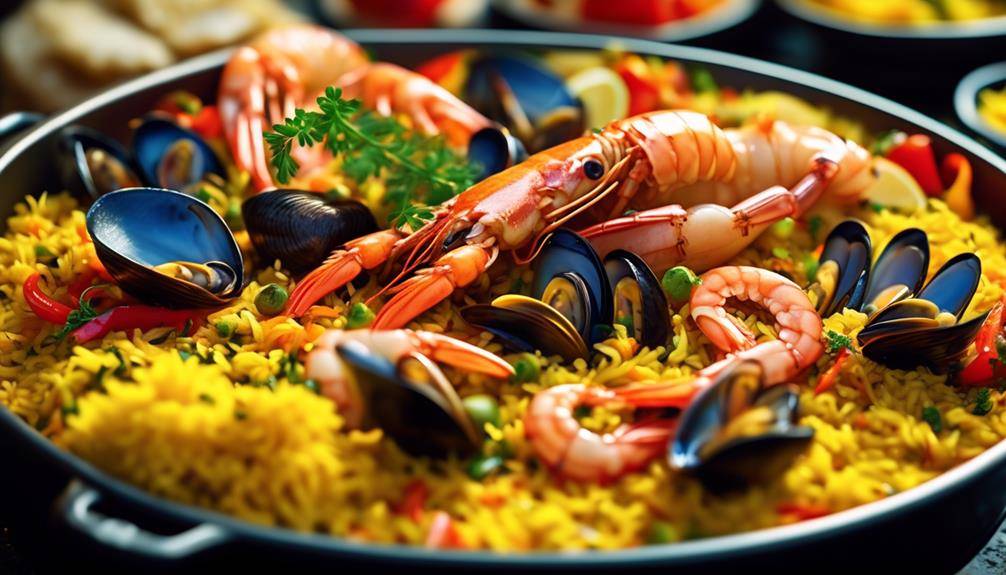
Best Techniques For Preparing Seafood Paella; Imagine your taste buds taking a leisurely stroll along the sun-kissed shores of the Mediterranean, where the salty sea breeze caresses your senses and the flavors of Spain dance on your palate. Now, picture yourself savoring a plate of seafood paella, the crown jewel of Spanish cuisine. But what makes this vibrant dish truly outstanding? In this discussion, we will unveil the five best techniques that elevate seafood paella from a mere meal to a culinary masterpiece. So, get ready to embark on a gastronomic adventure that will leave you craving for more, as we explore the secrets behind the perfect seafood paella.
Selecting the Freshest Seafood
Are you wondering how to ensure you’re selecting the freshest seafood for your delicious seafood paella? Sourcing seafood and maintaining proper seafood storage are crucial steps in guaranteeing the quality of your ingredients. When it comes to sourcing seafood, it is best to buy it from reputable fishmongers or seafood markets. These establishments often have a wide variety of fresh seafood available, ensuring that you have access to the best selection. Look for markets that have a high turnover of seafood, as this indicates that their products are fresh and in demand.
When selecting seafood, there are a few key indicators to look out for. Fresh fish should have clear, bright eyes, shiny scales, and a mild oceanic smell. Avoid fish that have cloudy or sunken eyes, dull scales, or a strong, fishy odor. Shellfish, such as clams and mussels, should have tightly closed shells. Discard any that are open, as this indicates that they are no longer alive. Additionally, make sure to check for any signs of damage or discoloration on the seafood, as this can be an indication of spoilage.
Once you have sourced your seafood, it is important to store it properly to maintain its freshness. Keep seafood refrigerated at temperatures between 32-39°F (0-4°C) to slow down bacterial growth. If you do not plan on using the seafood immediately, it is best to store it on ice to keep it at the appropriate temperature. Avoid storing seafood with other strong-smelling foods, as they can absorb odors easily. Finally, always follow the recommended storage times for different types of seafood to ensure optimal freshness.
Perfecting the Saffron-Infused Rice
After ensuring you have selected the freshest seafood for your seafood paella, it’s time to focus on perfecting the saffron-infused rice, a key component that adds depth and flavor to the dish. Sourcing quality saffron is crucial to achieve the authentic taste and vibrant color that characterizes a traditional paella. Look for saffron threads that are dark red and have a strong aroma. Avoid powders or blends, as they tend to be less potent and may contain additives. It’s worth investing in a small quantity of high-quality saffron for the best results.
Now, let’s talk about the rice. While traditional paella is made with Bomba or Calasparra rice, you can also experiment with alternative rice varieties to add a unique twist to your dish. Arborio rice, commonly used in risotto, can be a good substitute if you can’t find the traditional varieties. It has a similar ability to absorb flavors and releases starch slowly, resulting in a creamy texture that complements the seafood.
When cooking the saffron-infused rice, it’s important to toast the rice grains before adding the liquid. This helps to enhance the nutty flavor and prevents the rice from becoming mushy. In a large paella pan, heat olive oil and add the rice, stirring constantly until it turns opaque. Then, add the saffron-infused broth slowly, allowing the rice to absorb the liquid gradually. This will ensure that each grain cooks evenly and remains firm.
Remember to adjust the seasoning as needed and be cautious with the amount of salt used, as the seafood and saffron already contribute to the overall flavor. With these tips, you’ll be able to create a saffron-infused rice that perfectly complements the fresh seafood, resulting in a delicious and authentic seafood paella.
Mastering the Aromatic Herbs and Spices
To elevate the flavors of your seafood paella, mastering the aromatic herbs and spices is essential. These ingredients not only add depth and complexity to the dish but also create a harmonious balance of flavors that will leave your taste buds craving for more. Here are three key elements to consider when it comes to the aromatic herbs and spices in your seafood paella:
- Saffron: As mentioned in the previous subtopic, saffron plays a crucial role in adding a vibrant golden color and a distinct earthy flavor to the dish. Its delicate aroma enhances the overall sensory experience of the paella and brings out the natural flavors of the seafood.
- Smoked paprika: This rich and smoky spice adds a depth of flavor to the paella, complementing the seafood beautifully. Its slightly sweet and earthy notes create a warm and inviting aroma that will make your mouth water as the dish simmers.
- Fresh herbs: Herbs like parsley and thyme not only add a fresh and fragrant touch to the paella but also provide a subtle yet distinct flavor that enhances the overall taste of the dish. Sprinkle them on top just before serving to add a pop of green color and a burst of aromatic goodness.
To enhance the dish even further, garlic is a must-have ingredient. Its pungent and slightly sweet taste adds a bold and aromatic dimension to the paella. Whether minced, sliced, or crushed, garlic infuses the entire dish with its unmistakable aroma, elevating the flavors of both the seafood and the rice.
Mastering the use of these aromatic herbs, spices, and garlic will take your seafood paella to new heights. Their combination creates a symphony of flavors that will transport you to the sunny shores of Spain with every bite. So don’t be afraid to experiment and find the perfect balance of these ingredients to make your seafood paella truly extraordinary.
Achieving the Ideal Cooking Techniques
Now that you have mastered the aromatic herbs and spices in your seafood paella, it’s time to dive into the world of achieving the ideal cooking techniques. Properly seasoning the paella is crucial to creating a dish bursting with flavor. To do this, start by tasting the broth and adjusting the salt and spices accordingly. Remember, seafood is delicate, so be careful not to overpower it with too much seasoning. Once you have achieved the perfect balance, it’s time to move on to the next step.
Choosing the right type of pan for cooking paella is essential in ensuring even heat distribution and a crispy bottom layer of rice, known as the socarrat. Traditionally, a wide, shallow pan called a paellera is used. This type of pan allows for the rice to cook evenly and allows for the socarrat to form. If you don’t have a paellera, a large, flat-bottomed skillet can also work well. Just make sure it is wide enough to allow the rice to spread out in a thin layer.
When cooking the paella, it’s important to maintain a consistent heat throughout the cooking process. This will ensure that the rice cooks evenly and absorbs all the delicious flavors from the broth. Start by heating the pan over medium heat and gradually increase the heat to medium-high once the broth has been added. Avoid stirring the rice too much, as this can release starch and result in a sticky texture.
Achieving the ideal cooking techniques for your seafood paella requires attention to detail and a bit of practice. But with the right seasoning and pan choice, you’ll be well on your way to creating a mouthwatering dish that will impress your friends and family.
Creating the Perfect Socarrat
Are you ready to discover the secrets to creating the perfect socarrat in your seafood paella? Socarrat, the crispy, caramelized layer of rice that forms at the bottom of the pan, is the holy grail of any paella lover. It adds depth, texture, and flavor to your dish, elevating it to a whole new level. But how do you achieve that coveted socarrat every time? Let’s dive in and explore the techniques that will enhance the flavor profile of your seafood paella.
Here are three key elements to creating the perfect socarrat:
- Patience is key: Achieving the perfect socarrat requires time and attention. Allow the rice to cook undisturbed for the first few minutes, creating a solid base. As the rice absorbs the flavorful broth, it will gradually develop a crusty bottom. Resist the temptation to stir too often, as this can disrupt the socarrat formation.
- Controlling the heat: Socarrat thrives on high heat. Start by cooking your paella on medium-high heat to get the rice cooking evenly. Once you’ve added the broth and the rice starts to absorb it, increase the heat slightly to encourage the formation of the socarrat. However, be cautious not to burn it. Adjust the heat as needed to maintain the perfect balance.
- Experiment with alternative ingredients: While traditional socarrat is made with rice, you can explore alternative ingredients to create unique flavors and textures. Try using quinoa, cauliflower rice, or even a mix of different grains. These alternatives can add a delightful twist to your seafood paella and create a socarrat that is just as delicious.
Frequently Asked Questions: Best Techniques For Preparing Seafood Paella
What Are Some Common Mistakes to Avoid When Preparing Seafood Paella?
When preparing seafood paella, make sure you avoid common mistakes like overcooking the seafood and using the wrong type of rice. These errors can ruin the dish and affect the overall taste.
Can I Use Frozen Seafood Instead of Fresh Seafood?
You can use frozen seafood instead of fresh for your seafood paella, but there are pros and cons. Frozen seafood is convenient, but fresh seafood offers better flavor and texture. To properly thaw frozen seafood, follow these tips.
What Are Some Alternative Ingredients That Can Be Used in Place of Saffron?
Using different spices in seafood paella can completely change the flavor profile. Some alternative spices to saffron include turmeric, paprika, and cumin. Experimenting with these spices can add depth and complexity to your dish.
How Long Does It Take to Cook Seafood Paella?
Seafood paella takes about 30-40 minutes to cook. To ensure the perfect dish, here are some tips and tricks: use a wide pan, cook the rice on a medium heat, and let it rest before serving.
Can I Make Seafood Paella in Advance and Reheat It Later?
Yes, you can make seafood paella in advance and reheat it later. To ensure it stays delicious, follow these make-ahead tips and reheating techniques for a perfectly flavorful and satisfying dish.

Conclusion
In conclusion, preparing the perfect seafood paella requires attention to detail and a combination of techniques. From selecting the freshest seafood to infusing the rice with saffron, mastering the aromatic herbs and spices, and achieving the ideal cooking techniques, every step contributes to the ultimate flavor. Don’t forget the final touch of creating the perfect socarrat, that crispy layer at the bottom of the pan. With these techniques, your seafood paella will be nothing short of extraordinary.
If you enjoyed exploring this topic and want to dive even deeper, be sure to check out some of our other articles here on Infinite Flavors. From rich culinary histories to creative twists on classic recipes, there’s always something new to discover. Whether you’re curious about the origins of a dish, looking for fresh inspiration in the kitchen, or simply love learning about food culture, our collection of posts is the perfect next step on your flavor journey.
Why Is Timing Crucial For Amazing Perfectly Cooked Scallops
The 4 Best Techniques For Preparing Seafood Pasta Dishes
13 Easy Tips For Cooking And Cleaning Fresh Squid