Essential Shopping Guide For Pizza-Making Ingredients
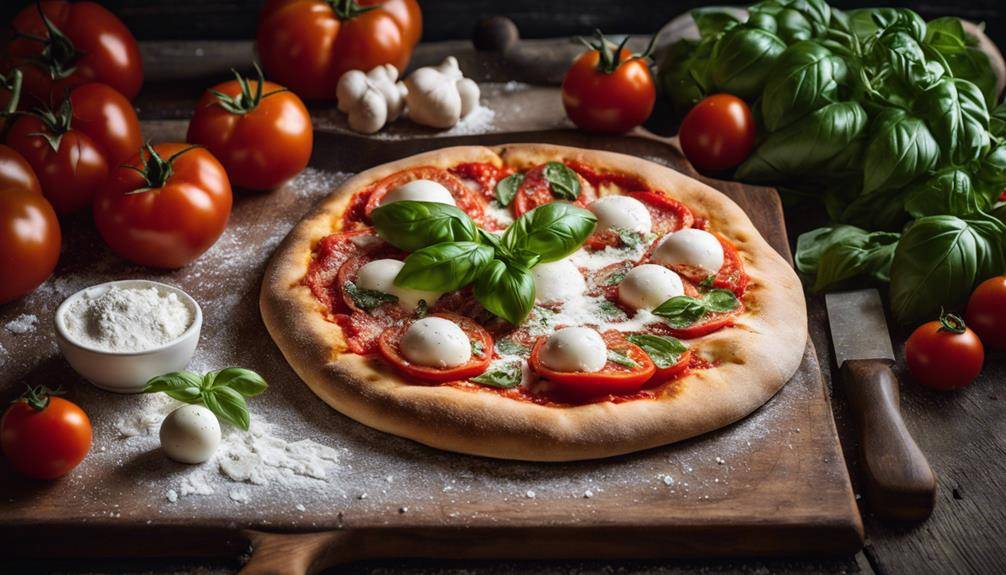
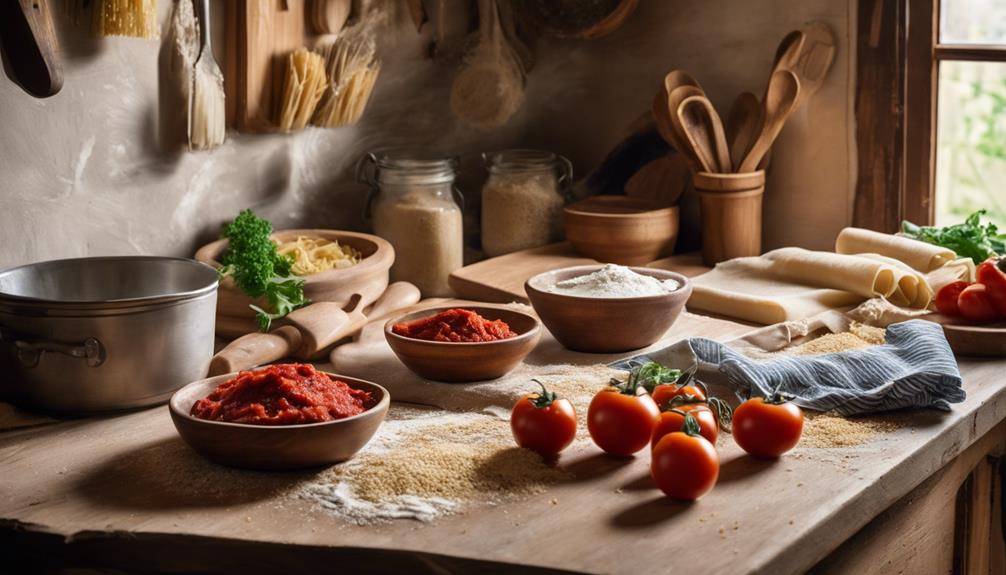
Shopping Guide For Pizza-Making Ingredients: To create the perfect pizza, start with the right ingredients. Choose "00" flour for Neapolitan pizzas or high-gluten bread flour for that classic New York slice. Don't forget quality yeast—active dry or instant will do the trick. Opt for San Marzano tomatoes for a rich sauce, seasoned with fresh herbs. Fresh mozzarella is essential for that gooey melt, and adding vibrant veggies or flavorful meats can elevate your pizza. Invest in tools like a pizza stone and peel for peak baking. There's plenty more to explore to guarantee your pizza-making is first-rate and delicious.
Choosing the Right Flour
Click Here and Turn Every Masterpiece into a Showstopper!
When it comes to making the perfect pizza, selecting the right flour is essential. The flour you choose directly impacts the texture and flavor of your crust. You'll find several flour types, each with unique properties that can elevate your pizza-making game.
For Neapolitan-style pizza, you might want to opt for "00" flour, which has a fine grind and lower protein content, allowing for a soft, chewy crust. If you're aiming for a New York-style pizza, high-gluten bread flour is your best bet; it has a higher protein content, giving you that characteristic stretch and crispness.
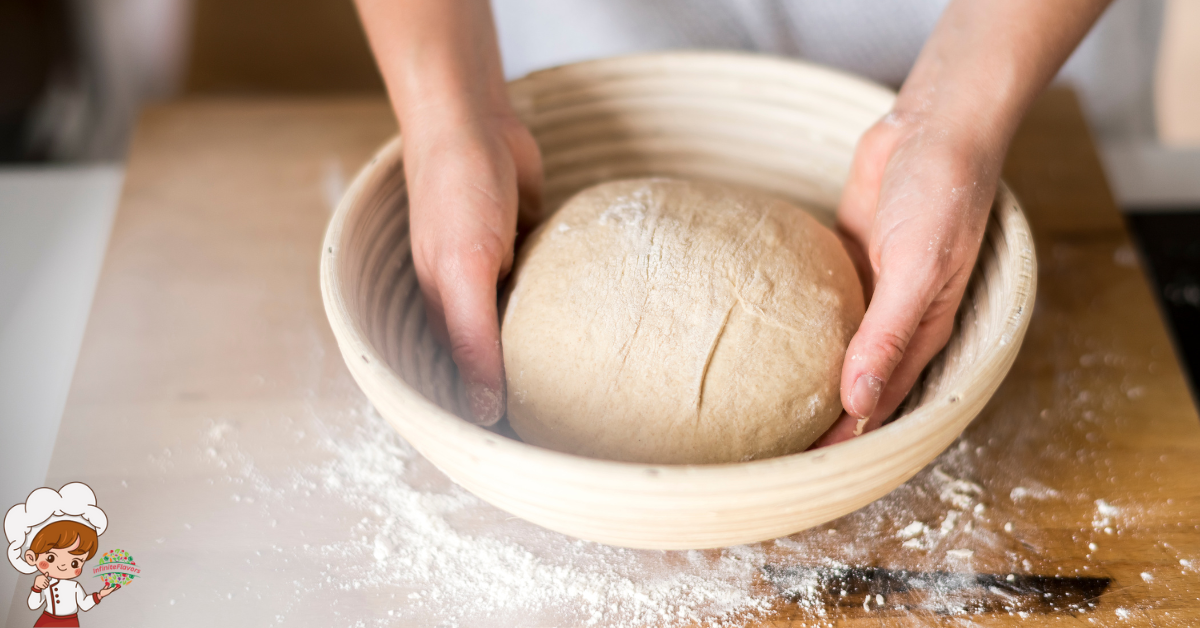
Hydration levels also play a vital role in pizza dough. Higher hydration levels create a lighter, airier crust, while lower hydration yields a denser, chewier texture. When working with different flour types, you'll need to adjust your water content based on the flour's absorbency. For example, if you're using bread flour, you may want to increase the water to achieve that perfect dough consistency.
Experimenting with various flour types and hydration levels can lead you to discover your ideal pizza crust. Don't be afraid to mix flours, either; a combination of all-purpose and whole wheat flour can add depth to your flavor profile. Ultimately, the right flour will not only enhance your pizza's taste but also contribute to the overall experience of making and enjoying it.
Essential Yeast Varieties
Yeast is the magic ingredient that makes your pizza dough rise and develop flavor. When you're choosing yeast for your pizza-making adventure, you'll typically encounter three main varieties: active dry yeast, instant yeast, and fresh yeast. Each has its own characteristics, and knowing how to use them is vital.
Active dry yeast is the most common option. Before using it, you'll need to activate it by dissolving it in warm water with a bit of sugar. This process helps awaken the yeast, ensuring it's alive and ready to work its magic. Instant yeast, on the other hand, doesn't require activation. You can mix it directly into your dry ingredients, making it a convenient choice for those busy nights when you want pizza fast. Finally, fresh yeast, while less common, offers a rich flavor. It must be refrigerated and has a shorter shelf life, so proper yeast storage is essential.
Regardless of the type you choose, always pay attention to expiration dates. Stale yeast won't rise your dough, no matter how well you activate it. Store your opened yeast in an airtight container in the fridge to keep it fresh and potent. If you're using fresh yeast, aim to use it within a week for the best results. With the right yeast variety and proper storage, you're well on your way to creating delicious, fluffy pizza crusts!
Perfecting Pizza Sauce
When it comes to pizza sauce, choosing the right tomato variety is essential for achieving that perfect flavor. You'll also want to explore various seasoning options and cooking techniques to elevate your sauce to the next level. Let's break down how to create a sauce that'll impress everyone at your next pizza night.
Key Tomato Varieties
To create a truly exceptional pizza sauce, you need to choose the right tomatoes. Heirloom tomatoes are a fantastic option, known for their rich, complex flavors and vibrant colors. They bring a unique sweetness to your sauce that can elevate any pizza. If you can't find fresh heirloom varieties, don't worry—canned tomatoes can be just as effective, especially when you opt for high-quality organic options. Look for whole or crushed canned tomatoes that promise robust tomato flavor.
When using canned tomatoes, verify you're aware of their tomato freshness; some brands process their tomatoes right at peak ripeness, resulting in a better sauce. You should also consider saucing varieties like San Marzano tomatoes, which are famous for their sweetness and low acidity, making them ideal for pizza sauce.
If you're in a pinch, tomato substitutes can work too, such as tomato paste or pureed tomatoes, but remember that these may alter the texture and flavor of your sauce. Proper tomato storage is essential; keep your fresh tomatoes in a cool, dark place to maintain their flavor until you're ready to create your masterpiece.
Flavorful Seasoning Options
Often overlooked, the right seasonings can make all the difference in perfecting your pizza sauce. You want to create a sauce that's bursting with flavor, and that starts with carefully chosen herb blends. Classic options like oregano, basil, and thyme form a great foundation, but don't be afraid to experiment with other herbs or even a pinch of rosemary for a unique twist.
To achieve the best flavor profile, pay attention to your spice ratios. A good rule of thumb is to start with a tablespoon of dried herbs for every 28 ounces of tomato sauce. From there, you can adjust based on your personal taste. If you prefer a more robust flavor, add more oregano or basil. For a little heat, consider incorporating crushed red pepper flakes.
Don't forget about garlic and onion powder! They can elevate your sauce to a whole new level. Remember, it's about balance—too much of one spice can overpower the others. Taste as you go, and you'll land on the perfect seasoning combination that makes your pizza sauce truly unforgettable!
Cooking Techniques Tips
Perfecting your pizza sauce involves not just the right ingredients but also effective cooking techniques. Start by simmering your tomatoes to enhance their natural sweetness. Use a saucepan over medium heat, adding garlic and onions for depth. Stir frequently to prevent burning, ensuring a smooth texture.
Next, focus on sauce layering. Once your sauce is ready, let it cool slightly before applying it to your stretched dough. This helps maintain the integrity of your crust. When you spread the sauce, use a ladle or spoon, ensuring it covers the dough evenly without overwhelming it. A thin layer is often best, allowing the crust to cook properly.
As you prep your pizza, remember that dough stretching plays an essential role. After making your dough, let it rest; this relaxes the gluten, making it easier to stretch. Use your hands to gently pull and shape the dough, ensuring it's not too thick in the center.
Selecting Cheese Types
When it comes to crafting the ideal pizza, selecting the right cheese can make all the difference. The type of cheese you choose not only affects the flavor but also the overall texture of your pizza. You'll want to contemplate both the cheese textures and how they interact with other ingredients on your pizza.
Mozzarella is the classic choice for pizza because of its creamy texture and excellent melting qualities. Fresh mozzarella adds a delightful stretch and a rich flavor, while low-moisture mozzarella provides a firmer texture that holds up well during baking. If you're feeling adventurous, try adding provolone for a sharp kick or fontina for a nutty depth. These cheeses pair beautifully with mozzarella, creating a harmonious blend that elevates your pizza.
Don't forget about cheese pairings! Combining different cheeses can enhance your pizza's flavor profile. For instance, mixing mozzarella with gorgonzola introduces a tangy bite, while a sprinkle of parmesan adds a salty crunch. You can also explore unique options like goat cheese or ricotta for a creamy texture that contrasts with the crust.
Ultimately, the key is to balance flavors and textures. Contemplate the richness of your sauce, the toppings you plan to use, and even your crust choice. By thoughtfully selecting your cheese types, you'll create a pizza that's not only delicious but also memorable. So go ahead, experiment with different cheeses, and find the perfect combination that suits your taste!
Fresh Vegetables and Herbs
Incorporating fresh vegetables and herbs into your pizza not only enhances its flavor but also adds vibrant colors and textures. When you're shopping for ingredients, focus on vegetable freshness; it can make all the difference in your final dish. Look for crisp bell peppers, ripe tomatoes, and fresh spinach. These choices not only taste better but also provide essential nutrients.
For your herb selection, consider classic options like basil, oregano, and parsley. Fresh herbs can elevate your pizza with their aromatic qualities. You'll want to use them generously, as they tend to lose potency when cooked. If you can, try to find herbs that are still attached to their roots; these tend to have a longer shelf life and retain more flavor.
Don't forget about other vegetables that can add depth to your pizza. Sliced red onions, mushrooms, and zucchini can contribute both flavor and texture. Roasting some of these veggies beforehand can also intensify their natural sweetness, giving your pizza an extra layer of taste.
When it comes to using fresh produce, the key is balance. Too many ingredients can overwhelm the palate, while too few can make your pizza bland. Aim for a colorful mix that complements your cheese choice. By prioritizing vegetable freshness and thoughtful herb selection, you'll create a pizza that's not only delicious but also visually enticing. Happy pizza-making!
Meats for Topping
When it comes to pizza, choosing the right meat toppings can make all the difference in flavor. You might want to explore popular choices like pepperoni or sausage, but don't forget about healthier alternatives that can still pack a punch. Let's look at the best options to satisfy your cravings while keeping your pizza delicious.
Popular Meat Choices
While many people enjoy a classic cheese pizza, adding meats can elevate your pie to a whole new level. One of the most famous choices is pepperoni, thanks to its popularity and perfect balance of spice and flavor. You can also explore various sausage varieties, such as Italian or chorizo, to add depth to your toppings. When choosing meats, pay attention to meat quality; fresh, high-grade options will greatly enhance your pizza's taste.
Consider combining meats for more complex flavor profiles. For instance, mixing pepperoni with sausage creates a delightful topping combination that satisfies many palates. Don't forget to explore regional meats as well—smoked meats and local specialties can give your pizza a unique twist.
Meat sourcing is essential; look for reputable suppliers who prioritize quality. As for preparation methods, you can either pre-cook your meats or add them raw, depending on the cooking times and the desired texture. Remember, the way you prepare and layer your meats can make all the difference in achieving that perfect, mouthwatering pizza experience.
Healthier Meat Alternatives
Have you ever considered how healthier meat alternatives can transform your pizza? By swapping traditional meats for plant-based proteins, you can create a delicious pie that's not only satisfying but also better for your health. Meat substitutes like tempeh, seitan, and jackfruit offer unique flavors and textures that can elevate your pizza experience without sacrificing taste.
Tempeh, for instance, absorbs marinades beautifully and has a nutty flavor, making it a great topping choice. Seitan, made from wheat gluten, mimics the chewy texture of meat and can be seasoned to replicate anything from pepperoni to sausage. Meanwhile, jackfruit provides a pulled pork-like consistency that's perfect for BBQ pizzas.
You don't have to limit yourself to just one type of meat substitute; mix and match to find your ideal combination! Consider adding roasted vegetables, fresh herbs, or a sprinkle of nutritional yeast to enhance the flavors even more. By experimenting with these healthier meat alternatives, you'll discover that pizza can be both nutritious and indulgent. So, next time you're topping your dough, think beyond traditional meats and embrace the world of plant-based options. Your taste buds will thank you!
Click Here and Turn Every Masterpiece into a Showstopper!
Specialty Ingredients
Specialty ingredients can elevate your pizza from ordinary to extraordinary, adding unique flavors and textures that surprise and delight your taste buds. When you're ready to take your pizza-making to the next level, consider incorporating some unique toppings and specialty cheeses.
Start by exploring unique toppings that go beyond the traditional pepperoni and mushrooms. Think about adding roasted garlic, pickled jalapeños, or even artichoke hearts. These toppings not only bring a burst of flavor but also add an appealing visual aspect to your pizza. You can also experiment with seasonal vegetables, like zucchini or butternut squash, to keep your creations fresh and exciting.
Next, don't underestimate the power of specialty cheeses. While mozzarella is a classic choice, you can enhance your pizza by using cheeses like burrata, gorgonzola, or goat cheese. Each of these options offers distinct textures and flavors that can transform your dish. For example, burrata provides a creamy richness, while gorgonzola adds a bold, tangy kick.
You might also want to mix different cheeses for a more complex profile. A blend of mozzarella, provolone, and parmesan can create an unforgettable cheese experience.
Incorporating these specialty ingredients allows you to personalize your pizza and impress friends and family with your culinary creativity. So, don't hesitate to explore the gourmet aisles of your local market and elevate your pizza game!
Baking Tools and Equipment
To make the perfect pizza, you'll need the right baking tools and equipment. From choosing the best pizza oven to measuring your ingredients accurately, having the essentials on hand makes all the difference. Let's explore what you'll need to achieve that delicious homemade pie.
Essential Baking Tools
A sturdy pizza stone can make all the difference in achieving that perfect crust at home. This essential baking tool retains heat, guaranteeing your pizza cooks evenly and gets that sought-after crispy base. To maintain your pizza stone, remember to follow proper pizza stone care. Avoid using soap, as it can absorb into the stone, and instead, scrape off any residue with a spatula after it cools.
You'll also want a good rolling pin for dough preparation techniques. This tool helps you roll your dough to the desired thickness, guaranteeing it bakes evenly. A pizza peel is another must-have; it allows you to transfer your pizza from the countertop to the oven with ease.
Don't forget a bench scraper for cutting or shaping your dough, making it easier to handle sticky mixtures. Finally, consider a digital kitchen scale for accurate measurements. This guarantees your dough consistency is spot on every time you make pizza. With these essential baking tools, you'll be well on your way to creating delicious homemade pizzas that impress your family and friends!
Equipment for Pizza Oven
When it comes to baking pizza, having the right equipment for your pizza oven can elevate your cooking game considerably. One of the most essential pieces is the pizza stone. You'll find various pizza stone options, such as cordierite, ceramic, or even steel. Each material has its advantages, but they all help in achieving that crispy crust by retaining heat effectively.
Next, consider a pizza peel. This tool makes transferring your pizza to and from the oven a breeze, preventing any mishaps. You should also think about an infrared thermometer. Monitoring the oven temperature is key to achieving the perfect bake. Ideally, you want it to be between 475°F and 500°F, depending on the type of pizza you're making.
Measuring Ingredients Accurately
Accurate measurement of ingredients is essential for pizza-making success. When you're mixing dough or preparing toppings, even a small deviation can affect the final product. To guarantee precision, invest in a good set of measuring spoons and kitchen scales.
Measuring spoons are perfect for smaller quantities, like yeast or salt, allowing you to get just the right amount every time. They typically come in sets, so you'll have everything you need at your fingertips. On the other hand, kitchen scales are invaluable for weighing larger ingredients like flour. Using weight measurements instead of volume provides more consistency, especially since flour can vary in density based on how it's packed.
When you're ready to measure, make sure to level off dry ingredients with a straight edge for accuracy. For liquids, use a clear measuring cup with measurement markings and check at eye level to avoid parallax errors. By utilizing these tools effectively, you'll set yourself up for pizza-making success, guaranteeing every pie turns out delicious. So, grab your measuring spoons and kitchen scales, and get ready to whip up some amazing pizza!
Storing Ingredients Properly
Proper storage of your pizza-making ingredients can make all the difference in maintaining their freshness and flavor. Understanding ingredient shelf life is essential, so start by implementing proper storage techniques tailored to each ingredient type.
For dry ingredients like flour and yeast, moisture prevention is key. Store them in airtight containers to protect against humidity. In your pantry, use clear, labeled bins for organization, making it easy to see what you have on hand and when it's time to rotate your stock. Labeling ingredients with purchase dates helps you keep track of freshness and guarantees you use older items first.
When it comes to perishables like cheese and meats, follow refrigeration guidelines closely. Always keep your fridge at a consistent temperature, ideally below 40°F (4°C). Use sealing methods like vacuum bags or airtight containers to prevent spoilage and preserve flavor.
If you're bulk buying ingredients, remember that proper storage is essential for long-term use. Divide larger portions into smaller, labeled containers for easier access and to minimize exposure to air and moisture.
Incorporate ingredient rotation in your pantry and fridge to avoid waste. Use the first-in, first-out method: place new items behind older ones so you use the older stock first. By mastering these storage techniques, you'll guarantee your pizza-making ingredients remain fresh, flavorful, and ready for your next culinary creation.
Tips for Ingredient Quality
To guarantee the highest quality in your pizza-making ingredients, focus on sourcing them from reliable suppliers and checking for freshness before purchasing. Start with your flour; look for high-protein options like bread flour that's unbleached. If possible, go for organic ingredient sourcing, as organic flours often have fewer additives and better flavor.
When it comes to tomatoes for your sauce, choose whole peeled tomatoes packed in juice rather than puree. This ensures you get that rich, authentic taste. Freshness matters, too; check the expiration dates and opt for brands known for their quality.
For cheese, select whole blocks of cheese instead of pre-shredded varieties. Pre-shredded cheese often contains anti-caking agents that can affect melt and flavor. When you can, buy from local dairies that prioritize quality and freshness.
Don't overlook the importance of seasonal ingredient selection. Fresh basil in the summer or ripe heirloom tomatoes in the fall can elevate your pizza to another level. Visit farmers' markets to find local produce; not only will it be fresher, but you'll also support your community.
Click Here and Turn Every Masterpiece into a Showstopper!
Frequently Asked Questions: Shopping Guide For Pizza-Making Ingredients
Can I Substitute All-Purpose Flour for Bread Flour?
You can substitute all-purpose flour for bread flour, but the dough texture might differ. All-purpose flour creates a softer crust, while bread flour offers more chewiness. Experiment to find the balance you enjoy most!
How Do I Know if My Yeast Is Active?
To check your yeast activation, dissolve it in warm water with a bit of sugar. If it bubbles and foams after about 5-10 minutes, it's active. You can use yeast substitutes if needed.
What's the Best Way to Store Leftover Pizza Sauce?
To store leftover pizza sauce, use an airtight container and refrigerate it. It'll last about a week. For longer storage, freeze it in portions. These storage tips will keep your sauce fresh for future use.
Can I Use Frozen Vegetables on My Pizza?
Absolutely, you can use frozen vegetables on your pizza! Popular frozen vegetable types like bell peppers and spinach make tasty pizza topping combinations. Just thaw them first for the best texture and flavor. Enjoy your creation!
How Long Can I Keep Cheese in the Fridge?
You can keep cheese in the fridge for a week to several months, depending on the type. Hard cheeses last longer due to better cheese storage, while soft cheeses spoil faster. Always check for freshness before use.

Conclusion
Now that you've got the scoop on essential pizza-making ingredients, you're ready to create your perfect pie! Remember to choose the right flour and yeast, whip up a tasty sauce, and select the cheese and toppings that excite your taste buds. Don't forget the baking tools and proper storage to keep everything fresh. With these tips, you'll elevate your pizza-making game and impress everyone at the table. Get ready to enjoy delicious homemade pizza!