What’s The Secret To A Healthy Homemade Vegetable Pizza
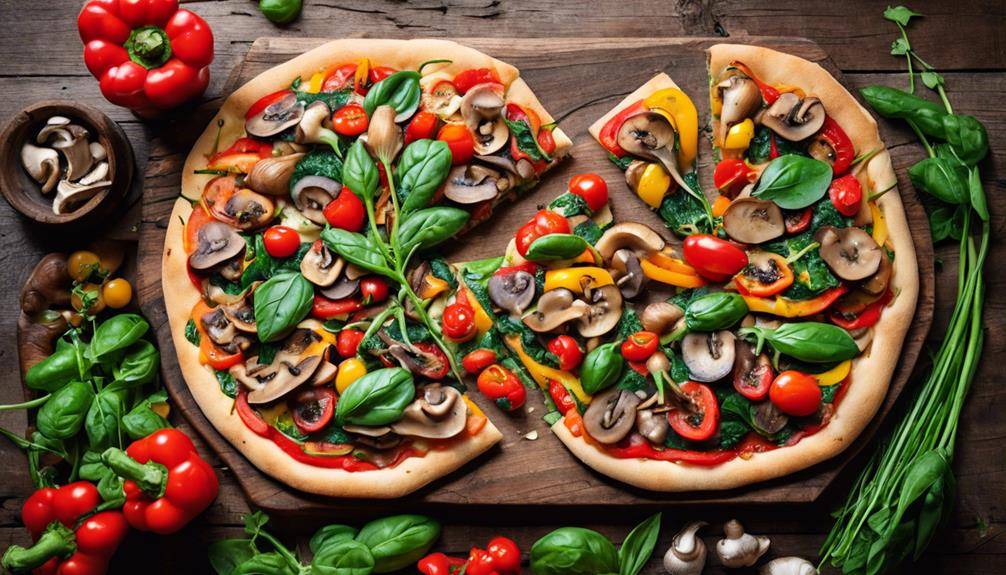
Secret To A Healthy Homemade Vegetable Pizza: The secret to a healthy homemade vegetable pizza starts with a whole grain or cauliflower crust for added nutrients and fiber. Opt for a fresh, flavorful sauce like homemade tomato or creamy pesto. Select seasonal, colorful vegetables to enhance both taste and nutrition; think bell peppers, spinach, and roasted artichokes. Use moderation when adding cheese—goat cheese or even nutritional yeast can add rich flavors without excess calories. Spice it up with fresh herbs like basil and oregano. With a few additional tips, you'll create a pizza that's both delicious and healthful. There's even more to discover about perfecting your pizza!
Choosing the Right Crust
Click Here and Turn Every Masterpiece into a Showstopper!
When it comes to choosing the right crust for your healthy homemade vegetable pizza, you'll want to weigh your options carefully. The crust lays the foundation for your pizza, impacting both taste and nutrition. A popular choice is whole grain crust. Whole grain flour retains more nutrients than refined flour, giving you added fiber and vitamins. Plus, it has a nuttier flavor that complements veggies beautifully. You can easily make your own or find pre-made options at the store.
Another great option is cauliflower crust. This gluten-free alternative has gained popularity for good reason. It's lower in carbs and calories, making it a fantastic choice if you're looking to lighten your meal. Cauliflower crust is also packed with vitamins, and when seasoned well, it can offer a satisfying flavor and texture. To make it, simply pulse cooked cauliflower into rice-sized pieces, mix it with cheese and eggs, and bake it until crisp.
Best Sauces for Flavor
When it comes to adding flavor to your vegetable pizza, the sauce you choose makes all the difference. You can stick with classic tomato sauce options, explore creamy white sauce ideas, or even get creative with unique pesto combinations. Each choice brings its own delicious twist, so let's explore what suits your taste best!
Classic Tomato Sauce Options
A variety of classic tomato sauce options can elevate your homemade vegetable pizza to new flavor heights. Start by choosing high-quality organic tomato varieties, like San Marzano or Roma tomatoes, known for their rich taste and sweetness. If you're up for it, consider making your own sauce with simple homemade sauce recipes.
To create a basic tomato sauce, just sauté garlic and onions in olive oil until fragrant, then add crushed organic tomatoes, a pinch of salt, and your favorite herbs like basil and oregano. Let it simmer for about 20 minutes to deepen the flavors. You can also experiment with roasted tomatoes for a smokier profile or add a splash of balsamic vinegar for acidity.
If you're short on time, store-bought options can work too. Look for brands that use organic tomato varieties and minimal additives. Just remember to taste and adjust the seasoning to your liking. The right sauce not only enhances the overall taste of your pizza but also complements the fresh vegetables you're using. Enjoy the process and let your creativity shine!
Creamy White Sauce Ideas
While classic tomato sauces bring a vibrant flavor to vegetable pizzas, creamy white sauces can add a rich and indulgent twist that complements a variety of toppings. One fantastic option is a creamy garlic sauce. Simply sauté minced garlic in olive oil, then whisk in heavy cream and a little grated Parmesan cheese. This sauce boasts a luscious texture and a robust garlic flavor that pairs beautifully with roasted vegetables like zucchini and bell peppers.
Another delightful choice is an herb-infused white sauce. Start with a base of ricotta or cream cheese, and mix in fresh herbs like basil, oregano, and thyme. This combination gives your pizza a fragrant, garden-fresh taste that's perfect for those who love a bit of herbal zest.
You could even experiment by blending these two ideas! Combine creamy garlic with the herb-infused base for a sauce that's both savory and aromatic. This allows you to elevate your vegetable pizza, making it not just a meal, but an experience. With these creamy white sauce ideas, you'll surely impress your family and friends with your homemade pizza creations.
Unique Pesto Combinations
Pesto isn't just for pasta; it can elevate your vegetable pizza to new heights with its vibrant flavors. By experimenting with unique pesto combinations, you can create a sauce that complements your favorite toppings perfectly. Start with basic basil pesto, then consider swapping herbs for a revitalizing twist. Try a blend of arugula and parsley for a peppery kick, or mix in some cilantro for a zesty flair.
Don't forget about nut variations! While pine nuts are traditional, you can use walnuts or even sunflower seeds for a different texture and taste. A blend of nuts can add depth, so get creative—mix cashews and almonds for a creamy finish.
To enhance your pesto further, add a splash of lemon juice for brightness or some nutritional yeast for an extra cheesy flavor without the dairy. Spread your unique pesto on your pizza crust before adding fresh vegetables like bell peppers, zucchini, and spinach. The result will be a colorful, nutrient-dense pizza that's bursting with flavor. So, go ahead and turn your homemade vegetable pizza into a gourmet experience with these unique pesto combinations!
Selecting Fresh Vegetables
When you're picking vegetables for your homemade pizza, consider choosing seasonal options for the best flavor and freshness. Don't forget to mix in a variety of colorful vegetables; they not only look great but also provide a range of nutrients. Always prioritize quality over quantity to guarantee your pizza is as delicious and healthy as possible.
Seasonal Vegetable Choices
Choosing seasonal vegetables for your homemade pizza not only enhances its flavor but also supports local farmers and reduces your carbon footprint. When you select veggies that are in season, you're likely to find them fresher, tastier, and more affordable. For instance, in the summer, tomatoes and zucchini are abundant, while fall brings a bounty of squash and kale.
Visiting local farmers' markets or joining a community-supported agriculture (CSA) program can be a great way to access these seasonal harvests. By doing this, you're not just getting the best produce; you're also fostering a sustainable food system.
Think about what's currently in season in your area and tailor your pizza toppings accordingly. You might discover some unique flavors that you wouldn't typically use. Seasonal choices can vary by region, so don't hesitate to ask local farmers for recommendations on what's at its peak.
Incorporating these fresh, seasonal vegetables into your pizza not only makes it healthier but also connects you to your community and the environment. So, grab those seasonal vegetables and get creative with your homemade pizza!
Colorful Varieties Matter
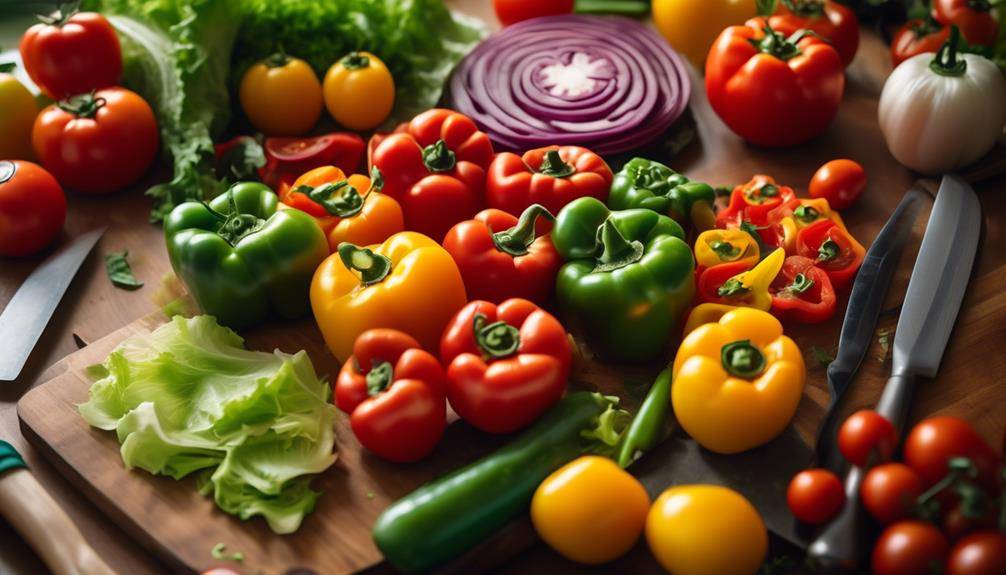
Selecting a variety of colorful vegetables can elevate your homemade pizza from ordinary to extraordinary. When you choose vibrant vegetables, you not only enhance the visual appeal of your dish but also boost its nutritional value. Think about adding bell peppers in red, yellow, and green, along with purple onions and spinach. These colorful toppings not only bring a feast for the eyes but also provide a range of vitamins and minerals.
Don't forget about the benefits of using seasonal produce. Fresh, in-season vegetables are typically more flavorful and packed with nutrients. Consider adding tomatoes, zucchini, or even roasted corn for a delightful twist. You can mix and match to create a palette that excites your taste buds.
Experiment with different combinations and textures to make your pizza stand out. For instance, try incorporating roasted vegetables for a smoky flavor or fresh herbs for a burst of freshness. The key is to embrace the variety and let your creativity shine. By choosing these colorful toppings, you'll guarantee that every bite is not only delicious but also a celebration of health. So, go ahead and load up your pizza with the rainbow!
Quality Over Quantity
Fresh, high-quality vegetables can make all the difference in your homemade pizza. When you're selecting ingredients, focus on sourcing vegetables that are in season and locally grown. This not only supports your community but also guarantees you're getting the freshest produce available. Fresh vegetables retain more nutrients, enhancing the overall nutritional benefits of your pizza.
Look for vibrant colors and firm textures; these are signs of freshness. As you browse through your local market or grocery store, prioritize organic options if possible. They often have fewer pesticides and can provide a richer flavor. Remember, it's better to use a few high-quality ingredients than to overload your pizza with lower-quality ones.
Nutrient-Packed Cheese Options
While you might think of cheese as just a tasty topping, it can also be a powerhouse of nutrients that elevates your homemade vegetable pizza. When choosing cheese, consider its nutritional benefits, as different types can enhance the flavor and healthiness of your dish. For instance, mozzarella is lower in fat and calories compared to other cheeses, making it a popular choice. It also provides a good amount of protein and calcium, which are essential for strong bones.
If you're looking for cheese alternatives, options like goat cheese or feta can add a tangy flavor with fewer calories. These cheeses often contain probiotics, which can support gut health. Nutritional yeast is another fantastic cheese alternative, offering a cheesy taste without dairy. It's packed with B vitamins and is often fortified with additional nutrients, making it a great addition for those seeking a dairy-free option.
Don't forget about ricotta; it's creamy and rich in protein, offering a unique texture that complements your veggie toppings beautifully. By selecting the right cheese or cheese alternative, you can easily boost the nutrient profile of your pizza while still enjoying that delicious flavor. Experiment with various options to find out what works best for your taste buds, and you'll be on your way to crafting a vegetable pizza that's not just satisfying, but also nutritious!
Spice It up With Herbs
Elevate your homemade vegetable pizza by adding a burst of flavor with herbs. Using herb varieties like basil, oregano, thyme, and rosemary can transform your dish from ordinary to extraordinary. Fresh herbs pack a punch of flavor enhancement, while also providing a range of health benefits. They're low in calories and can contribute essential nutrients.
When you're choosing herbs, consider what vegetables you're using. For example, basil pairs beautifully with tomatoes and mozzarella, giving your pizza that classic Italian taste. Oregano brings a robust flavor that complements almost any vegetable combination. If you're using leafy greens or mushrooms, thyme can add an earthy depth that balances the flavors perfectly.
Don't forget about experimenting with different herb varieties! You might find that a sprinkle of fresh parsley or dill at the end can elevate your pizza even more. The key is to use herbs generously but thoughtfully. Start with dried herbs if fresh ones aren't available, but remember that fresh herbs can provide a more intense flavor.
To really maximize flavor enhancement, add some herbs during the cooking process and finish with a few fresh sprigs right before serving. This way, you get the full spectrum of flavor from your herbs. So, next time you make a vegetable pizza, reach for those herbs and let their vibrant flavors shine! You'll be amazed at the difference they make in your dish.
Cooking Techniques That Matter
Mastering a few essential cooking techniques can greatly enhance your homemade vegetable pizza. One of the most effective methods is using sautéing techniques. When you sauté your vegetables, you not only lock in their flavors but also guarantee they maintain a nice texture. Start by heating a bit of olive oil in a pan, then toss in your chopped vegetables, such as bell peppers, onions, and zucchini. Stir them occasionally until they become tender and slightly caramelized. This step will elevate the flavor profile of your pizza, making it more vibrant.
Another technique to reflect on is roasting methods. Roasting vegetables before adding them to your pizza can intensify their natural sweetness and create a deeper flavor. Preheat your oven to about 400°F (200°C), toss your veggies in olive oil, and season them with salt and pepper. Spread them out on a baking sheet, ensuring they're not overcrowded, and roast for about 20-25 minutes. This will give them a lovely char and enhance their taste.
Combining sautéed and roasted vegetables can create a delightful medley to top your pizza. They not only provide a burst of flavor but also contribute to a more appealing texture. Remember, the techniques you choose can greatly influence the overall quality of your pizza. By mastering sautéing and roasting, you're on your way to crafting a delicious and healthy vegetable pizza that everyone will love.
Layering Ingredients Correctly
When it comes to making a great vegetable pizza, the order in which you layer your ingredients can make all the difference. Start by selecting the right base, then think about where to place the cheese for ideal melting. Finally, arrange your vegetables thoughtfully to guarantee even cooking and maximum flavor.
Base Selection Matters
Choosing the right base for your vegetable pizza is essential, as it sets the foundation for the entire dish. The base texture plays a significant role in how your pizza feels when you bite into it. Whether you prefer a thin, crispy crust or a thicker, chewy one, the texture can enhance or detract from your overall experience. Think about what you enjoy most and how it complements your toppings.
Base flavor is just as important. If you're using a pre-made crust, consider its taste and how it interacts with the veggies and sauces you choose. A bland base can overshadow vibrant, fresh toppings, while a well-seasoned crust can elevate the entire dish. You might also want to experiment with alternative bases, like whole wheat or cauliflower, which can add unique flavors and nutritional benefits.
Layering your ingredients correctly starts with a solid base. Make sure it can support the weight of your toppings without becoming soggy or falling apart. By paying attention to base texture and flavor, you'll create a vegetable pizza that's not only healthy but also delicious and satisfying.
Optimal Cheese Placement
Getting the cheese placement just right can make all the difference in your vegetable pizza. You want to achieve a balance of flavors and textures that elevate your dish. Start by choosing your cheese types wisely; mozzarella is a classic choice for its meltability, while feta adds a salty kick.
Once you've selected your cheese, layer it carefully. Begin with a base of shredded mozzarella to create a gooey foundation. This cheese texture not only complements the veggies but also helps everything hold together. Next, sprinkle crumbled feta or goat cheese on top, as these cheese types provide a tangy contrast that enhances the overall flavor profile.
Don't forget to take into account the distribution of cheese across the pizza. Evenly spread your cheeses to guarantee every bite is delicious. For an extra touch, sprinkle some grated parmesan on top before baking. Its sharp flavor and crispy texture will give your pizza a gourmet finish. By paying close attention to the best cheese placement, you'll create a scrumptious vegetable pizza that's sure to impress friends and family alike. Enjoy the delightful combination of flavors in each slice!
Vegetable Arrangements Techniques
Arranging your vegetables thoughtfully can really elevate the flavors of your homemade pizza. Start by selecting a variety of colorful vegetables like bell peppers, red onions, and cherry tomatoes. These vibrant ingredients not only add flavor but also create beautiful, colorful arrangements that make your pizza visually appealing.
When layering, think about texture and moisture. Place sturdier vegetables, like mushrooms and zucchini, closer to the crust. Their firmer texture helps support the lighter toppings. Then, add softer veggies, such as spinach or arugula, on top. This way, they won't get soggy during baking and will retain their fresh taste.
For artistic placements, consider cutting your vegetables into different shapes. Thinly sliced veggies can be arranged in circles, while diced ones can fill in gaps. Don't forget to sprinkle herbs or spices over the top before baking for an extra flavor boost.
Baking Tips for Perfection
When it comes to baking the perfect vegetable pizza, a few key tips can make all the difference. First, focus on your dough fermentation. Allowing your dough to ferment for at least a few hours, or even overnight, enhances the flavor and texture. This slow fermentation process develops gluten, giving you a crispy crust that can hold all those delicious veggies.
Next, preheat your oven to the highest temperature possible, ideally around 475°F to 500°F. A hot oven is essential for achieving that golden-brown crust you crave. If you have a pizza stone, place it in the oven while it's preheating. This will help absorb moisture from the dough, resulting in a perfectly baked base.
When you're ready to assemble your pizza, don't overload it with toppings. While it's tempting to pile on all your favorite vegetables, too much can lead to a soggy pizza. Instead, opt for a balanced approach. Spread a thin layer of sauce, sprinkle a moderate amount of cheese, and then arrange your veggies artfully.
Click Here and Turn Every Masterpiece into a Showstopper!
Portion Control Strategies
When it comes to enjoying your homemade vegetable pizza, portion control is key. Start by measuring ingredient quantities to guarantee you're not overloading your slices, and consider using smaller plates to help manage your servings. Practicing mindful eating can also enhance your experience, allowing you to savor each bite without overindulging.
Measuring Ingredient Quantities
Measuring ingredient quantities accurately is essential for creating a delicious and balanced homemade vegetable pizza. When you get the ingredient ratios right, the flavors meld perfectly, ensuring every bite is satisfying. Start by gathering your measuring tools—measuring cups and spoons are your best friends in the kitchen.
For your crust, use precise measurements for flour and water to achieve the right texture. When it comes to toppings, balance is key. If you love bell peppers and onions, aim for a 2:1 ratio to avoid overwhelming the pizza with one flavor. Don't forget to measure your cheese too; a quarter cup can be enough for a lighter option, while a half cup will give you that gooey goodness you crave.
Using a kitchen scale can also aid in achieving accurate measurements, especially for bulk ingredients like flour or vegetables. Remember, a little extra or less can change not just the taste but the overall healthiness of your pizza. By paying attention to these ingredient quantities, you'll create a homemade vegetable pizza that's both nutritious and delicious.
Using Smaller Plates
A simple yet effective way to practice portion control is by using smaller plates. When you serve your homemade vegetable pizza on a smaller plate, you're naturally inclined to reduce your portion sizes without feeling deprived. This is a prime example of plate psychology in action; our brains often associate a full plate with a satisfying meal. By downsizing your dinnerware, you can trick your mind into feeling satisfied with less food.
When you fill a smaller plate, it looks full, which can help you feel like you're eating a substantial meal. This visual cue is powerful—your brain perceives the smaller portions as more satisfying, making it easier to control your appetite. Over time, you'll likely find that you need less food to feel full.
Mindful Eating Practices
Practicing mindful eating can greatly enhance your portion control strategies, allowing you to enjoy your meals while preventing overeating. When you make a pizza, serve yourself intentional portions rather than filling your plate mindlessly. This helps you gauge how much you're actually consuming.
As you take your first bite, focus on the flavors and textures. Engage in mindful savoring, truly appreciating the fresh veggies and savory sauce on your homemade pizza. This practice not only makes your meal more enjoyable but also encourages you to slow down, giving your body time to signal when it's full.
Consider setting a timer for a few minutes between slices. This pause allows you to assess your hunger levels before reaching for more. If you find yourself still hungry after a slice, go ahead and serve another intentional portion, but remember to keep it reasonable.
Creative Topping Combinations
When it comes to creating a delicious vegetable pizza, the right topping combinations can transform a simple meal into a culinary masterpiece. Don't shy away from including unexpected toppings that surprise your taste buds. Think beyond the usual peppers and mushrooms; try roasted artichokes or pickled red onions for a unique texture that elevates your pizza.
Explore international flavors by incorporating local ingredients that reflect your region. For instance, you might add fresh basil or mozzarella to give your pizza an Italian flair, or opt for spicy harissa and feta for a North African twist. Sweet additions, like caramelized onions or thinly sliced figs, can create delightful contrasts with savory elements.
Consider using gourmet cheeses such as aged Gouda or tangy goat cheese to enhance the flavor profile. Pair these with herb blends like rosemary and thyme for a fragrant touch. Seasonal spices can also make a difference—try sprinkling some smoked paprika or crushed red pepper for an added kick.
Don't forget to experiment with fusion combinations. Combining different culinary traditions, like a Mexican-inspired pizza topped with black beans, corn, and avocado, can lead to exciting new flavors. Whether you're creating savory contrasts or mixing textures, let your creativity flow. The possibilities are endless, and you'll soon discover that crafting your perfect vegetable pizza is as fun as it is delicious!
Making It Vegan-Friendly
Creating a vegetable pizza doesn't mean sacrificing flavor when you make it vegan-friendly. You can start by swapping traditional cheese for delicious vegan cheese, which melts beautifully and adds that creamy texture you love. To boost the protein content, incorporate plant-based proteins like chickpeas or lentils, which also contribute to a satisfying bite.
Next, consider using dairy alternatives like cashew cream or almond ricotta to enhance the richness of your sauce. Nutritional yeast is a fantastic addition, providing a cheesy flavor without any dairy. For an extra kick, sprinkle in some flavor enhancers such as garlic powder or red pepper flakes.
When it comes to toppings, think about using meat substitutes like tempeh or marinated tofu. These options not only add flavor but also create a heartier pizza. Don't forget to pile on the veggie toppings—bell peppers, mushrooms, and spinach work wonders for both flavor and nutrition.
For your cooking oils, opt for olive or avocado oil to bring out the best in those toppings. If you need a gluten substitute for the crust, there are plenty of options available like almond flour or chickpea flour, which can provide a unique texture variety.
Gluten-Free Crust Alternatives
Finding the perfect gluten-free crust can elevate your homemade vegetable pizza experience without sacrificing taste or texture. One popular option is cauliflower crust, which has gained a loyal following for its lightness and versatility. To make it, simply pulse cauliflower florets in a food processor until they resemble rice, steam them, and then squeeze out excess moisture. Mix the cauliflower with cheese, eggs, and seasonings for a flavorful base that holds up well under toppings.
Another excellent alternative is using chickpea flour, also known as besan. This flour is packed with protein and fiber, making it a nutritious choice. To create a chickpea flour crust, combine the flour with water, olive oil, and spices to form a batter, then spread it on a baking sheet. Bake until golden, and you've got a delicious, hearty base for your veggie toppings.
You can also experiment with other gluten-free flours, such as almond or coconut flour, but they may require additional binding agents like eggs or flaxseed meal. Whichever alternative you choose, be sure to season your crust well to enhance the overall flavor of your pizza.
Storing Leftovers Properly
After you've savored your delicious homemade vegetable pizza, it's important to handle leftovers properly to keep them fresh and tasty. Start by letting the pizza cool down to room temperature for about 30 minutes. This step is essential because putting hot pizza directly into the fridge can create condensation, leading to sogginess.
Once cooled, you'll want to focus on leftover storage. Use an airtight container to keep your pizza slices protected from air and moisture. If you don't have a container, you can wrap the pizza tightly in plastic wrap or aluminum foil. This will help preserve the flavors and textures, allowing you to enjoy your pizza just as much on the second day.
When it comes to reheating, there are a few reheating tips to keep in mind. The oven is your best friend for reheating pizza, as it helps restore that crispy crust. Preheat your oven to 375°F (190°C), place the slices on a baking sheet, and heat for about 10-15 minutes. Alternatively, if you're short on time, you can use a skillet on low heat. Cover it with a lid to trap the heat and moisture, reheating for about 5-7 minutes. Avoid the microwave if you can, as it tends to make the crust chewy rather than crispy.
Pairing With Healthy Sides
Once you've stored your leftover vegetable pizza, you might be wondering what to serve alongside it for a nutritious meal. Pairing your pizza with healthy sides not only enhances the flavor but also boosts the overall nutritional value. Consider starting with crunchy salads, tossing together mixed greens with fresh herbs and light dressings. This simple addition brings a revitalizing contrast to your pizza.
Roasted vegetables are another fantastic option. They're easy to prepare and offer a rich, savory flavor that complements the pizza. Think bell peppers, zucchini, or broccoli, seasoned with olive oil and herbs, roasted until tender. For something heartier, quinoa sides can be a great choice. Cook up some quinoa and mix it with diced vegetables or even a fruit salsa for a sweet twist.
If you're in the mood for something a bit more substantial, grain bowls are a trendy and filling side. Layer cooked grains with vegetables, a protein source, and a drizzle of dressing for a wholesome meal. Mediterranean sides, like tabbouleh or a chickpea salad, can also elevate your dining experience, bringing vibrant flavors to the table.
Don't forget about healthy dips! Pair your pizza with hummus or tzatziki to add a creamy element that balances the dish. With these options, you can easily create a well-rounded meal that complements your delicious homemade vegetable pizza. Enjoy the variety and keep it nutritious!
Inspiring Presentation Ideas
Elevate your homemade vegetable pizza by focusing on its presentation—it's all about making that first impression count! When you serve your pizza, how it looks can be just as important as how it tastes. Start with artistic plating; consider using a wooden cutting board or a colorful plate to add an appealing backdrop. Arrange the pizza slices in a fan shape for a visually striking display.
Next, don't underestimate the power of colorful garnishes. Fresh herbs like basil or parsley can bring vibrancy and freshness to your pizza. Sprinkle some microgreens on top just before serving for added texture and a pop of color. You can also drizzle a bit of balsamic reduction around the plate to create an eye-catching contrast that enhances both flavor and aesthetics.
If you've got extra veggies, slice them thinly and arrange them artfully next to your pizza. Think of vibrant bell peppers, cherry tomatoes, or even radishes for that extra flair. Finally, consider adding a small bowl of dipping sauce, like a homemade pesto or spicy marinara, on the side. This invites your guests to interact with the dish and adds another layer of interest.
Click Here and Turn Every Masterpiece into a Showstopper!
Frequently Asked Questions: Secret To A Healthy Homemade Vegetable Pizza
What Are Some Common Mistakes When Making Vegetable Pizza at Home?
When making vegetable pizza at home, you might overdo the toppings, leading to sogginess. Also, if you don't control the dough thickness, it can turn too chewy or undercooked. Balance is key for success!
How Can I Customize My Pizza for Dietary Restrictions?
To customize your pizza for dietary restrictions, try topping substitutions like dairy-free cheese or gluten-free veggies. For crust alternatives, consider cauliflower or chickpea flour bases. This way, you'll enjoy a delicious, tailored meal!
Can I Freeze Vegetable Pizza for Later Use?
Yes, you can freeze vegetable pizza for later use. Just use proper freezing techniques like wrapping it tightly in plastic wrap and aluminum foil to prevent freezer burn. Store it in an airtight container for best results.
What Kitchen Tools Are Essential for Making Homemade Pizza?
To make homemade pizza, you'll need a sturdy pizza stone for even baking, a rolling pin for shaping pizza dough, and a sharp knife or scissors for cutting pizza toppings. These tools guarantee a delicious result every time!
How Do I Know When My Pizza Is Fully Cooked?
To know when your pizza's fully cooked, check the crust color—it should be golden brown. Also, look for topping bubbling; when the cheese is melted and bubbly, your pizza is ready to enjoy!

Conclusion
Now that you know the secrets to crafting a healthy homemade vegetable pizza, it's time to get creative in the kitchen! Experiment with different crusts, sauces, and fresh veggies to find your perfect combination. Don't forget to add nutrient-packed cheese and flavorful herbs to elevate your dish. Remember to store any leftovers properly and consider pairing your pizza with some healthy sides. Enjoy your delicious, wholesome creation and impress your friends and family with your culinary skills!