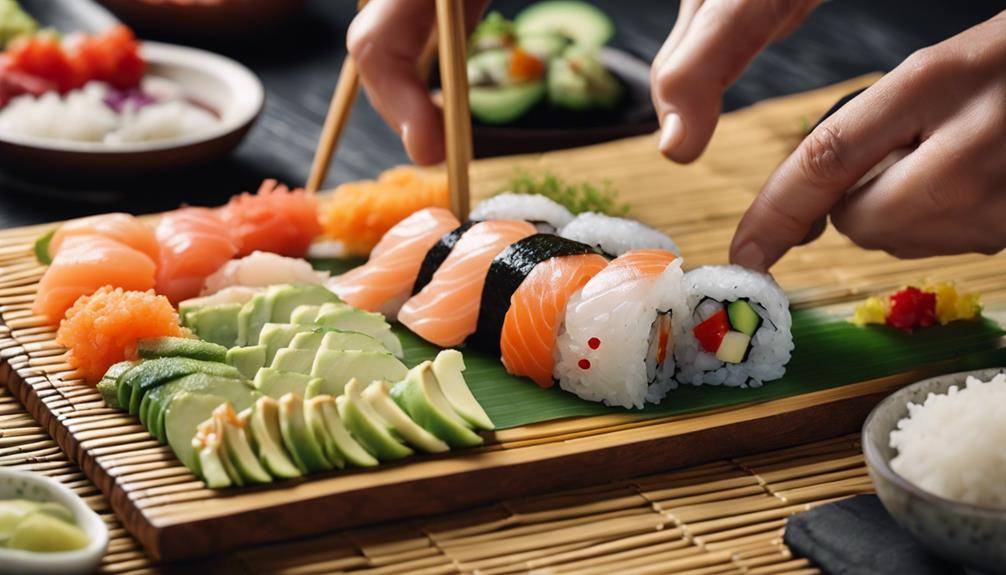
Easy Guide To Homemade Sushi Rolling: Step-By-Step
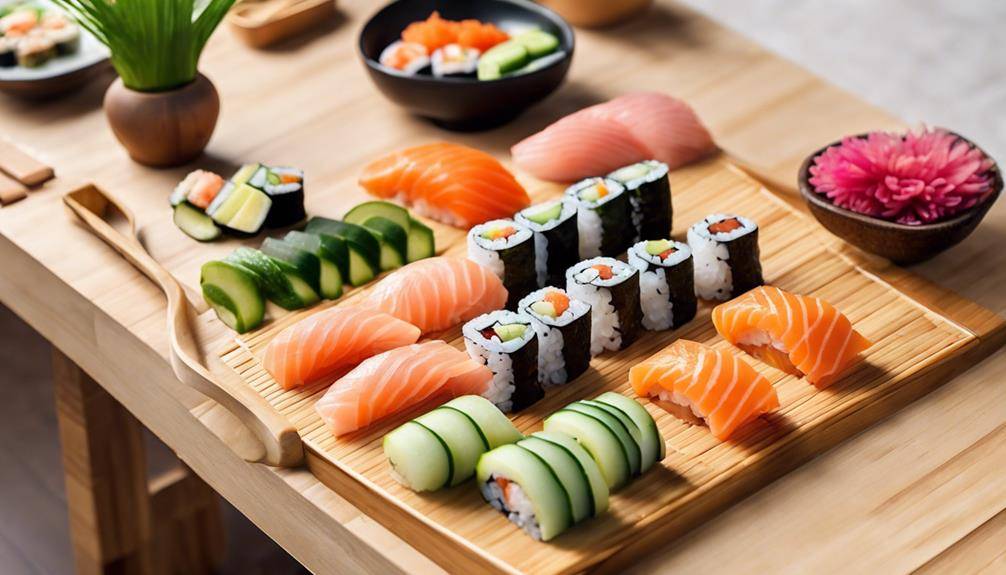
Guide To Homemade Sushi Rolling: Step-By-Step: Making homemade sushi is easier than you think! Start with short-grain sushi rice; rinse it thoroughly, soak, and cook it with the right water ratio. Season your rice with a mix of rice vinegar, sugar, and salt for that authentic flavor. Choose fresh fillings like salmon, avocado, and cucumber, then lay them on nori. Use a bamboo mat to roll tightly, applying gentle pressure. After rolling, slice your sushi with a sharp knife for clean, beautiful pieces. Serve with soy sauce and wasabi for a delightful experience. Stick around, and you'll discover more tips to refine your sushi-making skills!
Essential Ingredients for Sushi
Click Here and Turn Every Masterpiece into a Showstopper!
When it comes to making sushi, you'll want to gather a few essential ingredients to roll up something delicious. The foundation of any sushi dish is sushi rice. You'll need short-grain rice, which becomes sticky when cooked, making it perfect for holding everything together. Don't forget to season it with rice vinegar, sugar, and salt for that signature flavor.
Next, consider your protein options. You have plenty of sushi ingredient variations to choose from, such as fresh fish like salmon or tuna, shrimp, or even tofu for a vegetarian option. Each protein brings its own unique flavor profile, so think about what you enjoy most.
Now, let's talk about vegetables. Crunchy cucumber, creamy avocado, and vibrant carrots are popular choices. They not only add texture but also contribute to the overall sushi flavor profiles. You can mix and match different veggies based on your preferences or seasonal availability.
Finally, you'll want to add some extras like nori (seaweed) and sesame seeds for that extra touch. Soy sauce, wasabi, and pickled ginger are essential condiments that enhance the experience and complement your rolls beautifully.
With these ingredients in hand, you're ready to get creative in the kitchen. The beauty of sushi lies in its versatility, allowing you to explore different combinations and flavors. So gather your ingredients, and let your culinary adventure begin!
Necessary Tools and Equipment
To make sushi at home, you'll need the right tools and equipment to guarantee a smooth rolling experience. Start by gathering essential sushi rolling tools, then check off your preparation equipment checklist. Finally, consider how you'll store your ingredients to keep everything fresh and ready to use.
Essential Sushi Rolling Tools
Creating sushi at home requires a few essential tools that make the process easier and more enjoyable. First, you'll need a sushi rolling mat, typically made of bamboo. This mat helps you master sushi rolling techniques, ensuring your rolls are tight and uniform.
A sharp sushi knife is also vital. Proper sushi knife care will keep it in top shape, allowing you to slice through your rolls effortlessly. When it comes to sourcing your sushi ingredients, opt for high-quality fish and fresh vegetables to elevate your dishes.
If you're planning sushi rolling parties, consider having multiple mats and knives on hand, so everyone can join in on the fun. A small bowl of water will help you wet your hands while rolling, preventing the rice from sticking.
Preparation Equipment Checklist
Having the right tools on hand makes all the difference in your sushi-making experience. To get started, you'll need a bamboo sushi mat, which is essential for rolling your sushi tightly. A sharp knife is vital for slicing your rolls neatly, while a cutting board provides a stable surface.
Don't forget a rice cooker or a pot to prepare your sushi rice; perfect rice is key to honoring sushi rolling history and its culinary traditions. A bowl of water should also be nearby to moisten your hands, preventing the rice from sticking.
You might want to grab a sushi rolling guide or a recipe book for inspiration. Having a small bowl for soy sauce and another for pickled ginger will enhance your sushi's cultural significance during meals.
Ingredient Storage Solutions
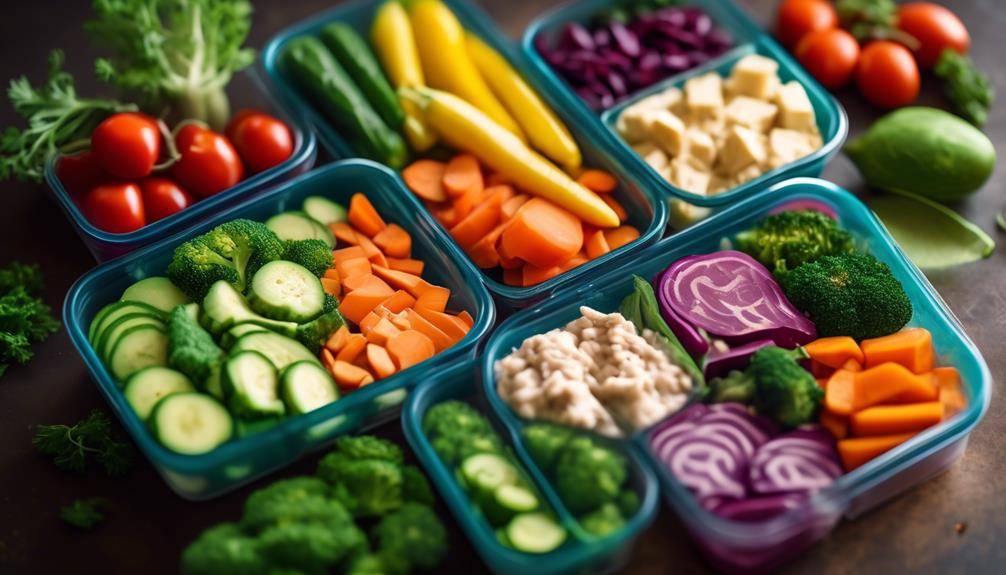
Proper ingredient storage is vital for maintaining the freshness and quality of your sushi components. Start by investing in high-quality storage containers that fit your ingredients. These containers help with ingredient organization and guarantee everything's easy to find when you're ready to roll.
Temperature control plays a significant role in freshness preservation. Store your seafood and vegetables in the refrigerator, ideally at temperatures below 40°F. Use vacuum sealing for items like fish and rice. This method not only extends shelf life but also prevents freezer burn, which can ruin your sushi experience.
Implement a labeling system for your storage containers. Labeling helps you keep track of expiration dates and promotes ingredient rotation, making sure you use older items first. Portion control is also important; consider pre-measuring ingredients to streamline your sushi-making process.
Lastly, remember to regularly check your stored ingredients. Keeping an eye on freshness will help you maintain the quality of your sushi rolls. By following these storage solutions, you'll guarantee your sushi ingredients are always ready to create delicious homemade rolls.
Preparing Sushi Rice
To achieve perfect sushi rice, start by rinsing the grains thoroughly in cold water until the water runs clear. This step is essential, as it removes excess starch that can make the rice gummy. You'll want to use about two cups of sushi rice for a standard batch. Once rinsed, let the rice soak in fresh water for about 30 minutes. This soaking process helps the grains absorb moisture, ensuring they cook evenly.
After soaking, drain the rice and transfer it to a rice cooker or a pot. If you're using a rice cooker, follow the manufacturer's instructions for the right water-to-rice ratio, typically about 1.2 cups of water for every cup of sushi rice. If you're cooking on the stovetop, add the same ratio of water. Bring the water to a boil, then reduce the heat to low, cover the pot, and let it simmer for about 20 minutes. Once cooked, remove it from heat and let it sit, covered, for another 10 minutes to finish steaming.
After the resting period, gently fluff the sushi rice with a wooden spatula. This helps to separate the grains without crushing them. Be careful not to stir too vigorously. You're now ready to move on to seasoning the rice with rice vinegar and other ingredients in the next step. Enjoy the process, and remember that the texture of your sushi rice lays the foundation for a great sushi experience!
Seasoning the Rice
Seasoning your sushi rice is vital for that authentic flavor. You'll need a few essential ingredients, like rice vinegar, sugar, and salt, to get it just right. Once you have everything, proper mixing techniques will guarantee the seasoning evenly coats the rice for the best taste.
Essential Ingredients Required
Getting the rice just right is essential for making delicious sushi, and that starts with seasoning it properly. The perfect blend of flavors enhances your sushi experience, so you'll want to gather a few fundamental ingredients. Start with rice vinegar, which adds a tangy note to balance the sweetness of the rice. You'll also need sugar and salt; these ingredients together create that classic sushi flavor combination that elevates your dish.
To season your rice, mix a ratio of 1/4 cup rice vinegar, 2 tablespoons sugar, and 1 teaspoon salt. Heat this mixture gently until the sugar and salt dissolve, but don't boil it. Once your sushi rice is cooked and still warm, gently fold in the seasoned vinegar mixture.
Proper Mixing Techniques
Once your sushi rice is cooked and perfectly seasoned, it's time to mix in the vinegar blend. This step is essential for achieving the right flavor and rice texture. Start by preparing your vinegar mixture, usually a combination of rice vinegar, sugar, and salt. Heat it gently until the sugar dissolves, then let it cool.
Next, transfer your sushi rice to a large wooden or plastic bowl—avoid metal, as it reacts with the vinegar. Use a spatula or a wooden paddle to gently fold in the vinegar mixture. Be careful not to squish the rice; you want to maintain its fluffy texture. Employ mixing methods like a slicing motion and a gentle turning technique. This helps distribute the seasoning evenly without breaking the rice grains.
As you mix, fan the rice with a hand fan or a piece of cardboard to help it cool down and develop a nice shine. This cooling process also helps the rice firm up slightly, making it easier to roll. Remember, the goal is to enhance the flavor while preserving that perfect rice texture. Happy sushi rolling!
Choosing Your Fillings
When it comes to choosing your fillings for homemade sushi, the possibilities are almost endless. You can mix and match ingredients to create delicious and unique rolls that suit your taste. Start by considering a variety of flavors and textures. Think about using fresh vegetables, proteins, and even fruits to achieve that perfect flavor balance.
For proteins, you might choose classic options like tuna or salmon, but don't shy away from exploring shrimp, crab, or even tofu. These can add a satisfying texture and richness to your rolls. When it comes to vegetables, you can opt for crunchy cucumbers, creamy avocado, or colorful bell peppers. Each ingredient will contribute to the overall taste and mouthfeel of your sushi.
Don't forget about the creative combinations you can make! You can experiment with sweet and savory pairings, like mango with spicy tuna or cucumber with cream cheese. These unexpected mixes often lead to delightful discoveries.
Also, think about adding herbs and spices for an extra kick. A sprinkle of sesame seeds or a drizzle of spicy mayo can elevate your sushi to the next level.
Ultimately, trust your palate and have fun with the process. As you explore different fillings, you'll find what you love best. So grab your ingredients and get ready to roll!
Preparing Vegetables and Proteins
When preparing your sushi, it's essential to choose fresh ingredients that enhance the flavors. You'll want to master cutting techniques to create uniform pieces that roll easily. Don't forget about marinating your proteins to add depth and richness to each bite!
Choosing Fresh Ingredients
Selecting fresh ingredients is essential for making delicious homemade sushi. Start by sourcing seafood that's high quality and fresh. Whether you're getting salmon, tuna, or shrimp, opt for fish that's been sustainably sourced. If possible, visit a local fish market where you can ask about the catch of the day. Look for seafood that has a bright color and a clean, ocean-like smell. Avoid anything that looks dull or has an off-putting odor.
Next, turn your attention to vegetables. Choose organic vegetables whenever you can. They're not just healthier, but they also taste better. Fresh cucumbers, avocados, and carrots add great flavor and texture to your rolls. Make certain they're firm and vibrant in color. If you can, buy them from a local farmer's market to guarantee you're getting the freshest produce.
Don't forget to wash your vegetables thoroughly before using them. The combination of fresh seafood and organic vegetables will elevate your sushi-making experience and impress your friends and family. By focusing on quality ingredients, you're setting a solid foundation for delicious homemade sushi.
Cutting Techniques Explained
Precision in cutting is vital for achieving beautifully presented sushi rolls. Mastering your slicing techniques can elevate your sushi-making game, so let's explore the basics of preparing vegetables and proteins.
Start with your knife skills. A sharp knife is essential; it allows for clean cuts and reduces the risk of bruising delicate ingredients. For vegetables like cucumbers and carrots, aim for thin, even slices. This not only enhances the visual appeal but guarantees uniform texture in each bite. Use a technique called the "claw grip" to keep your fingers safe while cutting, curling your fingertips inward.
When it comes to proteins like fish, focus on slicing against the grain. This makes the meat more tender and easier to chew. Aim for uniform thickness, ideally around a quarter-inch, to guarantee even cooking and flavor distribution. For delicate fish, consider using a technique called "sashimi cut," which involves a smooth, single motion for a clean finish.
Practice these slicing techniques regularly to refine your knife skills. With time, you'll find that precision in your cuts not only enhances the aesthetics of your sushi rolls but also improves the overall dining experience.
Marinating Protein Options
A variety of marinades can elevate your sushi protein, infusing it with flavor and enhancing its overall taste. One popular choice is a simple soy sauce marinade. Just mix soy sauce with a bit of sesame oil and a pinch of sugar for a well-rounded flavor enhancement. You can also experiment with marinade variations by adding ingredients like ginger, garlic, or even a splash of rice vinegar.
For your protein choices, consider using salmon, tuna, or even tofu for a vegetarian option. Each protein offers unique texture contrasts, making your sushi experience more dynamic. If you're using chicken or shrimp, marinate them for at least 30 minutes to allow the seasoning blends to penetrate deeply.
Don't shy away from trying different flavors! A citrus-based marinade with lime or yuzu can brighten up your sushi, while a spicy miso blend can add an exciting kick. Whether you prefer sweet, savory, or spicy, the right marinade will make your sushi truly unforgettable. So, get creative and enjoy discovering the perfect combinations that suit your taste!
Nori: The Seaweed Wrapper
When you're ready to roll your sushi, nori—the crucial seaweed wrapper—plays an important role in holding everything together. Nori comes in several varieties, each with its unique flavor and texture. The most common type is the roasted nori, which is often used for maki rolls. You might also encounter flavored varieties, which can add an extra twist to your sushi. While choosing nori, look for shiny, dark green sheets, as those indicate freshness and quality.
To make sure your nori stays perfect for rolling, proper nori storage is key. Keep it in an airtight container or a resealable bag to maintain its crispiness. Moisture can make nori chewy and difficult to work with, so always store it in a cool, dry place. If you buy nori in bulk, consider dividing it into smaller portions to keep unused sheets fresh.
Before you start rolling, give your nori a quick toast over an open flame or in a dry skillet for a few seconds. This enhances its flavor and makes it easier to roll. Remember, the right nori will not only hold your ingredients but also add a wonderful umami taste to your sushi. So, whether you're going for a classic California roll or an adventurous sushi creation, choosing the right nori is your first step toward sushi-making success. Enjoy the process and experiment with different nori varieties to find your favorite!
Setting Up Your Rolling Station
Creating an efficient rolling station is essential for a smooth sushi-making experience. Start by choosing a clean, spacious area in your kitchen or dining room. Lay out a sturdy cutting board or a bamboo sushi mat as your base. This will provide the stability you need when rolling your sushi. Make sure you have all your ingredients within reach—cooked rice, nori, fillings, and dipping sauces.
Next, gather your tools. You'll need a sharp knife for cutting the rolls, a small bowl of water to moisten your hands, and a spatula or rice paddle for spreading the rice. This setup not only speeds up the process but also adheres to proper sushi rolling etiquette, making it easier to share the task with friends during a sushi party.
If you're planning a sushi party, consider arranging your ingredients in an attractive manner. Use small bowls for your fillings and sauces, and label each ingredient so guests know what they're working with. This makes it fun and interactive, ensuring everyone feels involved in the sushi-making process.
Click Here and Turn Every Masterpiece into a Showstopper!
Rolling Techniques Explained
Mastering the art of rolling sushi is key to achieving perfectly shaped rolls that are both visually appealing and delicious. To get started, you'll want to familiarize yourself with various sushi rolling styles. The most common methods are the maki and uramaki. Maki involves rolling the rice and fillings inside the nori, while uramaki flips this around, keeping the rice on the outside. Each style offers a unique presentation and taste, so don't hesitate to experiment.
When you engage in rolling practices, keep your hands wet to prevent the rice from sticking. You'll also want to use a bamboo mat to help create tight, uniform rolls. Begin by laying the nori on the mat, shiny side down. Spread an even layer of sushi rice, leaving about an inch at the top edge for sealing. Place your fillings in the center, making sure not to overfill.
Now comes the fun part: rolling! Grasp the mat and fold it over the fillings, using gentle pressure. As you roll, tuck the nori tightly around the fillings to form a cylinder. Continue rolling until you reach the exposed edge of the nori. Moisten this edge to seal the roll, and give it a gentle squeeze to make sure it holds together.
Practice these techniques, and you'll be on your way to mastering sushi rolling. With each roll, you'll refine your skills, creating beautiful sushi that impresses everyone at your table.
Slicing Your Sushi Rolls
Slice your sushi rolls with precision to reveal the beautiful layers of rice and fillings inside. The way you slice your sushi affects not only its presentation but also the overall eating experience. To achieve perfect slices, you'll need a sharp sushi knife. A traditional yanagiba or a high-quality chef's knife works best. Make sure your knife is well-maintained and clean to avoid any cross-contamination between flavors.
When you're ready to slice, use steady, gentle pressure. Start by positioning your roll on a cutting board with the seam side down. This helps keep the roll intact while you slice. Consider employing different slicing techniques to enhance presentation. For example, a diagonal cut can create a visually appealing look, while straight cuts emphasize the layers.
Before making a slice, wet the blade of your sushi knife with water. This prevents the rice from sticking to the knife, allowing for cleaner slices. Aim for about one-inch pieces, but feel free to adjust based on your preference. Remember, consistency in size makes for a more appealing plate and a better dining experience.
As you slice, don't rush. Take your time, and let the knife do the work. Enjoy the process, and soon enough, you'll be slicing sushi rolls like a pro. With practice, your technique will improve, leading to beautifully presented sushi that's not only delightful to look at but also a joy to eat.
Serving Suggestions
When you serve your homemade sushi, think about the accompaniments and dips that can elevate the experience. A splash of soy sauce, a dollop of wasabi, or some pickled ginger can add that extra zing. Don't forget to get creative with your presentation; a beautiful display can make your sushi even more appetizing!
Accompaniments and Dips
To enhance your homemade sushi experience, consider a variety of accompaniments and dips that complement the flavors of your rolls. The right sushi pairings can elevate your meal, creating delightful flavor combinations that excite your palate. Start with soy sauce, a classic choice that adds a savory depth to your sushi. For a spicy kick, mix in some wasabi; just a little goes a long way!
You might also want to try pickled ginger, which cleanses your palate between different rolls, allowing you to fully appreciate each flavor. If you're feeling adventurous, whip up a ponzu sauce, a citrusy blend that pairs beautifully with seafood-based rolls.
Don't forget about sesame oil! A drizzle can enhance the nuttiness of your sushi, giving it a unique twist. For those who enjoy creamy textures, a dollop of spicy mayo can bring an extra layer of richness to your rolls.
Lastly, explore different vegetables and side dishes—like edamame or seaweed salad—as they can serve as perfect complements to your sushi feast. Enjoy experimenting with these accompaniments and discovering your favorite flavor combinations!
Presentation Ideas
Elevate your sushi experience by focusing on presentation. Sushi plating isn't just about taste; it's about creating an inviting visual feast. Start with your serving dishes—choose vibrant colors or minimalist designs that highlight your sushi. For a themed presentation, consider seasonal themes that reflect the ingredients or the ambiance of your gathering.
To make your sushi pop, incorporate color contrasts. Use bright garnishes like wasabi, pickled ginger, or even edible flowers to add a touch of elegance. Creative arrangements can also enhance the appeal; try stacking rolls or arranging them in spirals. If you're hosting a party, a large platter can invite sharing and conversation, so consider using party platters for a communal feel.
Don't forget about garnish options! Sprigs of fresh herbs or delicate microgreens can elevate the aesthetic. Finally, keep your presentation balanced—too much clutter can overwhelm the eye. Aim for a harmonious look that celebrates each piece of sushi. By focusing on these details, you'll not only impress your guests but also create a memorable dining experience.
Dipping Sauces to Try
Savoring your homemade sushi is even better with the right dipping sauces, which can enhance every bite. Start with the classic soy sauce. Its salty depth pairs beautifully with almost any sushi roll. For a kick, mix in some wasabi paste to create a fiery blend that'll awaken your taste buds.
If you're in the mood for something creamy, try spicy mayo. This zesty sauce adds a rich texture and a hint of heat that complements rolls filled with seafood. On the sweeter side, eel sauce is a must-try. Its glossy, syrupy consistency brings a delightful umami flavor to your sushi experience.
For a revitalizing twist, consider ponzu dressing. This citrusy sauce combines soy sauce with citrus juice, elevating the flavors of your rolls. If you're a fan of sesame, a drizzle of sesame oil can add a nutty depth to your sushi.
Don't overlook ginger dip; its zesty and slightly spicy profile cleanses the palate between bites. For a sweet and savory option, teriyaki glaze can add a unique flavor dimension, especially for rolls featuring grilled ingredients.
Lastly, try creamy avocado as a dip. Its buttery texture pairs well with various sushi types. Alternatively, go for citrus ponzu for a zingy finish. With these dipping sauces, you'll transform your sushi night into an unforgettable culinary adventure!
Storing Leftover Sushi
After enjoying your sushi with a variety of dipping sauces, you might find yourself with some leftovers. Properly storing your leftover sushi is essential to maintain its freshness and flavor. Here are some effective sushi freshness tips to help you savor your meal later.
First, wrap each sushi roll tightly in plastic wrap. This keeps the air out, which can dry out the rice and fillings. If you've got sushi pieces with toppings like avocado or fish, it's even more important to keep them covered to prevent oxidation and spoilage. You can also use a resealable plastic bag for added protection. Just make sure to squeeze out all the air before sealing it.
Next, place the wrapped sushi in the refrigerator right away. Sushi is best enjoyed fresh, but if you need to store it, aim to eat it within 24 hours. After that, the quality might decline. Avoid freezing sushi, as it can compromise the texture and taste.
When you're ready to eat your leftover sushi, take it out of the fridge and let it sit at room temperature for about 15 minutes. This helps restore some of its original flavors. However, if you notice any unusual smells or changes in texture, it's best to err on the side of caution and discard it.
Tips for Perfect Rolls
When it comes to rolling sushi, mastering the technique can make all the difference. First, always use the right tools: a bamboo mat, a sharp knife, and quality sushi rice. Wet your hands before handling the rice to prevent sticking, and guarantee your rice is at the right temperature—warm, but not hot. This helps the rice adhere better to the nori.
For creative fillings, think beyond traditional ingredients. Try avocado, mango, or even tempura for a fun twist. Remember not to overfill; a small amount of filling goes a long way. If you pack too much in, your roll could fall apart.
When you start rolling, angle the bamboo mat away from you and tuck the edge of the nori over the filling. Apply gentle pressure as you roll, creating a tight, compact sushi roll. Once you reach the end, use a bit of water on the edge of the nori to seal the roll securely.
Don't forget sushi etiquette! If you're serving your rolls, cut them into bite-sized pieces using a sharp knife. A clean cut keeps the fillings intact and makes for a beautiful presentation. Serve with soy sauce, pickled ginger, and wasabi for an authentic experience.
With these tips, you'll be well on your way to creating perfect sushi rolls that impress your friends and family. Happy rolling!
Click Here and Turn Every Masterpiece into a Showstopper!
Frequently Asked Questions: Guide To Homemade Sushi Rolling: Step-By-Step
Can I Use Brown Rice Instead of White Rice for Sushi?
Yes, you can use brown rice instead of white rice for sushi. Brown rice offers more nutrients and fiber, making it a healthier choice. Just be aware that it may alter the texture and flavor slightly.
How Long Does Sushi Keep in the Refrigerator?
Sushi keeps in the refrigerator for about 24 hours. For ideal sushi freshness, store it tightly wrapped to minimize air exposure. After a day, it's best to enjoy it fresh or discard it.
Can I Make Sushi Without Raw Fish?
Absolutely, you can make sushi without raw fish! Use sushi ingredients like cucumber, avocado, or carrots for delicious vegetarian options. Get creative with flavors and textures to craft satisfying rolls that everyone will love.
What Are Common Mistakes to Avoid When Rolling Sushi?
When rolling sushi, avoid using too much sushi rice, as it can overpower your filling combinations. Master your rolling technique and pay attention to presentation tips for an appealing final product. Practice makes perfect!
Is It Necessary to Use a Sushi Mat for Rolling?
You don't need a sushi mat to roll sushi; there are sushi mat alternatives like parchment paper or a clean towel. Just practice your rolling techniques, and you'll achieve great results without one.

Conclusion
Now that you've got the basics down, you're ready to roll your own sushi! With fresh ingredients and a little practice, you'll impress your friends and family with your homemade creations. Don't forget to experiment with different fillings and dipping sauces to find your favorites. Remember, the key to perfect rolls is patience and a steady hand. So gather your tools, invite some friends over, and enjoy the delicious journey of sushi rolling! Happy rolling!