Efficient Methods For Preserving Homemade Pasta
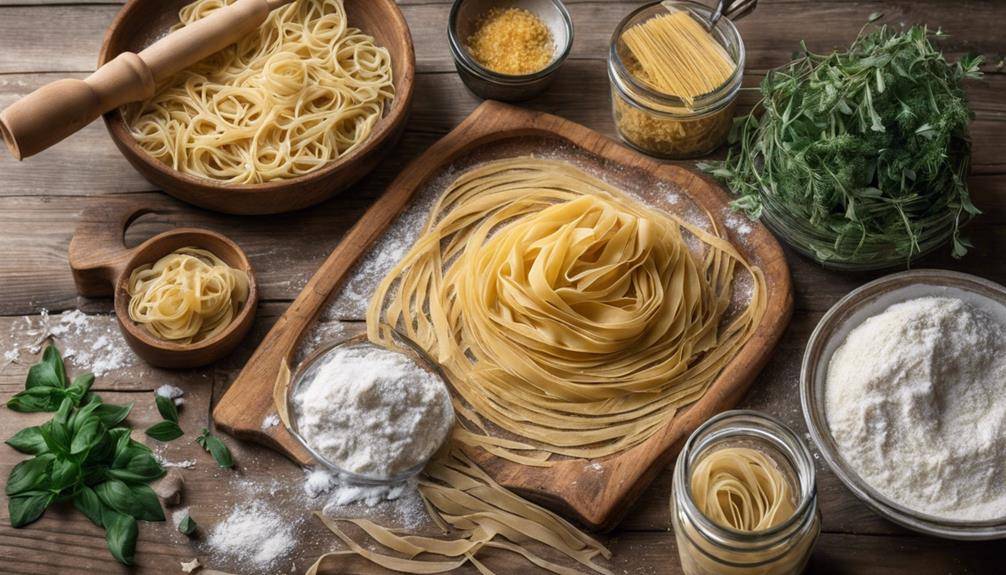
Methods For Preserving Homemade Pasta: To efficiently preserve your homemade pasta, you can freeze, dry, or vacuum seal it. For freezing, dry your pasta for 15-30 minutes, then spread it on a baking sheet. After the initial freeze, transfer it to airtight bags; it'll last up to two months. If you choose to dry it, lay your pasta on a clean surface in a dry, ventilated area for hours or overnight. Vacuum sealing also works wonders, extending freshness and preventing freezer burn. Don't forget to reflect on short-term refrigeration too—each method has its benefits, and there's more to discover about each!
Freezing Fresh Pasta
Click Here and Turn Every Masterpiece into a Showstopper!
Freezing fresh pasta is a fantastic way to preserve your hard work for future meals. By freezing, you can maintain that delightful pasta texture you've spent time perfecting. It's crucial to handle the freezing process correctly to guarantee your pasta retains its quality. Start by letting your freshly made pasta dry for about 15 to 30 minutes. This brief drying time helps to firm up the pasta, making it easier to freeze without clumping together.
Once the pasta has dried slightly, you can either freeze it in individual portions or as a whole batch. If you're freezing in portions, consider using a baking sheet lined with parchment paper. Lay the pasta out in a single layer, making sure the pieces don't touch. This method prevents them from sticking together. After a couple of hours in the freezer, transfer the pasta to airtight bags or containers for long-term storage.
As for freezing duration, fresh pasta can typically be stored in the freezer for up to two months. While it might still be safe to eat after this period, the quality could diminish, affecting the pasta texture upon cooking. When you're ready to enjoy your homemade pasta, there's no need to thaw it first. Just cook it straight from the freezer, adding a couple of extra minutes to your cooking time. This way, you can savor your delicious creations anytime you want, hassle-free!
Drying Techniques
Once you've mastered freezing fresh pasta, you might want to explore drying techniques as another preservation method. Drying your homemade pasta can extend its shelf life while retaining that delicious flavor you love. One of the simplest methods is air drying. To do this effectively, lay your pasta out on a clean surface or a dedicated pasta rack. This allows for proper air circulation, which is key to preventing any moisture buildup.
If you're using pasta racks, spread the strands evenly, ensuring they're not touching. This not only helps them dry uniformly but also prevents clumping. It's crucial to keep your drying area free from humidity and direct sunlight. A well-ventilated space works best, allowing the pasta to dry slowly and thoroughly. Depending on the thickness of your pasta, it may take anywhere from a few hours to overnight to fully dry.
Once your pasta feels firm and brittle, it's ready for storage. Pack it in airtight containers or resealable bags, keeping it in a cool, dry place. If you want to take it a step further, you can also consider vacuum sealing your dried pasta for even longer shelf life. Remember, properly dried pasta can last for several months, making it a great way to enjoy your homemade creations anytime you crave them. Just remember to cook it slightly longer than fresh pasta to achieve that perfect texture!
Refrigeration Tips
When it comes to preserving your homemade pasta, refrigeration can be a practical choice if you plan to use it within a few days. To guarantee your pasta stays fresh, you'll want to store it in proper containers. Airtight plastic containers or resealable bags work best, as they help prevent moisture loss and keep your pasta from absorbing any unwanted odors from your fridge.
Before placing your pasta in these containers, make sure it's completely cool. If you store it while it's still warm, condensation can form, leading to sogginess. For short-term storage, you can keep your pasta in its original shape, but if you've made noodles, consider tossing them lightly in flour to prevent sticking.
Temperature control is essential when it comes to refrigeration. Your fridge should ideally be set at or below 40°F (4°C) to guarantee food safety and maintain the quality of your pasta. Avoid placing your pasta in the door, as temperatures can fluctuate there; instead, opt for a middle shelf where the temperature is more stable.
If you find you're not going to use your refrigerated pasta within a few days, consider a quick freeze instead. But remember, proper refrigeration can extend its life for those few extra days, making it a great option for meal prep or last-minute dinners. Enjoy your homemade creations without the worry of spoilage!
Click Here and Turn Every Masterpiece into a Showstopper!
Vacuum Sealing Methods
For those looking to extend the shelf life of homemade pasta, vacuum sealing is an excellent method. This technique not only preserves the flavor and texture of your pasta but also prevents freezer burn and oxidation. By removing air from the packaging, you considerably reduce the chances of bacteria and mold growth, ensuring your homemade creation stays fresh longer.
To get started, you'll need some vacuum sealing equipment. A vacuum sealer is the primary tool, and you can choose from countertop models or handheld options, depending on your kitchen space and needs. Along with the sealer, make sure you have compatible vacuum bags or rolls. These are specially designed to withstand the vacuum process while keeping your pasta safe.
When you're ready to seal, portion your pasta into manageable sizes. This way, you can defrost only what you need later on. Place the pasta in the vacuum bag, ensuring there's enough space at the top for a proper seal. Follow the instructions for your vacuum sealer to remove the air and seal the bag tightly.
The vacuum sealing benefits are clear: it not only extends shelf life but also retains the pasta's quality, making mealtime easier and more enjoyable. Try vacuum sealing your pasta today, and enjoy the convenience of having fresh, homemade pasta ready whenever you crave it!
Storing Cooked Pasta
Properly storing cooked pasta is essential to maintain its texture and flavor. Once you've cooked your pasta, let it cool to room temperature. Avoid leaving it out for too long, as bacteria can thrive in warm environments. Transfer the cooled pasta into an airtight container, guaranteeing you don't pack it too tightly, as this can lead to clumping. You can also lightly drizzle some olive oil to help keep the strands separate and enhance the flavor.
When it comes to storing, your best bet is to keep the container in the refrigerator if you plan to eat the pasta within the next three to five days. If you need to store it for a longer period, consider freezing it. Spread the pasta in a single layer on a baking sheet, freeze it for about an hour, and then transfer it to a freezer-safe bag. This method helps preserve the pasta texture by preventing it from sticking together.
When you're ready to enjoy your stored pasta, use appropriate reheating methods. For refrigerated pasta, you can simply toss it in boiling water for a minute or two, or microwave it with a splash of water in a covered dish. If you're reheating frozen pasta, it's best to thaw it in the refrigerator overnight before using the boiling water method or microwaving. These techniques will help you retain that delicious pasta texture and guarantee a satisfying meal every time.
Click Here and Turn Every Masterpiece into a Showstopper!
Frequently Asked Questions: Methods For Preserving Homemade Pasta
How Long Can I Store Dried Pasta Before It Goes Bad?
You can store dried pasta for up to two years if you follow proper pasta storage tips. To maximize pasta shelf life, keep it in a cool, dry place, away from moisture and light.
Can I Freeze Pasta With Sauce Already Mixed In?
Yes, you can freeze pasta with sauce mixed in. However, be aware that sauce absorption may cause texture changes upon reheating. To maintain quality, consider undercooking the pasta slightly before combining it with the sauce.
What Types of Flour Are Best for Homemade Pasta?
When making homemade pasta, choose semolina flour for a firm texture, or whole wheat for a nuttier flavor. If you need gluten-free options, consider rice or chickpea flour to create deliciously unique pasta dishes.
How Do I Know if My Pasta Has Spoiled?
To tell if your pasta's spoiled, check for pasta spoilage signs like unusual odor, discoloration, or mold. Generally, homemade pasta lasts about 2-3 days in the fridge, so trust your senses for freshness.
Can I Store Pasta in Glass Containers Instead of Plastic?
Yes, you can store pasta in glass containers. Glass storage benefits include preventing odors and maintaining freshness, which enhances your homemade pasta's longevity. Just make sure the containers are airtight for best results.

Conclusion
To keep your homemade pasta fresh and flavorful, remember these key methods. Freezing is great for long-term storage, while drying offers a convenient option for future meals. Refrigeration works well for short-term use, and vacuum sealing can maximize freshness. If you've got cooked pasta, store it properly to maintain its taste and texture. By following these efficient preservation techniques, you'll guarantee your delicious creations are ready whenever you are! Enjoy your pasta adventures!