Amazing Molecular Gastronomy in Vegan Cuisine
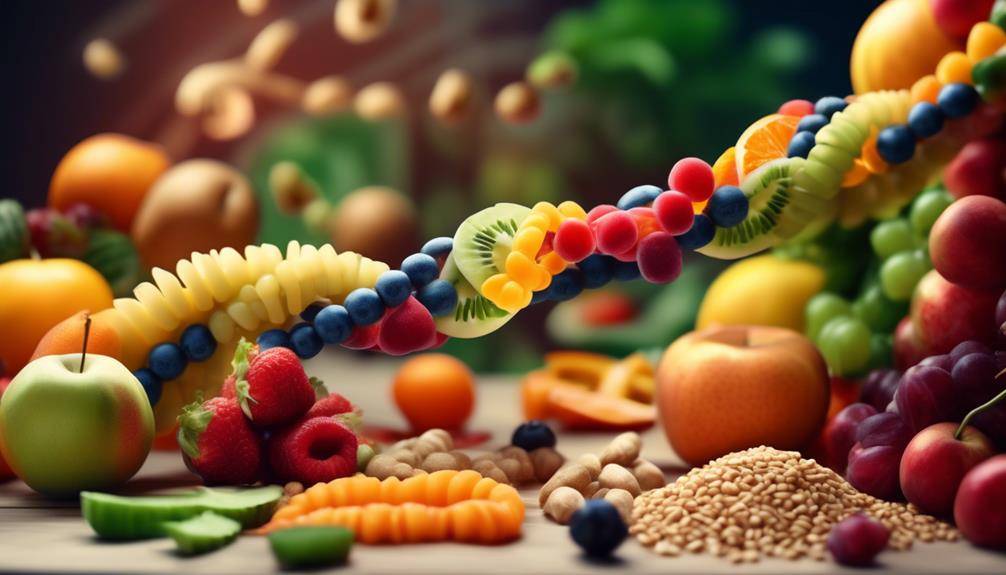
Amazing Molecular Gastronomy in Vegan Cuisine; Imagine a world where the delicate art of molecular gastronomy and the vibrant flavors of vegan cuisine collide. Picture a plate transformed into a canvas, where plant-based ingredients are meticulously deconstructed, reimagined, and reconstructed using scientific precision.
This is the realm of vegan molecular gastronomy, where chefs push the boundaries of culinary creativity to create innovative dishes that tantalize both the eyes and the taste buds. But how exactly does molecular gastronomy find its place in the realm of vegan cuisine? How can scientific techniques and plant-based ingredients work together to create a dining experience that is not only visually stunning but also ethically conscious? Let’s explore the fascinating intersection of molecular gastronomy and vegan cuisine, and uncover the exciting possibilities that lie ahead.
The Basics of Vegan Molecular Gastronomy
To embark on your journey into the world of vegan molecular gastronomy, it is essential to understand the fundamental principles and techniques that underpin this innovative and plant-based culinary approach. Vegan molecular gastronomy techniques involve the application of scientific principles to create unique and visually stunning dishes without the use of animal products. By combining cutting-edge scientific methods with plant-based ingredients, vegan molecular gastronomy experiments push the boundaries of traditional cooking and challenge perceptions of vegan cuisine.
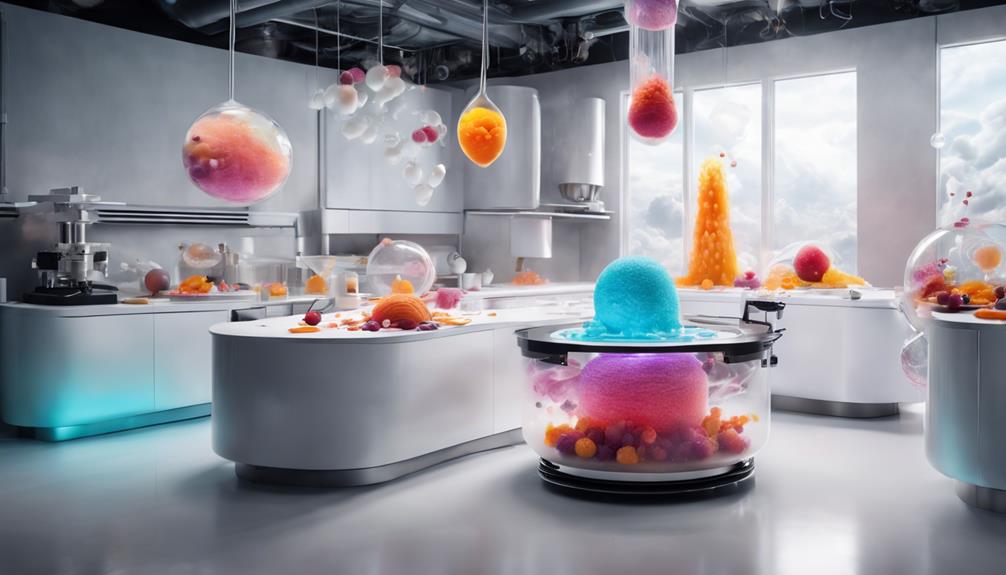
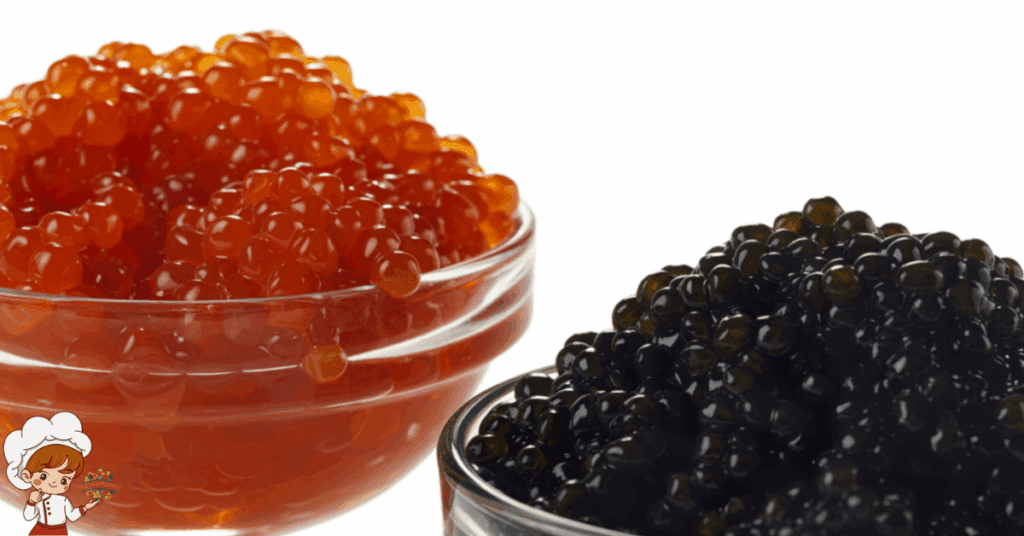
One of the key techniques in vegan molecular gastronomy is spherification. This process involves the transformation of liquid ingredients into spheres that burst with flavor upon consumption. By using plant-based gelling agents, such as agar-agar or carrageenan, and a process called reverse spherification, you can create vegan caviar or fruit juice pearls that add a burst of excitement to your dishes.
Another technique commonly used in vegan molecular gastronomy is foaming. By incorporating natural foaming agents, such as aquafaba (the liquid from cooked chickpeas), into plant-based ingredients, you can create light and airy foams that add texture and visual appeal to your dishes. These foams can be flavored with herbs or spices, enhancing the overall taste experience.
Emulsification is another important technique in vegan molecular gastronomy. By combining plant-based oils and emulsifiers, such as soy lecithin or xanthan gum, you can create stable emulsions that add richness and creaminess to your dishes. Whether it’s a vegan mayonnaise or a velvety smooth sauce, emulsification allows you to create luxurious textures without the need for animal-based ingredients.
Essential Tools and Equipment for Vegan Molecular Gastronomy
Now, let’s explore the essential tools and equipment necessary to fully immerse yourself in the world of vegan molecular gastronomy, where scientific precision meets innovative plant-based culinary techniques. To embark on your vegan molecular gastronomy journey, you will need specialized equipment that allows you to experiment with the textures, flavors, and presentations of plant-based ingredients.
One of the fundamental tools for vegan molecular gastronomy is a sous vide machine. This device allows you to precisely control the temperature of water, creating a stable cooking environment for your ingredients. By vacuum sealing your vegan ingredients and cooking them at specific temperatures for extended periods, you can achieve remarkable textures and enhance their natural flavors.
Another vital piece of equipment is a rotary evaporator. This innovative device enables you to extract and distill the essences of plants, unlocking a world of concentrated flavors. By subjecting vegan ingredients to gentle heat and reduced pressure, you can create unique infusions and extracts to elevate your culinary creations.
When it comes to vegan molecular gastronomy, precision is key. A digital scale with high accuracy is indispensable. This tool allows you to measure ingredients with utmost precision, ensuring the correct ratios for your recipes. Accurate measurements are crucial for achieving consistent results and maintaining the integrity of your plant-based dishes.
Additionally, a set of precision tweezers is essential for delicate plating and presentation. These fine-tipped tweezers allow you to handle intricate elements with precision, elevating the visual appeal of your vegan molecular gastronomy creations.
Vegan Molecular Gastronomy Techniques: Spherification
For an innovative and plant-based approach to culinary art, explore the technique of spherification in vegan molecular gastronomy. Spherification is a fascinating vegan gelification technique that allows you to transform liquid ingredients into delicate spheres that burst with flavor when bitten into. With the use of alginate alternatives, this technique can be achieved without the need for animal-based gelling agents.
To help you delve into the world of spherification in vegan molecular gastronomy, here are four key points to consider:
- Alginate Alternatives: Traditionally, spherification relies on the use of sodium alginate, a seaweed extract. However, for vegan applications, there are alternative gelling agents that can be used. For example, agar-agar, derived from red algae, is a popular vegan substitute that can produce excellent results.
- Reverse Spherification: In reverse spherification, the gelling agent is added to the liquid that will form the sphere, while the calcium-rich bath is used to set the gel. This technique ensures a more controlled and precise process, perfect for delicate flavors or liquids that are sensitive to acidity.
- Direct Spherification: Direct spherification involves adding the gelling agent to the calcium-rich bath instead of the liquid, creating a gel membrane around the liquid droplets. This technique works well for thicker liquids or those with higher levels of acidity.
- Flavors and Textures: Spherification offers endless possibilities for creating unique flavor combinations and textures. Experiment with different liquids such as fruit juices, vegetable purees, or even infused oils, and pair them with complementary ingredients to create a memorable taste experience.
Creating Textures and Structures With Vegan Molecular Gastronomy
Creating captivating textures and structures is an essential aspect of vegan molecular gastronomy, allowing for the artistic expression of plant-based ingredients in innovative ways. In this realm, flavor extraction and innovative plating techniques play a crucial role. Vegan molecular gastronomy aims to push the boundaries of traditional cooking by utilizing scientific principles to create unique culinary experiences using only plant-based ingredients.
Flavor extraction is a fundamental technique used in vegan molecular gastronomy to enhance the taste of dishes. By utilizing methods such as distillation, maceration, and infusion, chefs can extract concentrated flavors from fruits, vegetables, herbs, and spices. This process allows for the creation of intense flavor profiles, adding depth and complexity to vegan dishes. For example, distilling the essence of a ripe mango can result in a concentrated mango flavor that can be used to enhance a dessert or sauce.
In addition to flavor extraction, innovative plating techniques are employed to create visually stunning dishes that engage all the senses. Vegan molecular gastronomy embraces the use of unconventional tools and ingredients to construct intricate textures and structures. For instance, ingredients like agar-agar, a plant-based gelling agent derived from seaweed, can be used to create delicate spheres or gel-like textures. These visually appealing elements not only add aesthetic value to the dish but also provide a unique mouthfeel experience for the diner.
Vegan Foams and Emulsions: Elevating Flavor and Presentation
Vegan foams and emulsions in molecular gastronomy offer a groundbreaking way to elevate the flavor and presentation of plant-based dishes. These innovative techniques allow for the creation of light and airy foams, as well as smooth and creamy emulsions, all without the use of animal products. Here are four exciting ways to incorporate vegan foam alternatives and explore vegan emulsion variations in your culinary creations:
- Aquafaba Foam: Aquafaba, the liquid obtained from cooking or canning chickpeas, can be whipped into a foam with the texture and stability similar to egg whites. This versatile foam can be flavored with various herbs, spices, or fruit juices, adding both taste and visual appeal to your dishes.
- Soy Lecithin Foam: Soy lecithin, derived from soybeans, acts as a natural emulsifier and can be used to create stable foams. By blending a liquid with soy lecithin powder, you can produce a foam with a light and airy texture. This foam can be used to top soups, salads, or desserts, enhancing the overall dining experience.
- Coconut Milk Emulsion: Coconut milk is an excellent base for creating vegan emulsions. By blending coconut milk with flavorings such as citrus zest, herbs, or spices, you can create a smooth and creamy emulsion that adds richness and depth of flavor to your dishes. This emulsion can be drizzled over salads, roasted vegetables, or used as a sauce for pasta dishes.
- Nut Butter Emulsion: Nut butters, such as almond or cashew butter, can be emulsified with water or plant-based milk to create a rich and creamy sauce. This emulsion can be flavored with ingredients like miso, nutritional yeast, or garlic, resulting in a flavorful sauce that can be used as a dip, dressing, or spread.
The Role of Hydrocolloids in Vegan Molecular Gastronomy
To further enhance the culinary possibilities of vegan molecular gastronomy, the incorporation of hydrocolloids plays a crucial role in creating innovative and plant-based textures and structures. Hydrocolloids are a diverse group of substances that can modify the texture of food through their ability to form gels, thicken liquids, stabilize emulsions, and create foams. By understanding the science behind hydrocolloids, vegan chefs can experiment with different combinations and concentrations to achieve desired results in their recipes.
One of the primary functions of hydrocolloids in vegan molecular gastronomy is their ability to create gels. Gels can be formed by using hydrocolloids such as agar-agar, carrageenan, or pectin. These gels can be used to create unique textures in vegan dishes, ranging from firm and elastic to delicate and creamy. For example, agar-agar can be used to create vegan gelatin, which can be flavored and molded into various shapes.
Hydrocolloids also play a crucial role in thickening liquids in vegan molecular gastronomy recipes. By using substances like xanthan gum or guar gum, chefs can achieve the desired viscosity in sauces, dressings, and soups, without the need for animal-based thickeners like eggs or dairy products. This allows for the creation of smooth and creamy textures in vegan dishes.
Furthermore, hydrocolloids can stabilize emulsions, which are mixtures of two immiscible liquids, such as oil and water. By incorporating hydrocolloids like lecithin or gum arabic, vegan chefs can create stable emulsions that enhance the mouthfeel and appearance of their dishes.
Vegan Molecular Gastronomy Garnishes and Decorations
When it comes to garnishing and decorating vegan molecular gastronomy dishes, there are several innovative options to explore. Edible flower petals offer a visually stunning addition, adding pops of color and delicate flavors to your creations. Alginate caviar pearls provide a burst of flavor and texture, while liquid nitrogen sorbet adds a dramatic touch with its billowing vapor and smooth, creamy texture. Incorporating these garnishes and decorations into your vegan dishes will elevate the visual appeal and sensory experience of your molecular gastronomy creations.
Edible Flower Petals
The vibrant colors and delicate textures of edible flower petals offer a captivating and innovative way to elevate the presentation of plant-based dishes in molecular gastronomy. Incorporating edible flower arrangements into your culinary creations not only adds visual appeal but also introduces new flavors and aromas to your dishes. Here are four culinary uses of flower petals in molecular gastronomy:
- Garnish: Sprinkle a mixture of colorful flower petals on top of your dishes to create a visually stunning and appetizing presentation.
- Infusion: Infuse flower petals into oils, vinegars, or syrups to add a subtle floral essence to dressings, marinades, or desserts.
- Freeze-Drying: Freeze-dry flower petals to preserve their delicate textures and vibrant colors, allowing you to use them as crunchy and decorative elements in your dishes.
- Petal Powders: Grind dried flower petals into powder form and use them as natural food coloring or flavoring agents in your recipes.
Exploring the culinary potential of edible flower petals in molecular gastronomy opens up a world of creative possibilities, transforming ordinary vegan dishes into extraordinary works of art.
Alginate Caviar Pearls
Incorporate the technique of alginate caviar pearls into your vegan molecular gastronomy creations to enhance their visual appeal and add a burst of plant-based innovation to your dishes. These flavorful spheres, crafted with an algae-based culinary innovation, are a perfect example of the intersection between science and creativity in vegan cuisine.
Alginate, a substance derived from seaweed, forms a gel-like texture when combined with calcium ions. This process, known as spherification, allows for the creation of small, delicate pearls that burst with flavor when consumed. By using alginate caviar pearls, you can elevate your dishes to new levels, creating an immersive dining experience that delights the senses. The vibrant colors and unique texture of these vegan caviar pearls will captivate both the eyes and taste buds of your guests, making them a must-have in your molecular gastronomy arsenal.
Liquid Nitrogen Sorbet
To enhance the visual appeal and add a touch of innovation to your vegan molecular gastronomy creations, consider incorporating the technique of liquid nitrogen sorbet as a captivating garnish and decoration. This dessert innovation utilizes the extreme cold temperature of liquid nitrogen to freeze the sorbet mixture rapidly, resulting in a smooth and creamy texture that is unlike any other frozen treat. Here are four reasons why liquid nitrogen sorbet is a must-have addition to your vegan molecular gastronomy repertoire:
- Instant freezing: Liquid nitrogen freezes the sorbet mixture instantly, creating small ice crystals and ensuring a velvety texture.
- Dramatic presentation: The billowing clouds of vapor that accompany the liquid nitrogen freezing process create a visually stunning effect that will captivate your guests.
- Intense flavors: The rapid freezing process locks in the flavors of the sorbet, allowing them to burst in your mouth with each spoonful.
- Customizable creations: With liquid nitrogen sorbet, you have the freedom to experiment with a wide range of unique flavors and combinations, pushing the boundaries of traditional frozen desserts.
Incorporating liquid nitrogen sorbet as a garnish and decoration in your vegan molecular gastronomy creations will elevate your desserts to new heights of innovation and delight.
Incorporating Fermentation in Vegan Molecular Gastronomy
Fermentation plays a crucial role in the realm of vegan molecular gastronomy, enhancing the innovative and plant-based nature of this culinary discipline. By employing various fermentation techniques, chefs can create complex flavors, textures, and aromas that elevate vegan dishes to new heights. Fermentation not only unlocks hidden depths of taste, but it also contributes to the overall sustainability and health benefits associated with plant-based cuisine.
In the world of vegan molecular gastronomy, flavor experimentation is key. Fermentation provides a unique avenue for chefs to explore and create new taste profiles. The process of fermentation involves the conversion of carbohydrates into organic acids or alcohols by microorganisms, such as bacteria or yeast. This transformative process not only adds depth and complexity to vegan dishes but also introduces beneficial bacteria that support gut health.
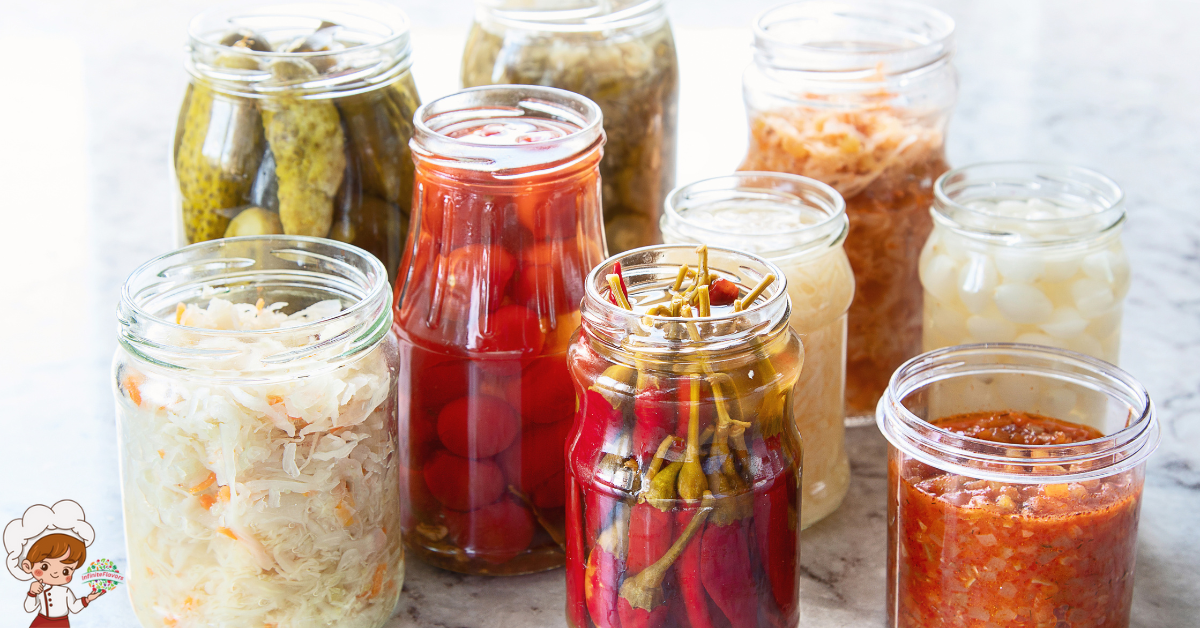
One popular fermentation technique used in vegan molecular gastronomy is lacto-fermentation. This process involves the use of lactic acid bacteria to convert sugars into lactic acid. Lacto-fermentation not only preserves the ingredients but also imparts a tangy and slightly sour flavor. This technique is commonly used for pickling vegetables, creating flavorful and probiotic-rich accompaniments for vegan dishes.
Another fermentation technique frequently employed in vegan molecular gastronomy is koji fermentation. Koji is a type of fungus that is used to ferment grains, legumes, or other plant-based ingredients. This technique produces enzymes that break down complex carbohydrates into simpler sugars, resulting in a depth of flavor that cannot be achieved through other cooking methods.
Incorporating fermentation in vegan molecular gastronomy allows chefs to push the boundaries of plant-based cuisine. It opens up a world of possibilities for creating innovative and exciting dishes that are not only delicious but also sustainable and health-conscious. By harnessing the power of fermentation, vegan chefs can showcase the incredible potential of plant-based ingredients in the molecular gastronomy realm.
We’ve Got Everything You Need to Make Your Masterpiece.
Vegan Molecular Gastronomy: The Future of Plant-Based Cuisine
As the realm of vegan molecular gastronomy continues to evolve, the future of plant-based cuisine holds endless possibilities for innovative and scientifically-inspired creations. With a focus on sustainability and cultural fusion, vegan molecular gastronomy is poised to revolutionize the way we think about plant-based food. Here are four exciting developments to look forward to:
- Sustainable Sourcing: Vegan molecular gastronomy encourages chefs to explore sustainable ingredients that are not only delicious but also environmentally friendly. By utilizing locally sourced produce and reducing food waste, this culinary approach promotes a more sustainable food system. Imagine indulging in a vegan molecular gastronomy dish made from ingredients grown in your own community, supporting local farmers while enjoying a gastronomic experience like no other.
- Cultural Fusion: One of the most exciting aspects of vegan molecular gastronomy is its ability to blend culinary traditions from around the world. By combining innovative techniques with diverse plant-based ingredients, chefs can create dishes that showcase the flavors and techniques of different cultures. Imagine savoring a vegan molecular gastronomy dish that combines the spices of India, the flavors of Japan, and the techniques of France, all in one harmonious and tantalizing creation.
- Textural Transformations: Vegan molecular gastronomy offers endless opportunities for transforming the texture of plant-based ingredients. By employing techniques like spherification, emulsification, and foaming, chefs can create an array of textures that mimic those found in traditional animal-based dishes. Imagine biting into a vegan molecular gastronomy dish that has the perfect balance of creaminess, crunchiness, and silkiness, all without the use of animal products.
- Molecular Creativity: With vegan molecular gastronomy, the boundaries of culinary creativity are pushed even further. Chefs can experiment with gels, powders, and foams to create visually stunning and sensorially captivating dishes. Imagine being presented with a vegan molecular gastronomy creation that resembles a work of art, with vibrant colors, unique shapes, and unexpected flavors, all meticulously designed to delight your senses.
Frequently Asked Questions: Amazing Molecular Gastronomy in Vegan Cuisine
Can Molecular Gastronomy Techniques Be Used to Create Vegan Versions of Classic Dishes?
Yes, you can use molecular gastronomy techniques to create vegan versions of classic dishes. By experimenting with plant-based ingredients and innovative cooking methods, you can achieve scientific and delicious results.
How Does Vegan Molecular Gastronomy Differ From Traditional Molecular Gastronomy?
Vegan molecular gastronomy differs from traditional methods by using innovative techniques and plant-based ingredients. It explores new ways to create textures and flavors, pushing the boundaries of vegan cuisine.
What Are Some Common Challenges or Difficulties When Practicing Vegan Molecular Gastronomy?
When practicing vegan molecular gastronomy, you may encounter challenges and difficulties. Techniques used in traditional molecular gastronomy may need to be adapted to create unique and innovative plant-based dishes. However, these challenges can lead to health benefits and the creation of classic dishes with a vegan twist.
Are There Any Health Benefits Associated With Vegan Molecular Gastronomy?
You can experience numerous health benefits by exploring vegan molecular gastronomy. Techniques used in this innovative field contribute to the creation of plant-based dishes that are not only delicious but also rich in nutrients.
Can You Provide Examples of Unique and Innovative Vegan Molecular Gastronomy Dishes?
You’ll be amazed by the innovative vegan molecular gastronomy techniques. The fusion of flavors in these dishes is mind-blowing. From vegan caviar to plant-based foams, the possibilities are endless in redefining vegan cuisine.
Conclusion
In conclusion, vegan molecular gastronomy is an innovative approach to plant-based cuisine that utilizes scientific techniques to create unique flavors, textures, and presentations. By incorporating tools, techniques, and ingredients such as spherification, foams, hydrocolloids, and fermentation, vegan chefs can elevate the dining experience for plant-based eaters. This emerging field holds great potential for the future of plant-based cuisine, offering endless possibilities for culinary creativity and exploration.
If you enjoyed exploring this topic and want to dive even deeper, be sure to check out some of our other articles here on Infinite Flavors. From rich culinary histories to creative twists on classic recipes, there’s always something new to discover. Whether you’re curious about the origins of a dish, looking for fresh inspiration in the kitchen, or simply love learning about food culture, our collection of posts is the perfect next step on your flavor journey.
Why Molecular Gastronomy Trends In Desserts Is Important
Exciting Affordable Molecular Gastronomy Kits
The Exciting Plant-Based Protein Trends In Food Industry