Ultimate Guide To Turkish Kebab Variations
Ultimate Guide To Turkish Kebab Variations; If you’re craving an exploration of Turkish kebab variations, you’re in for a treat! Turkish kebabs come in many forms, showcasing regional flavors and meat types like lamb, beef, and chicken. You’ll discover classics such as Adana and İskender kebabs, each with unique marinades and spices. Vegetarian options like lentil and eggplant kebabs also shine. Turkish kebabs are often served with fresh flatbreads, rice, and vibrant salads, making the meal a feast for the senses. Stay with us to uncover cooking techniques and serving suggestions to elevate your kebab game even further!
Cook Like a Pro in the Wild! Equip your adventure with our top-notch kitchen gear
History of Turkish Kebabs
The history of Turkish kebabs is as rich and flavorful as the dishes themselves. When you investigate kebab culture, you uncover a tapestry woven from ancient traditions and regional influences. Originating from the nomadic tribes of Central Asia, kebabs made their way to Anatolia, where they evolved into the diverse forms we enjoy today. Each region of Turkey has its own unique take on kebabs, showcasing local ingredients and cooking methods.
As you explore this culinary heritage, you’ll discover that kebab festivals play an important role in Turkish culture. These festivals celebrate not just the food but also the community. They bring people together to share their love for kebabs, often featuring competitions, cooking demonstrations, and live music. Attending a kebab festival allows you to experience the passion and pride that locals have for their kebab traditions.
Throughout the centuries, kebabs have transcended their humble origins to become a symbol of Turkish hospitality. Whether it’s a family gathering or a street vendor serving up delicious skewers, the act of sharing kebabs has become synonymous with warmth and connection.
In modern times, you’ll find kebabs enjoyed worldwide, yet their roots remain deeply embedded in Turkish culture. By embracing this history, you not only savor a meal but also partake in a centuries-old tradition that continues to thrive today. So, next time you bite into a kebab, remember the rich journey that brought this dish to your plate.
Types of Meat Used
Kebabs come in a variety of meats, each bringing its own unique flavor and texture to the dish. When you think of kebab meats, the first that might come to mind is lamb. This rich, juicy meat is a staple in many Turkish kebabs, providing a tenderness that pairs beautifully with grilling. Beef is another popular choice, especially in preparations like döner kebab, where it’s sliced thin and often marinated for added flavor.
Chicken kebabs are also widely enjoyed, offering a lighter alternative that’s perfect for those who prefer a milder taste. The versatility of chicken allows for various preparations, from skewers to wraps. For a more adventurous meat selection, you might try kebabs made from goat or even fish, which can add an unexpected twist to your dining experience.
In Turkey, street vendors often grill kebabs right in front of you, showcasing the freshness of the meat selection. You’ll find that different regions have their own specialties, with some favoring spicier meats while others lean towards a more subtle seasoning approach.
No matter what type of meat you choose, the method of preparation plays a vital role as well. Whether it’s marinated, skewered, or simply grilled, the way the meat is treated can elevate your kebab experience. So, next time you’re at a kebab spot or grilling at home, consider the various kebab meats available to discover your perfect match.
Popular Marinades and Spices
When you’re preparing kebabs, the marinade and spices you choose can make all the difference. A well-crafted marinade not only enhances the flavor but also tenderizes the meat, ensuring each bite is juicy and satisfying. You’ve got plenty of marinade variations to explore, from yogurt-based to oil and vinegar blends. Yogurt marinades are particularly popular, thanks to their acidity and creaminess, which work wonders with lamb and chicken. Adding garlic, lemon juice, and fresh herbs can elevate your kebabs to the next level.
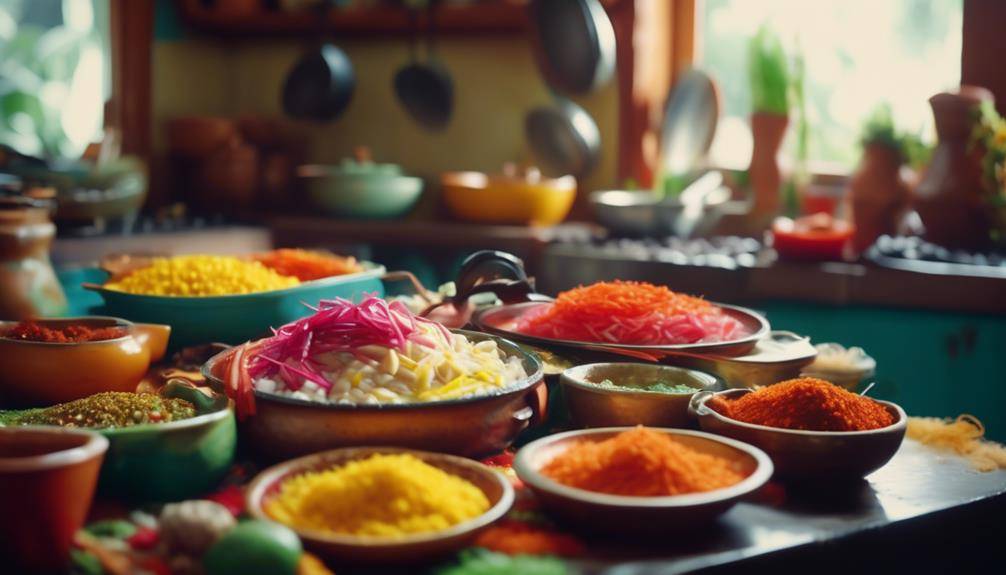
When it comes to spice blends, consider the classic Turkish baharat, which combines cumin, coriander, paprika, and black pepper. This blend gives your kebabs a warm, earthy flavor. Another option is to go for a more straightforward approach with just salt, pepper, and a hint of chili flakes for those who enjoy a bit of heat.
Don’t forget about the importance of fresh herbs! Chopped parsley, mint, or dill can add a vibrant touch to your kebabs. You can even mix these herbs right into your marinade for a burst of freshness.
Experiment with different combinations of marinades and spice blends to find what suits your taste. Whether you prefer something tangy, spicy, or herby, the right choices can transform your kebab experience. So get creative, and don’t be afraid to try new flavors—your taste buds will thank you!
Cook Like a Pro in the Wild! Equip your adventure with our top-notch kitchen gear
Regional Variations Overview
Exploring Turkish kebabs means appreciating the rich regional variations that reflect local ingredients and cooking traditions. Each region of Turkey boasts its unique style, influenced by geography, climate, and cultural significance. For instance, in the southeastern part of Turkey, you’ll find a preference for spicy flavors and lamb, while the Aegean region often favors lighter dishes with more vegetables and seafood.
In cities like Istanbul, kebabs are a melting pot of flavors, showcasing influences from the diverse cultures that have inhabited the area. You might encounter variations that combine traditional methods with modern twists, catering to both locals and tourists alike.
Kebab festivals are a fantastic way to immerse yourself in these regional distinctions. These events celebrate the art of kebab-making, allowing you to sample different styles and learn about their historical roots. During these festivals, you’ll find chefs demonstrating their skills, sharing recipes, and passing down knowledge that’s been cultivated over generations.
Whether you’re savoring the rich, smoky taste of a kebab from the eastern provinces or enjoying the fresh, herb-infused flavors from the west, each bite you take tells a story. So, the next time you indulge in a Turkish kebab, remember that you’re not just enjoying a meal; you’re partaking in a culinary tradition that varies beautifully across the country, reflecting the heart and soul of its people.
Adana Kebab
Originating from the vibrant city of Adana in southern Turkey, Adana Kebab is a beloved dish that captures the essence of regional flavors. This iconic kebab features minced meat, typically lamb, mixed with a robust blend of Adana spices. The spices—like red pepper flakes, cumin, and paprika—give it a fiery kick that’s characteristic of Adana cuisine. When you take a bite, you’ll experience a perfect harmony of heat and richness.
To prepare Adana Kebab, you’ll need to finely chop the meat and blend it with those traditional spices. This mixture is then shaped onto long metal skewers, forming a flat, elongated patty. Grilling over an open flame not only adds a smoky flavor but also helps seal in the juiciness that makes this dish irresistible.
Adana traditions emphasize the importance of enjoying this kebab with fresh bread, grilled vegetables, and a side of spicy red pepper sauce. It’s often served with a fresh salad, featuring tomatoes, onions, and parsley, balancing the richness of the meat.
When you’re savoring Adana Kebab, you’re not just enjoying a meal; you’re partaking in a culinary heritage that’s been cherished for generations. Whether you’re grilling it at home or enjoying it at a local restaurant, each bite transports you to the bustling streets of Adana, where the aroma of spice and grilled meat fills the air. So go ahead, indulge in this vibrant dish and celebrate the rich flavors of Turkish cuisine!
İskender Kebab
İskender Kebab has a rich history that traces back to the late 19th century in Turkey. As you explore its unique ingredients and preparation methods, you’ll appreciate the flavors that set it apart. Don’t forget to contemplate the best serving suggestions and pairings to enhance your dining experience!
Origin and History
Often regarded as one of Turkey’s signature dishes, İskender Kebab has a rich history that captivates food lovers. This dish traces its roots back to the late 19th century, specifically to Bursa, where it was created by İskender Efendi. He aimed to elevate the traditional döner kebab by adding a unique twist that showcased the flavors of the region. Over time, this dish gained popularity, becoming a staple in Turkish cuisine and a symbol of cultural significance.
As you explore the history of İskender Kebab, you’ll find that it’s more than just food; it represents a culinary tradition that brings people together. Kebab festivals held across Turkey celebrate this dish, allowing both locals and tourists to experience its rich flavors. These festivals highlight the communal aspect of dining, showcasing how İskender Kebab has woven itself into the fabric of Turkish society.
When you enjoy an İskender Kebab, you’re not just tasting a meal; you’re partaking in a history that spans generations. This dish continues to evolve, yet its roots remain firmly planted in Turkey’s culinary heritage.
Cook Like a Pro in the Wild! Equip your adventure with our top-notch kitchen gear
Ingredients and Preparation
To prepare an authentic İskender Kebab, you’ll need a few key ingredients that come together to create its iconic flavor. Start with high-quality lamb or beef, thinly sliced and marinated in a mixture of yogurt, garlic, and spices like cumin and paprika. This marinade enhances the meat’s tenderness and infuses it with rich flavors. You’ll also need fresh pita bread, which acts as a base for the kebab.
For the sauce, you’ll require tomato paste, butter, and some additional spices. The preparation techniques involve grilling the marinated meat until it’s perfectly charred, while you warm the pita bread in the oven. Once everything is cooked, layer the sliced kebab over the bread, generously drizzling the tomato sauce on top. A dollop of yogurt adds a creamy touch, complementing the spices.
Don’t forget the finishing touches: a sprinkle of red pepper flakes and a drizzle of melted butter over the dish elevate its flavor profile. Mastering these kebab ingredients and preparation techniques will guarantee you serve a traditional İskender Kebab that’s bursting with flavor and authenticity. Enjoy the process, and savor the delicious results!
Serving Suggestions and Pairings
When serving İskender Kebab, you can elevate the dining experience with a few thoughtful pairings. Start by considering sides suggestions that complement the rich flavors of the dish. A fresh, tangy shepherd’s salad with tomatoes, cucumbers, and onions adds a revitalizing crunch. You might also enjoy a serving of pilaf or bulgur, which can soak up the delicious tomato sauce and butter drizzled over the kebab.
For drink pairings, you can’t go wrong with a classic Turkish Ayran, a yogurt-based drink that helps balance the spices. If you prefer something non-alcoholic, consider a rejuvenating pomegranate juice, which adds a sweet-tart contrast to the savory kebab. If you’re in the mood for something stronger, a light red wine or a traditional Turkish raki can enhance the flavors beautifully.
Don’t forget to serve some warm pita bread on the side for scooping up the kebab and sauce. These pairings not only enhance the flavors but also create a well-rounded meal that captures the essence of Turkish cuisine. Enjoy your İskender Kebab with these thoughtful additions!
Döner Kebab
Döner kebab is one of Turkey’s most iconic street foods, beloved for its rich flavors and satisfying texture. With its döner origin rooted in Ottoman cuisine, this dish has evolved into a global favorite. Traditionally, it’s made by stacking marinated meat—usually lamb, beef, or chicken—onto a vertical rotisserie. As the meat cooks, it’s shaved off in thin slices, delivering that perfect, smoky flavor.
When you bite into a döner kebab, you’ll experience a delightful combination of textures and tastes. The meat is juicy and tender, while the crispy edges add a satisfying crunch. But what truly elevates a döner kebab are the toppings. You’ve got plenty of options to customize your meal. Classic toppings include fresh lettuce, tomatoes, and onions, which add a revitalizing crunch. You might also find pickles and spicy peppers for an extra kick.
To enjoy your döner kebab fully, consider the sauce. Garlic yogurt and spicy red sauce are popular choices that complement the meat beautifully. Whether you’re enjoying it in a wrap, pita, or on a plate with rice, each bite is a flavor explosion.
Şiş Kebab
Şiş kebab is a must-try for anyone looking to savor the rich flavors of Turkish cuisine. This delicious dish features marinated pieces of meat, typically lamb or chicken, skewered and grilled to perfection. The origins of şiş kebab can be traced back to the Ottoman Empire, where it became a popular method of cooking meat over an open flame. This tradition has evolved, and today, you can find various şiş kebab recipes that highlight different spices and marinades, offering a taste of regional diversity.
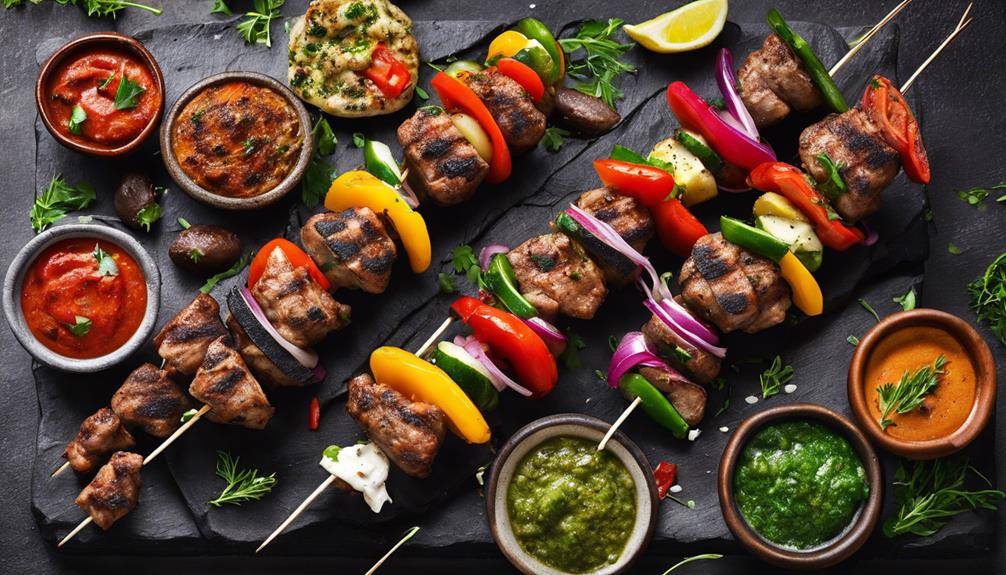
When preparing your own şiş kebab, you’ll want to focus on the marinade. A typical recipe includes olive oil, lemon juice, garlic, and a mix of spices like cumin and paprika. You can customize the flavors to suit your taste, whether you prefer a spicier kick or a more herbaceous profile. After marinating the meat for several hours, you’ll skewer it with vegetables like bell peppers and onions for added flavor and color.
Grilling is where the magic happens. As the meat cooks, it becomes tender and juicy, while the outside develops a beautiful char. You can enjoy your şiş kebab on its own or serve it with rice, pita bread, and a side of invigorating yogurt sauce. No matter how you choose to enjoy it, şiş kebab will certainly leave you craving more. So, gather your ingredients, fire up the grill, and plunge into a delightful culinary experience!
Testi Kebab
When you think of Testi Kebab, imagine a traditional cooking method that uses a sealed clay pot to lock in flavors. You’ll discover how various ingredients come together to create a hearty dish, with each region boasting its own unique twist. Let’s explore the delightful variations of this iconic Turkish kebab.
Traditional Cooking Method
In the heart of Turkish cuisine lies the unique cooking method known as Testi Kebab, which showcases the art of slow-cooking meat and vegetables inside a sealed clay pot. This traditional technique allows the ingredients to simmer in their own juices, resulting in incredibly tender and flavorful dishes. Unlike other kebabs that often rely on skewering techniques, Testi Kebab is all about the pot.
To prepare Testi Kebab, you start by marinating your choice of meat, typically lamb or beef, along with a variety of vegetables. Then, you fill the clay pot with these ingredients and seal it tightly, often using a dough to keep the flavors locked inside. The pot is then placed over a heat source—whether it’s hot coals or an oven—allowing the contents to cook slowly for hours. This method not only enhances the flavors but also keeps the meat juicy and moist.
When the cooking time is up, you crack open the clay pot, releasing a burst of aromatic steam. You’ll find a deliciously satisfying meal, ready to be enjoyed with rice or fresh bread. Testi Kebab truly exemplifies the beauty of traditional Turkish cooking methods.
Cook Like a Pro in the Wild! Equip your adventure with our top-notch kitchen gear
Flavorful Ingredients Used
Infusing Testi Kebab with rich flavors starts with the selection of high-quality ingredients. When you’re sourcing your ingredients, opt for fresh vegetables like bell peppers, tomatoes, and onions. These not only add color but also enhance the overall taste of your dish. The choice of meat is essential; tender cuts of lamb or beef marinated in spices can elevate your kebab to the next level.
Don’t overlook the importance of herbs and spices. Fresh thyme, oregano, and a hint of garlic can bring a depth of flavor that’s simply irresistible. You might also want to experiment with different sauce pairings. A tangy yogurt sauce or a spicy tomato-based dip can complement the rich, savory notes of the kebab perfectly.
When it comes to cooking, the way you layer your ingredients in the clay pot matters. This method allows the flavors to meld beautifully, creating an aromatic dish that’s bursting with taste. Remember, the quality of your ingredient sourcing directly influences the final outcome, so take the time to select the best. With these flavorful ingredients, your Testi Kebab will surely impress everyone at the table.
Regional Variations Explored
Testi Kebab showcases a variety of regional adaptations across Turkey, each reflecting local tastes and culinary traditions. This unique dish, typically cooked in a clay pot, differs considerably from one region to another, allowing you to explore the rich kebab culture of the country.
In Central Anatolia, for instance, you’ll find Testi Kebab prepared with succulent lamb or beef, seasoned with regional spices like sumac and black pepper. These spices enhance the meat’s flavors, creating a delightful experience that represents the area’s agricultural bounty. Meanwhile, in the eastern regions, you might encounter a spicier rendition, incorporating red pepper flakes and a touch of garlic.
Moving to the coastal areas, seafood variations emerge, featuring fresh fish and local herbs, showcasing the diversity that Turkish kebabs can offer. Each region’s unique approach not only highlights local ingredients but also invites you to savor the different culinary traditions that influence this beloved dish. Whether you’re dining in a bustling city or a quaint village, Testi Kebab is sure to offer a delicious glimpse into Turkey’s vibrant regional cuisine.
Vegetarian Kebab Options
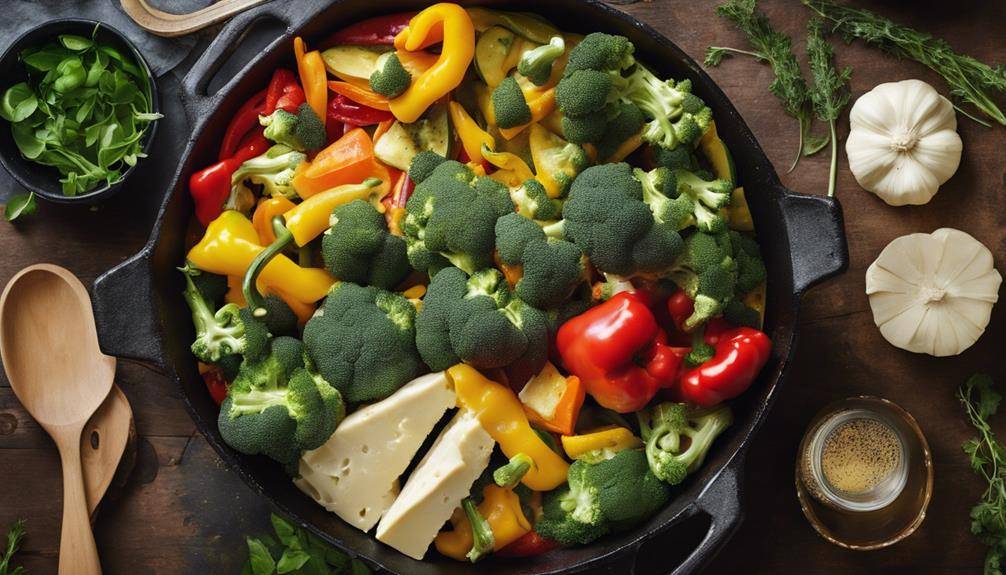
As culinary trends evolve, vegetarian kebab options have gained popularity among food enthusiasts. You might be surprised to find that kebabs aren’t just for meat lovers anymore. There’s a whole world of delicious plant-based variations waiting for you to explore.
Grilled vegetable skewers are a colorful and flavorful choice, combining bell peppers, zucchini, and cherry tomatoes. These vibrant veggies are marinated and grilled to perfection, making them a hit at any gathering. If you’re in the mood for something heartier, lentil kebabs are packed with protein and spices, providing a satisfying bite.
Eggplant kebabs offer a smoky flavor, especially when grilled, while chickpea patties deliver a unique twist. These patties are often seasoned with herbs and spices, making them a tasty alternative. For a lighter option, you can try cauliflower kebabs, which are both nutritious and delicious. They absorb marinades beautifully, adding depth to your meal.
Tofu kebabs are another excellent choice if you’re looking for a protein-rich option. They soak up flavors well and can be grilled alongside your favorite vegetables. Don’t forget about mushroom skewers, which bring a rich, earthy taste to the table. Finally, spicy bean kebabs add a kick, combining various beans and spices for a robust flavor profile.
With so many vegetarian kebab options, you’re sure to find something that excites your palate and satisfies your cravings!
Serving Styles and Accompaniments
When you think about serving Turkish kebabs, you’ll notice that traditional methods play a key role in the dining experience. You’ll often find them accompanied by popular sides like rice, flatbreads, or fresh salads that enhance the flavors. Understanding these serving styles and accompaniments will elevate your appreciation of this delicious cuisine.
Traditional Serving Methods
Embracing the rich flavors of Turkish kebabs goes hand in hand with understanding their traditional serving methods. When you dig into a kebab, you’ll often notice the meticulous plating styles that elevate the experience. Typically, kebabs are served on a skewer or on a plate, showcasing the vibrant colors of the meat and vegetables.
Garnishing techniques play an essential role in presentation. Fresh herbs like parsley or mint are commonly used, adding a pop of green that enhances the visual appeal. A sprinkle of sumac or a drizzle of olive oil can make a simple dish look extraordinary.
In many regions, kebabs come with a side of flatbread, allowing you to wrap the meat and add your favorite toppings. You might also find them served with grilled vegetables, giving you a delightful mix of textures and flavors.
The way kebabs are served not only showcases the culinary artistry but also reflects the cultural significance of sharing food. So, next time you enjoy a kebab, take a moment to appreciate the traditional serving methods that make it a feast for both the eyes and the palate.
Popular Accompaniment Choices
Turkish kebabs shine even brighter with the right accompaniments, and you’ll find a variety of options to enhance your meal. One of the most popular choices is sauce pairings. A tangy garlic yogurt sauce adds creaminess, while a spicy red pepper or tomato sauce can bring a delightful kick. You can also try a zesty tahini or a rich, herby chimichurri to complement the flavors of your kebabs perfectly.
When it comes to side dishes, think about fresh salads, which are a must. A classic shepherd’s salad with tomatoes, cucumbers, and parsley brings a revitalizing crunch that balances the savory meat. You might also enjoy pilaf or bulgur; these grains soak up the sauces beautifully and add heartiness to your plate.
Don’t forget about grilled vegetables, like peppers and eggplants, which can add a smoky flavor to your meal. Finally, warm pita bread or flatbreads serve as a perfect vessel for scooping up kebabs and sauces. With these accompaniments, you’ll elevate your Turkish kebab experience to a whole new level!
Cook Like a Pro in the Wild! Equip your adventure with our top-notch kitchen gear
Cooking Techniques and Tips
To create delicious kebabs, mastering the right cooking techniques is fundamental. Start with marinating tips; a good marinade not only infuses flavor but also tenderizes your meat. Aim for at least 30 minutes, but overnight is even better. When it comes to skewering methods, use flat skewers to prevent the meat from spinning. If you’re using wooden skewers, soak them in water to prevent burning.
Next, focus on grilling techniques. Preheat your grill to guarantee even cooking. Keep a close eye on cooking times; generally, chicken takes about 15-20 minutes, while beef can take around 10-15 minutes, depending on thickness. Knowing the right serving temperatures is essential—aim for 165°F for chicken and 145°F for beef to ensure safety and flavor.
Fire management is critical for perfect kebabs. Use direct heat for searing, then move to indirect heat to finish cooking without burning. As for equipment essentials, a good pair of tongs and a meat thermometer will make your grilling experience smoother.
Once your kebabs are cooked, think about flavor balancing. Pair spicy kebabs with creamy sauces or tangy dips to create contrast. When it’s time to serve, consider plating ideas—arrange your kebabs on a colorful platter with fresh herbs and slices of lemon for a vibrant presentation.
Cook Like a Pro in the Wild! Equip your adventure with our top-notch kitchen gear
Frequently Asked Questions: Ultimate Guide To Turkish Kebab Variations
What Are the Best Drinks to Pair With Turkish Kebabs?
When enjoying Turkish kebabs, you’ll love pairing them with traditional beverages like ayran or şalgam. These drinks enhance the flavor profiles of the kebabs, balancing their richness and complementing spices beautifully.
How Do You Store Leftover Kebabs?
To store leftover kebabs, wrap them tightly in plastic wrap or foil. Use effective marinade techniques for flavor retention, and when reheating, opt for an oven or skillet for the best results. Enjoy them again!
Are There Any Popular Side Dishes for Kebabs?
You’ll love pairing kebabs with popular side dishes like rice pilaf or grilled vegetables. With rich kebab seasoning and diverse kebab origins, these sides enhance the flavors, making your meal even more enjoyable.
Can Kebabs Be Made Without Grilling?
Yes, you can make kebabs without grilling! Experiment with kebab cooking methods like baking or frying. Use various kebab preparation techniques, such as marinating and skewering, to enhance flavors and achieve delicious results indoors.
What Are Common Misconceptions About Turkish Kebabs?
You might think kebabs are all the same, but misconceptions abound. Understanding kebab history reveals rich regional variations, showcasing unique flavors and techniques that differ greatly across Turkey, highlighting the diversity within this beloved dish.

Conclusion
Now that you’ve explored the rich world of Turkish kebab variations, you’re ready to savor these delicious dishes. Whether you prefer the spicy kick of Adana or the unique flavor of Testi, there’s a kebab for everyone. Don’t forget to experiment with marinades and spices to make these recipes your own. So fire up the grill, gather your favorite accompaniments, and enjoy a taste of Turkey right at home. Happy grilling!