The Great History and Origin of Classic Stuffing
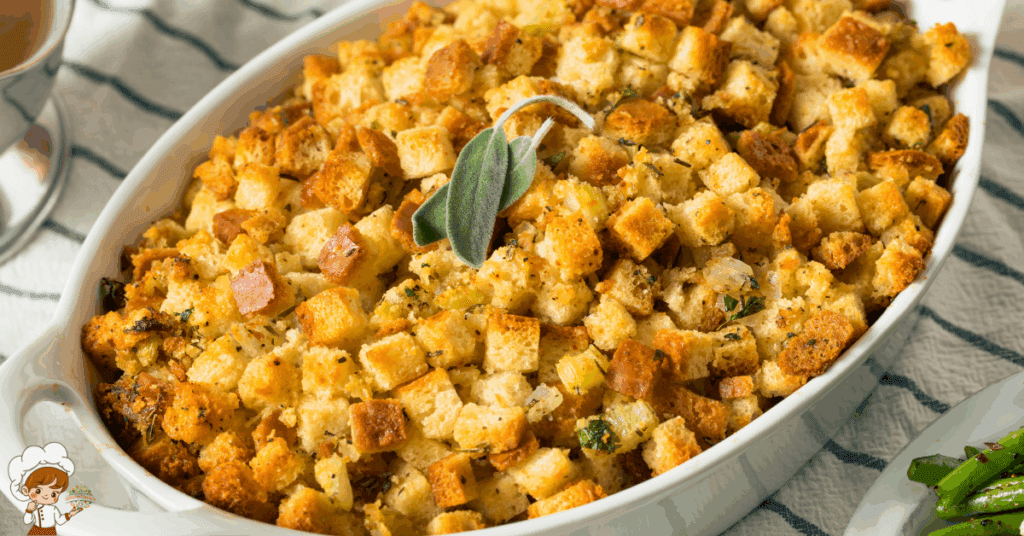
Great History and Origin of Classic Stuffing; Few dishes carry as much nostalgic warmth and holiday tradition as classic stuffing. Known for its aromatic blend of bread, herbs, and savory seasonings, stuffing is one of those timeless recipes that brings families together around the table year after year. Whether it’s served inside a roasted turkey, baked as a golden casserole, or seasoned with regional twists, stuffing is more than just a side dish—it’s a culinary tradition steeped in history, creativity, and culture.
The journey of stuffing, from ancient kitchens to modern Thanksgiving feasts, tells the story of human ingenuity and the evolution of food preservation and flavor. Across centuries and continents, cooks have used whatever ingredients were available to make the perfect filling—bread, grains, vegetables, fruits, meats, and spices—creating a dish that reflects both practicality and celebration.
Ancient Beginnings: The Origins of Stuffing
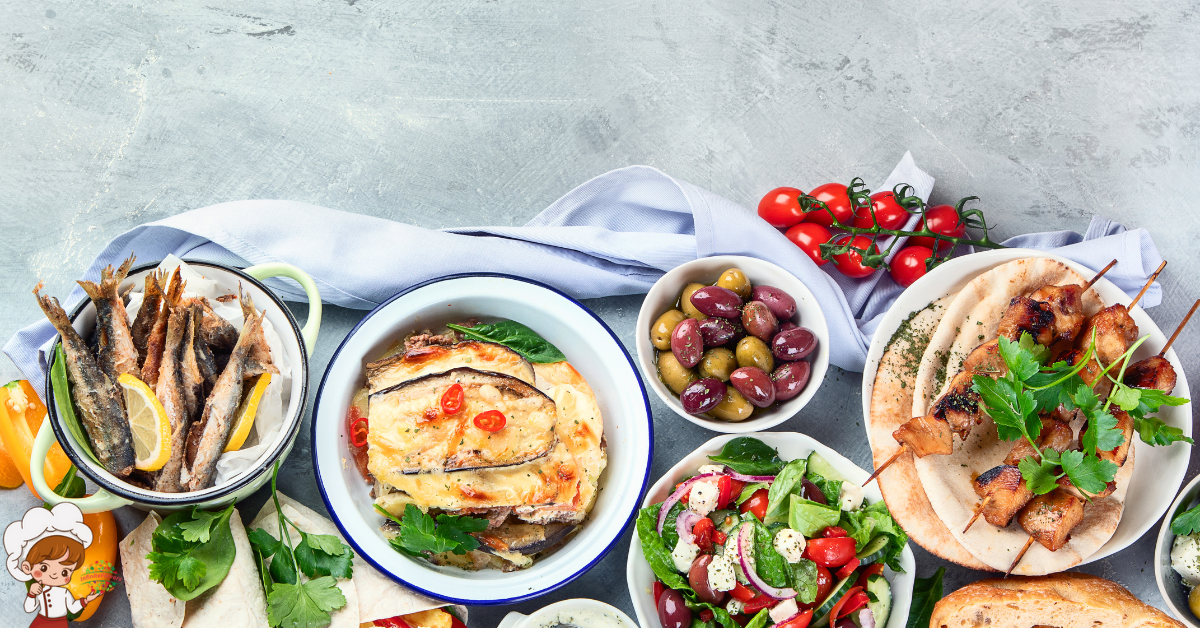
The earliest recorded instances of stuffing can be traced back over 2,000 years to ancient civilizations such as Greece and Rome. The Roman cookbook Apicius, dating from the 4th century AD, includes recipes for stuffed animals, birds, and vegetables. Early stuffings were not made with bread but with ingredients like nuts, herbs, vegetables, and even organ meats.
In those early times, stuffing served multiple purposes—it enhanced the flavor of roasted meats, helped retain moisture, and allowed cooks to use up leftovers efficiently. The method of “stuffing” (known in Latin as farcio, meaning “to stuff” or “fill”) quickly spread throughout Europe as culinary practices evolved.
The concept was as practical as it was flavorful. Ancient cooks discovered that adding seasoned fillings could extend the meal, making expensive meats stretch further, while also adding depth and texture to the dish.
The Medieval and European Evolution of Bread Stuffing
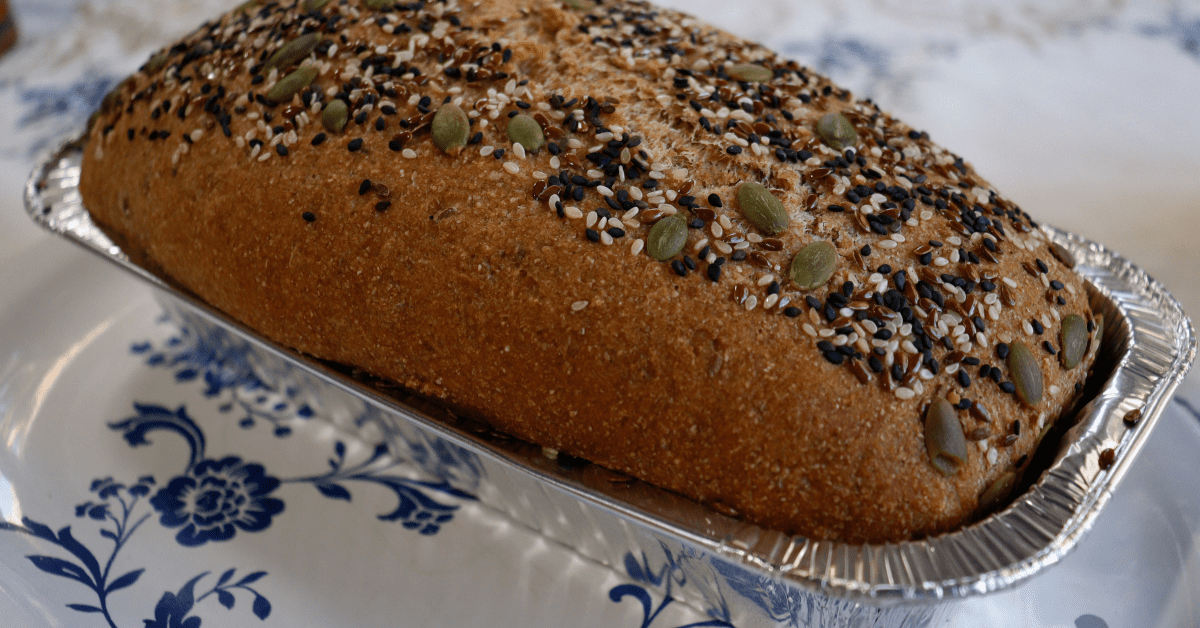
As bread became a dietary staple across Europe, it naturally found its way into stuffing. During the Middle Ages, cooks in England and France began using stale bread mixed with herbs, onions, and animal fat to create flavorful fillings for poultry, game, and fish. These early bread stuffings marked a turning point in the evolution of the dish, setting the foundation for what we now recognize as classic stuffing.
Stuffing in medieval Europe was often reserved for feasts and special occasions, showcasing the skill of cooks and the wealth of their patrons. Over time, regional variations developed—some included chestnuts, apples, or dried fruit for sweetness, while others leaned heavily on savory herbs such as sage and thyme.
The use of bread also reflected practicality and resourcefulness. Stale bread that might otherwise go to waste was repurposed into a flavorful side dish, proving that frugality and culinary creativity often go hand in hand.
Stuffing Comes to America: Colonial Influence
When European settlers arrived in America, they brought their beloved stuffing traditions with them. Bread stuffing became a natural fit in the New World, where corn, herbs, and local vegetables offered exciting new flavors and textures. Colonial cooks adapted traditional recipes to include ingredients they had on hand, such as cornbread, oysters, or wild rice, depending on the region.
Early American stuffing recipes were rustic but deeply flavorful. Bread, onions, butter, and herbs remained staples, but regional influences led to endless variations. In the Northeast, stuffing often featured oysters and seafood, while in the South, cornbread became the go-to base, giving rise to Southern cornbread dressing, a close cousin of traditional bread stuffing.
Stuffing became firmly tied to Thanksgiving in the 19th century, thanks in large part to Sarah Josepha Hale, the editor of Godey’s Lady’s Book, who campaigned to make Thanksgiving a national holiday. In her writings and recipes, stuffing (often referred to as “dressing” in some regions) was highlighted as an essential part of the holiday feast.
From “Stuffing” to “Dressing”: The Linguistic Divide
While most of the world refers to the dish as “stuffing,” the term “dressing” became popular in the American South. The distinction, however, is largely cultural rather than culinary. Traditionally, “stuffing” referred to a mixture cooked inside the bird, while “dressing” was baked separately in a dish.
Southern cooks often preferred baking the mixture on its own, especially when using cornbread as a base. This practice became so common that “dressing” eventually replaced “stuffing” in Southern households. Despite the terminology differences, both versions share the same comforting flavors and traditions.
The Ingredients That Define Classic Stuffing
Classic stuffing has evolved into an art form, yet its foundation remains remarkably consistent. The essential ingredients—bread, butter, onions, celery, herbs, and broth—create a balance of textures and flavors that define the dish.
- Bread: The heart of stuffing, typically cubed and dried to absorb broth and seasonings. White bread, sourdough, and French bread are common choices.
- Aromatics: Onions and celery are sautéed in butter to form a fragrant base.
- Herbs: Sage, thyme, rosemary, and parsley are the traditional herbs used to capture the essence of holiday flavors.
- Broth or Stock: Moistens the bread and brings all the ingredients together.
- Optional Add-ins: Sausage, apples, nuts, or cranberries add regional flair and personality to the dish.
The beauty of stuffing lies in its adaptability. From simple bread-and-herb versions to rich sausage stuffings or wild rice blends, the dish can be tailored to suit any taste or occasion.
The Role of Stuffing in Holiday Traditions
In the United States, stuffing is most famously associated with Thanksgiving, though it also makes appearances at Christmas and Easter feasts. It represents comfort, abundance, and family togetherness.
For many, no Thanksgiving table is complete without a large dish of stuffing—crispy on top, tender within, and infused with the rich aroma of herbs and butter. Whether cooked inside the turkey or baked separately, stuffing has become an icon of the holiday meal.
The dish’s enduring popularity lies in its ability to evoke memory and tradition. Generations of families have passed down their own versions of stuffing recipes, each with its unique touches and secret ingredients.
Regional Variations of Stuffing Across America
Classic stuffing has evolved into countless regional adaptations across the country:
- New England: Oyster stuffing is a coastal favorite, combining seafood with savory herbs.
- Midwest: Sausage and sage stuffing is the go-to, hearty and aromatic.
- South: Cornbread dressing reigns supreme, offering a rich, crumbly texture.
- West Coast: Creative variations include sourdough bread bases and vegetarian options.
Each version tells a story of local ingredients, heritage, and family traditions. The dish has continued to evolve, incorporating modern flavors while honoring its deep historical roots.
Classic Stuffing in Modern Cuisine
Today, chefs and home cooks alike continue to innovate with stuffing. From vegetarian versions made with quinoa or mushrooms to international twists featuring Mediterranean spices or Asian flavors, stuffing has become a canvas for creativity.
Despite its evolution, classic stuffing remains a beloved holiday staple. It embodies the best of traditional cooking—comfort, versatility, and the power to bring people together.
Stuffing has also inspired new dishes beyond the holidays, appearing in sandwiches, casseroles, and even as a base for creative leftovers. Its universal appeal ensures that, no matter the era or cuisine, stuffing continues to hold its place in the culinary spotlight.
Why Classic Stuffing Remains Timeless
The enduring popularity of stuffing can be attributed to three things: nostalgia, versatility, and flavor. It’s a dish that celebrates resourcefulness while delivering the cozy, savory taste that defines the holiday season.
Each spoonful carries the warmth of shared meals and family memories. It’s not just a side dish—it’s a reminder of how food connects us across time and culture.
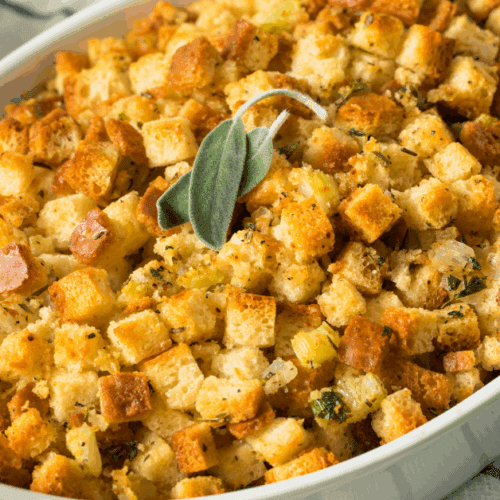
Classic Stuffing
Ingredients
- – 1 loaf of bread cubed
- – 1 onion diced
- – 2 celery stalks diced
- – 1 tsp sage
- – 1 cup broth
Instructions
- Sauté onion and celery until soft.
- In a bowl, combine bread, sautéed vegetables, sage, and broth.
- Bake at 350°F (175°C) for 30 minutes.
Classic Stuffing—A Flavorful Bridge Between Past and Present
From the kitchens of ancient Rome to modern American tables, classic stuffing has evolved into one of the most cherished comfort foods of all time. Its rich history mirrors the progression of human civilization—resourcefulness turned into tradition, and practicality transformed into art.
Whether it’s made with bread, cornbread, or grains, baked inside a turkey or served on the side, stuffing’s legacy endures as a delicious bridge between past and present. It’s more than a recipe—it’s a ritual of gratitude, flavor, and family that will continue to warm hearts and homes for generations to come.
If you enjoyed exploring this topic and want to dive even deeper, be sure to check out some of our other articles here on Infinite Flavors. From rich culinary histories to creative twists on classic recipes, there’s always something new to discover. Whether you’re curious about the origins of a dish, looking for fresh inspiration in the kitchen, or simply love learning about food culture, our collection of posts is the perfect next step on your flavor journey.
The Great Delicious Origin Of Green Bean Casserole
The Great Creamy History Mashed Potatoes
The Great Origin Of Turkey And Vegetable Skillet

FAQ: Great History and Origin of Classic Stuffing
What is the difference between stuffing and dressing?
Traditionally, “stuffing” is cooked inside the bird, while “dressing” is baked separately in a dish. In modern usage, the terms are interchangeable, though “dressing” is more common in the South.
Where did stuffing originate?
Stuffing dates back to ancient Greece and Rome, where cooks used vegetables, herbs, and meats to fill animals before roasting. The bread-based version we know today emerged in medieval Europe.
Why is stuffing popular at Thanksgiving?
Stuffing became a Thanksgiving staple due to its association with early colonial feasts and its ability to stretch ingredients while adding rich, savory flavor to roasted turkey.
Can stuffing be made ahead of time?
Yes! Many cooks prepare stuffing a day ahead to allow the flavors to develop fully. It can be refrigerated and baked just before serving.
What type of bread is best for classic stuffing?
White bread, French bread, or sourdough are ideal for their ability to absorb liquid while maintaining texture. Stale or toasted bread works best.