Stir-Frying With Coconut Oil Benefits
Stir-Frying With Coconut Oil Benefits: Stir-frying with coconut oil brings several benefits your kitchen will love. Its high smoke point prevents burning, allowing you to retain essential nutrients and flavors in your dishes. Rich in medium-chain fatty acids, coconut oil boosts energy and supports heart health, making it great for an active lifestyle. You'll also enjoy its subtle sweetness and unique aroma, which enhance any stir-fry, especially when paired with spices like ginger and garlic. Plus, it's versatile enough for various cooking methods. Curious about more ways to elevate your meals with coconut oil? Discover how it can transform your cooking further!
Click Here and Turn Every Masterpiece into a Showstopper!
What Is Coconut Oil?
Coconut oil, often hailed for its versatility, is a natural oil extracted from the meat of mature coconuts. Its origins trace back thousands of years, primarily to tropical regions where coconuts grow abundantly. In many cultures, coconut oil has been a staple for cooking, skin care, and even medicinal purposes. The oil's popularity has soared in recent years, as more people discover its numerous applications in modern cooking and health.
When it comes to coconut oil types, you'll find a couple of main varieties: refined and unrefined. Unrefined coconut oil, often labeled as virgin or extra virgin, undergoes minimal processing and retains a strong coconut flavor and aroma. This type is great for those who want to add a rich coconut taste to their dishes. On the other hand, refined coconut oil is processed to remove impurities and has a higher smoke point, making it ideal for high-heat cooking methods, like stir-frying.
Nutritional Profile of Coconut Oil
Coconut oil's nutritional profile is packed with medium-chain fatty acids that your body easily converts into energy. These fats can also support heart health and weight management. Plus, its antioxidant properties help protect your cells from damage, making it a smart choice for your cooking.
Medium-Chain Fatty Acids
The unique nutritional profile of coconut oil is largely attributed to its medium-chain fatty acids (MCFAs). These fatty acids, like lauric acid, capric acid, and caprylic acid, play a significant role in your health. Unlike long-chain fatty acids found in many other oils, MCFAs are quickly absorbed by your body, making them a great source of energy. This rapid coconut oil absorption means your body can utilize these fats immediately, promoting efficient medium chain metabolism.
When you cook with coconut oil, you're not just adding flavor; you're also providing your body with a unique fuel source. MCFAs are metabolized differently than other fats, bypassing the usual pathways and going directly to the liver. This can lead to increased energy levels, making them a preferred choice for athletes and active individuals.
Incorporating coconut oil in your stir-frying not only enhances the taste of your dishes but delivers the benefits of these beneficial fatty acids. So, next time you're cooking, remember that coconut oil is more than just a cooking medium; it's a nutritional powerhouse that supports your body's energy needs.
Antioxidant Properties
In addition to its medium-chain fatty acids, coconut oil boasts impressive antioxidant properties that can further enhance your health. Antioxidants play an essential role in protecting your body from the harmful effects of free radicals—unstable molecules that can cause cellular damage and lead to various health issues. By incorporating coconut oil into your diet, you're tapping into one of the beneficial antioxidant sources available.
Coconut oil contains phenolic compounds that act as antioxidants. These compounds help neutralize free radicals, reducing oxidative stress and inflammation in your body. This protective effect not only supports overall health but may also lower the risk of chronic diseases, such as heart disease and cancer.
When you stir-fry with coconut oil, you're not just elevating the flavors of your dishes; you're also adding a layer of nutritional benefits. By replacing traditional cooking oils with coconut oil, you can enjoy both the delicious taste and the health advantages of its antioxidant properties. So, the next time you're in the kitchen, consider reaching for coconut oil for a tasty and health-conscious stir-fry!
High Smoke Point Advantages
When you stir-fry with coconut oil, its high smoke point lets you cook at higher temperatures without burning. This not only enhances the flavor of your dishes but also preserves the oil's nutritional benefits. Understanding heat tolerance can help you make the most of your cooking experience.
Heat Tolerance Explained
Understanding heat tolerance is vital for anyone looking to enhance their stir-frying skills, especially with oils like coconut oil that boast a high smoke point. When you're stir-frying, maintaining the right temperature is essential. Oils with a high smoke point, like coconut oil, can withstand higher heat without breaking down. This means you can cook your ingredients at ideal temperatures, allowing for better texture and flavor retention.
In oil comparisons, coconut oil stands out due to its stability under heat. Many other common cooking oils, like olive oil, have lower smoke points, which can lead to burnt flavors and the release of harmful compounds when overheated. By choosing coconut oil, you can confidently employ various cooking techniques, knowing your oil won't degrade.
Additionally, cooking at higher temperatures can help seal in moisture and enhance the overall quality of your dish. So, when you're stir-frying, consider the importance of heat tolerance and how it affects the outcome. Opt for oils that perform well under heat, like coconut oil, to elevate your stir-frying experience. You'll enjoy tastier, healthier meals with every dish you create.
Flavor Enhancement Benefits
Coconut oil not only offers impressive heat tolerance but also greatly enhances the flavors of your stir-fried dishes. When you use coconut oil in your cooking techniques, you're not just cooking; you're elevating the entire flavor profile of your meal. The oil's subtle sweetness complements a variety of ingredients, from vegetables to proteins, allowing the natural flavors to shine through.
One of the standout features of coconut oil is its high smoke point. This means you can crank up the heat without worrying about burning the oil or developing an unpleasant taste. You'll achieve a perfect sear on your ingredients, locking in moisture and flavor, which is essential in stir-frying.
Additionally, the unique aroma of coconut oil adds an enticing layer to your dishes, making them more inviting. You'll notice how it can transform a simple vegetable stir-fry into a vibrant culinary experience. So, the next time you're experimenting with cooking techniques, reach for coconut oil. It'll not only withstand high temperatures but also bring a delightful twist to your flavor profiles, making each meal uniquely satisfying.
Flavor Enhancement in Dishes
How can a simple change in cooking oil elevate the taste of your dishes? When you switch to coconut oil for stir-frying, you're not just changing the fat; you're enhancing the entire flavor profile of your meal. Coconut oil has a unique, slightly sweet and nutty taste that can complement a variety of ingredients, making your dishes more vibrant and exciting.
Using coconut oil in your cooking techniques introduces a new layer of flavor that can be especially beneficial in stir-fries. As you toss your vegetables and proteins in the hot pan, the coconut oil helps to lock in the natural flavors while adding its own aromatic essence. This creates a harmonious blend that can elevate even the simplest of ingredients.
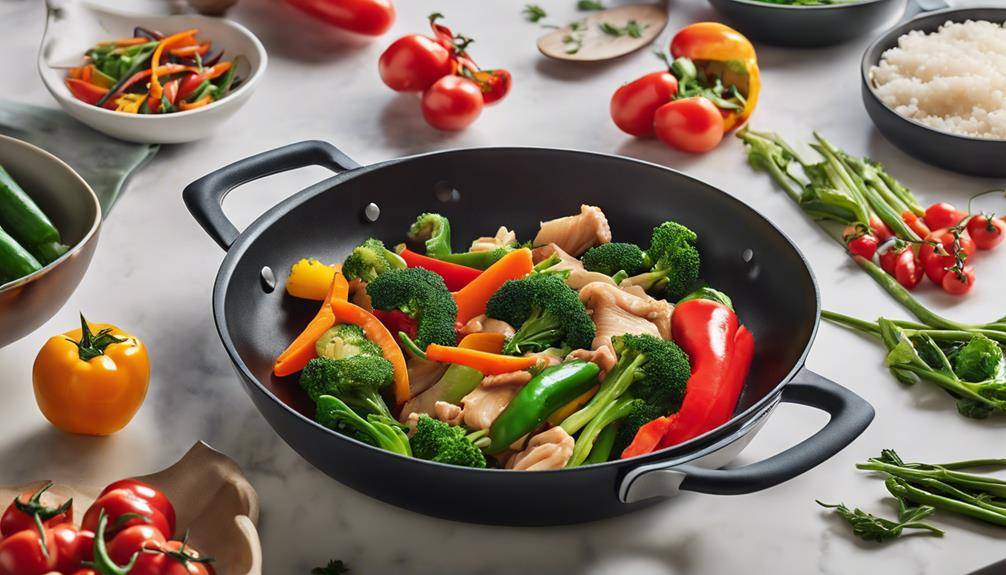
Imagine stir-frying fresh vegetables like bell peppers, broccoli, and snap peas in coconut oil. The oil not only enhances their natural flavors but also brings out a delightful richness that's hard to achieve with other oils. You'll find that your dishes can take on a whole new life, allowing you to explore diverse flavor profiles and combinations that excite your palate.
Moreover, because coconut oil has a high smoke point, it's perfect for high-heat cooking methods like stir-frying. This means you can achieve that beautiful sear on your proteins while infusing them with the wonderful flavor of coconut. So, next time you're in the kitchen, consider reaching for coconut oil to transform your stir-frying experience.
Health Benefits of Coconut Oil
Coconut oil isn't just great for flavor; it also offers impressive health benefits. It can boost your heart health and enhance your metabolism rate, making it a smart addition to your diet. By incorporating coconut oil into your meals, you're not only enjoying delicious dishes but also supporting your overall well-being.
Boosts Heart Health
When you're looking to boost your heart health, incorporating coconut oil into your stir-frying routine can be a smart choice. This versatile oil is rich in heart healthy fats, particularly medium-chain triglycerides (MCTs), which have been shown to support cardiovascular health. By using coconut oil, you're not only enhancing the flavor of your meals but also providing your body with beneficial nutrients.
Coconut oil benefits extend beyond taste. Research indicates that MCTs may help improve cholesterol levels by increasing HDL (good cholesterol) while potentially lowering LDL (bad cholesterol). This balance is essential for maintaining a healthy heart and reducing the risk of heart disease.
Moreover, coconut oil can be a great alternative to less healthy oils or margarine, making it easier for you to create heart-friendly dishes. By using it in your stir-frying, you can enjoy a delicious meal without compromising on health.
Incorporating coconut oil into your cooking can be a simple yet effective step toward better heart health. So, next time you stir-fry, reach for coconut oil and reap the rewards of its heart-healthy properties.
Enhances Metabolism Rate
In addition to its heart-healthy properties, using coconut oil in your stir-frying can boost your metabolism rate. This oil contains medium-chain triglycerides (MCTs), which your body quickly converts into energy. Unlike long-chain fatty acids, MCTs don't require extensive processing, meaning they're a fantastic choice for those looking for metabolism boosters.
When you incorporate coconut oil into your meals, you're not just adding flavor; you're also elevating your energy levels. Studies show that MCTs can increase calorie burning, helping you maintain or even lose weight when combined with a healthy diet and exercise. This effect occurs because your body uses these fats more efficiently, turning them into energy rather than storing them as fat.
Additionally, the thermogenic properties of coconut oil can further enhance this process. Stir-frying with coconut oil not only brings a delicious taste to your dishes but also supports your body's natural fat-burning capabilities. So, if you want to rev up your metabolism and feel energized throughout the day, consider swapping out your usual cooking oil for coconut oil. You'll be fueling your body with the benefits it craves!
Saturated Fats: The Good Kind
Saturated fats often get a bad rap, but not all of them deserve it. When you think of fats, it's easy to assume that all saturated fats are harmful, but that's not entirely true. In fact, certain saturated fats can be part of your healthy choices. For instance, coconut oil, rich in medium-chain triglycerides (MCTs), is a saturated fat that offers various health benefits.
When you incorporate coconut oil into your cooking, especially through stir-frying, you're not just enhancing flavor; you're also boosting your nutrient intake. MCTs are metabolized differently compared to long-chain fatty acids, leading to quicker energy release and potentially aiding in weight management. This means that using coconut oil for cooking can align with your health goals.
Moreover, saturated fats can play a role in hormone production and cellular function. They're essential for absorbing fat-soluble vitamins, which are vital for your overall health. By choosing high-quality sources like coconut oil, you can enjoy the benefits of saturated fats without compromising your well-being.
Antioxidant Properties
Releasing the antioxidant properties of coconut oil can greatly enhance your cooking experience. When you stir-fry with coconut oil, you not only enjoy its rich flavor but also reap the antioxidant benefits that come with it. Antioxidants are essential for combating free radicals in your body, which can contribute to various health issues. By incorporating coconut oil into your meals, you're actively adding a layer of protection against oxidative stress.
When you heat coconut oil, its unique composition allows it to retain its beneficial properties. Unlike many other oils, coconut oil is stable at high temperatures, meaning you can stir-fry without worrying about losing its antioxidant capabilities. This stability is important because it guarantees that the oil remains effective, providing you with those essential nutrients while you cook.
Using coconut oil in your stir-frying not only enhances the taste but also promotes better overall health. Imagine sautéing colorful vegetables in coconut oil, knowing you're infusing your meal with antioxidants that support your body's defenses. Whether you're cooking up a quick weeknight dinner or preparing a feast for friends, the antioxidant benefits of coconut oil can elevate your dishes.
Supports Heart Health
Coconut oil plays a significant role in supporting heart health, thanks to its unique fatty acid profile. Unlike many other oils, coconut oil contains a high percentage of medium-chain triglycerides (MCTs), which can positively impact your cholesterol levels. When you incorporate coconut oil into your diet, you may find that it helps raise your levels of high-density lipoprotein (HDL) cholesterol, often referred to as "good" cholesterol. This is essential because higher HDL levels are associated with a reduced risk of heart disease.
In addition to boosting HDL cholesterol, coconut oil can help balance your overall cholesterol levels. By replacing unhealthy oils with coconut oil in your cooking, you're making a choice that promotes better heart health. Many people worry about saturated fats, but the type found in coconut oil is metabolized differently than those in animal products. Instead of being stored as fat, MCTs are quickly converted into energy. This means that you're not only getting heart-healthy benefits, but you're also fueling your body efficiently.
When stir-frying with coconut oil, you're not just enhancing the flavor of your meals; you're also making a smart choice for your heart. So, the next time you reach for oil, consider coconut oil as a delicious option that supports heart health while keeping your cholesterol levels in check. Embrace this versatile ingredient, and enjoy the flavorful and nutritious benefits it brings to your dishes.
Click Here and Turn Every Masterpiece into a Showstopper!
Boosts Metabolism
Incorporating coconut oil into your cooking not only supports heart health but also boosts your metabolism. This oil, rich in medium-chain triglycerides (MCTs), can be a game changer for your metabolic rate. Unlike long-chain fatty acids, MCTs are quickly absorbed and utilized by your body, providing an immediate source of energy. By using coconut oil in your stir-frying recipes, you're giving your metabolism a helpful nudge.
When you consume MCTs, your body burns them more efficiently, turning them into energy rather than storing them as fat. This process can lead to increased calorie burning, making coconut oil one of the effective metabolism boosters. As you incorporate coconut oil into your meals, you may notice that it helps you feel fuller for longer, which can prevent overeating and promote weight management.
Moreover, using coconut oil can enhance the absorption of fat-soluble vitamins in your food, optimizing your nutrition. When you stir-fry your vegetables or proteins in coconut oil, you're not just adding flavor; you're also enhancing the overall health benefits of your meals.
Benefits for Skin and Hair
Many people may not realize that using coconut oil in your kitchen can also work wonders for your skin and hair. This versatile oil isn't just for cooking; it's packed with moisturizing benefits that can enhance your beauty routine. When you apply coconut oil to your skin, it penetrates deeply, providing hydration and leaving your skin feeling soft and smooth. It's especially beneficial for dry areas, like elbows and knees, making it a fantastic natural moisturizer.
For your hair, coconut oil shines as an effective hair conditioning treatment. By massaging it into your scalp and working it through your strands, you can help nourish and strengthen your hair, reducing breakage and promoting healthy growth. The fatty acids in coconut oil also help to lock in moisture, preventing frizz and making your hair more manageable. If you struggle with split ends or dry hair, using coconut oil as a pre-wash treatment can work wonders.
Additionally, coconut oil has antibacterial and antifungal properties, which can be helpful for maintaining a healthy scalp. This can reduce dandruff and itching, giving you a more comfortable experience overall. So, whether you're using it on your skin or your hair, incorporating coconut oil into your beauty routine can yield impressive results. With its numerous moisturizing benefits and hair conditioning capabilities, coconut oil truly deserves a spot in your daily regimen.
Versatility in Cooking
When you cook with coconut oil, you'll find it fits seamlessly into a variety of dishes, from stir-fries to baked goods. Its high heat stability means you can confidently use it for frying without worrying about it breaking down. This versatility makes coconut oil a fantastic choice for any meal you whip up.
Suitable for Various Dishes
Coconut oil can easily elevate a wide range of dishes, thanks to its unique flavor and high smoke point. Whether you're stir-frying vegetables, sautéing proteins, or creating a flavorful sauce, coconut oil complements various cooking techniques beautifully. Its mild sweetness adds a delightful twist to your meals, making it an excellent choice for both savory and sweet dishes.
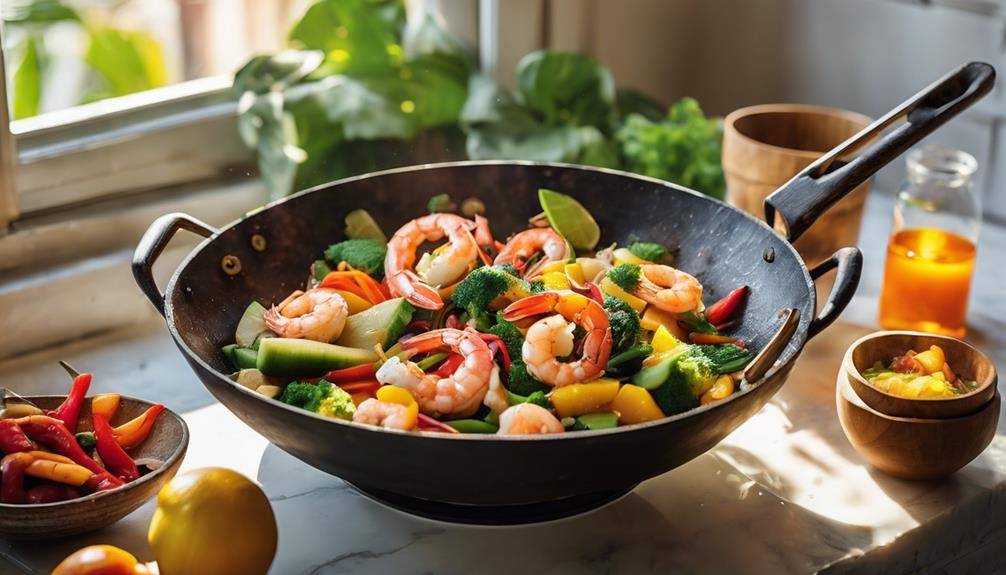
You can experiment with different flavor combinations by pairing coconut oil with spices like ginger, garlic, or chili. For instance, when you stir-fry shrimp or chicken, the oil enhances the dish's overall taste while adding a tropical flair. It works wonders in curries and stir-fries, seamlessly blending with aromatic ingredients.
Moreover, coconut oil isn't limited to savory dishes. You can use it in baking, too. Try replacing butter in your favorite recipes for cookies or cakes, and enjoy the added richness and moisture. With its versatility, you can easily adapt your cooking style, making coconut oil a staple in your kitchen. So, go ahead, release your creativity, and explore the endless possibilities that coconut oil brings to your culinary adventures!
High Heat Stability
With a high smoke point of around 350°F (177°C), coconut oil stands out as an exceptional choice for high-heat cooking. This stability makes it a reliable option when you're using various cooking techniques like stir-frying, sautéing, or even roasting. Unlike some oil alternatives that break down and lose their nutritional value at high temperatures, coconut oil maintains its integrity, allowing you to enjoy the full benefits of its healthy fats.
When you're in the kitchen, you want to focus on flavor and technique without worrying about your oil smoking or imparting an unpleasant taste to your dish. Coconut oil not only withstands high heat but also adds a subtle coconut flavor that can enhance many meals. Whether you're searing meat, cooking vegetables, or preparing a curry, you'll find its versatility shines through.
Storing Coconut Oil Properly
To keep your coconut oil fresh and effective, proper storage is vital. The way you store coconut oil can greatly impact its quality and longevity. First and foremost, consider the ideal temperature for storage. Coconut oil remains solid at cooler temperatures and becomes liquid when it's warm. Ideally, you should store it in a cool, dark place, away from direct sunlight and heat sources. A pantry or cupboard works well, as long as it's not near the stove or oven.
Using an airtight container is also important for effective coconut oil storage. Glass jars are a great option since they're non-reactive and help prevent any contamination. If you're using a plastic container, make sure it's BPA-free to avoid harmful chemicals leaching into the oil. Always verify the container is tightly sealed to keep moisture and air out, which can lead to rancidity.
If you live in a particularly warm climate, consider refrigerating your coconut oil to maintain its solid state. Just remember that refrigeration may make it more challenging to scoop out the oil when you need it; a quick warm-up on the counter or in your hands can solve this.
Common Myths About Coconut Oil
Many people hold misconceptions about coconut oil that can lead to confusion about its uses and benefits. One common myth is that all fats are bad for you, and consequently, coconut oil should be avoided. However, this perspective overlooks the importance of healthy fats in your diet. Coconut oil contains medium-chain triglycerides (MCTs), which can provide quick energy and may even support weight management.
Another prevalent health misconception is that coconut oil clogs arteries and causes heart disease. While it's true that coconut oil is high in saturated fats, research suggests that the type of saturated fat in coconut oil may not have the same negative effects as those found in processed foods. In fact, some studies indicate that coconut oil can raise HDL (good) cholesterol levels.
You might also hear that coconut oil is unsuitable for cooking due to its low smoke point. This is another of those coconut oil myths. Coconut oil is stable at high temperatures, making it a great option for frying and sautéing.
Additionally, some people believe that coconut oil is only beneficial for cooking, but it has numerous uses beyond the kitchen. From skin moisturizer to hair conditioner, its versatility is often underestimated.
How to Use Coconut Oil
How can you make the most of coconut oil in your daily routine? First off, consider using it as a cooking oil alternative. Coconut oil has a high smoke point, making it perfect for various cooking techniques like stir-frying, sautéing, and baking. When you're ready to cook, simply replace your regular oil with coconut oil. It'll add a subtle sweetness and richness to your dishes.
You can also use coconut oil for high-heat cooking. Unlike some oil alternatives that might break down at higher temperatures, coconut oil remains stable, preserving its nutrients. So, whether you're making a vegetable stir-fry or searing meat, it's a reliable choice.
Beyond cooking, don't overlook coconut oil's versatility in your daily routine. Use it as a natural moisturizer for your skin or as a hair conditioner. Massage it into your scalp for added hydration, or apply it to your ends to reduce frizz. It's also great for oil pulling, a technique that promotes oral health. Just swish a tablespoon of coconut oil in your mouth for about 10-20 minutes before brushing your teeth.
Lastly, get creative! Incorporate coconut oil into your smoothies or coffee for a delicious energy boost. By integrating coconut oil into your cooking and wellness practices, you can enjoy its numerous benefits while exploring exciting oil alternatives. Embrace this fantastic oil and elevate your culinary experience!
Recipes to Try With Coconut Oil
Experimenting with coconut oil in your cooking can lead to delicious and unique dishes that wow your taste buds. One great way to start is by making coconut oil stir fries. The rich taste of coconut oil adds a delightful twist to your favorite stir-fried vegetables and proteins. Try sautéing bell peppers, broccoli, and snap peas in coconut oil, then toss in some shrimp or chicken for a satisfying meal.
For a tropical flavor combination, consider adding pineapple chunks and a splash of soy sauce to your stir fry. The sweetness of the pineapple balances perfectly with the savory elements, creating a dish that transports you to a sunny beach. You can also experiment with different spices like ginger and garlic to enhance the tropical profile further.
Another recipe to try is a coconut oil fried rice. Start with day-old rice, adding in your choice of veggies and proteins. Use coconut oil instead of traditional oils for frying, and finish with a sprinkle of toasted coconut for added texture and flavor.
Don't forget about breakfast! You can use coconut oil to make a tropical-inspired omelet. Whisk eggs, then add diced tomatoes, spinach, and feta cheese. Cook it all in coconut oil for a unique start to your day.
Click Here and Turn Every Masterpiece into a Showstopper!
Frequently Asked Questions: Stir-Frying With Coconut Oil Benefits
Can Coconut Oil Be Reused After Stir-Frying?
Yes, you can reuse coconut oil after stir-frying, but make certain it's filtered properly. Monitor the cooking temperature during use, as overheating can degrade the oil, affecting its flavor and health benefits for future dishes.
Is Coconut Oil Suitable for Vegan Cooking?
Absolutely, coconut oil's perfect for vegan cooking! Its unique flavor enhances vegan recipes, and its nutrition profile includes healthy fats. You'll find it versatile for various dishes, from sautéing to baking, making it a fantastic choice.
How Does Coconut Oil Compare to Olive Oil in Stir-Frying?
When you compare coconut oil to olive oil for stir-frying, consider their health benefits and smoke point. Coconut oil has a higher smoke point, making it ideal for high-temperature cooking without compromising its nutritional value.
Does Coconut Oil Affect the Texture of Vegetables?
Yes, coconut oil can affect vegetable texture. It enhances vegetable crispiness while minimizing oil absorption, allowing you to enjoy a lighter, crunchier bite. You'll notice the difference in both taste and texture when you stir-fry.
Can I Combine Coconut Oil With Other Oils for Stir-Frying?
Yes, you can combine coconut oil with other oils for stir-frying. Mixing oils can enhance flavor and cooking temperature control. Just make certain the oil blends have similar smoke points to avoid burning during cooking.

Conclusion
Incorporating coconut oil into your stir-frying routine can elevate your dishes while providing numerous health benefits. With its high smoke point and unique flavor, it's a versatile choice for enhancing your meals. By debunking common myths and understanding proper storage, you can make the most of this nutritious oil. So, why not give it a try? Experiment with recipes and enjoy the delicious results of stir-frying with coconut oil today!