How To Poach Chicken Perfectly
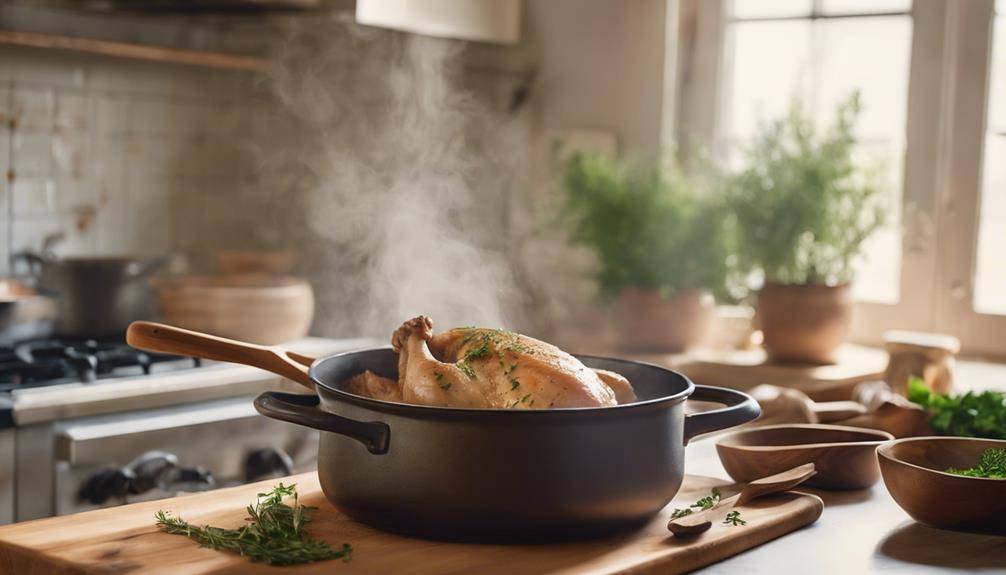
How To Poach Chicken Perfectly: To poach chicken perfectly, start with boneless thighs or skin-on breasts for added moisture. Use a heavy-bottomed pot, adding chicken broth, water, and your choice of aromatics like garlic and herbs. Season your chicken well and bring the liquid to a gentle simmer between 160°F and 180°F. Cook boneless breasts for about 15-20 minutes and bone-in pieces for 25-30 minutes, ensuring it reaches an internal temperature of 165°F. After cooking, allow the chicken to rest, enhancing juiciness. If you're curious about creative serving ideas and common mistakes to avoid, keep exploring!
Click Here and Turn Every Masterpiece into a Showstopper!
Choosing the Right Chicken Cut
When you're ready to poach chicken, choosing the right cut is vital for achieving the best flavor and texture. You've got several options, each with its own unique attributes. Boneless thighs are a fantastic choice; they're juicy and tender, providing a rich flavor profile that enhances your dish. If you prefer a leaner option, skin on breasts can work wonders too. The skin adds a layer of moisture during cooking, keeping the meat succulent.
If you're feeling adventurous, consider using a whole chicken. Poaching it can yield a wonderfully flavorful broth, and you'll have plenty of meat for various meals. When selecting your chicken, don't overlook organic options or free range chicken; these choices often offer better taste and ethical sourcing.
Cut size also plays an important role in the poaching process. If you go with marinated cuts, make sure they're evenly sized for consistent cooking. Smaller pieces cook faster, while larger ones may need a bit more time to become tender.
Essential Equipment for Poaching
To successfully poach chicken, you'll almost always need a few key pieces of equipment. First, a large, heavy-bottomed pot or Dutch oven is necessary. It distributes heat evenly, which is vital for using poaching techniques effectively. A wider pot also allows the chicken to be submerged comfortably, ensuring even cooking.
Next, a thermometer is a must-have kitchen tool. It helps you monitor the water temperature, keeping it at a steady simmer rather than a rolling boil. Ideal poaching occurs between 160°F and 180°F, so having a reliable thermometer allows you to achieve perfectly tender chicken every time.
You'll also want a slotted spoon or tongs. These tools help you gently remove the chicken from the pot once it's cooked without breaking it apart. A cutting board and a sharp knife are necessary for slicing the chicken once it's cooled and ready to serve.
Lastly, consider having a fine-mesh strainer handy. If you're using aromatics in your poaching liquid, this tool allows you to strain them out easily, leaving you with a clean, flavorful broth.
Armed with these essential kitchen tools, you'll be well-prepared to tackle any poaching techniques. With the right equipment, poaching chicken can be a straightforward, rewarding cooking method that yields delicious results. So gather your tools and get ready to create a succulent dish!
Preparing the Poaching Liquid
To prepare the perfect poaching liquid, you'll need a few essential ingredients like water or broth, and some aromatics to add depth. Consider flavoring options such as herbs, spices, and citrus to enhance the chicken's taste. With the right mix, you'll create a deliciously infused poaching liquid that elevates your dish.
Essential Ingredients Needed
For a flavorful poaching liquid, you'll want to gather a few essential ingredients that enhance the chicken's taste while keeping it moist. Start with a good base, like chicken broth or water, but don't stop there. Consider adding aromatics such as onions, garlic, and celery to build depth. These ingredients work well with various poaching techniques, elevating the overall dish.
Next, think about herbs and spices. Fresh herbs like thyme, parsley, or bay leaves can create delightful flavor profiles. A pinch of salt and pepper goes a long way in enhancing the taste, too. If you enjoy a bit of acidity, a splash of lemon juice or vinegar can brighten the liquid and complement the chicken beautifully.
You might also want to incorporate a splash of white wine, which adds a subtle complexity. Remember, the goal is to create a poaching liquid that infuses the chicken with flavor while ensuring it remains tender and juicy. By carefully selecting these essential ingredients, you'll set the stage for perfectly poached chicken that's both delicious and satisfying.
Flavoring Options Available
When preparing your poaching liquid, you've got plenty of flavoring options at your disposal. Start with a robust base using broth variations like chicken or vegetable stock. For an aromatic kick, consider garlic flavoring and herbs infusion such as thyme, rosemary, or parsley. You can enhance the broth with aromatics enhancement by adding onions, carrots, or celery.
Citrus zesting can brighten the flavor profile, so don't hesitate to add lemon or orange zest. Spice blends, including paprika or a dash of cayenne, offer a subtle heat that can elevate your dish. If you want to introduce some depth, wine additions can bring a richness that pairs beautifully with chicken.
For those who enjoy a hint of sweetness, think about sweet accents like a splash of honey or maple syrup. You can also incorporate umami boosters through mushrooms or soy sauce. Finally, vegetable infusions can provide additional layers of flavor—try simmering with leeks or bell peppers. With these diverse flavoring options, you'll create a poaching liquid that transforms your chicken into a dish worth savoring.
Seasoning Your Chicken
Getting the seasoning right can elevate your poached chicken from plain to extraordinary. The key is to use a combination of herb blends and spice combinations that complement the natural flavor of the chicken. Start by choosing a base for your poaching liquid. A simple combination of water and broth works wonders, but don't hesitate to get creative. You can infuse flavors by adding aromatics like garlic, onions, or ginger.
Next, consider the herb blends. Fresh herbs like thyme, rosemary, or parsley can add a burst of flavor. If you prefer dried herbs, opt for Italian seasoning or Herbes de Provence for a fragrant touch. Toss in a few sprigs or a generous pinch into your poaching liquid to create a delicious aroma that permeates the chicken.
For spice combinations, think about warm spices like paprika, cumin, or coriander. These can add depth and warmth to your dish. A pinch of red pepper flakes can introduce a subtle heat, if you like a bit of kick.
Don't forget to season the chicken itself. Rubbing some salt and pepper directly onto the chicken before poaching helps guarantee every bite is flavorful. You can even marinate the chicken in your chosen herbs and spices for an hour or so before cooking for an extra boost of flavor.
The Ideal Cooking Temperature
To poach chicken perfectly, you need to pay attention to the cooking temperature. Aim for a range between 160°F and 180°F for ideal results, as accuracy is key to achieving tender, juicy meat. Using a thermometer will help you hit that sweet spot every time.
Recommended Temperature Range
The ideal cooking temperature for poaching chicken falls between 160°F and 180°F. This range guarantees that your chicken cooks evenly while retaining moisture and flavor. When using poaching techniques, sticking to these temperature guidelines will prevent the chicken from becoming dry or rubbery.
At 160°F, you'll get tender, juicy chicken that's fully cooked yet still moist. If you prefer a slightly firmer texture, aim for around 180°F. Just remember, the longer you keep the chicken in the water, the more tender it will become, so adjust your cooking time based on your desired doneness.
To maintain this temperature range, use a reliable kitchen thermometer. It's essential for achieving the perfect poached chicken. If you notice the water temperature rising too high, reduce the heat. Conversely, if it dips below 160°F, you may need to increase the heat slightly.
Importance of Accuracy
Achieving the perfect poached chicken hinges on accuracy in temperature control. When you poach chicken, you're using gentle cooking techniques that require precision. The ideal cooking temperature ranges between 160°F to 180°F. Staying within this range guarantees that your chicken remains tender and juicy while allowing the flavors to develop fully. If you stray too far from this temperature, you risk overcooking or undercooking your chicken, which can compromise its texture and flavor profiles.
Using a Thermometer
Using a thermometer is essential for ensuring your poached chicken reaches the ideal cooking temperature. You want your chicken to be fully cooked but still tender and juicy, and the best way to achieve that is through accurate temperature monitoring. A reliable thermometer helps you avoid the guesswork.
Before you start cooking, make sure your thermometer is properly calibrated. If it's off, you could end up undercooking or overcooking your chicken. To calibrate, immerse the thermometer in ice water; it should read 32°F (0°C). If it doesn't, adjust it according to the manufacturer's instructions.
Once you begin poaching, insert the thermometer into the thickest part of the chicken, avoiding any bones. Your target temperature for perfectly poached chicken is 165°F (74°C). Keep an eye on the thermometer and adjust the heat as needed to maintain a gentle simmer, ensuring the chicken cooks evenly.
As you monitor the temperature, remember that removing the chicken from the heat while it's a few degrees below your target can lead to perfectly cooked meat. The residual heat will continue cooking it, giving you that juicy, tender result you're after.
Timing for Perfectly Poached Chicken
Perfectly poached chicken hinges on getting the timing just right. To achieve succulent, tender meat, you need to master timing techniques that suit your chicken's size and thickness. Generally, boneless chicken breasts will take about 15 to 20 minutes to poach, while bone-in pieces can require 25 to 30 minutes. If you're using larger cuts, you might need to extend the time a bit more, so always consider your specific chicken's dimensions.
To help you gauge the right timing, keep an eye on the water temperature. You want it to be at a gentle simmer, not a rolling boil. A too-hot pot can lead to uneven cooking, so adjust the heat as necessary. Remember, poaching is a slow process, and patience is key.
In addition to timing, be aware of doneness indicators. One important sign is the color of the meat; it should turn from pink to a pale, opaque white. You can also gently press on the chicken; if it feels firm and springs back, it's likely done. Keep in mind that carryover cooking will occur, so you might want to remove the chicken from the water just before it's fully cooked to prevent it from becoming dry.
Click Here and Turn Every Masterpiece into a Showstopper!
Checking for Doneness
After timing your poaching process, it's important to check for doneness to confirm your chicken is safe and tasty to eat. Start by examining the chicken for visual cues. The meat should have a uniform color throughout. If you see any pink, it's a sign that it needs more cooking time. The juices should run clear when you cut into the thickest part of the chicken, indicating it's fully cooked.
Next, perform a texture check. Gently press the chicken with a fork or your finger. Cooked chicken should feel firm yet slightly springy. If it feels mushy or overly soft, it may not be properly cooked. Also, feel the surface; a cooked chicken should have a slight resistance.
Using a meat thermometer is another reliable method to confirm doneness. Insert it into the thickest part of the chicken without touching the bone. The internal temperature should reach 165°F (75°C) to confirm it's safe to eat.
Cooling and Storing Techniques
Once you've poached your chicken, it's vital to cool it down properly to maintain its freshness. You'll want to use the right storage containers to keep it safe, and knowing how to freeze it can extend its shelf life appreciably. Let's explore the best methods to guarantee your chicken stays delicious and ready for your next meal.
Cooling Methods Explained
Cooling chicken properly after poaching is essential to maintaining its flavor and texture. One effective method is to use an ice bath. After you've removed the chicken from the poaching liquid, immediately transfer it to a bowl filled with ice and cold water. This rapid cooling helps stop the cooking process, preventing the chicken from becoming overcooked and dry.
Make sure the chicken is fully submerged, and let it sit in the ice bath for about 10-15 minutes. This not only cools the chicken quickly but also locks in moisture.
Once the chicken is cool, you can allow it to rest for a short period. This resting period lets the juices redistribute, ensuring that each bite remains juicy and flavorful.
Avoid leaving the chicken at room temperature for too long, as this can lead to food safety issues. After it's cooled and rested, it's ready to be stored or used in your favorite recipes. Remember, proper cooling is key to enjoying perfectly poached chicken later on!
Storage Containers Recommended
Choosing the right storage containers is crucial for keeping your poached chicken fresh and flavorful. Glass containers are a fantastic option as they're non-toxic, durable, and won't absorb odors. They're also perfect for meal prep, allowing you to see your food at a glance. If you prefer lightweight options, BPA-free plastic containers work well too, especially for on-the-go lunches.
For ideal food safety, consider vacuum sealing your poached chicken. This method removes air, extending its shelf life and preserving moisture. It's also great for portion control, letting you store individual servings without waste.
If you're aiming for eco-friendly storage, look for reusable silicone bags or containers. They're versatile and help reduce plastic waste, making them a sustainable choice.
Remember to label your containers with dates to track freshness. No matter which storage method you choose, make sure your chicken has cooled completely before sealing. This prevents condensation, which can lead to spoilage. With the right containers, you can enjoy your poached chicken throughout the week, whether in a salad, sandwich, or as a main dish!
Freezing Tips and Tricks
After you've properly stored your poached chicken, freezing it can be a great way to extend its shelf life even further. Start by ensuring the chicken is completely cooled before you freeze it. This prevents ice crystals from forming, which can affect the texture. Wrap the chicken tightly in plastic wrap or aluminum foil, or place it in an airtight freezer bag. Be sure to remove as much air as possible to avoid freezer burn.
When you're ready to use your frozen chicken, you have several defrosting methods at your disposal. The safest way is to transfer it to the refrigerator and let it thaw overnight. If you're short on time, you can use the cold water method—just place the sealed bag in cold water, changing it every 30 minutes until defrosted. Alternatively, you can use the microwave's defrost setting, but be cautious as this can partially cook the chicken.
Once thawed, consume your chicken within 1-2 days for the best flavor and safety. With these freezing tips and tricks, you can enjoy your poached chicken even after it's been stashed away in the freezer!
Creative Serving Ideas
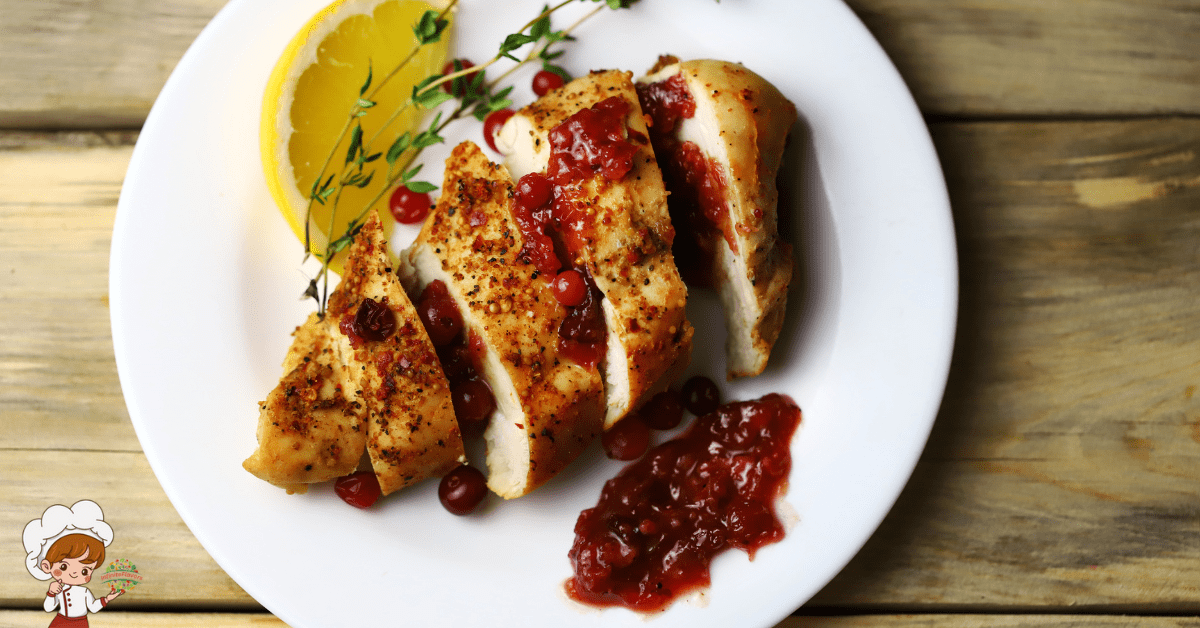
How can you elevate your poached chicken from a simple dish to a standout centerpiece? It all comes down to creative serving ideas that highlight its deliciousness. Start with flavor pairings that enhance the natural taste of the chicken. Consider serving it alongside a vibrant mango salsa or a zesty chimichurri sauce. These toppings not only add color but also bring a burst of freshness that complements the chicken perfectly.
Next, think about your serving styles. Instead of just slicing the chicken and placing it on a plate, try arranging it on a rustic wooden board surrounded by seasonal vegetables and herbs. This not only creates an inviting presentation but also encourages your guests to dig in family-style. Alternatively, you could serve the chicken in individual bowls atop a bed of creamy risotto or quinoa, drizzled with a rich herb-infused oil.
Don't forget about garnishing! Fresh herbs like basil or cilantro can make a world of difference. Sprinkle them on top just before serving for an extra pop of color and flavor. If you're feeling adventurous, consider making a poached chicken salad with crunchy apples, walnuts, and a light vinaigrette, served in lettuce wraps for a fresh and healthy option.
Common Mistakes to Avoid
Poaching chicken might seem straightforward, but a few common mistakes can turn a simple dish into a culinary flop. One of the biggest pitfalls is overcooking chicken. When you let your chicken simmer too long, it can become dry and tough. To avoid this, keep an eye on the cooking time, and use a meat thermometer to check for an internal temperature of 165°F. Removing the chicken from the heat as soon as it reaches this temperature will guarantee it stays juicy and tender.
Another mistake people often make is not using enough salt. While poaching is a gentle cooking method, under-seasoning can lead to bland chicken. The liquid you poach in should be well-seasoned, so don't be shy! Add salt, herbs, and spices to the poaching liquid to enhance the chicken's flavor. Remember, it's easier to adjust seasoning in the liquid than on the chicken itself, so taste as you go.
Additionally, neglecting to let the chicken rest after poaching is another error. Resting allows the juices to redistribute, resulting in more flavorful and moist chicken. Just cover it with foil and let it sit for about 5-10 minutes before slicing.
Benefits of Poaching Chicken
One of the standout benefits of poaching chicken is its ability to retain moisture and flavor. Unlike other cooking methods that can dry out the meat, poaching keeps it juicy and tender, ensuring you get a delicious outcome every time. This is particularly important if you're preparing meals ahead of time; you'll want your chicken to stay flavorful even after being refrigerated.
In terms of health benefits, poaching is a great choice. Since you're cooking the chicken in water or broth without added fats, you're keeping the calorie count low. This method also preserves the protein content, making it an excellent option for those focused on maintaining a healthy diet. You can easily pair poached chicken with fresh vegetables or whole grains for a nutritious meal.
When it comes to meal prep, poached chicken is incredibly versatile. You can use it in salads, sandwiches, or stir-fries, and it's equally delicious cold or hot. Cooking a batch of poached chicken at the beginning of the week means you'll have a convenient protein source ready to go, saving you time and effort during busy days.
Plus, since poaching is a simple process, you won't need to fuss over complicated techniques. With just a few ingredients and some water, you can whip up perfectly poached chicken that elevates any dish. So, give poaching a try and enjoy the flavorful, health-conscious benefits it brings to your meals!
Click Here and Turn Every Masterpiece into a Showstopper!
Frequently Asked Questions: How To Poach Chicken Perfectly
Can I Poach Frozen Chicken, and How Does It Affect Cooking Time?
You can poach frozen chicken, but it'll take longer than fresh. Using proper poaching techniques, increase the cooking time by about 50%. Make sure the chicken reaches a safe internal temperature for best results.
Is It Safe to Reuse Poaching Liquid for Other Dishes?
Yes, you can reuse poaching liquid for other dishes. It adds a great flavor infusion to soups and sauces. Just make sure to strain it and store it properly to maintain its freshness and safety.
Can I Poach Chicken With Skin On?
Yes, you can poach chicken with skin on. The skin adds flavor and moisture, enhancing your dish. Use gentle poaching techniques to retain the skin's benefits while ensuring the meat remains tender and juicy.
How Do I Prevent Chicken From Becoming Rubbery?
To prevent chicken from becoming rubbery, avoid overcooked chicken by using tenderizing techniques. Try marinating, brining, or cooking at lower temperatures to keep it juicy and flavorful, ensuring a delicious meal every time.
What Herbs and Spices Work Best for Poaching Chicken?
To enhance your poached chicken, try herb combinations like thyme and rosemary, or spice blends featuring paprika and garlic. These flavors infuse the meat, keeping it tender and delicious while elevating your dish to new heights.

Conclusion
To sum up, poaching chicken is a simple, healthy way to enjoy this versatile protein. By choosing the right cut, preparing a flavorful poaching liquid, and following the ideal cooking temperature, you'll achieve perfectly tender chicken every time. Don't forget to think creatively about serving and storing your dish! With a few tips to avoid common mistakes, you'll impress everyone at the table. Now, go ahead and enjoy your delicious poached chicken!