Best Techniques For Poaching Eggs
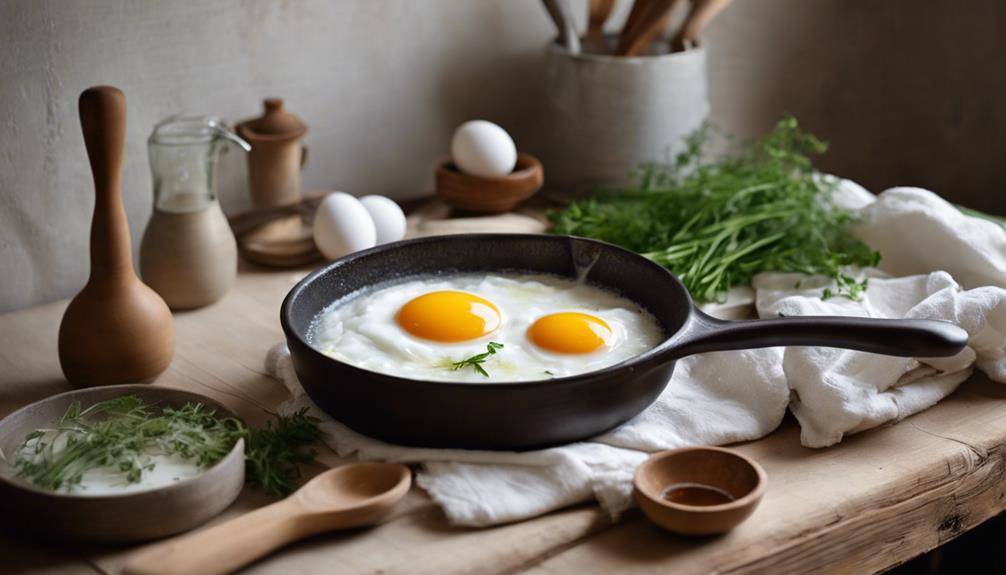
Best Techniques For Poaching Eggs: To poach eggs perfectly, start with the freshest eggs you can find; they'll yield firmer yolks and tender whites. Use a deep saucepan filled with three inches of water, bringing it to a gentle simmer. Adding a splash of vinegar helps the whites hold their shape. Create a whirlpool in the water before gently sliding in the eggs; this keeps the whites contained. Cook for three to four minutes for runny yolks. Remember to time your poaching carefully and season the finished eggs to your liking. Stick around to explore additional techniques that can enhance your poaching skills!
Click Here and Turn Every Masterpiece into a Showstopper!
Choosing the Right Eggs
When it comes to poaching eggs, selecting the right eggs is vital for achieving that perfect, runny yolk and tender whites. You'll want to take into account whether to choose organic or conventional eggs. Organic eggs often come from hens that are raised in better conditions, fed organic feed, and have access to outdoor spaces. This can result in richer flavor and vibrant yolks, which can elevate your poached eggs. Conventional eggs, while often more affordable, may lack the same quality and flavor.
Next, think about egg freshness. The fresher your eggs, the better the poaching results. Fresh eggs have a tighter albumen, which means they'll hold their shape better in the water. You can check the freshness by placing an egg in a bowl of water; if it sinks, it's fresh, but if it floats, it's past its prime.
Proper egg storage is also essential. Keep your eggs in the refrigerator to maintain their freshness and quality. If you buy in bulk, remember that eggs can last for several weeks when stored properly. It's a good idea to avoid washing eggs before storing them, as this can remove the protective coating and lead to quicker spoilage.
Ultimately, whether you opt for organic or conventional eggs, prioritizing freshness and proper storage will guarantee that your poached eggs turn out beautifully every time.
Preparing Your Equipment
Before you start poaching eggs, make sure you have the essential tools ready, like a deep saucepan and a slotted spoon. Remember, the water temperature is vital for achieving that perfect poached egg texture. With the right equipment and temperature, you're set for success!
Essential Tools Needed
Gathering the right tools is vital for successfully poaching eggs. First, you'll need a deep saucepan or skillet. A wide, shallow pan allows the eggs to float freely, making it easier to achieve that perfect poached texture. You should also have a slotted spoon ready to gently lift the eggs out of the water once they're cooked.
Next, consider using an egg poacher or silicone molds if you want an extra level of convenience. These tools help shape the eggs and can simplify the process, especially if you're trying different poaching techniques.
Don't forget a timer. Timing is essential for poaching eggs; a simple kitchen timer or your smartphone will do the trick.
Lastly, make certain your eggs are fresh for the best results. Proper egg storage in the fridge can keep them fresh longer, which is key when poaching. Fresh eggs hold their shape better in water, leading to a more visually appealing dish. With these vital tools ready, you'll be well-equipped to master the art of poaching eggs!
Water Temperature Importance
The water temperature plays an essential role in the poaching process, as it directly affects how the eggs cook. Ideally, you want the water to be just below boiling, around 180°F to 190°F (82°C to 88°C). This temperature range guarantees that the egg whites set properly while the yolk remains runny, giving you perfect poaching results. If the water's too hot, the eggs will break apart and become rubbery. Too cool, and they won't cook through.
To prepare your equipment, use a deep saucepan or skillet to maintain a consistent temperature. Fill it with enough water to submerge the eggs, and bring it to the desired temperature using a thermometer for accuracy. Once the water's ready, you can add a splash of vinegar, which helps the egg whites coagulate more quickly.
Keep an eye on the temperature as you poach. If it starts to boil, lower the heat to maintain that ideal range. By controlling the water temperature, you'll enhance your poaching technique and achieve consistently delicious results. Trust me, mastering this element is key to perfecting your poached eggs!
The Classic Water Method
To master the classic water method for poaching eggs, you'll need a few essential pieces of equipment and a clear process. Start by gathering a pot, water, and a slotted spoon for easy retrieval. Once you've got everything ready, you're set to create perfectly poached eggs.
Equipment Needed
When you're ready to poach eggs using the classic water method, having the right equipment makes all the difference. First, you'll need a deep saucepan or skillet. A wider pan allows for more water and space for your eggs, reducing the risk of overcrowding. Next, a slotted spoon is essential for gently lifting your poached eggs out of the water without breaking them.
Don't forget a timer! Poaching eggs requires precision, and timing is vital to avoid those common poaching myths about overcooked eggs. You'll also want to have a small bowl handy to crack your eggs into before gently sliding them into the simmering water. This step not only helps you avoid shell fragments but also allows you to check the freshness of your eggs.
While there are alternative techniques for poaching, like using a microwave or silicone molds, the classic method remains a favorite for its simplicity. With the right tools, you'll master the art of poaching in no time, ensuring perfectly cooked eggs every time. So, gather your equipment, and get ready to elevate your breakfast game!
Poaching Process Steps
With your equipment ready, it's time to get started on poaching your eggs using the classic water method. First, fill a saucepan with about three inches of water and bring it to a gentle simmer over medium heat. You want tiny bubbles rising, not a rolling boil, which can break your eggs apart.
Next, crack your eggs into separate small bowls or ramekins. This helps you avoid any shells and makes it easier to slide them into the water. To tackle poaching myths, remember that adding a splash of vinegar to the water can help the egg whites coagulate faster, but it's not mandatory.
Once the water's simmering, create a gentle whirlpool by stirring the water with a spoon. Carefully slide one egg into the center of the whirlpool. Repeat with the other eggs, giving them enough space to float without touching. Cook for about three to four minutes for runny yolks or longer for firmer yolks, depending on your egg varieties.
Adding Vinegar for Better Results
Adding vinegar to your poaching water can greatly enhance the quality of your eggs. The acidity of vinegar helps the egg whites coagulate more quickly, resulting in a firmer and more visually appealing poached egg. When you add vinegar, you'll notice that the whites stay close to the yolk, creating a neat package rather than a wispy mess. This is one of the key vinegar benefits that every home cook should take advantage of.
To use vinegar effectively, simply add about a tablespoon to your poaching water. You don't need to go overboard; too much vinegar can overpower the delicate egg flavor. It's best to choose a mild vinegar, like white wine vinegar or apple cider vinegar, which can add a subtle tang without overwhelming the dish. You'll appreciate how the slight acidity rounds out the overall taste, making your poached eggs even more delightful.
Another great tip is to combine vinegar with the right water temperature. Bringing the water to a gentle simmer before adding your eggs guarantees they cook evenly. The combination of the right temperature and vinegar will give you that perfect poached egg you're aiming for.
Using a Poaching Pan
Using a poaching pan can simplify the process of making perfectly poached eggs, especially after you've mastered the vinegar technique. These specialized pans feature multiple shallow cups designed to hold individual eggs, which allows for even cooking and a streamlined approach to poaching. You'll find that this method greatly reduces the mess often associated with traditional poaching techniques.
To start, fill the poaching pan with water and bring it to a gentle simmer. You don't want a rolling boil, as that can break apart the eggs. Once the water's ready, crack your eggs into the individual cups of the pan. If you prefer, you can lightly grease the cups with non-stick spray to prevent sticking.
One of the biggest benefits of using a poaching pan is the ability to poach multiple eggs at once without worrying about them crowding together. This is particularly helpful when entertaining guests or preparing a brunch. Different egg varieties, such as duck or quail eggs, can also be used in this pan, giving you the flexibility to experiment with flavors and textures.
Once the eggs are cooked to your desired doneness—usually about three to four minutes—you can easily lift them out with a slotted spoon. If you want to add a little flair, serve them on toast or atop a salad. With a poaching pan, you'll find that achieving the perfect poached egg becomes much more manageable and enjoyable.
The Swirling Water Technique
To master the swirling water technique, you need to prepare your water carefully to create the right motion. Egg freshness plays a vital role in achieving that perfect poach, so don't overlook it. Timing and control are essential, as they'll help you avoid overcooking and guarantee a delicious result.
Preparing the Water
The key to mastering the swirling water technique for poaching eggs lies in the preparation of your water. Start by filling a medium-sized pot with at least three inches of water; this depth guarantees that your eggs have enough space to cook evenly without touching the bottom. Bring the water to a gentle simmer—too much boiling can disrupt the egg whites.
Next, add a pinch of salt to the water. A light salt concentration not only enhances the flavor of your eggs but also helps to firm up the egg whites, making them less likely to disperse in the water. Stir the water gently to create a whirlpool effect; this motion helps keep the egg whites together when you add them, resulting in a more aesthetically pleasing poached egg.
Once your water is prepared, you'll be ready to introduce the eggs. Take care to crack them into a small bowl first, allowing for a smooth transfer into the swirling water. This preparation sets the stage for perfectly poached eggs, showcasing your technique and effort.
Egg Freshness Importance
Fresh eggs are essential for achieving the best results with the swirling water technique when poaching. The quality of your eggs greatly impacts how well they hold together during cooking. Freshness indicators, such as a firm, rounded yolk and a thick white, show you're working with eggs that will create beautifully poached results.
When you store your eggs, keep them in their original carton in the coldest part of your refrigerator. This helps maintain their freshness and prevents them from absorbing odors from other foods. You can also perform a simple water test: place the egg in a bowl of water. If it sinks and lays flat on the bottom, it's fresh. If it stands upright or floats, it's better to toss it.
Using fresh eggs with the swirling water technique lets you achieve that perfect poached egg look—smooth, round, and without frayed edges. The fresher your eggs are, the easier it'll be to create that ideal poached texture. So, always prioritize egg freshness for the best poaching experience!
Timing and Control
Mastering the swirling water technique for poaching eggs relies heavily on timing and control. To start, bring a pot of water to just below boiling. Once you see small bubbles forming, it's time to apply your timing techniques. You want the water to have a gentle whirlpool effect before adding your egg. This swirling motion helps the egg white wrap around the yolk, creating a beautifully shaped poached egg.
Now, let's talk control methods. Crack your egg into a small bowl first for precision. Then, with a spoon or spatula, stir the water to create the whirlpool. Gently slide the egg from the bowl into the center of the swirl. It's essential to maintain the right temperature; too hot, and you'll have a rubbery egg, too cool, and it won't set properly.
Timing is key here. Aim for about three to four minutes of cooking time for a soft yolk. Use a slotted spoon to remove the egg, letting any excess water drain off. With practice, you'll find the perfect balance of timing and control for poaching eggs like a pro!
Microwave Poaching Method
Microwaving eggs can be a quick and convenient way to enjoy perfectly poached eggs without the fuss of traditional methods. To get started, you'll need a microwave-safe bowl and some water. Fill the bowl with about half an inch of water, then crack an egg into the water, ensuring the yolk is intact. Cover the bowl with a microwave-safe plate or lid to avoid splattering.
When it comes to microwave safety, always use containers that are labeled as microwave-safe. This prevents any harmful chemicals from leaching into your food and keeps your kitchen mess-free. Set your microwave to medium power and cook the egg for about 50-60 seconds. You may need to adjust the time based on your microwave's wattage and your desired egg texture.
After cooking, let the egg sit in the water for about a minute to finish poaching with residual heat. Carefully remove the bowl from the microwave, as it can be hot. Use a slotted spoon to gently lift the egg out of the water. If you prefer a firmer texture, you might need to increase the cooking time slightly.
This method yields a delicious poached egg with a runny yolk and tender whites, perfect for topping on toast or adding to salads. With a little practice, you'll master the microwave poaching method and enjoy perfectly cooked eggs in no time!
Click Here and Turn Every Masterpiece into a Showstopper!
Baking for Poached Eggs
Baking poached eggs is a unique technique that delivers a beautifully cooked result with minimal effort. This method allows you to achieve that perfect, tender white and runny yolk without the hassle of boiling water. You'll appreciate how simple it is to create an impressive breakfast or brunch dish using basic baking techniques.
Start by preheating your oven to 350°F (175°C). Use a muffin tin or a baking dish to hold your eggs. If you're looking for egg alternatives, you can also use silken tofu or aquafaba for a plant-based option. Lightly grease the cups with cooking spray or a bit of oil to prevent sticking. Crack an egg into each cup, or pour in your chosen egg alternative. For added flavor, sprinkle some salt, pepper, or herbs on top.
Next, add a bit of water to the bottom of the baking dish—about half an inch deep. This will create steam and help cook the eggs evenly. Cover the dish tightly with aluminum foil and place it in the oven. Bake for about 12-15 minutes, checking for your desired doneness.
Once they're done, carefully remove the eggs from the oven and let them cool for a minute. Use a spoon to gently lift the eggs out of the cups. Baking poached eggs is not only easy but also allows for a hands-off approach, giving you more time to focus on your sides or enjoy your morning coffee. Enjoy your perfectly poached eggs!
Steaming Eggs for Poaching
Steaming eggs is a fantastic method for poaching that results in tender whites and perfectly runny yolks with minimal fuss. This technique utilizes steam to gently cook the eggs, allowing for a controlled environment that preserves their delicate textures. You'll find that steaming methods can vary, but the essentials remain the same.
To get started, fill a pot or a deep skillet with about an inch of water. Place a steamer basket or a heatproof plate over the water, ensuring it doesn't touch the liquid. Bring the water to a simmer. While the water heats, crack your eggs into small ramekins or cups. When the steam starts rising, carefully pour the eggs into the steamer basket or onto the plate. Cover the pot with a lid to trap the steam.
Let the eggs steam for about 5 to 7 minutes, depending on how runny you want your yolks. You'll notice the egg whites become opaque and firm while the yolks remain perfectly soft. This method is not only efficient but also minimizes any risk of overcooking, giving you that ideal egg texture you crave.
Once done, gently slide a spatula under the eggs and transfer them to a plate. Season with salt, pepper, or your favorite toppings, and enjoy the satisfying results of your steaming efforts! This technique is sure to impress anyone who loves perfectly poached eggs.
Tips for Freshness and Quality
When it comes to poaching eggs, freshness and quality are key to achieving the best results. To guarantee you've got the freshest eggs, start by checking their storage conditions. Ideally, you should store your eggs in the refrigerator, where they'll stay fresh longer. Make sure they're kept in their original carton to prevent absorption of strong odors and flavors from other foods.
Look for freshness indicators when choosing eggs. One reliable test is the water float test. Fresh eggs will sink and lay flat on the bottom, while older eggs will stand upright or float. This floating occurs because older eggs lose moisture and air enters the shell, making them less dense. If you notice any unpleasant smells when cracking an egg, it's best to discard it.
Another way to gauge freshness is by inspecting the yolk and egg white once you crack the egg open. A fresh egg will have a bright, rounded yolk that sits high, while the egg white will be thick and slightly cloudy. If the yolk breaks easily or the white spreads out too much, that's a sign the egg isn't as fresh.
Timing Your Poach Perfectly
To get the perfect poached egg, you need to pay attention to water temperature and cooking time. Keeping the water at the right heat and timing your cook accurately makes all the difference. Don't forget to use a timer to guarantee you hit that sweet spot every time!
Ideal Water Temperature
Achieving the perfect poached egg hinges on maintaining the ideal water temperature. Generally, you want your water to be just below boiling, around 180°F to 190°F (82°C to 88°C). This temperature range allows the egg to cook gently, ensuring that the whites set while the yolk remains runny. If the water's too hot, the egg whites will become tough and rubbery, ruining your poach.
Before you begin, make sure your eggs are at room temperature. Cold eggs can lower the water temperature and affect how they cook. When you add your eggs, consider the water acidity as well. Adding a splash of vinegar can help the proteins in the egg whites coagulate more quickly, leading to a neat and tidy poach. However, be careful not to overdo it. Too much vinegar can alter the flavor of your eggs.
As you prepare, keep an eye on your water temperature. A thermometer can be a handy tool, but you can also gauge it by watching for small bubbles forming on the bottom of the pot without a full boil. This balance will lead you to the perfect poached egg every time.
Cooking Time Guidelines
Timing is essential for a perfectly poached egg, and typically, you'll want to cook it for about three to five minutes. The exact time can vary based on your desired egg doneness indicators. For a runny yolk, aim for around three minutes; if you prefer it slightly firmer, five minutes will do the trick.
Keep in mind that poaching temperature variations can affect your cooking time. If your water is at a gentle simmer (around 180°F to 190°F), you'll find that eggs cook more evenly. If the temperature drops, you might need to extend the cooking time slightly, while a higher temperature could lead to overcooking.
To check for doneness, gently lift the egg using a slotted spoon. The whites should be set but tender, and the yolk should still jiggle slightly if you want that runny center. Remember, practice makes perfect; you might need a few tries to hit the ideal timing for your taste. Once you master it, you'll enjoy consistently delicious poached eggs every time!
Using a Timer
When you're aiming for poached perfection, using a timer can make all the difference. Mastering timer techniques will elevate your egg poaching game and guarantee consistent results every time. First, decide how runny or firm you want your yolk. For soft poached eggs, set your timer for about 4 minutes; for medium, go for 5 to 6 minutes.
After you've placed the egg gently into the simmering water, start your timer immediately. This timing tip is vital—waiting too long can lead to overcooked eggs, while rushing can result in a raw center.
While your egg cooks, resist the urge to lift the lid or peek, as this can disrupt the water's temperature. Instead, trust your timer. When it goes off, use a slotted spoon to gently lift the egg out, and let it drain before serving.
Seasoning Your Poached Eggs
Seasoning your poached eggs can elevate their flavor, making them a delightful addition to any meal. While poached eggs are delicious on their own, adding the right seasoning options can transform them into a culinary masterpiece. Start simple with salt and pepper; a sprinkle of sea salt and freshly cracked black pepper can enhance the egg's natural taste without overwhelming it.
If you want to explore flavor enhancements, consider fresh herbs like chives, dill, or parsley. Chopped herbs add a burst of freshness and color, making your dish visually appealing. For a kick, try a dash of cayenne pepper or a drizzle of hot sauce. These spices bring heat and complexity, perfect for those who enjoy bold flavors.
Another great option is to incorporate a sprinkle of cheese. Feta or Parmesan can add a rich, savory depth that pairs wonderfully with the creamy texture of the egg. Alternatively, consider flavored oils, like truffle or garlic oil, for an aromatic finish that elevates the dish even further.
Lastly, don't forget about acid. A squeeze of lemon juice or a splash of vinegar can brighten the flavor and cut through the richness of the egg. Experimenting with these seasoning options allows you to customize your poached eggs to suit your taste preferences, ensuring that each bite is full of flavor. So, next time you poach an egg, think about how you can season it to truly make it shine!
Serving Suggestions and Combinations
Poached eggs can shine on their own, but pairing them with the right accompaniments can create a memorable meal. For breakfast ideas, consider serving them atop a slice of toasted sourdough or whole grain bread. This toast variation provides a hearty base and absorbs the delicious runny yolk. You can elevate this dish with avocado combinations by smashing ripe avocado on the toast, adding a sprinkle of salt and pepper for extra flavor.
If you're in the mood for something lighter, poached eggs make excellent salad toppings. Toss together mixed greens, cherry tomatoes, and a light vinaigrette, then crown it with a perfectly poached egg. The yolk creates a rich dressing that complements the freshness of the salad.
For a satisfying brunch recipe, think about incorporating protein additions like smoked salmon or crispy bacon. These flavor pairings enhance the overall dish and provide a delightful contrast to the egg's creaminess.
Don't forget about sauce suggestions! A drizzle of hollandaise or a spicy sriracha sauce can add a kick to your poached eggs, making them even more enticing.
Lastly, finish your dish with seasoning options and herb garnishes. A dash of paprika, chives, or fresh dill can elevate the presentation and add depth of flavor. By experimenting with these combinations, you'll create wonderful meals that highlight the versatility of poached eggs.
Troubleshooting Common Issues
Even the most experienced cooks can encounter issues while poaching eggs. If your eggs have a rubbery or uneven egg texture, you might be cooking them for too long or at too high a temperature. Aim for a gentle simmer to preserve that delicate yolk consistency.
One common poaching failure involves white separation. If the whites disperse too much in the water, try adding a splash of vinegar to the poaching liquid. This can help the whites coagulate more quickly, resulting in a neater appearance.
When it comes to flavor enhancement, don't forget to season your eggs before serving. A sprinkle of salt and pepper can elevate the taste considerably. If you've poached a batch ahead of time and need to reheat them, use a gentle reheating method like placing them in warm water for a few minutes. This helps maintain the perfect serving temperature without overcooking.
Different egg varieties can also influence your poaching experience. For instance, farm-fresh eggs tend to hold their shape better than older ones. If you're trying to achieve a specific texture, experiment with various types to find what works best for you.
Click Here and Turn Every Masterpiece into a Showstopper!
Frequently Asked Questions: Best Techniques For Poaching Eggs
Can I Poach Eggs Using Frozen Eggs?
Yes, you can poach eggs using frozen eggs. Just thaw them properly before starting. Use your favorite poaching techniques, ensuring the water's at the right temperature for a perfectly cooked, delicious result. Enjoy your meal!
How Can I Tell if an Egg Is Fresh?
To determine egg freshness, check the expiration date and storage conditions. Perform a float test—fresh eggs sink. Inspect the shell for cracks and observe the yolk color; vibrant yolks indicate freshness.
Is It Safe to Eat Runny Poached Eggs?
Yes, it's generally safe to eat runny poached eggs if you use pasteurized eggs. For added runny yolk safety, make certain they're cooked properly and consider egg pasteurization methods to reduce the risk of foodborne illness.
Can I Poach Multiple Eggs at Once?
Yes, you can poach multiple eggs at once! Just use effective poaching techniques. Make sure you've got enough water to accommodate them without crowding, and keep the heat steady for perfect egg cooking each time.
What Are the Best Egg Varieties for Poaching?
When choosing egg varieties for poaching, you'll want fresh eggs; their tight whites hold up better. Different poaching methods can affect texture, so experiment to find what suits your taste and cooking style best.

Conclusion
Now that you're armed with the best techniques for poaching eggs, you're ready to impress yourself and others with your skills. Whether you choose the classic water method or opt for a poaching pan, remember to experiment with timing and seasoning to make each poach perfect. Don't be afraid to troubleshoot any issues you encounter along the way. Enjoy your delicious poached eggs, and have fun exploring all the tasty serving suggestions! Happy cooking!