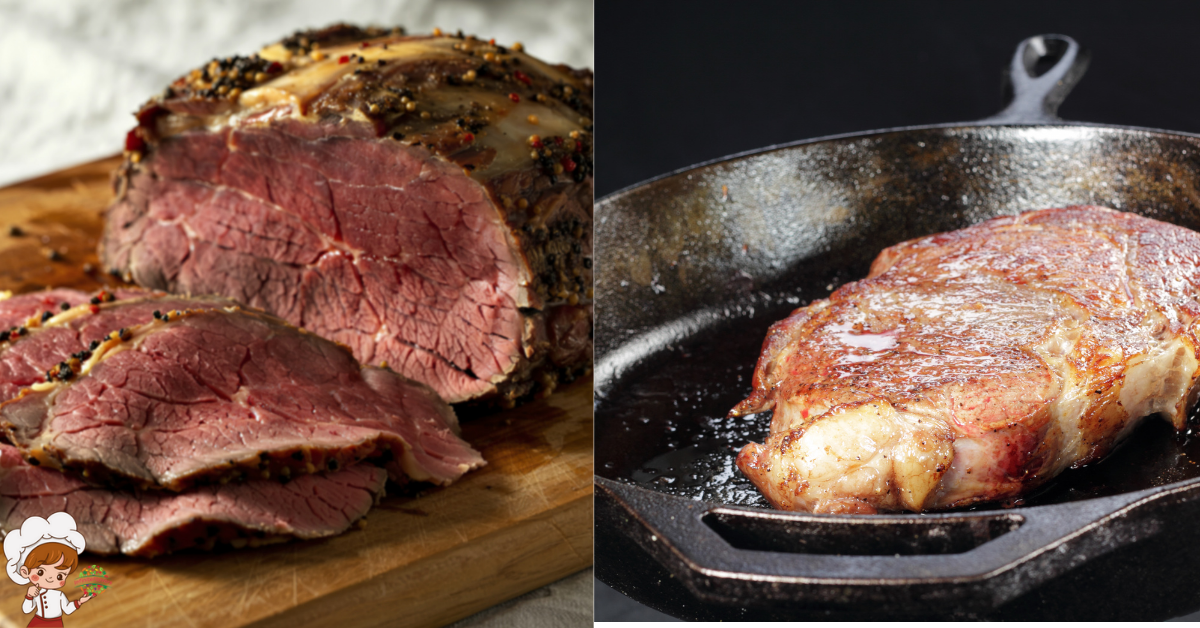
Time-Saving Braising Techniques For Busy Cooks
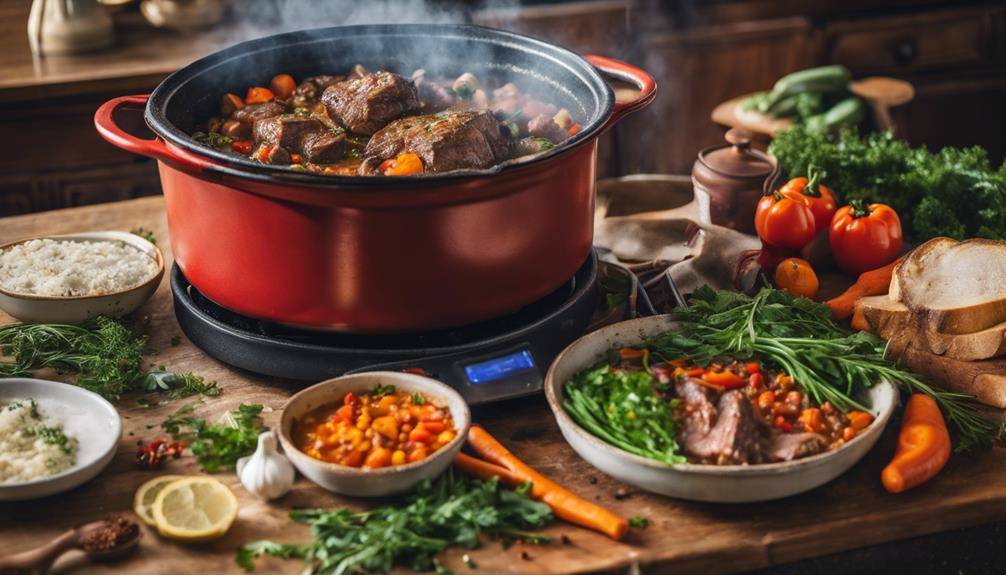
Time-Saving Braising Techniques For Busy Cooks: You can save time and still enjoy delicious braised dishes by using some smart techniques. Start with quick-cooking proteins like chicken thighs or shrimp, which cook faster than tougher cuts. Invest in a pressure cooker to cut your cooking time in half, or use a slow cooker for hands-free meals. Pre-chop your veggies and prepare flavorful marinades ahead of time to maximize efficiency. One-pot braising lets you sear your protein, add aromatics, and simply simmer. With a few high-flavor additions, your meal will be anything but bland. There's so much more to explore that can elevate your cooking even further.
Click Here and Turn Every Masterpiece into a Showstopper!
Understanding Braising Basics
Braising is a culinary technique that combines both dry and wet cooking methods to achieve tender, flavorful dishes. This method typically involves first searing your meat or vegetables at a high temperature to develop a rich, caramelized layer of flavor. You'll then add liquid, such as broth, wine, or even water, before covering the pot and cooking slowly at lower temperatures. This process allows the ingredients to meld, creating a depth of flavor that's hard to replicate with other cooking methods.
There are several braising methods you can use to suit your cooking style. For instance, using a Dutch oven or a slow cooker can simplify the process, especially when you're juggling a busy schedule. While traditional braising often requires a longer cook time, you can adapt your approach by choosing smaller cuts of meat or vegetables that cook more quickly.
Flavor development is key in braising, as the initial searing locks in juices while the slow cooking process breaks down tough fibers, making your dish incredibly tender. You can also enhance flavor by adding aromatics like garlic, onions, and herbs during the cooking process.
Understanding these basics of braising not only empowers you to create delicious meals but also encourages you to experiment with different ingredients and liquids. So, whether you're a novice or an experienced cook, embracing braising can elevate your weeknight dinners into something special without much fuss.
Choosing Quick-Cooking Proteins
When you're short on time, choosing quick-cooking proteins can make all the difference. Lean meats, poultry, and seafood not only cook faster but also absorb flavors beautifully during the braising process. Let's explore the best options that'll keep your meals delicious and efficient.
Lean Meats Options
For those looking to whip up a delicious meal in no time, choosing lean meats can be a game changer. Lean cuts, like pork tenderloin or sirloin, cook faster than their fattier counterparts, helping you save precious minutes in the kitchen. These meats absorb marinades beautifully, enhancing their flavor without adding unnecessary calories.
When it comes to flavor pairing, consider using bold ingredients such as citrus, garlic, or herbs to complement the natural taste of lean meats. A quick marinade of lemon juice, garlic, and rosemary can elevate your dish without lengthy prep time.
Cooking times for lean cuts vary, but they generally require less time than larger, fattier cuts. For instance, chicken breasts can be grilled or braised in about 20 minutes, while a pork tenderloin takes around 25 minutes to reach that perfect tenderness.
Keep an eye on the internal temperature to avoid overcooking, which can easily happen with lean meats. By choosing the right lean cuts and utilizing marinades, you can whip up a flavorful and healthy meal that fits perfectly into your busy schedule.
Poultry for Speed
Choosing poultry as your protein can greatly speed up your cooking time. Quick-cooking chicken cuts, like thighs and breasts, are excellent choices when you're in a hurry. To maximize flavor, consider using poultry marinades that infuse your meat with robust tastes in less time. For enhanced meals, pair herbs like rosemary or thyme with your chosen cuts; they elevate your dish without adding extra minutes to cooking.
Utilizing effective seasoning techniques, such as brining or dry rubs, can also tenderize your chicken and enhance moisture. If you're looking for rich sauce variations, remember that browning your chicken before braising develops deep flavors that make a significant difference.
Cooking times for poultry are typically shorter than other proteins, making them ideal for busy weeknight dinners. You can also whip up a quick poultry stock from the bones after cooking, giving you a base for soups or sauces for future meals. By combining these tips, you'll create delicious, tender dishes that fit perfectly into your schedule while still impressing your family or guests. Enjoy the benefits of speed and flavor with your next poultry dish!
Seafood Variability
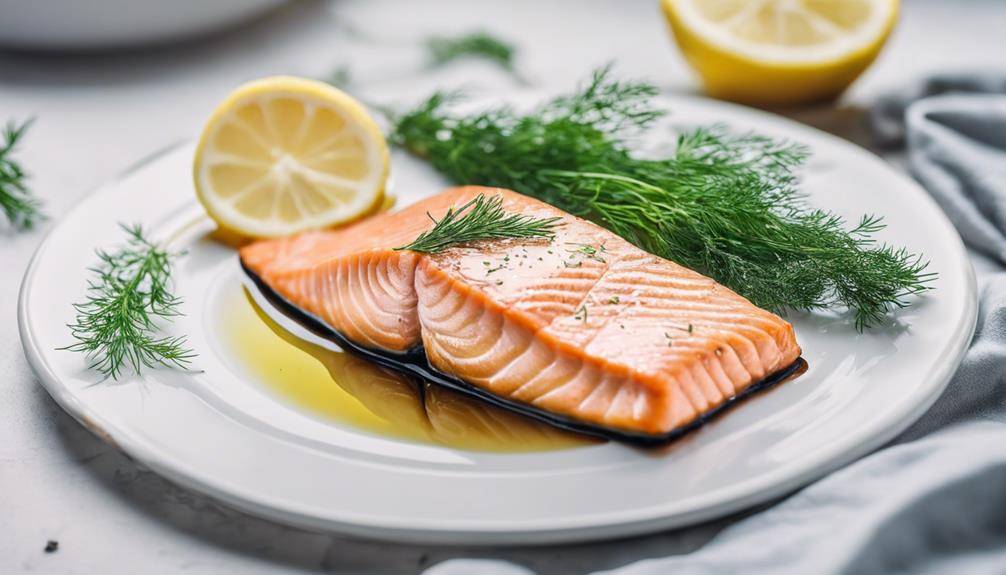
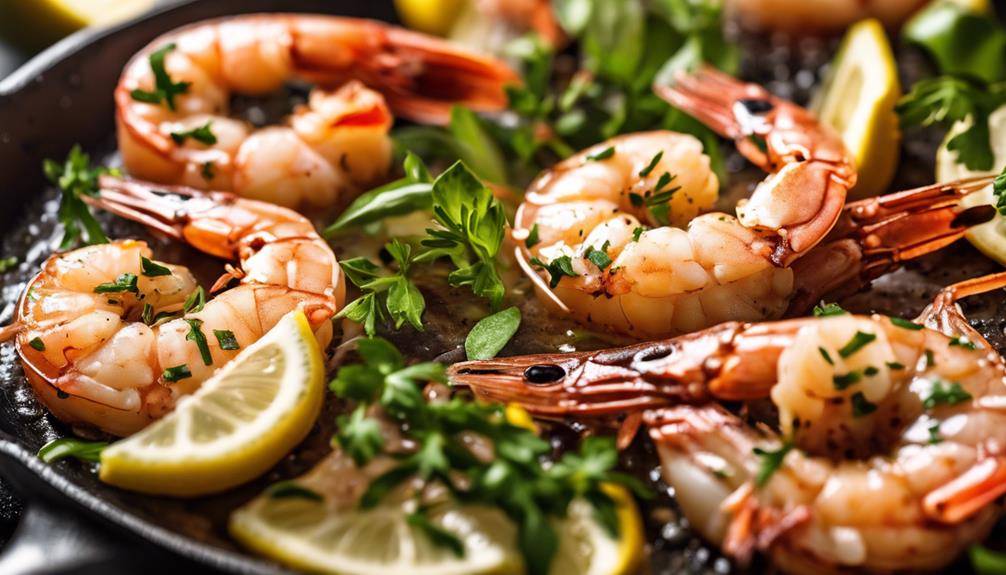
Seafood offers another fantastic option for quick-cooking proteins that can streamline your braising process. When you're in a rush, choosing the right seafood can make all the difference. Focus on seafood selection that includes options like shrimp, scallops, and thinly sliced fish, as these ingredients cook quickly and absorb flavors beautifully during braising.
Consider the cooking times: shrimp typically takes just 3-5 minutes, while scallops need around 5-7 minutes. If you're using fish, aim for fillets that are about an inch thick, which usually cook in 6-8 minutes. This allows you to enjoy a delicious, hearty meal without spending hours in the kitchen.
When braising seafood, it's important to keep an eye on it to prevent overcooking. Start by braising your aromatics and liquid, then add the seafood toward the end of the cooking process. This guarantees it remains tender and flavorful. With the right seafood selection and smart timing, you can whip up a satisfying dish that saves you time while still delivering on taste. So, next time you're short on time, don't overlook the power of seafood in your braising repertoire!
Utilizing Pressure Cookers
Using a pressure cooker can dramatically cut down your cooking time while still delivering rich flavors. You'll discover quick pressure cooking benefits that make it an essential tool in your kitchen. Let's explore some essential tips to get the most out of your pressure cooker.
Quick Pressure Cooking Benefits
Pressure cooking can cut your cooking time in half, allowing you to create tender, flavorful dishes in a fraction of the usual time. This method is a game-changer for busy cooks who need effective time management in the kitchen. When you use a pressure cooker, you're not just saving time; you're also enhancing the flavors of your ingredients. The sealed environment traps steam and intensifies the taste, giving your meals a depth you might miss with traditional cooking methods.
You'll find that dishes like stews, braises, and even grains can go from raw to ready in less than an hour. This means you can whip up a satisfying dinner after a long day without sacrificing quality. Plus, the pressure cooker retains nutrients that can be lost during longer cooking processes, making your meals healthier.
With the right pressure cooking techniques, you can conquer your weeknight dinners with ease. You can even prep meals in advance and store them in the fridge or freezer, ready to cook when you need them. Embrace the convenience of pressure cooking and enjoy the benefits of both time savings and flavor enhancement in your culinary adventures.
Essential Pressure Cooker Tips
To make the most of your pressure cooker, it helps to keep a few key tips in mind. First, always guarantee you've added enough liquid. This is vital for creating steam and achieving that perfect pressure. If you're aiming for deep flavor infusion, consider sautéing your aromatics—like onions and garlic—before adding other ingredients. This step enhances the overall taste of your dish.
When cooking, remember to adjust the cooking time based on the type of food. For example, tough cuts of meat may need a longer cooking time compared to vegetables. Also, don't forget about the pressure release method. Quick pressure release is ideal for delicate foods, while natural pressure release works better for meats and stews, allowing flavors to meld.
Lastly, keep your pressure cooker clean and well-maintained. A clean sealing ring and vent will guarantee peak performance and safety. By following these essential tips, you'll not only save time but elevate your braising game, resulting in delicious meals that taste like they've simmered for hours. Enjoy the convenience and scrumptious outcomes of your pressure cooker!
Prepping Ingredients in Advance
Before you immerse yourself in braising, prepping ingredients in advance can greatly streamline your cooking process. Start by organizing your ingredient storage. Gather all the necessary items and verify they're fresh and ready to go. Pre chopping veggies saves time later; consider dicing onions, slicing carrots, and chopping garlic ahead of time. You'll appreciate this when you're ready to cook.
Next, focus on marinade preparation. Whipping up a flavorful marinade in advance allows for better flavor infusions, enhancing your dish's overall taste. Mix your spices ahead of time, too; spice mixing can be done in bulk, so you've got the right blend ready whenever you need it.
Portion control is another key aspect. By measuring out your ingredients in advance, you can easily scale your recipes for batch cooking, whether you're making a large pot of stew or a smaller portion for a weeknight dinner. Additionally, you can prepare freezer-friendly meals to save even more time on busy days. Just assemble your braising ingredients, freeze them, and you'll have a delicious meal waiting for you.
One-Pot Braising Techniques
Once your ingredients are prepped, one-pot braising techniques can really elevate your cooking experience. These methods allow you to combine all your flavors in a single vessel, making cleanup a breeze while maximizing taste. Start by searing your protein in a heavy pot or Dutch oven. This initial step locks in moisture and creates a rich foundation for your dish.
Next, add your aromatics—onions, garlic, or herbs—to build flavor. As they soften, you'll notice the enticing aroma filling your kitchen. After that, introduce your liquid, whether it's wine, vinegar, or even a splash of water. This is where the magic happens; the steam helps tenderize your meat while infusing it with the surrounding flavors.
One of the keys to successful one-pot braising techniques is balancing flavor profiles. Consider how different ingredients interact. For example, pairing hearty meats with robust red wines or tangy tomatoes can create depth. You might also add vegetables like carrots or potatoes that will absorb the braising liquid and contribute their own sweetness.
Once everything's in the pot, cover it and let it simmer on low heat. This slow cooking process allows the flavors to meld beautifully, transforming simple ingredients into a comforting masterpiece. When you're ready to serve, you'll have a delicious, aromatic dish that's been crafted effortlessly in one pot. Enjoy the satisfaction of a meal that tastes like you spent hours preparing it, even when you didn't!
Click Here and Turn Every Masterpiece into a Showstopper!
Using Broths and Stocks
Using broths and stocks can greatly enhance the flavor profile of your braised dishes. When you choose the right broth varieties, you're not just adding moisture; you're infusing your meal with depth and richness. Start by considering your stock selection. Chicken, beef, vegetable, or fish stocks each bring distinct flavors, so pick one that complements your ingredients.
For maximum flavor enhancement, try using homemade stock whenever possible. It's often richer and more nutritious than store-bought options. You can also incorporate broth infusions to elevate your dish further. For example, adding a splash of white wine or a dash of soy sauce can deepen the flavor layering.
Don't overlook the importance of seasoning techniques. It's crucial to taste as you go, adjusting with herbs, spices, or a pinch of salt to achieve the right balance. Remember, broth nutrition is a significant benefit, as it often contains vitamins and minerals extracted from bones and vegetables during simmering.
Once you've used your stocks and broths, be mindful of stock storage. Freeze any leftovers in ice cube trays for easy, quick access in future recipes. With all these tips, you'll enjoy the broth benefits, making your braised dishes not only more flavorful but also healthier. In just a bit of time, you can transform a simple meal into something truly special with these time-saving techniques.
Incorporating High-Flavor Additions
Often, incorporating high-flavor additions can elevate your braised dishes to new heights. When you're short on time but want to pack a punch, consider using herbs and spices that complement the main ingredients. Fresh herbs like rosemary, thyme, and bay leaves infuse your dish with aromatic depth, while spices such as cumin, coriander, or smoked paprika add warmth and complexity.
One effective method is to create flavor infusions. You can start by sautéing your selected herbs and spices in a bit of oil before adding your main protein. This technique not only releases their essential oils but also allows the flavors to meld beautifully with the base of your dish. If you're feeling adventurous, try adding a splash of vinegar or citrus juice to brighten the overall flavor profile.
Don't forget about aromatics; onions, garlic, and ginger can enhance your braise considerably. Toss them in at the beginning to build a solid flavor foundation. Consider adding umami-rich ingredients like soy sauce, miso, or anchovies to deepen the savory notes in your dish.
Lastly, think about finishing touches. A sprinkle of fresh herbs or a dash of chili flakes just before serving can elevate your dish, making it feel restaurant-worthy without the extra time. By thoughtfully incorporating these high-flavor additions, you'll transform simple braises into culinary masterpieces that are as quick as they are delicious.
Mastering the Art of Searing
Building on those high-flavor additions, mastering the art of searing is a game changer for your braising technique. When you sear, you create a rich, caramelized crust on your meat that enhances flavor and depth in your final dish. Choosing the right pan types is vital; a heavy-bottomed skillet or Dutch oven works best for even heat distribution.
Before you start, make sure your pan is hot enough. Preheat it over medium-high heat until it's shimmering. Add a bit of oil with a high smoke point, like canola or grapeseed. You want just enough to coat the bottom without drowning the meat. Once the oil's hot, add your meat and resist the urge to move it around. Let it sit for a few minutes to develop that golden crust.
Searing isn't just about the meat; it's also essential for building a flavorful base for your sauce selection. After you've seared your meat, you'll notice those delicious brown bits stuck to the pan—these are full of flavor! Deglaze the pan with a splash of broth or wine to lift those bits, and you'll set the stage for a rich sauce.
Exploring Slow Cooker Options
A slow cooker can be a game changer for braising, allowing you to achieve tender, flavorful dishes with minimal effort. With just a bit of meal prep, you can toss your ingredients into the slow cooker in the morning and return home to a delicious meal ready to serve. This method is perfect for busy cooks who want to enjoy hearty meals without spending hours in the kitchen.
When using a slow cooker, prioritizing slow cooker safety is essential. Always verify your cooker is set to the proper temperature and avoid lifting the lid during cooking, as this can release heat and extend cooking time. Make sure to thaw meat before adding it to the pot, as cooking frozen meat can lead to uneven cooking and food safety issues.
To maximize the flavor of your braised dishes, start with a solid base. Sear your meat and aromatics in a skillet before transferring them to the slow cooker. This step enhances the overall taste and adds depth to your meal. You can also add a splash of broth, wine, or vinegar to help deglaze the pan and incorporate those tasty browned bits into your braise.
Once you've set everything up, let your slow cooker do the work. You'll come home to a meal that's not only flavorful but also makes cleanup a breeze. With these tips, you can enjoy the convenience of slow cooking while still delivering satisfying, comforting meals.
Click Here and Turn Every Masterpiece into a Showstopper!
Frequently Asked Questions: Time-Saving Braising Techniques For Busy Cooks
Can I Braise Without a Heavy Pot or Dutch Oven?
Yes, you can braise without a heavy pot or Dutch oven. Consider braising alternatives like a slow cooker or pressure cooker. Just make certain your pot substitutions can maintain moisture and heat effectively for delicious results.
How Do I Adapt Braising Recipes for Vegetarian Options?
To adapt braising recipes for vegetarian options, use hearty vegetarian proteins like tempeh or lentils. Enhance flavors with spices, herbs, and umami-rich ingredients like mushrooms or soy sauce, ensuring your dish remains satisfying and delicious.
What Are the Best Sides to Serve With Braised Dishes?
When you're serving braised dishes, consider flavorful pairings like creamy polenta or mashed potatoes. Seasonal vegetables, such as roasted carrots or sautéed greens, complement your meal beautifully and enhance the overall dining experience. Enjoy!
How Can I Store Leftover Braised Meals Effectively?
To store leftover braised meals effectively, use airtight containers for meal prep. This helps with flavor preservation. Cool the dish before sealing, and refrigerate or freeze it for longer-lasting freshness and taste. Enjoy later!
What's the Difference Between Braising and Stewing?
Braising basics involve cooking larger cuts of meat slowly in a small amount of liquid, while stewing methods use smaller pieces submerged in more liquid. Both create tender, flavorful dishes, but the techniques differ in size and liquid use.

Conclusion
By mastering these time-saving braising techniques, you can enjoy delicious, tender meals without spending hours in the kitchen. Choose quick-cooking proteins, utilize pressure cookers, and prep ingredients in advance to streamline your cooking process. Embrace one-pot methods and flavorful additions to elevate your dishes. Whether you opt for a pressure cooker or a slow cooker, you'll discover that braising doesn't have to be time-consuming. Get started today and savor the rich flavors of your creations!