How Long To Poach Salmon
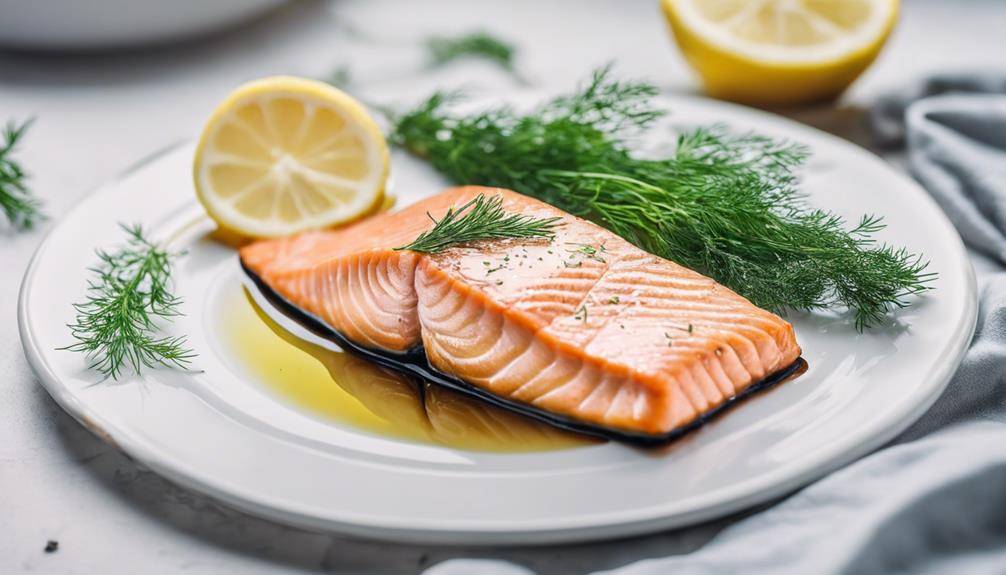
How Long To Poach Salmon: To poach salmon perfectly, you'll need around 10 to 20 minutes, depending on the thickness of your fillets. For a one-inch thick piece, about 10 minutes should suffice, while two-inch fillets may take closer to 20 minutes. Confirm your poaching liquid is gently simmering, ideally between 160°F to 180°F. This helps retain moisture and flavor. Keep an eye out for a lighter pink color and easy flaking with a fork to check for doneness. Plus, if you want tips on preparation and different flavor combinations, there's plenty more to explore!
Click Here and Turn Every Masterpiece into a Showstopper!
Benefits of Poaching Salmon
When it comes to cooking salmon, poaching offers several distinct advantages that make it a popular choice. First and foremost, poaching is a gentle cooking technique that helps preserve the delicate texture and flavor of the fish. By cooking it slowly in a simmering liquid, you guarantee that the salmon remains moist and tender, avoiding the risk of drying it out, which can happen with other methods like grilling or baking.
Another significant benefit is the health aspect. Poaching typically requires minimal added fats, making it a lower-calorie option compared to frying. This method allows you to enjoy the natural flavors of the salmon without masking them with heavy sauces or seasonings. Plus, when you poach your salmon in a broth or flavored water, you can infuse it with herbs, spices, and aromatics, enhancing its taste while keeping it healthy.
Poaching also provides versatility regarding flavor profiles. You can experiment with different liquids—like white wine, vegetable broth, or even coconut milk—to complement your dish. This adaptability makes poaching an excellent choice for various cuisines, allowing you to create a meal that suits your palate.
Lastly, the cooking process itself is straightforward and requires minimal attention, freeing you up to prepare side dishes or other components of your meal. So, if you're looking to enjoy a delicious and nutritious salmon dish, poaching is definitely a technique worth trying.
Ideal Salmon Cuts for Poaching
When you're choosing salmon for poaching, the cut can make all the difference. You'll want to contemplate factors like skin-on versus skinless, as well as whether to go for fresh or frozen salmon. Each option affects not just the cooking process but also the final dish's flavor and texture.
Best Cuts for Poaching
For a successful poaching experience, choosing the right cut of salmon is essential. When it comes to salmon types, you'll want to go for cuts that offer a good balance of fat and flesh. The best options include salmon fillets and salmon steaks. Fillets are ideal because they cook evenly and absorb flavors well, making them perfect for various poaching techniques.
Salmon steaks, on the other hand, provide a heartier portion and tend to stay moist during the poaching process. If you prefer a more delicate texture, opt for the belly cut, which is rich in fat and flavor. This cut can enhance the overall taste, especially when paired with aromatic poaching liquids.
Regardless of the cut, make certain to remove any pin bones before cooking. This guarantees a pleasant eating experience. Always keep in mind the thickness of the cut, as it directly influences cooking time. Thicker cuts may need a bit longer to poach through, while thinner options will cook more quickly. By selecting the right cut, you'll set the stage for a delicious poached salmon dish.
Skin-On Vs. Skinless
Choosing between skin-on and skinless salmon for poaching can greatly affect your dish's flavor and texture. If you're opting for skin-on salmon, you're in for some fantastic benefits. The skin acts as a protective barrier, helping to keep the fish moist and tender during the poaching process. It also adds a subtle richness and enhances the overall flavor of the dish. Plus, the skin can provide a delightful texture contrast if you decide to crisp it up after poaching.
On the other hand, using skinless salmon does come with its drawbacks. Without the skin, the fish is more prone to drying out, which can lead to a less enjoyable texture. Additionally, skinless cuts may not hold together as well during cooking, making them more challenging to handle. However, some folks prefer skinless salmon for its clean taste and ease of eating, especially if they're serving it to guests who might be picky about fish skin.
Ultimately, your choice depends on your preference for flavor, texture, and presentation. Consider these factors carefully to achieve the best poached salmon experience.
Fresh Vs. Frozen Salmon
Whether you opt for fresh or frozen salmon can greatly impact your poaching results. Fresh salmon typically offers a richer flavor profile, enhancing the overall taste of your dish. When you choose fresh, look for vibrant color and firm texture, which indicate quality. On the other hand, frozen salmon can be just as delicious if it's properly sourced. If you're going the frozen route, select salmon that's been flash-frozen at sea, as this preserves its flavor and texture.
Consider sustainability practices when choosing your salmon. Fresh options may often be local, supporting your regional fisheries, while frozen varieties can sometimes come from unsustainable sources. Always check for certifications like the Marine Stewardship Council (MSC) label.
Ultimately, both fresh and frozen salmon have their merits. If you want a more intense flavor experience, fresh salmon is your best bet. However, if convenience and long shelf life are priorities, high-quality frozen salmon can still yield fantastic poaching results. Just remember to defrost it properly before cooking to guarantee even cooking and delightful flavors. Enjoy experimenting with either option!
Preparing the Poaching Liquid
To create a flavorful poaching liquid for your salmon, start by combining water or broth with aromatic ingredients. Choosing the right liquid type is essential, as the broth can enhance the dish's overall taste. Whether you opt for vegetable, chicken, or fish broth, each brings its unique flavor infusion, elevating your salmon dish.
Next, think about what aromatics you want to add. Fresh ingredients like onions, garlic, and leeks can add depth, while citrus slices such as lemon or orange provide brightness. You might also consider adding a splash of white wine for a sophisticated touch, making certain it complements the other flavors.
Don't forget about the importance of seasoning your liquid. A pinch of salt and a few peppercorns can make a significant difference in taste. Other additions like bay leaves, dill, or parsley can further enhance the liquid's complexity, creating a rich backdrop for your salmon.
Once you've selected your liquid types and aromatics, bring the mixture to a simmer in a large pan. It should be hot but not boiling vigorously, as a gentler heat will guarantee your salmon cooks evenly. Allow the flavors to meld for about 10-15 minutes before adding your salmon. This way, your fish will absorb the rich flavors, resulting in a perfectly poached piece of salmon that's moist and delicious.
Essential Seasonings and Herbs
Once your poaching liquid is ready, the next step is to enhance it with the right seasonings and herbs. The right combination can elevate the flavor of your salmon and make the dish truly memorable. Start with the basics: salt and pepper. These two are essential for bringing out the natural flavors of the fish.
Next, consider using fresh herbs like dill, parsley, or tarragon. They pair beautifully with salmon and add a fresh, vibrant taste. You might also opt for dried herbs if fresh ones aren't available, but remember that dried herbs are more concentrated, so use them sparingly. Combining different herb combinations can create a unique flavor profile; for example, mixing dill with lemon zest gives a bright, citrusy element that complements the richness of the salmon.
For added depth, think about incorporating aromatics like garlic, onion, or shallots. These can be added directly to your poaching liquid, infusing the salmon with rich flavors. You could also enhance your liquid with a splash of white wine or a squeeze of lemon juice for acidity, which balances the richness of the fish.
When it comes to seasoning techniques, don't be afraid to experiment. A pinch of red pepper flakes can introduce a subtle heat, while a splash of soy sauce can provide an umami boost. Play with these elements to discover what combination of seasonings resonates with your palate, and you'll be well on your way to a perfectly poached salmon.
Recommended Poaching Temperatures
When poaching salmon, maintaining the right temperature is vital for achieving that tender, flaky texture. The ideal poaching temperature typically ranges between 160°F to 180°F (70°C to 82°C). Staying within this range guarantees that your salmon cooks evenly without drying out. It's important to monitor the temperature closely, especially since different salmon varieties may respond differently to heat.
For example, wild salmon tends to be leaner than farmed varieties, so you'll want to be a bit more mindful when poaching it. Farmed salmon can handle slightly higher temperatures due to its higher fat content, which helps keep it moist. Regardless of the salmon variety you choose, always remember that lower temperatures yield better results—this is especially true with poaching methods where the goal is to gently cook the fish while infusing it with flavors from your poaching liquid.
Using a food thermometer can help guarantee you hit that sweet spot. If your poaching liquid bubbles vigorously, it's too hot; you should see just a gentle simmer. Another tip is to keep the salmon submerged in the poaching liquid for the best results. This not only helps maintain a consistent temperature but also promotes even cooking throughout the fillet. Ultimately, by focusing on the right poaching temperatures, you'll elevate your salmon dishes and impress anyone who gets a taste!
Timing Guidelines for Poaching
When you're poaching salmon, timing is key to achieving the perfect texture. The thickness of your fillet and the poaching temperature can greatly influence how long it should cook. Let's break down the ideal poaching times to guarantee your salmon turns out just right.
Ideal Poaching Times
To achieve perfectly poached salmon, timing is essential. The ideal poaching times depend on several factors, including the poaching technique you choose and the thickness of the salmon fillet. Generally, you'll want to poach your salmon for about 10 to 15 minutes in simmering water or broth. This time frame guarantees that the fish cooks evenly and retains its moisture.
However, timing variations can occur based on the specific poaching techniques you employ. For instance, if you're using a low-temperature poaching method, you might need to extend the cooking time slightly. Conversely, if you're poaching at a higher temperature, be cautious not to overcook the salmon.
As a rule of thumb, check for doneness by gently flaking the fish with a fork. If it flakes easily and appears opaque throughout, it's ready to be removed from the heat. Remember, your goal is to achieve a tender, succulent piece of salmon that's not overcooked. With a little practice and attention to timing, you'll master the art of poaching salmon to perfection every time.
Thickness Matters
Salmon's thickness plays an essential role in determining the perfect poaching time. If you want moist, flavorful salmon, you need to adjust your cooking time based on the fillet's thickness. Generally, you'll want to poach your salmon for about 10 minutes per inch of thickness. For instance, a one-inch thick piece will need around 10 minutes, while a thicker piece, like a two-inch fillet, may require up to 20 minutes.
To guarantee even cooking, it's best to use a ruler or a kitchen scale to measure your salmon thickness accurately. Keep in mind that cooking time can also be affected by the poaching liquid's temperature and how it's heated. A consistent simmer is key; if the heat fluctuates too much, you might end up with unevenly cooked salmon.
Temperature Considerations
Understanding the ideal temperature for poaching can greatly impact the texture and flavor of your salmon. Generally, you'll want to poach your salmon at a temperature between 160°F and 180°F. At this range, the salmon cooks gently, allowing you to achieve a flaky yet moist texture. If you're using sous vide, you can be more precise with your temperature, typically cooking at around 130°F to 140°F for a tender, buttery finish.
Timing is essential as well. For salmon fillets that are about 1 inch thick, aim for around 15 to 20 minutes at 160°F. If you're looking for a more robust flavor infusion, consider adding herbs, citrus, or spices to your poaching liquid. This not only enhances the taste but also complements the salmon beautifully.
Keep in mind that the thicker your fillet, the longer it'll need to cook. Always check with a food thermometer to guarantee your salmon reaches a safe internal temperature of 145°F. By mastering these temperature considerations, you'll elevate your poaching technique and enjoy perfectly cooked salmon every time.
How to Check for Doneness
Checking for doneness is essential to confirm perfectly poached salmon. You want your fish to be moist and flavorful, not overcooked and dry. Start by observing some visual doneness cues. When the salmon is nearing completion, it should turn a lighter pink color, and the flesh will begin to flake easily when gently pressed with a fork. This is a good initial indicator that your salmon is close to being done.
Next, it's vital to measure the internal temperature of the fish. For perfectly poached salmon, aim for an internal temperature of about 125°F to 130°F (51°C to 54°C). You can easily check this using an instant-read thermometer. Insert it into the thickest part of the salmon, making sure not to touch the poaching liquid, as that can give you an inaccurate reading. If the temperature reads within the target range, your salmon is ready to be removed from the heat.
Keep in mind that the salmon will continue to cook slightly after you take it out of the poaching liquid, so it's okay to pull it off the heat just before it reaches the desired temperature. This confirms the fish remains tender and doesn't dry out. By paying close attention to these visual cues and using a thermometer, you can achieve perfectly poached salmon every time. Enjoy your delicious creation!
Click Here and Turn Every Masterpiece into a Showstopper!
Common Poaching Mistakes
Avoiding common poaching mistakes can make the difference between a perfectly tender salmon and a disappointing meal. One of the most frequent errors is using water that's too hot. Many believe that a rapid boil is best, but it can actually lead to tough, overcooked fish. Instead, focus on gentle simmering. This allows the salmon to cook evenly and retain its moisture.
Another common misconception is that you need to add a lot of seasoning before poaching. While flavor is important, over-seasoning can overwhelm the delicate taste of the salmon. A few herbs or a slice of lemon is usually enough to enhance the flavor without masking it.
You might also think that any pot will do for poaching, but the right poaching techniques require a suitable vessel. A wide, shallow pan will help keep the salmon submerged, ensuring even cooking. If you use a deep pot, you may end up with uneven doneness.
Timing is vital, too. Many people assume that thicker pieces of salmon need considerably longer cooking times. While thickness matters, it's important to check for doneness regularly. Overcooking can dry out your salmon, so keep an eye on it as it nears the end of your estimated cooking time.
Lastly, don't forget to let the salmon rest after poaching. This helps the flavors meld and the texture settle, giving you the perfect bite. So, keep these tips in mind to elevate your poaching game!
Serving Suggestions for Poached Salmon
When it comes to serving poached salmon, fresh herbs can elevate the dish with vibrant flavors. Pairing it with citrus adds a revitalizing zing that complements the richness of the fish. For a finishing touch, consider light sauce options that enhance without overwhelming the delicate taste.
Fresh Herb Garnish
A vibrant sprinkle of fresh herbs can elevate your poached salmon to new culinary heights. When you think about garnish techniques, fresh herbs not only add color but also infuse flavor. Consider using herb blends like dill, parsley, or chives to complement the delicate taste of the salmon.
To create a stunning presentation, you can finely chop these herbs and scatter them over the fish right before serving. This not only enhances the visual appeal but also offers a burst of freshness with every bite. For a more pronounced flavor, try mixing different herbs together. The balance of dill and tarragon, for example, can provide a delightful contrast to the richness of the salmon.
If you want a bit of texture, you can also consider making an herbaceous oil. Blend fresh herbs with olive oil, then drizzle it over your poached salmon for an elegant finish. Remember, the key to effective garnish techniques is to keep it simple yet vibrant. Your poached salmon deserves that touch of freshness, and fresh herbs make all the difference. Enjoy your elevated dish!
Citrus Accompaniments
Citrus accompaniments can truly brighten up your poached salmon, adding an invigorating zing that complements the fish's delicate flavor. One of the simplest ways to enhance your dish is by using citrus marinades. Mix fresh lemon, lime, or orange juice with olive oil, garlic, and herbs for a delightful marinade. Marinate your salmon for about 30 minutes before poaching to infuse those bright flavors.
Pair your poached salmon with vibrant citrus salads to create a revitalizing contrast. Combine arugula or mixed greens with segments of grapefruit, orange, or tangerine. Toss in some avocado, red onion, and a light vinaigrette for added texture and taste. This citrus salad not only looks appealing but also balances the richness of the salmon.
Don't forget about garnishing! A sprinkle of zested citrus over your poached salmon adds a pop of color and flavor. You can also serve your salmon with a wedge of lemon or lime on the side, allowing guests to add a squeeze for extra brightness. With these citrus accompaniments, your poached salmon will be a dish to remember.
Light Sauce Options
Elevate your poached salmon with a variety of light sauces that enhance its natural flavor without overpowering it. A light broth made from fish stock and fresh herbs can add subtle depth. If you prefer something richer, a creamy sauce with Greek yogurt and dill creates a delightful contrast to the tender fish.
For a revitalizing twist, try an herb vinaigrette, combining fresh parsley, chives, and lemon juice. This bright option complements the salmon beautifully. A citrus glaze, perhaps with orange or lime juice, can bring a zesty kick that's perfect for summer meals.
If you're in the mood for something tangy, a mustard drizzle made with whole grain mustard and honey adds a unique flavor while still keeping it light. Alternatively, a soy marinade can impart an umami flair, especially if you add ginger and sesame oil for extra depth.
Lastly, consider an avocado puree, which offers creaminess without heaviness. Blending ripe avocado with lime juice and salt creates a smooth, delicious topping that pairs well with your poached salmon. With these options, you can customize your dish to suit your taste!
Storing Leftover Poached Salmon
Storing leftover poached salmon properly guarantees you can enjoy its delicate flavor later without sacrificing quality. To maximize its shelf life, you should refrigerate the salmon within two hours of cooking. Make sure it's cooled to room temperature before placing it in the fridge. Use an airtight container to prevent moisture loss and protect it from absorbing other odors in your refrigerator.
When stored correctly, poached salmon can last for up to three days in the fridge. If you don't think you'll eat it within that timeframe, consider freezing it. Wrap the salmon tightly in plastic wrap, then place it in a freezer-safe container or bag. This can extend its shelf life to about three months. Just remember to label the container with the date, so you know when it was frozen.
When you're ready to enjoy your leftover poached salmon, you can thaw it in the refrigerator overnight. Reheating is simple; just warm it gently to preserve its texture. Avoid using a microwave for reheating, as this can dry it out. Instead, try placing it in a warm oven or steaming it briefly.
Pairing Wine With Poached Salmon
When it comes to pairing wine with poached salmon, you'll want to complement its delicate flavors without overpowering them. The rich, buttery texture of poached salmon calls for wine varieties that enhance rather than compete with its natural taste. A good choice is a crisp white wine, which can elevate your dish while balancing the fish's richness.
Chardonnay, particularly unoaked versions, offers a bright acidity and subtle fruit flavors that work beautifully with poached salmon. Its flavor profile brings out the fish's natural sweetness without overshadowing it. If you prefer something lighter, consider a Sauvignon Blanc. This wine's zesty notes and herbal undertones can add a revitalizing contrast to the salmon, making each bite even more enjoyable.
Another excellent option is a dry rosé. With its vibrant fruitiness and invigorating acidity, a rosé enhances the flavors of poached salmon without being too heavy. If you're in the mood for red, opt for a light-bodied Pinot Noir. Its soft tannins and berry notes can complement the salmon's richness without overwhelming it.
Ultimately, the key is to find wine varieties that harmonize with the flavor profiles of your poached salmon. Avoid bold, tannic reds or overly sweet wines, as they may clash with the dish. By choosing the right wine, you'll elevate your dining experience and enjoy the perfect pairing with your poached salmon. Cheers!
Healthy Side Dishes to Serve
Serving healthy side dishes with your poached salmon not only enhances the meal but also adds nutritional value. One fantastic option is a revitalizing quinoa salad. Quinoa is a protein-packed grain that complements the lightness of poached salmon beautifully. Toss cooked quinoa with diced cucumbers, cherry tomatoes, and a squeeze of lemon juice for a zesty flavor. You can also add some finely chopped herbs like parsley or mint to elevate the dish further.
Another great side dish to contemplate is roasted asparagus. Asparagus is rich in vitamins A, C, E, and K, making it a nutritious addition to your plate. Simply toss asparagus spears with olive oil, salt, and pepper, then roast them in the oven until they're tender and slightly crispy. The earthy flavor of roasted asparagus pairs wonderfully with the delicate taste of poached salmon, creating a balanced and satisfying meal.
Don't forget about adding some healthy fats! A drizzle of olive oil over your quinoa salad or asparagus will not only enhance the flavors but also provide essential nutrients. If you want to make your meal even heartier, think about adding avocado slices to your quinoa salad for a creamy texture.
Recipe Variations for Poached Salmon
Poached salmon is incredibly versatile, allowing you to explore various flavors and ingredients to create a unique dish each time. One way to switch things up is by experimenting with different spice blends. Try a zesty lemon-dill mix for a fresh taste or a smoky paprika blend for a bolder flavor. You can even create an Asian-inspired poached salmon using ginger, garlic, and soy sauce to bring a savory twist to your meal.
When it comes to cooking techniques, don't just stick to the basics. You can infuse your poaching liquid with aromatics like white wine, citrus juice, or even herbal teas. For a Mediterranean flair, use olive oil, capers, and fresh herbs such as thyme or basil in your poaching liquid. The key is to let the salmon absorb those flavors as it cooks.
Another variation you might enjoy is adding vegetables to the poaching process. Carrots, leeks, or asparagus can enhance the dish, adding both flavor and color. Just remember to adjust the cooking time slightly to accommodate these additions.
Click Here and Turn Every Masterpiece into a Showstopper!
Frequently Asked Questions: How Long To Poach Salmon
Can I Poach Frozen Salmon Directly Without Thawing?
You can poach frozen salmon directly without thawing, but it may require longer cooking times. Using effective poaching methods, guarantee the fish reaches a safe internal temperature for delicious results. Enjoy your meal!
Is It Safe to Reheat Poached Salmon Leftovers?
Yes, it's safe to reheat poached salmon leftovers. Just make sure you heat it gently to maintain moisture. Use these reheating tips: microwave at low power or warm in a skillet with a splash of water.
What Type of Pot Is Best for Poaching Salmon?
For poaching salmon, a wide, shallow pot works best. It allows for even sauce selection and temperature control. Make sure it's heavy-bottomed to maintain consistent heat, ensuring your salmon cooks perfectly every time.
Can I Use Flavored Liquids for Poaching Salmon?
Absolutely, you can use flavored liquids for poaching salmon. Citrus infusions and herb blends will enhance the fish's flavor beautifully. Just guarantee the liquid complements rather than overpowers the delicate taste of the salmon.
How Do I Prevent Salmon From Breaking Apart While Poaching?
To prevent your salmon from breaking apart, maintain an ideal salmon temperature by poaching gently. Use techniques like low heat and a flavorful liquid, ensuring the fish cooks evenly and remains tender throughout the process.

Conclusion
Poaching salmon is a simple and healthy cooking method that brings out the fish's natural flavors. By choosing the right cuts and infusing your poaching liquid with delicious seasonings, you can create a delightful meal. Remember to monitor the temperature for perfect results, and don't forget to pair your dish with a nice wine and nutritious sides. With these tips, you'll enjoy a tasty, elegant salmon dish that's sure to impress!