The Best Oils For Stir-Frying Vegetables
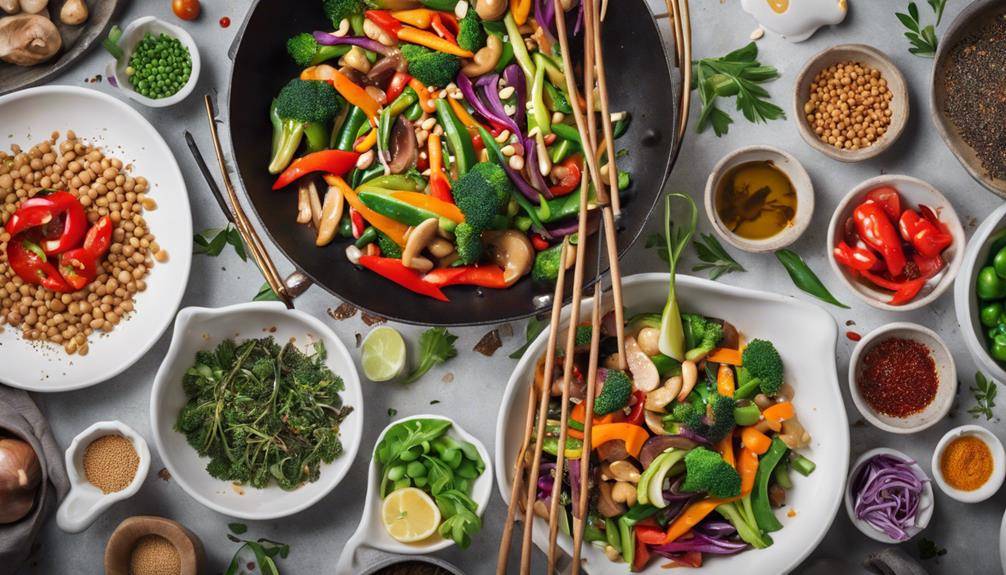
The Best Oils For Stir-Frying Vegetables; When you’re stir-frying vegetables, choosing the right oil matters. High smoke point oils like avocado, canola, and peanut oil work best for high heat, ensuring your veggies sear without burning. Olive oil adds flavor but should be refined for better heat tolerance. Grapeseed oil is also a versatile option. Avoid low smoke point oils like extra virgin olive oil and butter; they can ruin your dish. Don’t forget to take into account flavor profiles; sesame oil complements Asian dishes beautifully. If you keep going, you’ll discover tips on enhancing your stir-fry with unique oil blends and infusions.
Click Here and Turn Every Masterpiece into a Showstopper!
Understanding Smoke Points
When it comes to stir-frying vegetables, understanding smoke points is vital for achieving the best flavor and texture. The smoke point definition refers to the temperature at which an oil begins to smoke and break down, releasing harmful compounds and unpleasant flavors. Choosing the right oil with an appropriate smoke point can greatly impact your stir-frying results.
Different oils have varying smoke points, influenced by several oil stability factors, such as refining processes, fatty acid composition, and the presence of impurities. For instance, oils like avocado and refined olive oil boast higher smoke points, making them ideal for high-heat cooking like stir-frying. On the other hand, unrefined oils, such as flaxseed or extra virgin olive oil, have lower smoke points and can burn easily, leading to bitter-tasting dishes.
To maximize the flavors of your stir-fried vegetables, it’s important to select an oil that can withstand the heat without reaching its smoke point. As you heat your oil, keep a close eye on its color and aroma. If you notice smoke rising from the pan, it’s a sign that the oil has exceeded its smoke point, and you should lower the heat or switch to another oil. By being mindful of smoke points and understanding oil stability factors, you can elevate your stir-frying technique and enjoy perfectly cooked, delicious vegetables every time.
Health Benefits of Oils
When you choose the right oils for stir-frying, you’re not just enhancing flavor; you’re also boosting your health. Many oils offer essential nutrients and can support heart health, making them smart choices for your cooking. Let’s explore the nutritional value of these oils and discover which ones are the best for your heart.
Nutritional Value of Oils
Oils often play an essential role in enhancing the nutritional profile of stir-fried vegetables. When you choose high-quality oils, you’re not just adding flavor; you’re also boosting the vitamins and healthy fats available in your dish. For instance, oils rich in monounsaturated fats can help your body absorb fat-soluble vitamins like A, D, E, and K from the vegetables, making your meal more nutritious.
The process of oil extraction affects the nutritional quality of the oil you use. Cold-pressed oils retain more nutrients compared to those extracted using heat or chemicals. Opting for oils that undergo minimal processing can offer you the maximum health benefits.
Proper oil storage is vital, too. Oils can become rancid if not stored correctly, losing their beneficial properties. Keep your oils in a cool, dark place, and consider using dark glass containers to protect them from light. By being mindful of oil selection and storage, you can enhance not only the flavors but also the health benefits of your stir-fried vegetables, making every meal both delicious and nourishing.
Heart-Healthy Options
Choosing the right oil can greatly impact your heart health. When stir-frying vegetables, opt for heart-healthy oils that are rich in unsaturated fats. Olive oil is a fantastic choice, packed with antioxidants and known to lower bad cholesterol levels. Canola oil is another excellent option, as it contains omega-3 fatty acids that promote heart health.
Avocado oil stands out for its high smoke point and heart-healthy fats, making it perfect for high-heat cooking. Sunflower oil, rich in vitamin E, also supports cardiovascular health. Peanut oil, while flavorful, should be used in moderation due to its higher saturated fat content but can still be part of a balanced diet.
Grapeseed oil is light and versatile, offering a good amount of polyunsaturated fats. Sesame oil, with its nutty flavor, not only enhances taste but also contains antioxidants beneficial for heart health. Finally, flaxseed oil is excellent as a finishing touch, rich in omega-3 fatty acids, although it’s not ideal for cooking at high temperatures.
Flavor Profiles to Consider
Exploring various flavor profiles can elevate your stir-fried vegetables, making each dish a unique culinary experience. When you think about oil pairings, consider how different oils can complement the ingredients you’re using. For instance, if you’re stir-frying Asian vegetables, a sesame oil or peanut oil could enhance those flavors beautifully. These oils not only add richness but also reflect the cuisine influences of your dish.
On the other hand, if you’re preparing a Mediterranean-style stir-fry, olive oil can bring a fragrant, fruity note that works well with bell peppers, zucchini, and eggplant. The oil’s distinct flavor can transform a simple vegetable medley into a vibrant, flavorful dish. If you want a more neutral oil that allows the veggies to shine, canola or grapeseed oil can be your go-to, especially if you’re aiming for a lighter taste.
It’s also worth considering how herbs and spices can interact with your chosen oil. For example, using a chili-infused oil can add an exciting kick to your stir-fry, while a herb-infused oil can introduce a fresh, aromatic quality. Experimenting with these combinations allows you to tailor flavors to your palate and create a dish that feels personal and satisfying.
Ultimately, don’t hesitate to mix and match oils based on the cuisine influences you’re aiming for. The right oil pairing can make all the difference in your stir-fry, enhancing the overall taste and making your meal truly memorable.
Click Here and Turn Every Masterpiece into a Showstopper!
Top Oils for High Heat
When it comes to stir-frying, selecting the right oil that can withstand high heat is crucial for achieving that perfect sear and crisp texture. High smoke point oils are your best bet. These oils can handle the intense heat required for stir-frying without breaking down or producing smoke. Canola oil is one of the top choices, with a smoke point around 400°F (204°C). It’s neutral in flavor, allowing your veggies to shine.
Peanut oil is another excellent option, boasting a smoke point of about 450°F (232°C). Its slightly nutty flavor can enhance your dishes, especially if you’re stir-frying Asian-inspired recipes. Grapeseed oil also comes in handy, with a smoke point around 420°F (216°C), making it versatile for various stir-fry combinations.
You might want to experiment with oil combinations to take your stir-frying to the next level. Blending oils like sesame oil with peanut oil can add depth of flavor while maintaining a high smoke point. Just remember to store your oils properly; keep them in a cool, dark place to prolong their shelf life and prevent rancidity.
Incorporating these oils into your cooking guarantees you’ll achieve that delightful texture and flavor in your stir-fried vegetables. So, next time you’re ready to cook, reach for these high-heat oils and enjoy the benefits they bring to your stir-fry.
Oils to Avoid for Stir-Frying
When stir-frying, it’s essential to steer clear of oils with low smoke points, as they can burn quickly and ruin your dish. Unrefined oils should also be avoided since they can’t handle high heat and may impart unwanted flavors. Knowing which oils to skip can make all the difference in achieving that perfect stir-fry.
Low Smoke Point Oils
Stir-frying requires high temperatures to achieve that perfect sear and vibrant flavor, making the choice of oil essential. When selecting your cooking oil, you’ll want to steer clear of low smoke point oils. Oils like extra virgin olive oil, butter, and unrefined coconut oil can burn quickly at the high temperatures needed for stir-frying. This not only affects the taste of your dish but can also release harmful compounds.
Instead, focus on oils with higher smoke points, such as refined avocado oil or peanut oil, which can withstand the heat without breaking down. If you do have low smoke point oils on hand, guarantee proper oil storage to maintain their quality. Store them in a cool, dark place and use them for other cooking techniques that require lower temperatures, like sautéing or drizzling over dishes.
Unrefined Oils to Avoid
Certain unrefined oils can also hinder your stir-frying experience. While they may seem like healthier options, their low smoke points make them unsuitable for high-heat cooking. For instance, oils like extra virgin olive oil and flaxseed oil are often touted for their health benefits but can burn quickly when you crank up the heat. This not only impairs their flavor but also releases harmful compounds.
Additionally, unrefined oils often undergo minimal oil extraction processes, which can leave impurities and solids that could affect your dish’s texture. These impurities can also lead to uneven cooking, making it hard to achieve that perfect stir-fry.
Refined oils, on the other hand, are processed to remove these impurities and increase their smoke points, allowing you to stir-fry at higher temperatures without the risk of burning. Always opt for refined oils like canola, peanut, or avocado oil, as they are specifically designed for high-heat cooking. By avoiding unrefined oils, you’ll guarantee a better cooking experience and tastier results. Stick to the right oils, and enjoy your stir-fry to the fullest!
Tips for Choosing the Right Oil
Selecting the right oil can make a significant difference in your stir-frying experience. When you choose an oil, consider its viscosity. Oils with a higher viscosity can take longer to heat up but may provide more flavor to your dish. On the other hand, lower viscosity oils heat quickly and are ideal for high-temperature cooking, which is vital for stir-frying. So, think about the texture and flavor you’re aiming for in your vegetables when making your selection.
Next, pay attention to oil storage. Proper storage can prolong the life and quality of your oil. Always keep oils in a cool, dark place, away from heat and light, which can cause them to go rancid. If you buy oils in bulk, transfer smaller amounts into dark glass bottles for daily use. This way, you minimize exposure to air and light, preserving their freshness.
Also, consider the smoke point of the oil. Higher smoke points are significant for stir-frying because they allow you to cook at higher temperatures without burning the oil. Look for oils like avocado or grapeseed oil, which have high smoke points.
Lastly, think about the flavor profile. Some oils impart strong flavors, while others are neutral. Choose an oil that complements your vegetables and overall dish. By keeping these tips in mind, you’ll find the perfect oil that enhances your stir-frying adventures.
Enhancing Stir-Fry With Oils
The right oil not only affects the cooking process but can also elevate the overall flavor of your stir-fry. By choosing the right oil, you can enhance the natural tastes of your vegetables and create a dish that’s bursting with flavor. One effective method to contemplate is oil infusion techniques. By infusing your oil with herbs, spices, or aromatics, you can create a unique base that adds depth to your stir-fry. For instance, infusing oil with garlic or ginger before cooking can bring a fragrant note that complements the freshness of your vegetables.
When exploring regional oil selections, you’ll find that different oils can lend distinct flavors that reflect their cultural origins. For example, sesame oil is a staple in Asian cuisine, offering a nutty taste that pairs beautifully with stir-fried greens. On the other hand, grapeseed oil, popular in Mediterranean cooking, has a mild flavor that allows the natural taste of the vegetables to shine through.
Don’t forget to contemplate the smoke point of the oils you choose. High-heat oils like canola or peanut oil are excellent for stir-frying as they can withstand the intense heat without breaking down. Experimenting with different oils and infusion techniques not only helps you discover new flavor profiles but also keeps your stir-fry exciting and fresh. So, go ahead, get creative with your oil choices, and watch your stir-fry transform into a delicious culinary masterpiece!
Click Here and Turn Every Masterpiece into a Showstopper!
Frequently Asked Questions: The Best Oils For Stir-Frying Vegetables
Can I Mix Different Oils for Stir-Frying?
Yes, you can mix different oils for stir-frying. Combining oils can enhance flavor profiles and provide unique taste experiences. Experiment with various oil combinations to find what suits your dish and personal preferences best.
How Do I Store Oils for Stir-Frying?
To store oils for stir-frying, use airtight oil containers kept in a cool, dark place. This prevents oxidation and maintains freshness. Remember to label your oils for easy identification and ideal usage.
What Is the Shelf Life of Cooking Oils?
The shelf life of cooking oils varies, typically lasting six months to two years. Keep in mind that oil oxidation occurs faster at high cooking temperatures, so store oils in a cool, dark place for longevity.
Are There Any Oils Suitable for People With Allergies?
If you’re looking for allergy-friendly options, consider oils extracted through cold-press methods. They often retain their natural properties and are less likely to contain allergens, making them safer for those with sensitivities.
How Does Oil Quality Affect Stir-Frying Results?
Oil quality directly impacts your stir-frying results. Higher viscosity oils can improve texture, while oils with a high smoke point prevent burning. Choosing the right oil guarantees your dish remains flavorful and visually appealing.

Conclusion
To summarize, choosing the right oil for stir-frying vegetables can elevate your dish while keeping it healthy. Remember to take into account smoke points, flavor profiles, and health benefits when selecting your oil. Opt for high-heat oils like peanut or avocado for the best results, and steer clear of oils with low smoke points. With these tips in mind, you’re ready to enhance your stir-fry and enjoy delicious, vibrant vegetables in no time!