Easy Stir-Frying Techniques For Beginners
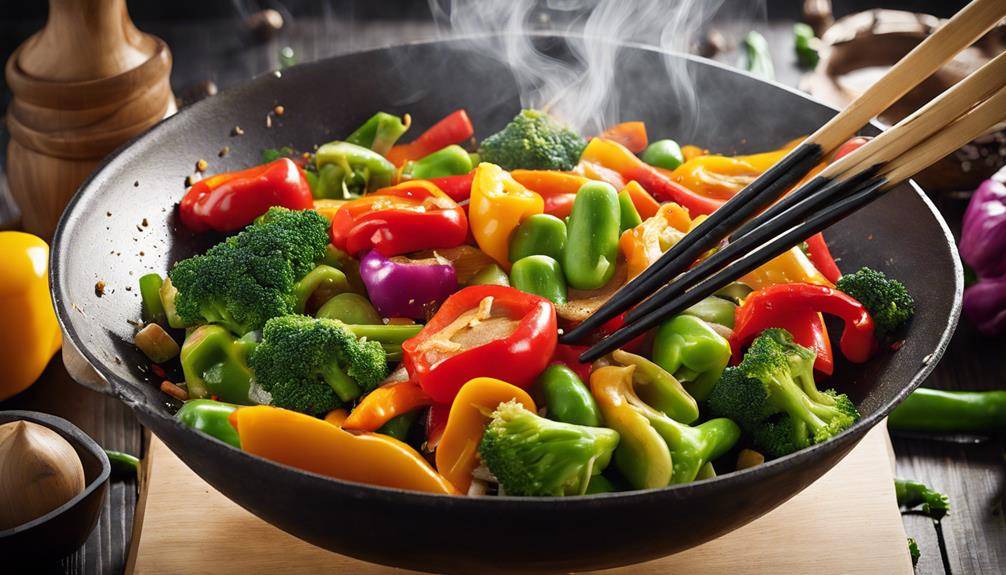
Stir-frying is a fast and fun technique you can easily master! Start by choosing a carbon steel or cast iron wok for even heat distribution. Prep your ingredients by chopping them uniformly, so they cook evenly. Heat your pan on high and add marinated proteins first, followed by harder veggies like broccoli. Toss in softer vegetables toward the end. Don’t forget to season with soy sauce and sesame oil for flavor. Monitor your cooking times to avoid overcooking. With these basics, you’ll be on your way to delicious stir-fries. Discover additional tips to enhance your skills further!
Click Here and Turn Every Masterpiece into a Showstopper!
Choosing the Right Equipment
When it comes to stir-frying, the right equipment can make all the difference in achieving that perfect flavor and texture. A well-designed wok is your best friend in this cooking technique. Look for woks made from materials like carbon steel or cast iron, as they offer excellent heat distribution. These materials heat up quickly and retain that heat, ensuring your ingredients cook evenly.
If you don’t have a wok, don’t fret; there are pan alternatives. A large, heavy skillet can work just as well, but make sure it has high sides to keep everything contained while you stir. Avoid non-stick pans for stir-frying, as they don’t handle high heat well and can’t achieve the charred flavor that a traditional wok offers.
Your utensil choices are just as important as your cookware. Opt for a spatula made of wood or silicone to protect your wok’s surface and to avoid scratching. Metal utensils can damage your wok, especially if it’s made of softer materials. A long-handled spatula gives you the reach you need when tossing ingredients without getting too close to the heat.
Essential Ingredients for Stir-Frying
Flavor is the heart of stir-frying, and choosing the right ingredients can elevate your dish from ordinary to extraordinary. Start with your protein options, like chicken, beef, shrimp, or tofu. These not only provide substance but also absorb the delicious stir fry sauces you’ll use. For the best results, consider marinating your protein ahead of time. This enhances the flavor and helps in flavor balancing when combined with your vegetables.
Next, think about your vegetable combinations. Fresh veggies like bell peppers, broccoli, and snap peas add vibrant colors and crunch. Aim for texture variations; you want a mix of crisp and tender. Cooking times matter here, so keep harder vegetables, like carrots, in the pan a little longer than softer ones, like zucchini.
Don’t forget seasoning tips! A dash of soy sauce, a splash of sesame oil, or a sprinkle of garlic can make a huge difference. At times, you might need ingredient substitutions; if you can’t find snow peas, sugar snap peas work just as well.
Meal prep is another essential aspect. Chop your ingredients ahead of time to streamline the cooking process. This way, you can quickly toss everything in the pan and enjoy your stir-fry without delay. Remember, the right balance of flavors and textures will create a satisfying dish that you’ll want to make again and again!
Preparing Your Ingredients
To create a delicious stir-fry, start by prepping your ingredients carefully. First, focus on ingredient washing. Rinse your vegetables and proteins under cold water to remove any dirt or residues. Next, move on to ingredient chopping. Cut your vegetables and proteins into uniform sizes to guarantee even cooking.
Once you’ve chopped everything, think about ingredient marinating. If you’re using meat, consider marinating it in your favorite sauce or seasoning for at least 15-30 minutes to enhance flavor. While that’s happening, you can work on ingredient measuring. Measure out sauces and spices to have them ready when you start cooking.
Now, let’s discuss ingredient portioning. Decide how much of each ingredient you want in your stir-fry and set them aside. This’ll help you maintain balance in your dish and avoid overcrowding your pan. When it comes to ingredient flavoring, don’t skimp on seasonings. A little garlic, ginger, or chili can go a long way in elevating your dish.
Remember ingredient pairing as well. Combine flavors that complement each other; for example, pairing bell peppers with chicken or broccoli with beef can create a harmonious taste profile. Finally, consider ingredient storage. If you’ve prepped more than you need, store any leftover ingredients properly in airtight containers to keep them fresh for your next cooking adventure. With your ingredients prepped, you’re now ready to move on to the cooking process!
Understanding Heat Levels
Understanding heat levels is essential for perfect stir-frying. You need to know the different types of heat sources and how to adjust the temperature based on your ingredients. Mastering this will help you achieve that ideal texture and flavor in every dish.
Importance of Heat Control
Heat control is the backbone of successful stir-frying, as it directly impacts the texture and taste of your ingredients. Mastering flame intensity allows you to adjust temperature control effectively, guaranteeing each ingredient cooks perfectly. Start by pan preheating to achieve ideal heat distribution, which helps prevent sticking and promotes even cooking.
During the stir-frying process, quick adjustments in heat can make a significant difference in cooking times. For instance, lowering the flame can help avoid burning delicate vegetables while making sure they retain their crunch. Be mindful of the smoke point of your oil; exceeding it can lead to undesirable flavors and potential health risks.
Remember that ingredient compatibility plays an essential role in determining the right heat level. Meats generally require higher temperatures for proper searing, while softer vegetables need gentler heat for flavor enhancement. By understanding and applying these principles of heat control, you’ll not only promote food safety but also elevate the overall quality of your stir-fries. With practice, you’ll gain confidence in adjusting the heat to create delicious meals that impress.
Click Here and Turn Every Masterpiece into a Showstopper!
Types of Heat Sources
When you stir-fry, the type of heat source you choose can greatly influence your cooking outcomes. Gas stoves are popular among chefs for their high flame intensity and immediate temperature regulation, allowing you to achieve that signature sear. Electric woks offer convenience and consistent heat distribution, but they might not reach the same high temperatures as gas. On the other hand, induction cooktops provide precise control, heating only the cooking surfaces while remaining cool to the touch, enhancing stovetop safety.
If you’re looking for a unique flavor, consider using charcoal grills. They impart a smoky taste but require careful heat management. Portable burners are excellent options for those who need flexibility, whether you’re cooking indoors or outdoors. Each heat source has its pros and cons, so it’s essential to understand how they affect your stir-frying technique.
Experimenting with different sources will help you find what works best for your style. Just remember to monitor your heat levels closely, as they can change quickly. By mastering your chosen heat source, you’ll set the stage for delicious stir-fries every time.
Adjusting Heat for Ingredients
Mastering the art of adjusting heat for your ingredients is vital for achieving perfectly cooked stir-fries. Different ingredients require different cooking times, and the right heat level guarantees everything cooks evenly and retains its flavor. Start with high heat for proteins like chicken or shrimp. This quick sear locks in juices and creates that desirable char.
Once you add vegetables, you might need to lower the heat slightly. Dense veggies, like carrots and bell peppers, take longer to cook, so you can add them first or keep the heat steady for a minute longer. For delicate ingredients like leafy greens or pre-cooked noodles, a quick toss over medium heat will suffice, preventing them from wilting or sticking.
Ingredient pairing is essential here too. If you’re stir-frying tender broccoli alongside tougher ingredients, add the broccoli later and adjust the heat accordingly. This way, everything finishes cooking at the same time and maintains its texture. Remember, controlling the heat isn’t just about temperature; it’s about timing and understanding how each ingredient reacts. By mastering these elements, you’ll create delicious, well-balanced stir-fries every time.
Mastering the Stir-Fry Technique
To master the stir-fry technique, you need the right equipment and a solid prep strategy. A good wok and high-quality utensils can make all the difference, while prepping your ingredients will guarantee everything cooks evenly. Let’s explore how to set yourself up for stir-frying success!
Essential Stir-Fry Equipment
Before you plunge into the world of stir-frying, having the right equipment can make all the difference in your cooking experience. Start with a good quality wok. There are various wok types—traditional carbon steel, non-stick, and cast iron—each offering unique benefits. If you opt for non-stick cookware, make certain it’s suitable for high heat, as stir-frying requires quick cooking at high temperatures.
Next, gather essential stir-fry utensils. A heat-resistant spatula is vital for tossing ingredients without damaging your cookware. Look for silicone or wooden options that can withstand the heat while being gentle on your wok’s surface.
You’ll also need a sturdy cutting board for prepping your ingredients. A solid board makes chopping veggies and proteins easier and safer. Don’t forget about ingredient storage; having containers to keep prepped ingredients organized helps streamline your cooking process.
Click Here and Turn Every Masterpiece into a Showstopper!
Ingredient Preparation Tips
Preparing your ingredients properly sets the stage for a successful stir-fry. Start by honing your knife skills; mastering chopping techniques not only speeds up your prep but also guarantees uniform cooking. When sourcing your ingredients, opt for fresh produce to enhance flavor and texture variation in your dish.
Next, consider ingredient storage. Keep your veggies and proteins correctly stored to maintain their freshness. Color contrast in your stir-fry isn’t just eye-catching; it can also enhance flavor balancing. Combine vibrant bell peppers, leafy greens, and protein for a visually appealing dish.
Cooking Order of Ingredients
Getting the cooking order right is crucial for achieving the perfect stir-fry. When you start cooking, remember that different ingredients have varying cooking times. To create delicious, evenly cooked dishes, you’ll want to begin with those that take the longest to cook and finish with the quick-cooking items.
Start with your proteins, like chicken, beef, or tofu. These need more time to cook through, so toss them into the pan first. Cook them until they’re browned and fully cooked, then move them to the side of the pan or take them out momentarily while you prepare the next ingredients.
Next, add harder vegetables that require more time, such as carrots, bell peppers, or broccoli. Stir-fry these for a few minutes until they start to soften. After that, you can add softer vegetables, like snow peas or bell peppers, which need less time. This method guarantees that all your ingredient combinations come together perfectly without any overcooking.
Incorporating Sauces and Seasonings
To create a flavorful stir-fry, knowing how and when to incorporate sauces and seasonings is essential. Start by selecting your sauce combinations; soy sauce, oyster sauce, and hoisin sauce are great bases. You can mix these with other ingredients to craft marinade options that enhance the protein you’re using. For instance, marinating chicken in a blend of soy sauce and ginger can add depth to your dish.
When it comes to seasoning tips, remember that balance is key. You want to harmonize the flavors without overpowering them. Add a touch of sweetness with sugar or honey, and a bit of acidity with rice vinegar or citrus juice to create a well-rounded profile.
Sauce thickness is another significant factor. A thicker sauce clings better to your ingredients, while a thinner sauce will coat them lightly. If you prefer a thicker sauce, consider adding a cornstarch slurry towards the end of cooking to achieve that desired consistency.
Ingredient pairing is also vital; think about how different flavors work together. For umami enhancements, consider adding mushrooms or a splash of fish sauce.
Tips for Keeping It Healthy
When you’re stir-frying, choosing lean proteins and fresh vegetables is key to keeping your meal healthy. Opt for chicken breast, shrimp, or tofu to cut down on fat while still getting plenty of protein. Fresh veggies not only add color and flavor but also boost the nutritional value of your dish.
Choose Lean Proteins
Choosing lean proteins is essential for a healthy stir-fry that still packs a flavor punch. Start by selecting protein sources like chicken breast, turkey, shrimp, or tofu. These options not only provide the necessary nutrients but also keep the dish light. When it comes to protein marinades, opt for low-sodium soy sauce, ginger, and garlic—these ingredients enhance flavor without adding extra calories.
Consider the protein textures you want in your stir-fry. For a satisfying bite, combine tender chicken with crunchy vegetables or pair shrimp with soft tofu. If you’re looking for protein substitutes, beans or chickpeas can offer a hearty alternative for vegetarians, while still delivering on taste and texture.
To make your stir-fry even healthier, focus on protein pairings that complement your veggies. Mixing lean proteins with a variety of colorful vegetables not only boosts nutritional value but also enhances presentation. Finally, mastering protein cooking techniques like quick searing or steaming helps retain the protein’s moisture, ensuring your dish is both flavorful and healthy. Embrace these tips to create delicious, lean protein-packed stir-fries!
Use Fresh Vegetables
Fresh vegetables are essential for a vibrant and nutritious stir-fry. When you choose fresh produce, you’re not only enhancing the flavor but also augmenting the health benefits of your meal. Opt for seasonal variety to get the best taste and nutrition. In-season veggies often pack more nutrients and are usually more affordable.
To create a beautiful dish, focus on color contrast. Bright peppers, deep green broccoli, and vivid carrots not only look appealing but also offer a range of vitamins. Texture balance is equally important; mix crunchy vegetables like snap peas with softer ones like mushrooms for a satisfying bite.
For maximum nutrient retention, avoid overcooking your veggies. Quick stir-frying keeps them crisp and vibrant. Consider flavor pairing as well; ingredients like garlic and ginger can elevate the taste profile of your fresh vegetables.
When possible, prioritize local sourcing and organic choices. This not only supports your community but also guarantees you’re getting the freshest options available. By following these tips, you’ll create delicious and healthy stir-fries that celebrate the best of what fresh vegetables have to offer.
Click Here and Turn Every Masterpiece into a Showstopper!
Common Mistakes to Avoid
Avoiding common mistakes is vital for mastering stir-frying. One of the biggest errors you can make is overcooking vegetables. They should be crisp and vibrant, not mushy. Another common pitfall is using too much oil; it can make your dish greasy rather than flavorful. Don’t neglect seasoning, either—without it, your stir-fry will lack depth.
Be mindful of overcrowding the pan. If you add too many ingredients at once, they’ll steam rather than fry, ruining that desired texture. Ignoring ingredient sizes is another mistake; cut everything evenly to guarantee uniform cooking. Skipping prep work can lead to chaos—have everything ready to go before you start cooking.
Choosing the wrong pan can affect the heat distribution, so stick with a wok or a skillet. Not preheating your pan properly can also lead to soggy results. Forgetting to stir while cooking may leave some ingredients undercooked. Cooking on low heat is a no-go; stir-frying requires high heat for that characteristic sear.
Using frozen ingredients can hinder your stir-fry’s quality, as they’ll release water and create steam. Relying solely on sauces can mask flavors, so incorporate fresh herbs and spices instead. Avoiding protein marination can result in bland meat. Finally, cut ingredients evenly, and don’t forget to taste. Misunderstanding timing can lead to disaster, so keep an eye on everything and adjust as necessary. By steering clear of these mistakes, you’ll elevate your stir-frying game noticeably.
Quick Stir-Fry Recipe Ideas
Stir-frying is a quick and versatile cooking method that lets you whip up delicious meals in no time. To get you started, here are some easy stir-fry recipe ideas that highlight various vegetable combinations, protein pairings, and sauce variations.
For a vibrant dish, try sautéing broccoli, bell peppers, and snap peas. Pair these veggies with sliced chicken or tofu for a hearty meal. A simple soy sauce and ginger mix works wonders, but feel free to experiment with teriyaki or peanut sauce for different flavor profiles.
If you’re pressed for time, use pre-cut vegetables and marinated proteins to streamline meal prep. Cooking times vary, but generally, you should aim for 5-7 minutes over high heat to keep those veggies crisp and colorful. Remember, balancing flavors is key; add a splash of vinegar or a sprinkle of sesame oil to enhance your dish.
For a delightful texture contrast, consider adding nuts or seeds, like cashews or sesame seeds, just before serving. If you don’t have a specific vegetable on hand, don’t hesitate to make ingredient substitutions—carrots can replace bell peppers, and shrimp can easily swap with beef.
Lastly, keep it simple by preparing a stir-fry bowl with cooked rice or quinoa as a base. Mix and match your protein, vegetables, and sauces for endless possibilities and quick, satisfying meals any day of the week. Happy stir-frying!
Click Here and Turn Every Masterpiece into a Showstopper!
Frequently Asked Questions: Easy Stir-Frying Techniques For Beginners
Can I Use Frozen Vegetables for Stir-Frying?
Yes, you can use frozen vegetables for stir-frying! They save prep time and retain nutrients. Just thaw slightly beforehand, and remember to adjust your cooking time for ideal texture and flavor in your stir fry.
How Do I Store Leftover Stir-Fry Properly?
To store leftover stir-fry properly, use airtight stir fry containers. Cool it down first, then refrigerate. When you’re ready to eat, try reheating techniques like microwaving or sautéing for the best flavor.
What Type of Pan Is Best for High Heat?
For high heat, you’ll want a stir fry pan with excellent heat distribution. A carbon steel or cast iron pan works best, as they can withstand and evenly distribute high temperatures, ensuring your ingredients cook perfectly.
How Long Can I Marinate Ingredients Before Cooking?
You can marinate ingredients for 30 minutes to 2 hours, depending on the protein. This timing enhances flavor absorption, ensuring your dish is delicious. Just don’t overdo it, as flavors can become overpowering.
Are There Any Vegetarian Protein Options for Stir-Frying?
You’ve got several vegetarian protein options for stir-frying! Consider tofu options, tempeh varieties, seitan substitutes, or even chickpea protein. Each adds flavor and texture, making your dishes delicious and satisfying without meat.

Conclusion
With these easy stir-frying techniques, you’re well on your way to creating delicious meals in no time. Remember to choose the right equipment, prep your ingredients, and master your heat levels to get the perfect texture. Don’t shy away from experimenting with sauces and seasonings to suit your taste. Keep it healthy, avoid common mistakes, and soon you’ll impress family and friends with your tasty stir-fries. Immerse yourself and enjoy your cooking journey!