How To Gratinate Without Burning Food
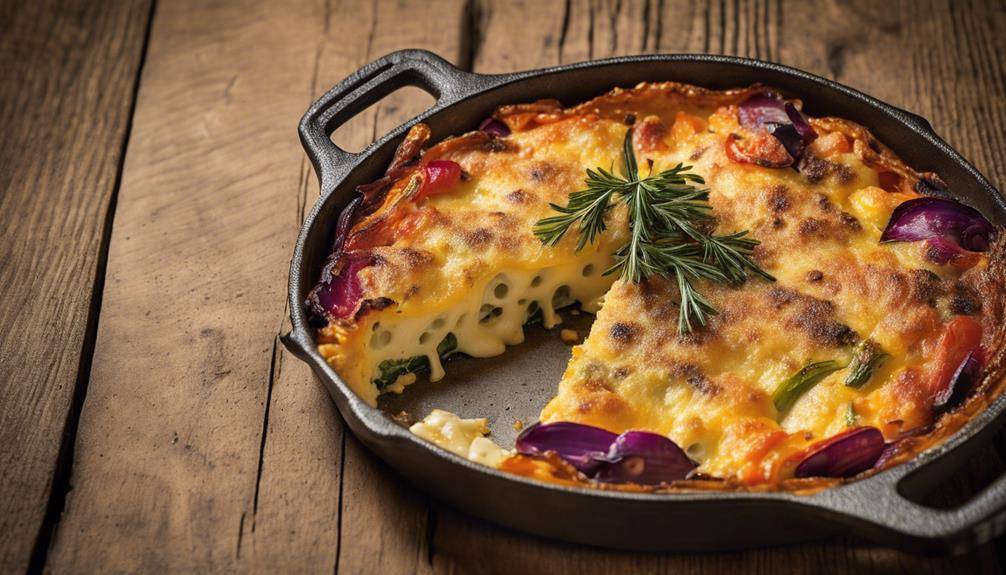
How To Gratinate Without Burning Food; To gratinate without burning your food, start by layering your ingredients evenly. Use a creamy sauce that binds well and check that you’re not overcrowding your dish. Preheat your oven for even cooking, ideally between 375°F and 425°F. Keep a close eye on your dish, looking for a golden-brown crust, and set timers for monitoring. If the top browns too quickly, cover it with aluminum foil. Don’t forget to rotate the dish for consistent results. With these techniques, you’ll achieve a delicious gratin without the charred edges, and there’s much more to explore for perfect outcomes!
Understanding Gratin Techniques
Gratin techniques are all about achieving that perfect balance of flavor and texture. To master this cooking method, you need to focus on two key elements: layering techniques and sauce consistency. These components work together to create a dish that’s both visually appealing and delicious.
Start by considering your layering techniques. Whether you’re using vegetables, meats, or starches, how you stack your ingredients matters. Aim for even layers, as this guarantees that each ingredient cooks uniformly. For instance, if you’re gratinating potatoes, slice them thinly and arrange them tightly in the dish. This not only helps with cooking but also enhances the overall presentation.
Next, pay attention to sauce consistency. A good gratin relies on a creamy sauce that binds the layers together. You want a sauce that’s thick enough to coat your ingredients but not too thick that it clogs the flavors. Consider making a béchamel sauce or a cheese sauce; both can work wonders. When you pour the sauce over your layers, make sure it seeps into the crevices, enveloping each ingredient for maximum flavor.
Choosing the Right Ingredients
Selecting the right ingredients is key to achieving a successful gratin. Start with your ingredient selection by considering the main components: vegetables, starches, and cheeses. For vegetable choices, think about those that hold their texture well when cooked, like potatoes, zucchini, or root vegetables. Combine these with appropriate starch options, such as rice or pasta, to create a hearty base.
When it comes to cheese types, you’ll want to choose those that melt beautifully and add depth of flavor. Gruyère, cheddar, or even a mix of cheeses can elevate your dish. Don’t forget to think about texture variety; layering different ingredients can create a more interesting mouthfeel. For instance, pairing creamy cheeses with crunchy breadcrumbs on top gives a delightful contrast.
Seasoning balance is essential, as you want your flavors to shine without overwhelming the dish. Experiment with herb pairings, like thyme or rosemary, to enhance the overall taste. If you’re looking for dairy alternatives, consider using plant-based cheeses or nut creams, especially if you want a lighter gratin that still delivers on flavor.
Lastly, think about your cooking methods. Roasting or sautéing your vegetables before layering them in the gratin can develop their flavors further, ensuring a delicious outcome. With thoughtful ingredient selection, you’ll create a gratin that’s not only tasty but also beautifully textured and aromatic. Enjoy the process, and let your creativity shine!
Preparing Your Dish Properly
Properly preparing your dish is essential for achieving the perfect gratin. Start by verifying all your ingredients are prepped and ready to go. This means washing, peeling, and slicing vegetables uniformly to guarantee even cooking. Proper ingredient layering is key; you want to create a harmonious blend of flavors and textures. Begin with a base layer of your main ingredient, such as potatoes or vegetables, ensuring they’re arranged flat in your baking dish.
Next, sprinkle a layer of seasoning, cheese, or a sauce to enhance flavor. Don’t skimp on the salt and pepper; they help elevate the dish’s overall taste. After that, add another layer of your main ingredient. Continue this dish assembly process, alternating between your main ingredients and flavor enhancers until you reach the top of your dish. Remember, the last layer should ideally be a generous sprinkle of cheese or breadcrumbs for that glorious, crispy topping.
Make certain to avoid overcrowding your layers. While it might be tempting to pile on more ingredients, doing so can lead to uneven cooking and soggy results. Finally, if you’re using a creamy sauce, verify it seeps through the layers for moisture and flavor. Once your dish is assembled, let it sit for a few minutes before placing it in the oven. This resting time allows the flavors to meld beautifully. With these steps, you’re well on your way to a perfectly prepared gratin that’s ready for the oven.
Optimal Oven Settings
To achieve the perfect gratin, you need to master your oven settings. Start by preheating your oven to guarantee even cooking, then select the right temperature for your dish. Finally, don’t forget to use the broiler wisely to get that golden finish without burning.
Preheat Your Oven Correctly
Preheating your oven correctly is essential for achieving that perfect gratin without burning the top layer. To start, make certain your oven reaches the right oven temperature before you place your dish inside. If you skip this step, you risk uneven cooking, which can lead to a burnt top while the bottom remains undercooked.
Check your oven calibration to confirm accuracy. Many home ovens can be off by several degrees, which affects how well your gratin cooks. Use an oven thermometer to verify that it’s heating to the correct temperature. If it’s not, adjust the settings accordingly or consult the manual for calibration instructions.
Once you know your oven is calibrated, set it to preheat for at least 15-20 minutes. This allows the heat to distribute evenly, creating the ideal environment for your gratin. Avoid opening the oven door frequently during this time, as it can cause temperature fluctuations.
Select Appropriate Temperature
After confirming your oven is preheated accurately, selecting the right temperature for your gratin is essential for achieving that perfect golden crust without burning it. The ideal gratin temperature typically falls between 375°F and 425°F (190°C and 220°C). This range allows for even cooking while caramelizing the top layer to a delightful crisp.
When using traditional cooking methods, aim for 375°F to start. This guarantees the interior cooks through without overcooking the top. If you’re looking for an extra crisp, you can increase the temperature to 425°F for the last few minutes. Just keep a watchful eye, as food can shift from perfectly golden to burnt in moments.
Use Broiler Wisely
Using the broiler effectively can elevate your gratin to new heights. To make the most of this powerful tool, you need to understand your broiler settings and how to use them for ideal heat distribution. Start by preheating your broiler, allowing it to reach full temperature before you place your dish inside. This guarantees even cooking and helps achieve that golden, crispy top you desire.
Position your rack about 6 inches from the heating element. This distance allows the intense heat to work its magic without burning the dish. Keep an eye on your gratin as it cooks—broiling can turn from perfect to burnt in just a minute or two.
Don’t forget to rotate your dish if your broiler has uneven heat distribution; this helps achieve a consistent browning. If your gratin starts to darken too quickly, lower the rack or shield it with aluminum foil. Remember, patience is key. With the right broiler settings and attentive monitoring, you’ll create a beautiful gratin that’s deliciously crispy without the charred edges. Enjoy your culinary masterpiece!
Timing Your Cooking
To achieve perfect gratination, you need to pay close attention to timing your cooking. Start by preheating your oven properly, as this sets the foundation for even cooking. Then, keep an eye on the cooking duration and learn to use the broiler wisely to avoid burning your food.
Preheat Your Oven Properly
Preheating your oven is an essential step that sets the stage for perfectly gratinated dishes. It guarantees that your food cooks evenly and achieves that golden-brown crust without burning. Start by selecting the right oven temperature for your dish—generally, around 375°F to 450°F works best. Use effective preheating methods, such as turning the oven on at least 15-20 minutes prior to cooking, to allow for ideal heat distribution.
Make sure your oven is calibrated correctly; an inaccurate temperature can lead to uneven cooking. Pay attention to your cooking surfaces as well—metal pans typically yield better results than glass, as they provide more even heat conduction. Consider moisture levels in your ingredients; if they’re too high, they might prevent proper browning.
Lastly, choose appropriate pan selection for your dish, ensuring air circulation is not restricted. This will help achieve that desirable, crispy texture on top. Following these guidelines will help you master the art of preheating, setting you up for success in creating delicious gratinated meals.
Monitor Cooking Duration
Once your oven is preheated and ready to go, timing your cooking becomes important for achieving that perfect gratin. Using cooking timers is essential; they help you keep track of how long your dish has been in the oven. Set a timer for the recommended cooking duration, but don’t rely solely on it.
In addition to timers, consider using food thermometers to check the internal temperature of your gratin. This guarantees that your dish is heated to the right temperature without overcooking. A thermometer can provide you with an accurate reading, so you don’t have to guess.
Don’t forget about kitchen alarms. If you’re multitasking, these handy tools can alert you when it’s time to check your dish.
Lastly, pay attention to visual cues. Look for that golden-brown crust on top and bubbling edges. This is a good indication that your gratin is close to perfection. By combining these techniques—timers, thermometers, alarms, and visual checks—you’ll be well-equipped to monitor your cooking duration and avoid burning your food. Happy gratinating!
Use Broiler Wisely
How can you make the most of your broiler without risking burnt edges? First, understand your broiler settings. Familiarize yourself with different broiler types—some have high and low settings. Adjusting the broiler placement is essential; keep the food about six inches away from the heating element for even cooking.
Next, timing is everything. Broiler cooking typically requires less time than oven baking. Check your dish frequently, as it can go from perfectly gratinated to burnt in a blink. Set a timer for a few minutes less than the recommended cooking duration and monitor closely.
Remember broiler safety. Always use broiler-safe cookware, and make certain your oven’s vents are clear for proper airflow. Regular broiler maintenance helps prevent smoke buildup, which can lead to unwanted flavors and odors.
Lastly, consider broiler versus oven methods. While the oven is great for slow-cooking, the broiler excels at quickly creating a crispy finish. Embrace the broiler’s power, but do so with care, and you’ll achieve that perfect gratin without the burnt edges. Happy cooking!
Monitoring the Gratin Process
During the gratin process, keeping a close eye on your dish is essential for achieving that perfect golden crust without charring. As your dish cooks, you’ll want to monitor the gratin color closely. The ideal shade is a rich, golden brown, signaling that the top layer is crisping up nicely while the contents underneath are evenly heated.
Set a timer for the initial cooking time, but don’t rely solely on it. Check in on your dish every few minutes. This will give you a chance to assess both the gratin color and the food texture. You’re looking for a lovely balance: the top should be crunchy, while the rest of the dish remains tender and flavorful.
If you notice the top browning too quickly, you can cover it loosely with aluminum foil to prevent burning while the rest of the dish finishes cooking. On the flip side, if the gratin color is too pale even after the suggested cooking time, it might be time to increase the heat slightly or reposition your dish closer to the heat source.
Tips for Perfect Results
To consistently achieve perfect results when gratinating, always guarantee you’re using the right ingredients and techniques. Start with your cheese selection; opt for varieties that melt well, such as Gruyère, Fontina, or Mozzarella. These cheeses not only melt beautifully but also create a delightful crust when browned. Don’t skimp on quality—better cheese makes a noticeable difference in flavor and texture.
Next, pay attention to your garnishing techniques. The right topping can elevate your dish from good to exceptional. Consider mixing breadcrumbs with herbs, garlic, or even a hint of zest for added flavor. A sprinkle of Parmesan combined with panko breadcrumbs can provide a crispy texture that contrasts nicely with the creamy base beneath.
Ensure you evenly distribute your toppings for consistent browning. Uneven layers can lead to some areas burning while others remain pale. Additionally, keep an eye on your oven temperature; too high, and you risk burning the top before the dish is heated through. A moderate temperature allows for even cooking and perfect gratination.
Frequently Asked Questions: How To Gratinate Without Burning Food
Can I Use a Toaster Oven for Gratinating?
Yes, you can use a toaster oven for gratinating! Just set it to the ideal temperature, usually around 400°F. Keep an eye on it to guarantee even browning without burning. Enjoy your delicious dish!
What Types of Cheeses Work Best for Gratin?
For a delicious gratin, choose cheese varieties like Gruyère, Fontina, or aged Cheddar. Each brings unique flavor profiles that melt beautifully, enhancing your dish with richness and depth. Experiment to find your perfect combination!
How Do I Know if My Gratin Is Done?
To know if your gratin’s done, check the texture; it should be bubbly and golden brown. Typically, the cooking time ranges from 30 to 45 minutes, depending on the ingredients and oven temperature.
Can I Gratinate Without Using Dairy Products?
Yes, you can gratinate without dairy products! Use dairy alternatives like cashew cream or almond milk, and explore plant-based options such as nutritional yeast for that cheesy flavor. Get creative and enjoy your delicious, guilt-free gratin!
What Should I Do if My Gratin Is Browning Too Quickly?
If your gratin’s browning too quickly, lower the baking temperature and cover it loosely with foil. Check your ingredient layering; thicker layers can trap heat, causing uneven cooking and excessive browning. Adjust as needed.

Conclusion
By following these tips, you can master the art of gratinating without burning your food. Remember to choose the right ingredients, prepare your dish properly, and keep an eye on the oven settings and cooking time. With a bit of practice and attention, you’ll achieve that perfect golden crust every time. So go ahead, impress your guests with your gratin skills, and enjoy the delicious results without the worry of burnt edges!
If you enjoyed exploring this topic and want to dive even deeper, be sure to check out some of our other articles here on Infinite Flavors. From rich culinary histories to creative twists on classic recipes, there’s always something new to discover. Whether you’re curious about the origins of a dish, looking for fresh inspiration in the kitchen, or simply love learning about food culture, our collection of posts is the perfect next step on your flavor journey.
The Great Difference Between Gratinating And Au Gratin
How To: All About Gratinating Foods In Microwave