The Great Difference Between Gratinating And Au Gratin
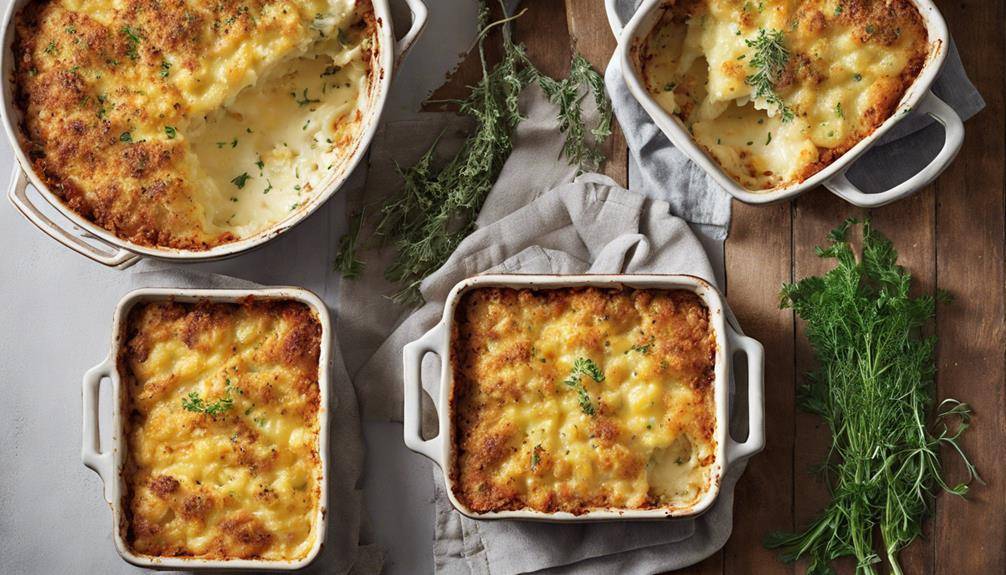
Difference Between Gratinating And Au Gratin; Gratinating and au gratin both enhance dishes, but they differ in technique and result. When you gratinate, you create a crispy crust using high heat, often broiling or baking. It’s all about that crunchy finish. Au gratin, on the other hand, involves layering ingredients with a creamy sauce topped with cheese or breadcrumbs. It’s richer and usually bubbling with goodness. While gratinating is great for vegetables and meats, au gratin shines with potatoes and creamy bases. Each method adds unique flavors and textures, and there’s much more to explore about their delicious possibilities.
Definition of Gratinating
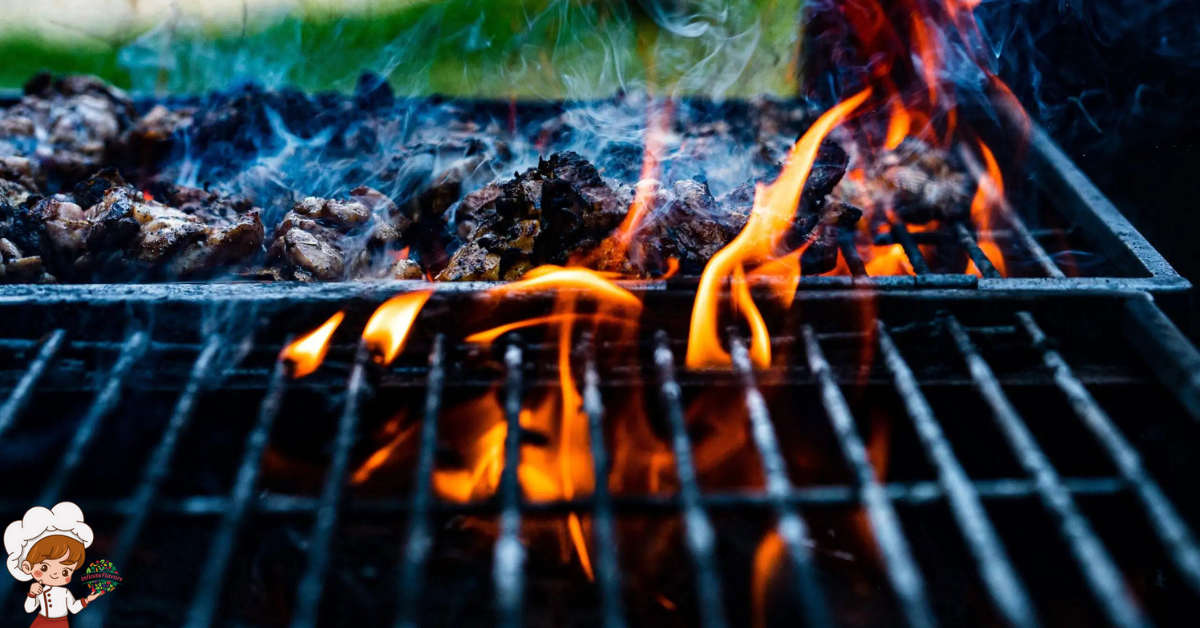
When you think of gratinating, imagine a cooking technique that creates a delicious, golden-brown crust on top of a dish. This method not only enhances the visual appeal of your meal but also adds a delightful texture and flavor. To achieve this, you can use various gratinating methods that range from broiling to baking. Each technique has its nuances, but they all share the goal of producing that irresistible crust.
You might start with a base dish, such as vegetables, pasta, or seafood, and then layer on a mixture of cheese, breadcrumbs, or other toppings. The key is to evenly distribute your chosen ingredients, ensuring they cover the surface adequately. When it comes to gratinating tools, having the right equipment can make a significant difference. A shallow baking dish or a cast-iron skillet works wonders, allowing heat to circulate and promote even browning.
Don’t forget about your broiler; it’s one of the most effective tools for quick gratination. By placing your dish under the broiler, you can achieve that golden color in a matter of minutes, but be careful not to burn it! Timing is essential, so keep an eye on it as it cooks. With practice, you’ll master the art of gratinating and impress everyone at your dinner table with beautifully crusted dishes that are as tasty as they are stunning.
Definition of Au Gratin
Au gratin, a term rooted in French cuisine, refers to a cooking method that often involves baking ingredients with a topping, typically cheese or breadcrumbs, until golden and crispy. You’ll find that this technique enhances flavors and textures, making dishes more appealing. Let’s explore the origins and the unique cooking techniques that define au gratin.
Origin of Au Gratin
The term “au gratin” refers to a cooking technique that incorporates a golden, crispy topping, often made from cheese, breadcrumbs, or a combination of both. This method has roots in French cuisine, where it was popularized in the 18th century. The history influences of this technique can be traced back to the need for enhancing flavor and texture in dishes, making it a staple in many households.
Cultural variations exist, as different regions have adapted the au gratin method to fit local tastes and ingredients. For instance, while the French typically use Gruyère cheese for their gratins, Italian cuisine often incorporates Parmigiano-Reggiano, showcasing how the basic technique can be transformed.
You might find various versions, from classic potato au gratin to vegetable or seafood variations, each reflecting the culture’s unique palate. The technique emphasizes not just taste, but also the visual appeal of the dish, inviting you to enjoy the crunchy topping that contrasts with the creamy base. Fundamentally, au gratin is more than just a cooking style; it’s a celebration of history and culture on your plate.
Cooking Techniques Used
Gratin cooking techniques focus on creating a rich, creamy base topped with a crispy layer, often achieved through baking or broiling. You’ll typically start by layering your main ingredients, like vegetables or pasta, in a baking dish. Next, you’ll add a creamy sauce, often made from cheese, milk, or a béchamel, to coat the ingredients. This creamy foundation not only provides moisture but also enhances the flavors of the dish.
Once your layers are in place, you’ll sprinkle a generous amount of breadcrumbs or cheese on top. This is where the baking techniques come into play. When you bake or broil the dish, the heat causes the topping to crisp and brown beautifully, creating that signature texture you crave in au gratin recipes.
Using broiling, you can achieve even more flavor enhancement, as the direct heat caramelizes the top layer, giving it a delightful crunch. Remember, timing is key; you want to guarantee the base is heated through while achieving a perfectly golden crust on top. So, whether you’re baking or broiling, mastering these techniques will elevate your au gratin dishes to a whole new level.
Key Differences
When it comes to cooking techniques, understanding the key differences between gratinating and au gratin can enhance your culinary skills. Both methods involve creating a deliciously crisp topping, but they differ in execution and ingredients.
Gratinating techniques typically focus on the application of heat to achieve the desired texture and flavor. You might use a broiler or high oven temperature to brown the top layer, which can consist of breadcrumbs, cheese, or even a combination. The emphasis is on achieving a golden crust while ensuring the dish below remains moist and flavorful.
On the other hand, au gratin variations showcase a broader range of ingredients and often feature a creamy base. While cheese is a common element in au gratin, you might also find dishes that incorporate béchamel or other sauces. The key difference lies in the method of layering; au gratin typically involves layering the main ingredients with the sauce and cheese, creating a richer, more decadent dish.
Cooking Techniques
When you’re exploring cooking techniques, you’ll notice key differences between gratinating and au gratin methods. Each approach impacts the ingredients you choose and results in unique textures and flavors. Understanding these variations can enhance your culinary skills and elevate your dishes.
Cooking Method Comparison
How do gratinating and au gratin differ in cooking techniques? While both methods involve browning food, their approaches are distinct. Gratinating techniques typically involve placing your dish under a broiler or in an oven set to high heat. This method quickly caramelizes the top layer, creating a crispy, golden crust. You’ll often see this technique used for vegetables or meats topped with breadcrumbs or cheese.
On the other hand, au gratin variations emphasize layering ingredients, often with a creamy sauce. In this method, you bake the dish until it’s bubbling and the top is browned. You might use a combination of cheese and breadcrumbs for an au gratin dish, but the key is in the preparation.
When you’re choosing between these two methods, think about the texture and flavor you want. If you prefer a quick, crunchy finish, go for gratinating. However, if you desire layers of flavor and a rich, creamy consistency, opt for au gratin. Both techniques can elevate your dish but cater to different tastes and textures.
Ingredient Variation Impact
Ingredient variation can considerably influence the outcome of both gratinating and au gratin dishes. When you choose different ingredients, you’re not just altering the dish’s appearance; you’re also affecting its taste and overall appeal. For instance, using a different type of cheese can lead to significant flavor enhancements. While Gruyère offers a nutty richness, a sharp cheddar might add a zesty kick.
Ingredient substitutions also come into play. If you’re short on potatoes, you might opt for cauliflower or even zucchini. These alternatives can change the dish’s character while still achieving that comforting, baked quality. Likewise, swapping heavy cream for a lighter milk or a dairy-free option can yield a healthier version of your favorite dish without sacrificing too much flavor.
Don’t underestimate the impact of herbs and spices, either. A sprinkle of fresh thyme or a dash of smoked paprika can elevate a basic gratin into something special. Fundamentally, being creative with your ingredients allows you to tailor gratinating and au gratin dishes to suit your taste preferences, dietary needs, or what you have on hand, making your cooking experience more enjoyable and versatile.
Texture and Flavor Differences
In the kitchen, understanding the texture and flavor differences between gratinating and au gratin techniques can elevate your cooking. While both methods involve browning a dish under a heat source, the outcomes can be quite distinct.
When you gratinate, you’re typically aiming for a crisp, crunchy texture on the surface. This technique usually involves a thin layer of breadcrumbs or cheese that caramelizes, providing that satisfying crunch. In contrast, au gratin often features a creamy base, leading to a softer, more tender texture with a slightly chewy top layer.
Flavor profiles also differ greatly. Gratinating tends to highlight the flavors of the ingredients beneath the crispy layer, lending a toasted, nutty essence from the browning process. On the other hand, au gratin dishes usually incorporate rich cheeses, cream, or béchamel, resulting in a more indulgent, savory flavor.
Common Ingredients
When preparing dishes that involve gratinating or au gratin techniques, you’ll often find a few common ingredients that create that signature flavor and texture. One of the most essential components is cheese. Different cheese types can elevate your dish, adding creaminess and richness. Cheddar, Gruyère, and Parmesan are popular choices, each bringing its unique taste and melting qualities. You can mix and match these cheeses to achieve the perfect balance for your palate.
Vegetable choices also play a critical role in these preparations. While you can use a variety of vegetables, potatoes are a classic staple for au gratin dishes. They absorb flavors well and create a hearty base. Other excellent options include asparagus, cauliflower, or broccoli, each offering distinct textures and flavors. You can even experiment with seasonal vegetables to keep your dishes fresh and exciting.
To enhance the overall experience, don’t forget seasonings. Salt, pepper, and nutmeg can bring out the best in your ingredients, while breadcrumbs sprinkled on top add that coveted crunch. Combining these cheese types and vegetable choices allows you to create a dish that’s not only visually appealing but also packed with flavor. So, gather your favorite cheeses and vegetables, and get ready to create a delicious gratin or gratinated dish that will impress your family and friends!
Popular Dishes
Whether you’re hosting a dinner party or looking for a comforting family meal, popular dishes that feature gratinating or au gratin techniques are sure to impress. One classic gratin dish you might want to try is the timeless potato gratin. Layered thinly sliced potatoes, cream, and cheese come together to create a creamy, golden delight that pairs well with almost any main course.
If you’re a fan of vegetables, consider making a cauliflower au gratin. This dish takes tender cauliflower florets and smothers them in a rich cheese sauce, topped with breadcrumbs for that perfect crunch. It’s an excellent way to sneak in some vegetables while keeping the flavors rich and satisfying.
Another favorite is the classic gratin dauphinois. This French dish showcases potatoes combined with garlic, milk, and cream, baked until bubbly. You won’t be able to resist the creamy texture and irresistible crust that forms on top.
For seafood lovers, a seafood au gratin is a fantastic option. Combining shrimp, scallops, or fish with a creamy sauce and topped with cheese creates a luxurious dish that’s perfect for special occasions.
Lastly, don’t forget about the versatility of gratin recipes beyond the main dishes. You can also create delicious gratin-style sides, like baked mac and cheese or a cheesy baked zucchini. Each of these gratin dishes adds a unique touch to your table and makes any meal feel special.
Tips for Success
To achieve the perfect gratin or au gratin dish, you’ll want to focus on a few key techniques that elevate your cooking. First, pay attention to your ingredient selection. Fresh, high-quality ingredients make a huge difference in flavor and texture. Opt for seasonal vegetables or premium cheeses to enhance your dish. Experiment with combinations that complement each other; for example, pairing creamy potatoes with sharp cheeses can create a delightful balance.
Next, consider your presentation tips. A visually appealing dish will entice your guests even before they take a bite. Use a shallow baking dish, as it allows for more even cooking and a beautiful crust. Layer the ingredients thoughtfully, guaranteeing that each layer is visible. A sprinkle of fresh herbs or additional cheese on top not only adds flavor but also elevates the overall look of your dish.
Temperature and timing are also essential. Preheat your oven to guarantee that your gratin cooks evenly. Keep an eye on it as it bakes; you want that perfect golden-brown crust. If you notice it browning too quickly, cover it with foil until it’s cooked through.
Lastly, let your dish rest for a few minutes after removing it from the oven. This allows flavors to meld and makes serving easier. With these tips in mind, you’ll create a gratin or au gratin dish that’s not just delicious but also a feast for the eyes. Enjoy the process, and happy cooking!
Pairing With Other Foods
After perfecting your gratin or au gratin dish, consider how to pair it with other foods to create a well-rounded meal. These dishes often have rich, creamy textures and flavors, so you’ll want to choose food pairings that complement them without overwhelming your palate.
Start with proteins. A perfectly roasted chicken or a succulent piece of beef pairs beautifully with a potato gratin. The savory notes of the meat enhance the creamy, cheesy goodness of the gratin. If you prefer seafood, try a baked fish or shrimp scampi alongside a vegetable au gratin; the lightness of the seafood balances the dish’s richness.
Next, think about vegetables. Pairing your gratin with fresh, sautéed greens—like spinach or asparagus—offers a nice contrast. The brightness of the greens can cut through the richness of the dish, creating complementary flavors that elevate your meal.
Don’t forget about salads! A simple mixed green salad with a light vinaigrette can provide a revitalizing crunch that contrasts nicely with the creamy texture of your gratin.
Lastly, consider the starches. If your gratin is made with potatoes, you might want to skip additional starches. However, if it features vegetables, a side of crusty bread can be a great option. The crunch of the bread adds texture while soaking up any delicious sauce.
Frequently Asked Questions: Difference Between Gratinating And Au Gratin
Can Gratinating Be Done Without Cheese?
Yes, you can absolutely use gratinating techniques without cheese. Try alternative toppings like breadcrumbs, herbs, or a sprinkle of spices to achieve that crispy, golden finish you’re aiming for while keeping it dairy-free.
What Types of Dishes Are Best for Au Gratin?
When you’re considering au gratin dishes, think creamy potatoes or seafood variations. These hearty options absorb flavors beautifully, creating a comforting texture topped with a golden crust that’ll impress everyone at your table.
Are There Vegetarian Options for Au Gratin Recipes?
Yes, there’re plenty of vegetarian options for au gratin recipes. You can use vegetable variations like potatoes, zucchini, or cauliflower, and creamy alternatives such as plant-based milk or vegan cheese for delicious, satisfying dishes.
How Do I Achieve a Perfect Golden Crust?
To achieve a perfect golden crust, you’ll need to bake at the right temperature. Keep an eye on crust texture; it should be crispy and golden, indicating it’s time to take your dish out.
Can I Use a Microwave for Gratinating?
You can use a microwave for gratinating, but it won’t achieve the same crispy texture. Instead, try microwave techniques like broiling or combining with oven methods for better results. There are great gratin alternatives to explore!

Conclusion
To sum up, understanding the difference between gratinating and au gratin can elevate your cooking skills. While both techniques create deliciously browned dishes, they have unique applications and ingredients. Now that you know the key differences and tips for success, you can confidently experiment in the kitchen. Whether you’re making a cheesy au gratin or a simple gratin, you’ll impress your family and friends with your newfound culinary knowledge. Happy cooking!
If you enjoyed exploring this topic and want to dive even deeper, be sure to check out some of our other articles here on Infinite Flavors. From rich culinary histories to creative twists on classic recipes, there’s always something new to discover. Whether you’re curious about the origins of a dish, looking for fresh inspiration in the kitchen, or simply love learning about food culture, our collection of posts is the perfect next step on your flavor journey.
The Best Gratinating Food For Kids Meals
How To Use Gratinating Technique In Vegan Cooking
How To: All About Gratinating Foods In Microwave