Amazing Gratinating Technique In French Cuisine
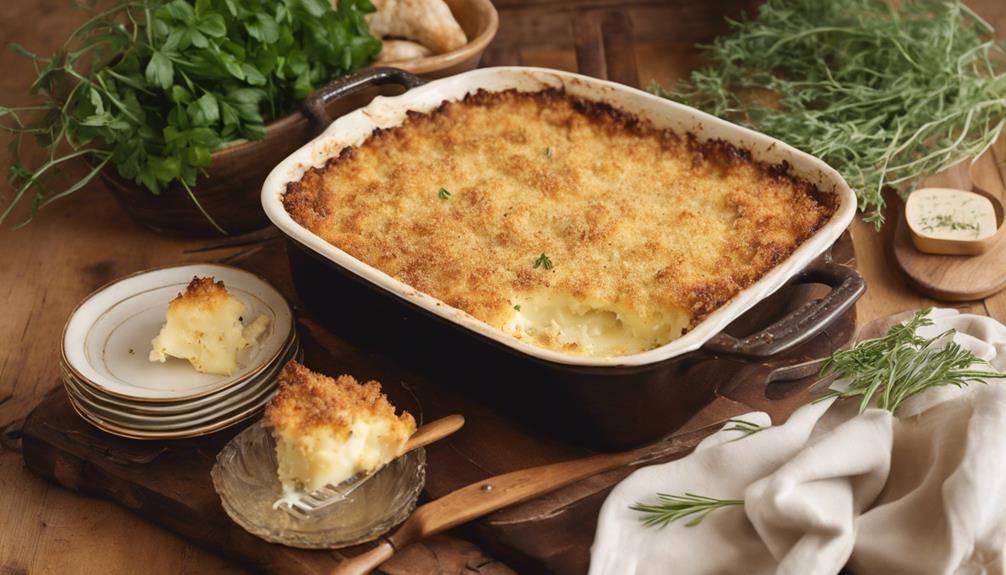
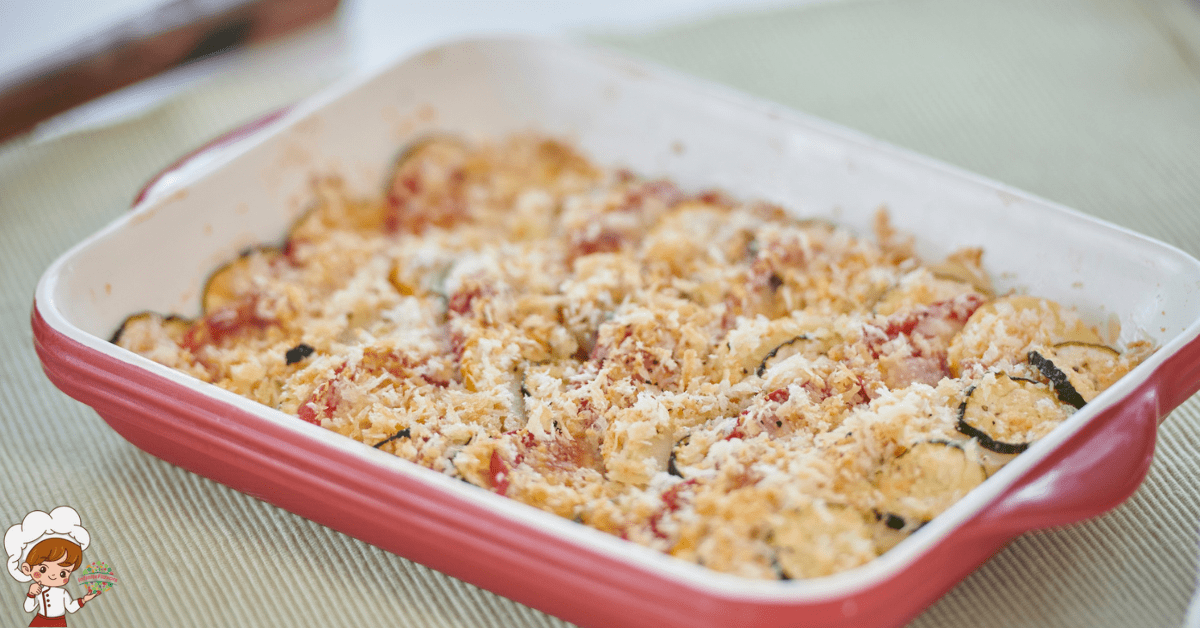
Gratinating Technique In French Cuisine; Gratinating is a key technique in French cuisine that gives your dishes a luxurious, comforting touch. You start by layering ingredients, often with vegetables, dairy, and flavorful toppings like cheese or breadcrumbs. This method creates a delectable crispy crust, thanks to the Maillard reaction during cooking. You can experiment with various cheeses and spices for unique flavor combinations. Preheating your oven and choosing the right baking dish are essential for an even cook. Whether you’re making a classic potato gratin or a veggie version, mastering this technique will elevate your meals. There’s so much more to discover about gratin!
History of Gratinating
Gratinating, a beloved technique in French cuisine, has roots that stretch back centuries. You might not realize it, but this method is steeped in history, evolving alongside the culinary traditions of France. Its origins can be traced back to the medieval period when cooks sought ways to enhance the flavors and textures of their dishes. As you explore the history of gratinating, you’ll see how this technique has transformed over time.
Initially, the gratin method was simple, often involving the use of bread crumbs or cheese to provide a crispy topping. As French cuisine evolved, so did the technique. It became a hallmark of French cooking, showcasing the country’s commitment to culinary creativity and refinement. By the 17th and 18th centuries, gratins made their way into elegant dining rooms, becoming a staple in many classic recipes.
As you learn about its French origins, you’ll discover that gratinating not only enhances the visual appeal of a dish but also elevates flavors through the Maillard reaction. This chemical process, which occurs when food is cooked at high heat, gives that iconic golden crust we all love. Over the years, the technique has inspired various interpretations across different cuisines, yet its roots remain firmly planted in French culture. So, whether you’re indulging in a traditional potato gratin or experimenting with new variations, you’re participating in a rich culinary evolution that spans centuries.
Essential Ingredients for Gratinating
When you’re ready to create a perfect gratin, you’ll need to focus on key dairy components like cream and cheese for that rich flavor. Don’t forget about the flavorful toppings that add texture and a beautiful golden crust. Finally, choose the ideal vegetables that will complement your dish and hold up well during the cooking process.
Key Dairy Components
The success of a gratin hinges on its key dairy components, which play an essential role in achieving that coveted golden-brown crust. To create the perfect gratin, you’ll want to choose the right cream types. Heavy cream is a favorite, delivering richness and a velvety texture, while half-and-half can provide a lighter option without sacrificing creaminess. Don’t forget about options like sour cream or crème fraîche; they add a delightful tang that elevates your dish.
If you’re looking for milk alternatives, options like almond or oat milk can work wonders, especially if you’re catering to dietary restrictions. Just confirm they’re unsweetened and full-fat to maintain the creamy consistency you need. Combining different dairy elements enhances flavor and texture; for example, mixing heavy cream with a splash of whole milk can strike the perfect balance.
Ultimately, the key is in the ratios and personal preference. Experiment with these dairy components to find what suits your taste best while still achieving that beautiful gratin crust. With the right dairy, you’ll elevate your gratin to a whole new level of deliciousness!
Flavorful Toppings Options
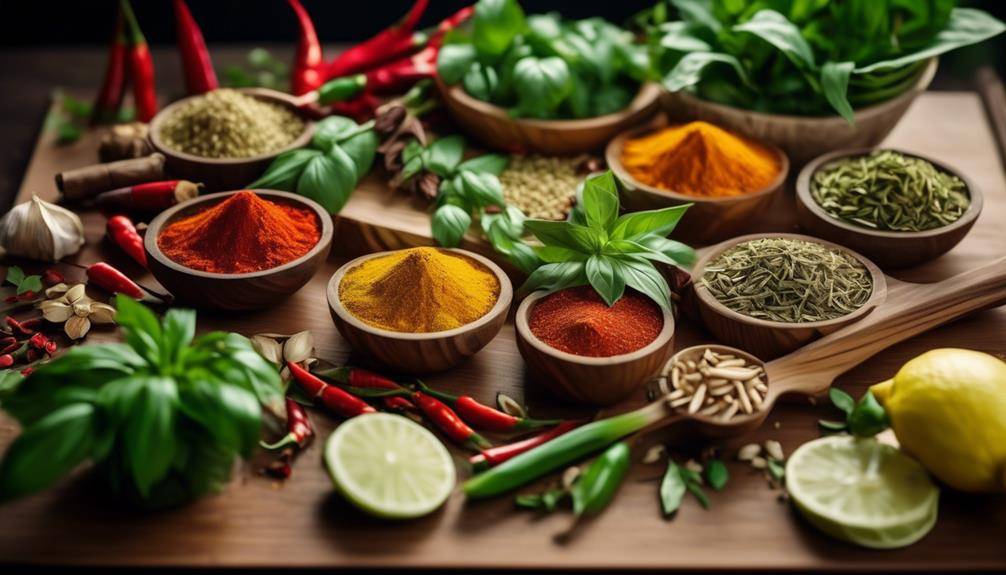
To elevate your gratin, flavorful toppings can make all the difference. You’ll want to think about both herb combinations and spice additions to create a mouthwatering dish that excites the palate. Fresh herbs like thyme, rosemary, and parsley can add a burst of freshness and depth to your gratin. Chopped chives or tarragon can also introduce a unique twist, enhancing the overall flavor profile.
When it comes to spice additions, consider using a pinch of nutmeg for warmth, or smoked paprika for a subtle smokiness. A dash of cayenne can bring a pleasant heat that balances the richness of your dish. Don’t shy away from experimenting—try mixing different spices to find your perfect blend.
For a crunchy texture, think about adding breadcrumbs mixed with grated cheese or finely chopped nuts. This not only provides contrast but also boosts the flavor. Combining these toppings with your base ingredients will create a harmonious dish that’s both satisfying and impressive. So, gather your herbs and spices, and get ready to create a gratin that truly stands out!
Ideal Vegetable Choices
While many vegetables work beautifully in a gratin, some stand out for their ability to absorb flavors and provide a satisfying texture. When choosing your seasonal vegetables, consider those that can hold their shape and soak in the rich, creamy sauces you’ll create. Potatoes are a classic choice; their starchy texture pairs perfectly with cheese and cream.
Root vegetables like carrots and parsnips also shine in this dish, adding a sweet note and a delightful crunch. If you’re looking for something a bit lighter, zucchini and eggplant are excellent options. They’ll absorb the flavors beautifully, but keep an eye on their moisture content to avoid a soggy gratin.
Texture considerations are essential, too. You want a variety of textures in your dish, so mix in some sautéed onions or leeks for sweetness and a bit of bite. Don’t forget about the greens—spinach or kale can add a lovely color and nutritional boost. By thoughtfully selecting your seasonal vegetables, you’ll create a gratin that’s not only delicious but also visually appealing and satisfying.
Techniques for Perfect Gratin
To achieve the perfect gratin, you need to start with the right ingredients and understand cooking temperatures. Choosing high-quality, fresh ingredients makes a significant difference in flavor and texture. Additionally, mastering the cooking temperatures guarantees that your gratin develops that desirable golden crust without overcooking the insides.
Choosing the Right Ingredients
What makes a gratin truly exceptional lies in the selection of ingredients. When you’re preparing your dish, focus on ingredient freshness. Fresh ingredients elevate the flavors and guarantee a satisfying texture. Visit your local farmers’ market or grocery store and look for seasonal produce. Using vegetables in their prime not only enhances taste but also adds vibrant colors to your gratin.
Consider the balance of flavors and textures as you choose your ingredients. Potatoes are a classic choice, but why not experiment with seasonal vegetables like zucchini or butternut squash? Each brings its unique essence to the dish. Don’t forget about cheese—rich, flavorful cheeses like Gruyère or aged cheddar can make all the difference. Remember to choose a cheese that melts beautifully and complements your other ingredients.
Lastly, herbs and spices shouldn’t be overlooked. Fresh herbs, like thyme or rosemary, can elevate your gratin further. Keep it simple; the goal is to let each ingredient shine. By prioritizing ingredient freshness and selecting seasonal produce, you’ll create a gratin that’s not just a dish but a celebration of flavors.
Mastering Cooking Temperatures
Getting the cooking temperatures right is essential for achieving the perfect gratin. You need to master temperature control to guarantee your dish cooks evenly and develops that sought-after golden crust. Start by preheating your oven to around 375°F (190°C). This temperature allows for ideal heat distribution, giving your gratin the chance to bubble and brown nicely without burning.
As you layer your ingredients, consider their cooking times. For instance, denser vegetables like potatoes require longer cooking than softer ones like zucchini. If you mix them, make sure to slice everything uniformly, promoting even cooking.
When you place your gratin in the oven, avoid opening the door frequently, as this disrupts heat distribution. Instead, check for doneness towards the end of the cooking time, looking for a bubbling edge and a crispy top. If it’s browning too quickly, you can cover it loosely with foil to prevent burning.
Common Dishes Featuring Gratin
Gratin dishes are a staple in French cuisine, loved for their rich flavors and satisfying textures. When you think of gratin, potato gratin often comes to mind first. This creamy dish layers thinly sliced potatoes with rich cheese and cream, creating a comforting side that pairs perfectly with any meal.
Next up is vegetable gratin, which showcases seasonal vegetables like zucchini, carrots, and leeks, all baked under a crispy topping. You can customize this dish based on your favorite veggies. If you’re a seafood lover, seafood gratin is a delightful option. Combining fresh fish or shellfish with a creamy sauce and a crunchy topping, it’s sure to impress your guests.
Cheese gratin is another classic, where the magic of melting cheese creates a gooey, satisfying dish. For a heartier option, try pasta gratin. With layers of pasta, cheese, and sauce, it’s a filling and delicious meal that’s great for gatherings.
Don’t forget about mushroom gratin, which highlights the earthy flavor of mushrooms, complemented by garlic and herbs. For a lighter take, squash gratin offers a sweet and savory dish that highlights the natural flavors of summer squash. Finally, eggplant gratin brings a Mediterranean flair, featuring roasted eggplant layered with a savory sauce and cheese.
Each of these gratin dishes provides a unique twist, making them perfect for any occasion. Explore these options, and you’ll surely find a new favorite!
Cheese Varieties for Gratin
When it comes to choosing cheese for your gratin, a mix of three or four varieties can elevate your dish to new heights. Start with a base cheese that has excellent melting properties, like Gruyère or Emmental. These cheeses create a smooth, creamy texture and provide a nutty flavor that complements many ingredients.
Next, consider adding a sharp cheese for contrast. Aged cheddar or Comté works well here, as their robust flavors enhance the overall taste profile of your gratin. You’ll find that the combination of sharpness and creaminess creates a delightful balance.
For an added depth, think about including a blue cheese like Roquefort or Gorgonzola. Just a small amount can infuse your dish with its distinctive tang, making the gratin truly memorable. Keep in mind that strong cheeses can overpower milder ones, so use them sparingly.
Finally, don’t forget about the role of creaminess. Incorporating mozzarella or a mild goat cheese can provide that luscious mouthfeel you’re aiming for. Look for cheese pairings that not only melt beautifully but also harmonize in flavor.
Experimenting with different combinations will help you discover your personal favorite. Remember, the key is to balance the flavors while ensuring that each cheese brings its unique melting properties to the mix. With these tips, your gratin will surely impress!
Breadcrumb Options and Tips
Choosing the right breadcrumbs for your gratin can make a significant difference in texture and flavor. You’ve got several options to weigh, each bringing its unique qualities to the dish. Panko breadcrumbs, for instance, are a fantastic choice if you want a light, airy crust that’s extra crispy. Their larger flakes create delightful texture variations that elevate your gratin.
If you’re looking to infuse your dish with extra flavor, contemplate using herbed options. Breadcrumbs seasoned with herbs like parsley, thyme, or rosemary can enhance the overall taste and complement the ingredients you’re working with. You can also experiment with seasoned mixtures that include garlic powder or paprika for a bit of a kick.
For those needing gluten-free alternatives, there are plenty of choices available. You can use crushed gluten-free crackers or finely ground nuts, which not only cater to dietary needs but also add unique flavor infusions.
When you’re preparing your breadcrumbs, think about crust enhancement techniques. Mixing them with melted butter or olive oil before sprinkling them on your gratin can help achieve that golden, crispy finish. You might also want to toast the breadcrumbs slightly before adding them; this can intensify their flavor and crunch.
Ultimately, the right breadcrumb choice will depend on your personal taste and the specific gratin you’re making. Play around with different types and preparation methods to find what works best for you!
Choosing the Right Baking Dish
For a successful gratin, selecting the right baking dish is essential. The materials of your baking dish can greatly impact the cooking process and the final texture of your gratin. Glass and ceramic dishes are popular choices because they distribute heat evenly and allow for a beautiful presentation. If you’re aiming for a crispy topping, think about using metal baking dishes. They conduct heat more efficiently, promoting browning and crispness.
When it comes to dish size choices, it’s important to reflect on the quantity of ingredients you’re using. A shallow dish will help the top layer crisp up nicely, while a deeper dish can hold more layers but might result in uneven cooking if not monitored closely. If you’re serving a smaller crowd, opt for a smaller dish. On the other hand, if you’re hosting a gathering, a larger dish allows for more servings and can create a visually impressive centerpiece.
Always remember to choose a dish that can withstand high oven temperatures, especially if you’re planning to broil the top layer for that perfect golden finish. Whatever dish you decide on, make sure it’s oven-safe and complements your kitchen aesthetics. The right baking dish is not just about functionality; it adds to the overall experience of your gratin. So, take your time in choosing wisely, and you’ll elevate your culinary creation to new heights.
Tips for Serving Gratin Dishes
After you’ve perfected your gratin and selected the right baking dish, it’s time to focus on how to serve it. When plating your gratin, presentation is key. Use a large spatula or a serving spoon to carefully lift portions from the dish. Aim for clean edges to showcase your hard work. If your gratin has a beautiful golden crust, let that be the star of the plate.
Consider your portion sizes carefully. Serving too much can overwhelm your guests, while too little might leave them wanting more. A good rule of thumb is to aim for a serving size that’s about one cup for side dishes and one and a half cups for main courses. This allows for a satisfying experience without overindulgence.
To enhance the visual appeal, pair your gratin with complementary sides. A fresh green salad or roasted vegetables can provide a nice contrast and add color to the plate. Use plating techniques like stacking or layering to create height and interest; this makes your dish feel more gourmet.
Don’t forget garnishes! A sprinkle of fresh herbs or a dash of paprika can elevate your gratin’s presentation, making it more inviting. Finally, serve your gratin hot but not boiling. Let it rest for a few minutes outside the oven to set properly, ensuring that each portion holds together beautifully when served. Enjoy the compliments!
Variations and Creative Twists
Gratin dishes offer endless opportunities for creativity, allowing you to experiment with different ingredients and flavors. You can take the classic technique and apply gourmet variations that elevate your dish to new heights. For instance, try substituting traditional potatoes with sweet potatoes or butternut squash for a unique twist. Adding ingredients like truffle oil or Gruyère cheese can also introduce a luxurious touch that will impress your guests.
Seasonal twists are another fantastic way to reinvent your gratin. In autumn, consider incorporating seasonal vegetables like Brussels sprouts, kale, or root vegetables. In the spring, fresh asparagus or peas can brighten the dish and bring a vibrant color palette to your table. You can also play with herbs; rosemary and thyme work beautifully in the colder months, while basil or mint can provide a revitalizing contrast in warmer seasons.
Don’t shy away from international flavors, either. You could infuse your gratin with spices like curry powder or smoked paprika for a global flair. Experimenting with different cheeses, such as feta or goat cheese, can also create a delightful tanginess that complements the creaminess of the dish.
Ultimately, the key is to let your creativity shine. By mixing and matching ingredients based on what’s available and what inspires you, you’ll create gratin dishes that are not just delicious, but also a true reflection of your culinary style.
Frequently Asked Questions: Gratinating Technique In French Cuisine
Can Gratin Dishes Be Prepared in Advance and Reheated?
Yes, you can prepare gratin dishes in advance. For make-ahead tips, assemble and refrigerate, then reheat using an oven or microwave. Just guarantee you cover them to retain moisture while reheating for best results.
What Are the Best Wines to Pair With Gratin Dishes?
When choosing wines to pair with gratin dishes, consider options like Chardonnay or Sauvignon Blanc. Their crisp acidity and fruity flavor profiles complement the richness, enhancing the dish’s wine characteristics for a delightful dining experience.
How Can I Make a Vegetarian Gratin?
To make a vegetarian gratin, start with your vegetable selection like zucchini or spinach. Layer them with cheese varieties such as Gruyère or mozzarella, then bake until golden and bubbly for a delicious dish you’ll love.
Are There Gluten-Free Breadcrumb Options for Gratin?
Yes, there are gluten-free breadcrumb options for your gratin. You can use gluten-free alternatives like crushed rice crackers, ground almonds, or gluten-free panko. These breadcrumb substitutes add great texture and flavor without the gluten.
What Is the Best Way to Store Leftover Gratin?
To store leftover gratin, let it cool completely before transferring it to an airtight container. Proper leftover storage guarantees better gratin preservation. Refrigerate it for up to three days, or freeze for longer enjoyment.

Conclusion
Gratinating is a delightful technique that can elevate your cooking game. By mastering the essential ingredients and techniques, you can create beautifully golden and flavorful dishes. Whether you’re using cheese, breadcrumbs, or experimenting with variations, there’s no limit to what you can achieve. So, grab your favorite baking dish and get creative! With a little practice, you’ll impress your family and friends with your gratin masterpieces. Enjoy the journey and savor every bite!
If you enjoyed exploring this topic and want to dive even deeper, be sure to check out some of our other articles here on Infinite Flavors. From rich culinary histories to creative twists on classic recipes, there’s always something new to discover. Whether you’re curious about the origins of a dish, looking for fresh inspiration in the kitchen, or simply love learning about food culture, our collection of posts is the perfect next step on your flavor journey.
Ultimate Guide To Gratinate Seafood Dishes
How To Use Gratinating Technique In Vegan Cooking
The Great Difference Between Gratinating And Au Gratin