The Best Easy Steps To Pan Fry Shrimp
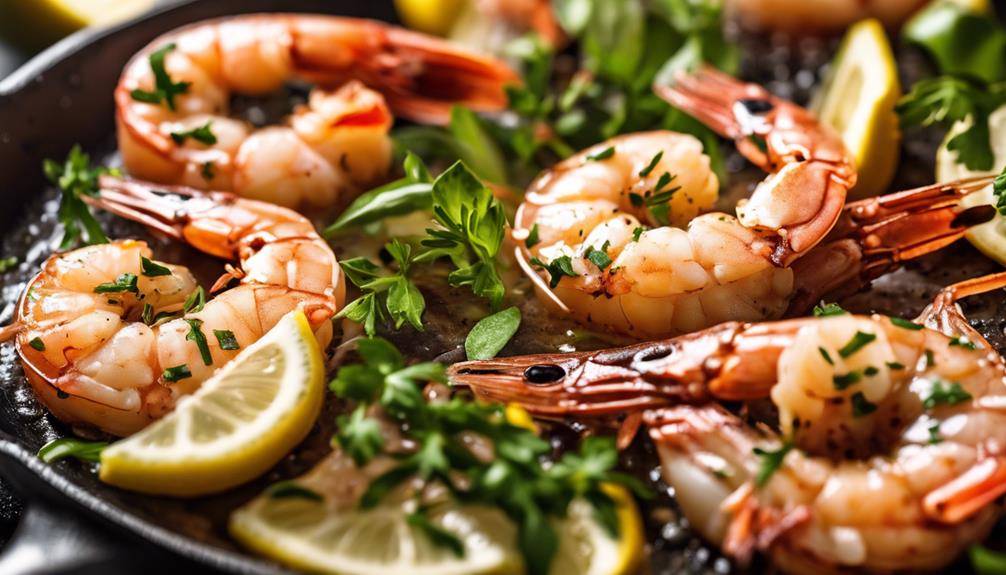
The Best Easy Steps To Pan Fry Shrimp; To pan fry shrimp, start by choosing fresh or properly thawed shrimp and rinse them under cold water. Pat them dry and season or marinate them for extra flavor. Next, select an oil with a high smoke point, like canola or peanut oil. Preheat your skillet over medium-high heat, adding enough oil to coat the bottom. Once the oil shimmers, add the shrimp in a single layer, cooking for 2-3 minutes per side until they’re pink and opaque. Remove them promptly to avoid rubberiness. There’s much more to enhance your cooking experience, so keep exploring!
Choose the Right Shrimp
When it comes to choosing the right shrimp, it’s essential to take into account both freshness and type. You’ll find a variety of shrimp varieties available, each with unique flavors and textures. Fresh shrimp can make a significant difference in your dish, so always look for shrimp that has a clean, briny smell, firm texture, and a translucent appearance. If you’re purchasing frozen shrimp, check for signs of freezer burn and verify the packaging is intact.
In addition to freshness, consider the type of shrimp you want to use. Some popular shrimp varieties include Gulf, Pacific, and tiger shrimp. Each type has its own distinct taste and cooking characteristics, so think about what will best complement your dish. Tiger shrimp, for instance, has a slightly sweet flavor and firm texture, making it perfect for pan frying.
Sustainability practices are another important aspect when choosing shrimp. Opt for shrimp that’s been sourced responsibly, as overfishing and harmful farming methods can have detrimental effects on marine ecosystems. Look for certifications from organizations like the Marine Stewardship Council (MSC) or the Aquaculture Stewardship Council (ASC), which guarantee that the shrimp you buy meets sustainability standards.
Prepare the Shrimp
Preparing the shrimp is an essential step that can elevate your dish’s flavor and texture. Start by rinsing the shrimp under cold water to remove any residual grit or debris. Pat them dry with a paper towel to guarantee they sear nicely in the pan. Once they’re cleaned, it’s time to season. You can use a store-bought shrimp seasoning or create your own blend with spices like paprika, garlic powder, salt, and pepper. A good seasoning will enhance the shrimp’s natural sweetness.
If you want to take it a step further, consider shrimp marinating. Marinating not only infuses the shrimp with flavor but also helps to tenderize them. For a simple marinade, combine olive oil, lemon juice, minced garlic, and your favorite herbs. Toss the shrimp in the marinade and let them sit for at least 15 minutes. This short marinating time is perfect for shrimp, as they can become mushy if left too long.
After marinating, drain the shrimp and give them a quick toss with additional seasoning if needed. This guarantees that every piece is evenly coated, ready to soak up the deliciousness while cooking. Remember, the key to great pan-fried shrimp is not to overcrowd the pan, allowing each shrimp to get that perfect golden-brown sear. With your shrimp now prepared, you’re one step closer to a delicious meal!
Select the Cooking Oil
Choosing the right cooking oil is crucial for pan-frying shrimp effectively. The oil you select can notably impact the flavor and texture of your dish. When it comes to oil types, you’ll want to take into account those with high smoke points, which can withstand the frying temperature without burning. Oils like canola, peanut, or grapeseed are excellent choices, as they offer a neutral flavor and can handle high heat.
Avoid using oils with low smoke points, like olive oil or butter, as they can easily scorch, leaving a bitter taste. If you prefer a specific flavor, you might experiment with oils like avocado oil or coconut oil, but keep their smoke points in mind. The ideal frying temperature for shrimp typically ranges between 350°F to 375°F. This temperature guarantees the shrimp cooks quickly, resulting in a crispy exterior while keeping the inside succulent and juicy.
Once you’ve chosen your oil, measure out the appropriate amount for your pan. Generally, you’ll need enough to cover the bottom of the pan to achieve even cooking. Remember, the amount of oil can also depend on the size of your shrimp and the pan you’re using. If you’re unsure, start with a few tablespoons and adjust as needed. With the right oil selected, you’re now ready to proceed to the next step in pan-frying your shrimp to perfection.
Heat the Pan
With your cooking oil selected, it’s time to heat the pan. Start by placing your skillet or frying pan on the stove over medium to medium-high heat. You want to achieve the right pan temperature that allows for even cooking without burning the oil. Give the pan a few moments to warm up, and you’ll want to test it before you add any oil.
To check if the pan is ready, carefully hold your hand about an inch above the surface. If you can feel a noticeable heat, it’s time to move on. Next, pour in your chosen cooking oil. You’ll need enough to coat the bottom of the pan, usually about one to two tablespoons, depending on the size of your skillet.
Once the oil’s in, watch for it to shimmer or ripple, which indicates it’s at the right temperature. This can take a minute or two, so be patient. If the oil starts to smoke, it means the pan is too hot, and you should lower the heat immediately—this can ruin the flavor and affect cooking time.
Cook the Shrimp
Once the oil is shimmering, it’s time to add the shrimp. Make sure the shrimp is dry; any excess moisture will cause the oil to splatter and can lead to uneven cooking. Carefully place the shrimp in the hot pan in a single layer, giving them enough space to cook evenly. Avoid overcrowding, as this can lower the temperature and affect your cooking techniques.
As the shrimp cook, you’ll notice them turning pink and opaque. This usually takes just 2-3 minutes per side, depending on their size. Flip them once they’ve developed a nice golden crust, which adds depth to their flavor profiles. If you’re feeling adventurous, you can toss in minced garlic or a sprinkle of chili flakes during the last minute of cooking for an extra kick.
Once the shrimp are fully cooked, remove them from the pan immediately to prevent overcooking. They can become rubbery if left too long, so keep an eye on them. The goal is to achieve that perfect balance of tenderness while retaining that delightful, slightly crisp exterior.
If you want, you can deglaze the pan with a splash of white wine or broth after cooking to create a quick sauce. This step can enhance the dish and add even more flavor profiles. Serve your shrimp hot, garnished with fresh herbs or a squeeze of lemon juice, and enjoy the fruits of your labor!
Frequently Asked Questions: The Best Easy Steps To Pan Fry Shrimp
Can I Use Frozen Shrimp for Pan Frying?
Yes, you can use frozen shrimp for pan frying. Just make certain to thaw them properly first. You can use cold water or overnight in the refrigerator as effective thawing methods to guarantee even cooking.
What Side Dishes Pair Well With Pan-Fried Shrimp?
You’ll love pairing pan-fried shrimp with light salads or garlic bread. Don’t forget shrimp seasoning for extra flavor! Dipping sauces like cocktail or garlic aioli enhance the experience, making each bite even more delicious.
How Can I Tell if Shrimp Is Cooked Properly?
To tell if shrimp’s cooked properly, check its texture; it should be firm yet slightly springy. Typically, shrimp takes about 2-3 minutes per side, depending on size. Don’t overcook, or it’ll turn rubbery!
Can I Add Vegetables While Frying Shrimp?
Absolutely, you can add vegetables while frying shrimp! Just choose compatible vegetable combinations, like bell peppers or snap peas, and enhance the dish with your favorite shrimp seasoning for a delicious, flavorful meal.
What Is the Best Way to Store Leftover Shrimp?
To store leftover shrimp, cool them quickly and place in an airtight container. You can use them in various leftover recipes later. Proper shrimp storage keeps them fresh for up to three days in the fridge.

Conclusion
Now that you’ve mastered the steps to pan fry shrimp, you’re ready to enjoy a delicious meal. Remember to choose the right shrimp, prepare them well, and select a good cooking oil for the best flavor. With a hot pan, you’ll achieve that perfect, golden sear in no time. Serve your shrimp with your favorite sides, and don’t forget to share with friends and family. Happy cooking!
If you enjoyed exploring this topic and want to dive even deeper, be sure to check out some of our other articles here on Infinite Flavors. From rich culinary histories to creative twists on classic recipes, there’s always something new to discover. Whether you’re curious about the origins of a dish, looking for fresh inspiration in the kitchen, or simply love learning about food culture, our collection of posts is the perfect next step on your flavor journey.
How To Easily Prevent Over Boiling
The Exciting Boiling Points Of Different Liquids
The Best Easy Pan Frying Dinner Recipes