Easy Ways To Pan Fry With Non-Stick Pans
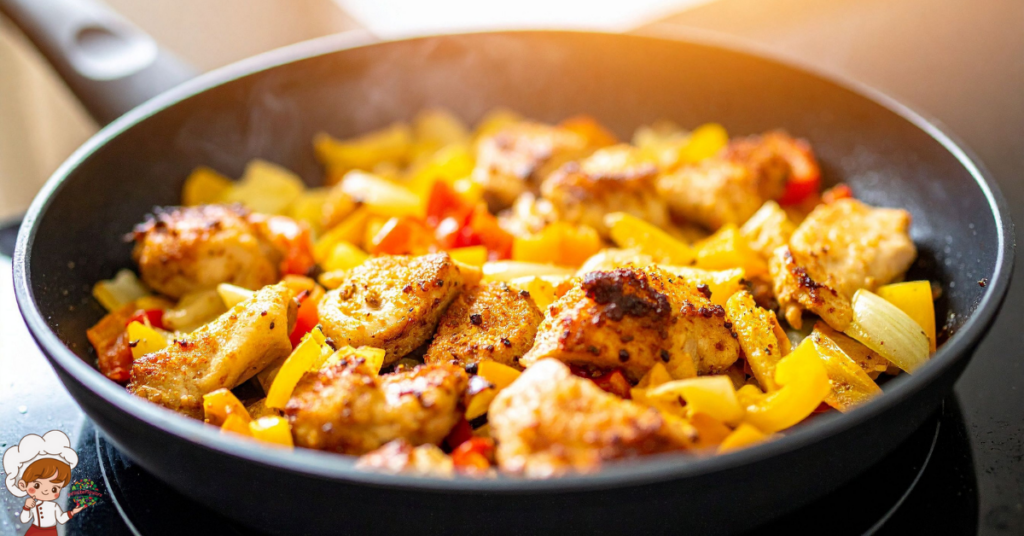
Easy Ways To Pan Fry With Non-Stick Pans; Pan frying with non-stick pans makes cooking easier and healthier. You’ll need a high-quality pan that heats evenly, reducing the need for oils or fats. Preheat your pan on medium heat, and use oils with high smoke points like canola for the best results. Always opt for silicone or wood utensils to protect the surface. Keep an eye on cooking temperatures and avoid overheating to maintain the non-stick coating’s integrity. With the right techniques and care, you’ll enjoy delicious meals without the hassle. There’s plenty more to discover about enhancing your culinary skills.
Benefits of Non-Stick Pans
When it comes to cooking, many people appreciate the convenience of non-stick pans. These kitchen essentials not only simplify the cooking process but also offer several health benefits that can enhance your overall culinary experience. One of the most significant advantages is the reduced need for oil or butter. Since food easily slides off the surface, you can prepare meals with less fat, which contributes to healthier eating habits.
Additionally, the cooking efficiency of non-stick pans can’t be overlooked. They heat up quickly and evenly, allowing you to achieve perfect results without much fuss. You’ll find that your cooking time decreases, making it easier to whip up meals during busy weekdays. This efficiency also translates to less energy consumption, which is a bonus for both your wallet and the environment.
Non-stick pans are particularly great for cooking delicate items like eggs or fish. You won’t have to worry about them sticking to the surface, and this means you can present your dishes beautifully without any mess. Furthermore, the ease of cleaning is another perk; a simple wipe with a sponge is often all it takes to maintain their pristine condition.
Incorporating non-stick pans into your kitchen routine can elevate your cooking experience, helping you create healthier meals with less hassle. You’ll quickly come to appreciate the benefits they bring to your culinary adventures.
Choosing the Right Non-Stick Pan
When choosing the right non-stick pan, materials are essential to take into account for durability and performance. You’ll also want to think about the size and shape that best fits your cooking style and needs. Picking the right pan can make a big difference in your pan frying experience.
Materials Matter Most
Choosing the right non-stick pan involves understanding the materials that make up its surface. You’ll find several coating types available, each offering unique benefits. The most common is PTFE, often recognized by the brand name Teflon. It’s known for its excellent non-stick properties and heat resistance, making it ideal for frying. However, be cautious with high heat, as overheating can degrade the coating.
Another option is ceramic, which is gaining popularity due to its eco-friendliness and ability to withstand higher temperatures without releasing harmful chemicals. Ceramic coatings provide a different cooking experience, often requiring slightly more oil to prevent sticking.
If durability is your priority, consider hard-anodized aluminum pans, which can resist scratches and dents. They often feature a non-stick coating but still offer great heat distribution.
Size and Shape
Finding the perfect size and shape of a non-stick pan can transform your cooking experience. When choosing a non-stick pan, consider the pan dimensions carefully. A smaller pan, like an 8-inch, is great for frying eggs or making a quick omelet, while a larger 12-inch pan provides ample frying surface for searing meats or cooking stir-fries.
Think about what you cook most often. If you’re preparing meals for a family, opt for a larger size to guarantee everything fits comfortably. Conversely, if you mostly cook for yourself, a smaller pan might be more practical. Also, the shape of the pan plays an essential role. A round pan is versatile, but square or rectangular options can be better for specific tasks, like cooking pancakes or roasting vegetables.
Don’t forget about the weight and handle. A heavier pan might retain heat better, but it can be cumbersome. Look for a lightweight option with a sturdy handle that feels comfortable in your hand. Ultimately, the right pan dimensions and shape can enhance your frying capabilities and lead to delicious results every time you cook.
Essential Tools for Pan Frying
Success in pan frying hinges on having the right tools at your disposal. To get started, you’ll need a high-quality non-stick pan. This will help prevent food from sticking and guarantee even cooking. A sturdy spatula is also essential; opt for one made from silicone or wood to protect your pan’s surface.
Frying oils play a vital role in your cooking process. Choose oils with high smoke points, like canola or avocado oil, to achieve that perfect sear without burning. Having a selection of frying oils on hand allows you to experiment with flavors and find the best match for your dish.
To make the most of your pan frying experience, consider investing in a kitchen thermometer. This handy tool helps you monitor oil temperature, ensuring your ingredients cook thoroughly without absorbing excess oil. An ingredient marination setup is also important. A mixing bowl or resealable bag facilitates marinating meats or vegetables, allowing flavors to penetrate deeply before they hit the pan.
Prepping Ingredients for Frying
Before you start frying, preparing your ingredients properly can make all the difference in achieving a delicious result. First, focus on ingredient selection. Choose fresh, high-quality produce and proteins. This not only enhances the flavor but also guarantees even cooking. For vegetables, consider their size and shape; uniform pieces cook more consistently. For proteins like chicken or fish, cut them into similar sizes to avoid uneven frying.
Next, employ effective preparation techniques. Start by washing and drying your ingredients thoroughly. Excess moisture can cause splattering and hinder browning. If you’re using meats, consider marinating them for added flavor and moisture. This step also helps tenderize tougher cuts. Don’t forget to season your ingredients! A good sprinkle of salt and pepper can elevate even the simplest of dishes.
For vegetables, chop them into bite-sized pieces and think about their cooking times. Softer veggies like bell peppers need less time than heartier ones like carrots or potatoes. Pre-cooking harder vegetables in boiling water for a couple of minutes can help them cook through without burning in the pan.
Cooking Techniques for Perfect Results
Achieving perfect results when pan frying with non-stick pans relies on mastering specific cooking techniques. The first key element is temperature control. You want to preheat your pan over medium heat, allowing it to reach the ideal frying temperature before adding any ingredients. If the pan’s too hot, your food might burn before cooking through; if it’s too cool, you’ll end up with soggy results. A good rule of thumb is to sprinkle a few drops of water into the pan. If they dance and evaporate quickly, you’re ready to start cooking.
Next, let’s talk about oil selection. Not all oils are created equal, especially when it comes to frying. Choose oils with high smoke points, like canola, grapeseed, or avocado oil. These oils can withstand higher temperatures without breaking down, ensuring your food retains its flavor and texture. Furthermore, using the right amount of oil is essential. You don’t need a lot; just enough to create a thin layer on the pan’s surface will do the trick.
Cleaning and Maintaining Non-Stick Pans
How do you keep your non-stick pans in top shape? It all starts with proper cleaning and maintenance. After each use, let your pan cool down before washing it. Hot pans can warp and damage the non-stick coating. Use warm, soapy water and a soft sponge to gently scrub away any food residue. Avoid abrasive cleaners or steel wool, as they can scratch and ruin the coating.
When it comes to drying, pat your pan dry with a soft cloth. This prevents water spots and keeps the surface smooth. If you notice any signs of wear on the coating, consider applying a small amount of cooking oil and using a paper towel to buff it. This can help in restoring the coating and keeping your cooking surface effective.
Storing pans properly is just as important. Avoid stacking non-stick pans without protection, as this can cause scratches. Instead, place a paper towel or cloth between each pan to cushion them. If you need to hang them, make sure they’re secured in a way that won’t allow them to touch each other.
Common Mistakes to Avoid
When you’re pan frying with non-stick pans, avoiding common mistakes can make a big difference. Overheating the pan or using metal utensils can damage the surface and ruin your cooking experience. Let’s explore these pitfalls and how to steer clear of them.
Overheating the Pan
While it’s tempting to crank up the heat for a quick sear, overheating your non-stick pan can lead to disastrous results. Non-stick coatings can break down at high pan temperatures, releasing harmful fumes and ruining your meal. You might think that higher heat equals better cooking, but that’s not the case here. Most non-stick pans have a smoke point around 400°F (204°C), and exceeding this can compromise both the food and the pan’s integrity.
To avoid this, always preheat your pan on medium to medium-high heat, monitoring it carefully. If you notice smoke or an unusual smell, it’s a sure sign that you’ve gone too far. Instead of rushing the process, give your food time to cook evenly at the right temperature. If you’re looking for that perfect sear, consider adjusting your cooking technique rather than the heat level.
Using Metal Utensils
Overheating a non-stick pan isn’t the only pitfall to watch out for; using metal utensils can also wreak havoc on its surface. Many people underestimate the importance of metal utensil safety when cooking with non-stick pans. While these pans are designed for easy food release, metal spatulas, forks, or spoons can scratch and damage the coating, reducing their non-stick durability.
To keep your non-stick pan in top shape, opt for utensils made of silicone, wood, or plastic. These materials are gentle on the pan’s surface and won’t compromise its effectiveness. If you accidentally use a metal utensil, don’t panic, but check for scratches or peeling. If the coating is damaged, it’s time to retire that pan to prevent any potential health risks from ingesting non-stick particles.
Another common mistake is using heavy-handed techniques. Even with safe utensils, aggressive scraping can harm the coating. Always use gentle motions when flipping or stirring. By being mindful of metal utensil safety and taking care of your non-stick pans, you’ll guarantee they last longer and perform better, making your cooking experience all the more enjoyable.
Frequently Asked Questions: Easy Ways To Pan Fry With Non-Stick Pans
Can I Use Metal Utensils on Non-Stick Pans?
You shouldn’t use metal utensils on non-stick pans, as they can scratch the coating. Instead, opt for silicone, wood, or plastic alternatives to guarantee non-stick maintenance and keep your cookware in great shape.
Are There Any Health Risks With Non-Stick Coatings?
You should consider the health risks associated with non-stick coatings. While many are safe, some may contain chemicals that raise concerns. Always check for chemical safety and verify your cookware’s coating durability for long-term use.
What Is the Lifespan of a Non-Stick Pan?
The lifespan of a non-stick pan typically ranges from three to five years. With proper non-stick maintenance and careful cooking techniques, you can extend its durability and performance, ensuring a safer and more enjoyable cooking experience.
Can I Use Non-Stick Pans in the Oven?
You can use some non-stick pans in the oven, but check if they’re oven safe options first. Remember, most non-stick temperatures shouldn’t exceed 400°F to avoid damaging the coating and compromising safety.
How Do I Know When My Pan Is Preheated?
To know when your pan’s preheated, use preheating techniques like water droplets. They should sizzle and evaporate quickly, acting as temperature indicators. If they dance around, your pan’s ready for cooking!

Conclusion
To sum up, pan frying with non-stick pans can transform your cooking experience. By choosing the right pan and prepping your ingredients properly, you’ll achieve delicious results with minimal effort. Remember to use the right techniques and avoid common mistakes to make the most of your non-stick cookware. With a little care in cleaning and maintenance, your pans will last for years, making every meal a joy to prepare. Enjoy your cooking adventures!
If you enjoyed exploring this topic and want to dive even deeper, be sure to check out some of our other articles here on Infinite Flavors. From rich culinary histories to creative twists on classic recipes, there’s always something new to discover. Whether you’re curious about the origins of a dish, looking for fresh inspiration in the kitchen, or simply love learning about food culture, our collection of posts is the perfect next step on your flavor journey.
The Best Easy Pan Frying Dinner Recipes
How To Easily Prevent Over Boiling
The Best Easy Steps To Pan Fry Shrimp