The Best Plant-Based Anti-Inflammatory Diet Strategies
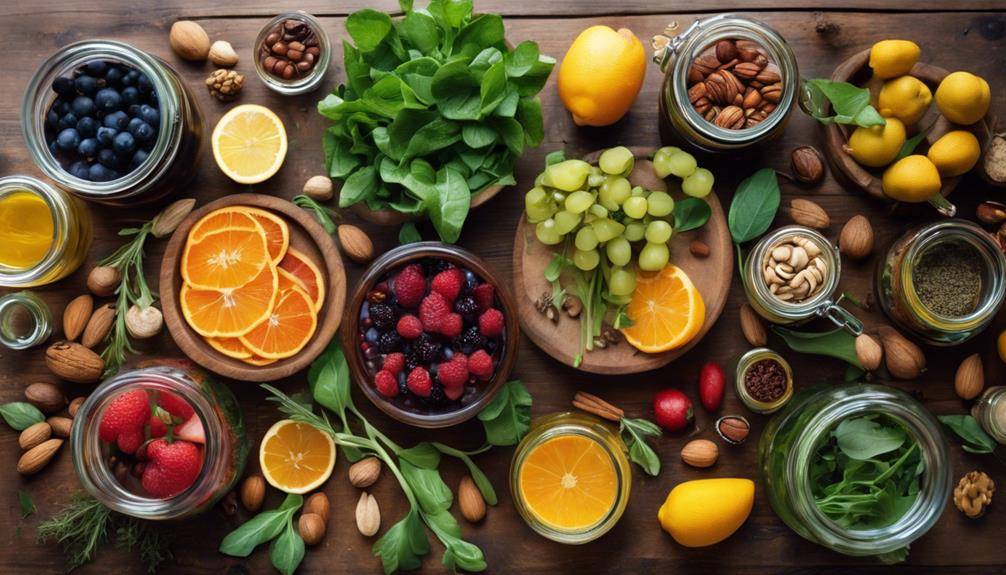
Plant-Based Anti-Inflammatory Diet Strategies; Adopting a plant-based anti-inflammatory diet‘s a powerful way to reduce inflammation and boost your health. Start by focusing on key foods like berries, leafy greens, nuts, and whole grains. Incorporate healthy fats like olive oil and omega-3 sources such as flaxseeds. Don’t forget spices like turmeric and ginger for their potent benefits. Meal planning helps you stay on track, ensuring you choose nutritious options. Stay hydrated with water-rich foods and herbal teas. Remember to snack wisely, opting for nutrient-dense choices. There’s so much more to explore on how to optimize your diet for better health.
Understanding Inflammation
Inflammation is your body’s natural response to injury or infection, acting as a defense mechanism to promote healing. However, when inflammation becomes chronic, it can lead to various health issues, including autoimmune diseases and cardiovascular problems. Understanding the inflammatory response is essential for managing your immune system effectively.
Chronic inflammation often stems from a combination of lifestyle factors, including poor diet, lack of exercise, and inadequate stress management. What you eat greatly impacts your body’s inflammatory processes. A diet high in processed foods and sugars can trigger environmental triggers that exacerbate inflammation, while a balanced diet rich in whole foods can help combat it.
Moreover, stress management plays a important role in maintaining gut health, as stress can lead to imbalances in your gut microbiome. This imbalance might further promote inflammation. Being mindful of your stress levels, practicing relaxation techniques, and ensuring you get enough sleep can greatly influence your body’s inflammatory responses.
It’s essential to recognize how different environmental triggers, like pollution or allergens, can worsen your condition. By identifying and reducing exposure to these triggers, you can support your immune system and potentially reduce chronic inflammation.
Benefits of a Plant-Based Diet
Switching to a plant-based diet can lead to reduced inflammation markers, making you feel better overall. You’ll also notice enhanced nutrient absorption, which means your body gets the most out of the foods you eat. These benefits can greatly improve your health and well-being.
Reduced Inflammation Markers
Over time, adopting a plant-based diet can lead to significant reductions in inflammation markers in your body. By focusing on nutrient-dense foods, you can effectively lower oxidative stress, a key contributor to chronic disease. Your immune response benefits as the diet helps eliminate common inflammation triggers found in processed foods and animal products.
Lifestyle factors play an essential role in managing inflammation. Incorporating whole grains, fruits, and vegetables not only improves gut health but also reduces food sensitivities that may cause inflammatory reactions. You’ll find that balanced dietary patterns support a healthier immune system, allowing your body to respond more effectively to stress management techniques.
Moreover, a plant-based diet encourages the intake of antioxidants, which combat oxidative stress, further supporting your overall well-being. As you embrace this dietary shift, you’ll likely notice a decrease in inflammation markers, leading to improved energy levels and a reduced risk of chronic diseases. This positive feedback loop reinforces the benefits, making it easier for you to maintain healthier habits and enhance your quality of life.
Enhanced Nutrient Absorption
Nutrient absorption thrives on a plant-based diet, as it emphasizes the consumption of a variety of whole foods rich in vitamins, minerals, and phytonutrients. This approach fosters nutrient synergy, where the combination of different foods enhances overall nutrient intake. For instance, pairing foods like spinach with citrus can boost iron absorption, showcasing effective food pairing strategies.
Your digestive health benefits greatly from a plant-based diet. The fiber in these foods supports a healthy gut microbiome, promoting the growth of beneficial bacteria that aid in nutrient absorption. Additionally, utilizing specific cooking methods, like steaming or sautéing, can enhance the nutrient density of your meals, ensuring that you get the most out of what you eat.
Incorporating various absorption techniques, such as eating raw or lightly cooked vegetables, can also increase enzyme activity, further facilitating the digestion process. Remember, the more diverse your plant-based diet, the better your body can absorb essential nutrients. By focusing on these elements, you’ll not only improve your nutrient absorption but also support your overall health and well-being.
Key Anti-Inflammatory Foods
Incorporating key anti-inflammatory foods into your diet can greatly enhance your overall health and well-being. One of the most beneficial categories of foods is anti-inflammatory berries. Blueberries, strawberries, and raspberries are packed with antioxidants and vitamins that fight inflammation and oxidative stress. By adding these berries to your meals or snacks, you’ll not only enjoy their delicious flavor but also support your body’s natural defenses.
Another powerhouse in the anti-inflammatory arena is turmeric. Known for its bright yellow color, turmeric contains curcumin, a compound celebrated for its anti-inflammatory benefits. Including turmeric in your dishes can help reduce inflammation, improve joint health, and even boost your immune system. You might consider adding it to smoothies, soups, or stir-fries for a flavorful and healthful kick.
Leafy greens like spinach and kale are also vital. They’re rich in vitamins, minerals, and antioxidants that combat inflammation. Incorporating a variety of these greens into your salads and meals can greatly enhance your nutrient intake.
Don’t forget about nuts and seeds. Almonds, walnuts, and chia seeds provide healthy fats and fiber, which are essential for fighting inflammation. A handful of these can make an excellent snack or topping for your dishes.
Meal Planning Tips
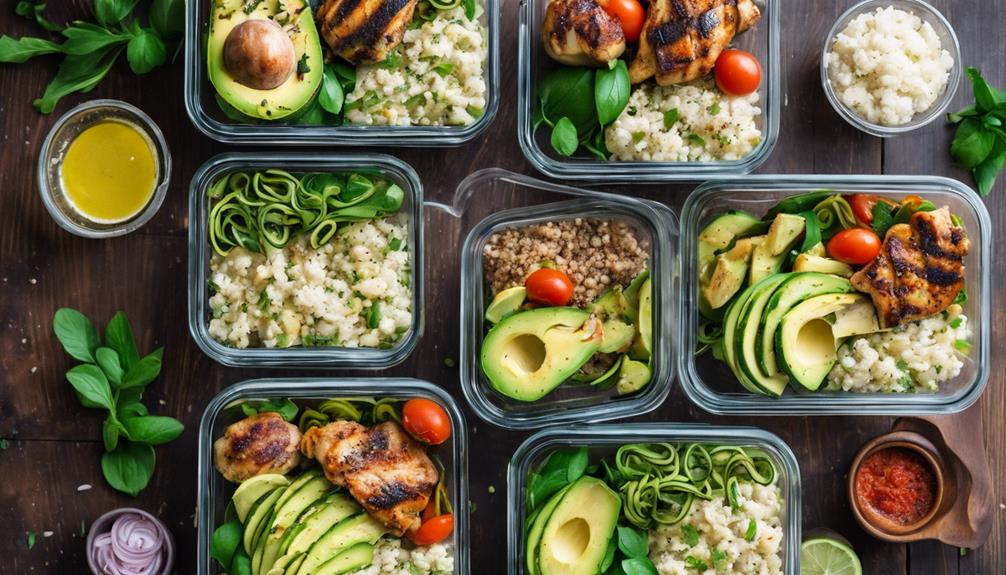
Planning your meals ahead of time can make a significant difference in sticking to an anti-inflammatory diet. By organizing your meals, you set yourself up for success and reduce the temptation to grab unhealthy options. Start by dedicating a few hours each week to meal prep. This doesn’t have to be overwhelming; simply choose a day when you have some free time to chop veggies, cook grains, and portion out snacks.
Next, create a grocery shopping list focused on anti-inflammatory foods. Include plenty of fruits, vegetables, nuts, seeds, and legumes. When you have a list, you’ll avoid impulse buys and stick to your plan. Consider shopping at local farmers’ markets to find fresh, seasonal produce that can boost your meals’ nutritional value.
Another effective strategy is to batch cook meals. Prepare larger quantities of soups, stews, or grain salads that you can enjoy throughout the week. This not only saves time but also guarantees you always have a healthy option ready when hunger strikes. You can also designate specific containers for individual servings, making it easier to grab and go.
Lastly, don’t forget to incorporate variety into your meal planning. Rotate different recipes each week to keep things exciting and prevent boredom. By following these meal planning tips, you’ll find it much simpler to maintain your commitment to an anti-inflammatory diet, ultimately leading to better health outcomes.
Incorporating Whole Grains
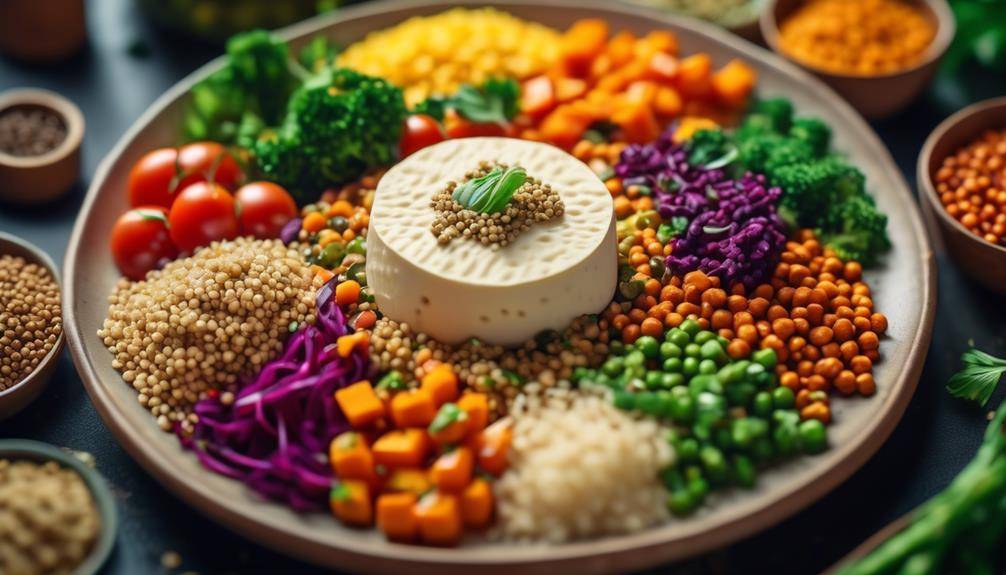
Whole grains are a powerhouse addition to your anti-inflammatory diet, offering a wealth of benefits that go beyond simple nutrition. They’re packed with fiber-rich options that help reduce inflammation and promote digestive health. Incorporating whole grains into your meals can be easy and delicious, especially when you explore ancient grains like quinoa, farro, and barley. These grains not only provide essential nutrients but also add unique flavors and textures to your dishes.
If you’re looking for gluten-free choices, consider rice, millet, or buckwheat. These grains are excellent substitutes that maintain their nutritional integrity while catering to dietary restrictions. When cooking, try different techniques such as steaming, boiling, or even baking to create a variety of textures and flavors.
Don’t forget about sprouted grains! They’re easier to digest and often have enhanced nutritional profiles. You can use them in salads, soups, or as a base for your meals. Pairing grains with legumes or vegetables amplifies their health benefits and creates a well-rounded dish.
While incorporating these whole grain benefits into your diet, keep portion control in mind. It’s easy to overindulge in even the healthiest options, so aim for balanced servings. Experiment with different grain pairings to find what you love, making your anti-inflammatory journey enjoyable and satisfying. By introducing whole grains into your diet, you’re taking a significant step toward better health and wellness.
The Role of Healthy Fats
Healthy fats play an essential role in an anti-inflammatory diet, offering not only essential nutrients but also powerful anti-inflammatory properties. By incorporating healthy oils, like olive oil and avocado oil, you can enhance your meals while promoting heart health. These oils are rich in monounsaturated fats, which help reduce inflammation and support overall wellness.
When considering fat sources, focus on those high in omega-3 fatty acids, such as flaxseeds, walnuts, and chia seeds. The omega benefits from these foods include reduced inflammation and improved fat absorption, making them vital for your dietary balance. Cooking methods matter too; try sautéing vegetables in healthy oils instead of butter or margarine to maintain their nutrient synergy.
Culinary uses of healthy fats extend beyond cooking. Drizzling olive oil over salads or blending avocado into smoothies not only adds creaminess and flavor enhancement but also boosts the nutritional profile of your dishes. Remember, it’s important to be mindful of portion sizes, as even healthy fats are calorie-dense.
Incorporating a variety of healthy fats into your diet can help you achieve a more balanced and nutritious meal plan. Aim to replace saturated and trans fats with these beneficial sources while enjoying the rich flavors they bring to your food. By prioritizing healthy fats, you can support your body’s anti-inflammatory efforts and overall health, making a positive impact on your well-being.
Herbs and Spices to Include
Incorporating a variety of vibrant herbs and spices into your meals can greatly boost their anti-inflammatory potential. For instance, the turmeric benefits are well-documented; its active compound, curcumin, can help reduce inflammation and promote overall health. Ginger properties also shine in this arena, as it’s known for its ability to alleviate pain and reduce inflammation.
Don’t underestimate the garlic effects either; it’s packed with antioxidants that can bolster your immune system and combat inflammation. Cinnamon uses extend beyond adding flavor; this spice can help lower blood sugar levels and reduce inflammation markers in the body.
Cayenne pepper contains capsaicin, which not only adds heat but also has powerful anti-inflammatory properties. Incorporating a rosemary infusion can enhance your meals while delivering potent antioxidants. Basil health benefits are remarkable, as this fragrant herb contains essential oils that may help fight inflammation and protect your body from oxidative stress.
Oregano benefits include its high content of antioxidants and anti-inflammatory compounds, making it a great addition to your dishes. Finally, don’t forget about black pepper; it contains piperine, which can increase the absorption of curcumin from turmeric. Sage advantages include its potential to improve digestive health and reduce inflammation as well.
Importance of Hydration
Staying hydrated plays an essential role in managing inflammation in your body. When you drink enough fluids, you support your body’s natural processes and help reduce inflammatory responses. Let’s explore the best hydrating plant sources that can keep you refreshed and aid in your anti-inflammatory efforts.
Hydration and Inflammation Connection
Hydration plays an essential role in managing inflammation, often overlooked in discussions about diet and wellness. Your body relies on proper hydration to function effectively, and when you’re dehydrated, it can lead to increased inflammation and exacerbate chronic conditions. By incorporating effective hydration methods, like drinking water regularly throughout the day, you can support your body’s natural processes.
Pay attention to hydration timing, too. It’s vital to hydrate before, during, and after meals, especially if you’re consuming anti-inflammatory foods. This not only aids digestion but also helps transport nutrients that combat inflammation. When you’re adequately hydrated, your cells work more efficiently, and your body can flush out toxins that contribute to inflammation.
Don’t forget about the signs of dehydration. If you’re feeling fatigued, experiencing headaches, or noticing dry skin, these could be indicators that your hydration levels are off. To prevent these issues, make it a habit to carry a water bottle with you, set reminders to drink, and incorporate hydrating foods into your diet. By prioritizing hydration, you’ll be taking a significant step towards reducing inflammation and improving your overall health.
Best Hydrating Plant Sources
To effectively support your hydration efforts, consider the best hydrating plant sources that can boost your fluid intake while providing valuable nutrients. Coconut water is an excellent choice, as it’s rich in electrolytes and naturally invigorating. You can also snack on cucumber slices and watermelon cubes, both high in water content and perfect for quenching your thirst.
Incorporate herbal teas into your routine; they’re hydrating and can offer various health benefits. Celery sticks are another great option, as they’re crunchy and packed with water. For a more filling treat, try chia pudding; it not only hydrates but also provides fiber and healthy fats.
Don’t forget about leafy greens—add them to your salads or smoothies for an extra hydration boost. Citrus fruits, like oranges and grapefruits, are juicy and revitalizing, making them ideal for hydration. You can blend them into smoothie bowls or enjoy them as a snack. Finally, consider sipping on vegetable broths; they’re nourishing and hydrating, perfect for any time of the day. By including these foods in your diet, you’ll keep your hydration levels optimal while enjoying a variety of flavors.
Snacking Smart
Snacking smart can be a game changer for those following a plant-based anti-inflammatory diet. By focusing on nutrient density, you can choose snack options that not only satisfy your cravings but also support your health. Think about incorporating quick recipes that combine whole foods like nuts, seeds, fruits, and vegetables. For example, a handful of almonds paired with apple slices offers both energy boosts and satisfying textures.
When it comes to mindful choices, portion control is key. Instead of reaching for a bag of chips, prepare small servings of nutrient-rich snacks. A small bowl of hummus with carrot sticks or cucumber slices provides a delicious flavor combination while keeping inflammation at bay.
Experimenting with different snacks can spice up your routine. Try blending frozen berries with spinach for a rejuvenating smoothie or whip up a batch of energy bites using oats, nut butter, and a drizzle of maple syrup. These quick recipes can be prepped in advance, making it easier to grab a healthy option on the go.
Don’t forget about the importance of variety. Mixing and matching different flavors and textures can keep your snacks exciting. Whether it’s crunchy, creamy, or sweet, finding the right balance can enhance your snacking experience. By making smart choices, you’ll not only curb hunger but also nourish your body with the right fuel. Embrace these strategies, and you’ll feel better inside and out.
Mindful Eating Practices
How can you transform your meals into a more fulfilling experience? By practicing mindful eating, you can enhance your relationship with food and make your meals more enjoyable. Start by paying attention to your meal timing. Eating at regular intervals helps regulate your hunger and can prevent emotional eating. When you sit down to eat, embrace distraction-free eating; put away your phone and turn off the TV to fully engage with your meal.
As you eat, practice sensory awareness. Notice the colors, textures, and aromas of your food. This not only heightens your experience but also encourages mindful portions. Focus on portion control by serving yourself smaller amounts initially. You can always go back for more if you’re still hungry, but it’s important to listen to your body’s signals.
Incorporate a gratitude practice before meals. Take a moment to appreciate the food on your plate and the nourishment it provides. This simple act can shift your mindset and enhance your enjoyment of the meal. Keeping a food journal can also help you reflect on your eating habits and identify patterns related to emotional eating.
Frequently Asked Questions: Plant-Based Anti-Inflammatory Diet Strategies
Can a Plant-Based Diet Reverse Existing Inflammation?
Yes, a plant-based diet can help reduce inflammatory markers in your body. By focusing on specific dietary components, like fruits, vegetables, and whole grains, you can potentially reverse existing inflammation and improve overall health.
How Long Does It Take to See Anti-Inflammatory Effects?
You’ll typically see anti-inflammatory effects within a few weeks, but timeframe expectations vary. Regularly monitoring inflammation markers can help gauge your progress, allowing you to adjust your approach for best results. Stay patient and consistent!
Are There Any Risks to a Plant-Based Diet?
Yes, there are risks to a plant-based diet, like potential nutrient deficiencies if you don’t plan carefully. Make sure you’re getting enough protein sources, such as legumes and nuts, to maintain balanced nutrition.
Can I Combine a Plant-Based Diet With Other Dietary Approaches?
You can combine a plant-based diet with other dietary approaches, allowing for dietary flexibility. Explore plant-based combinations that suit your lifestyle, like integrating small amounts of animal products or focusing on specific food groups.
Is It Suitable for Everyone, Regardless of Health Status?
It isn’t suitable for everyone; individual health and dietary preferences play an essential role. You should consider personal health conditions and consult a healthcare professional to determine if it fits your unique nutritional needs.

Conclusion
Incorporating a plant-based anti-inflammatory diet can greatly improve your health and well-being. By focusing on key foods, meal planning, and mindful eating practices, you’ll not only reduce inflammation but also nourish your body. Remember to stay hydrated and snack wisely to keep your energy up. With these strategies, you’re on your way to embracing a healthier lifestyle that supports your body’s natural defenses. Start today, and enjoy the benefits that come with each delicious bite!
If you enjoyed exploring this topic and want to dive even deeper, be sure to check out some of our other articles here on Infinite Flavors. From rich culinary histories to creative twists on classic recipes, there’s always something new to discover. Whether you’re curious about the origins of a dish, looking for fresh inspiration in the kitchen, or simply love learning about food culture, our collection of posts is the perfect next step on your flavor journey.
Amazing Science Behind Anti-Inflammatory Diet Strategies
Great Anti-Inflammatory Diet Strategies For Diabetics
Great Affordable Anti-Inflammatory Diet Strategies