Amazing Healthy Middle Eastern Recipes For Weight Loss
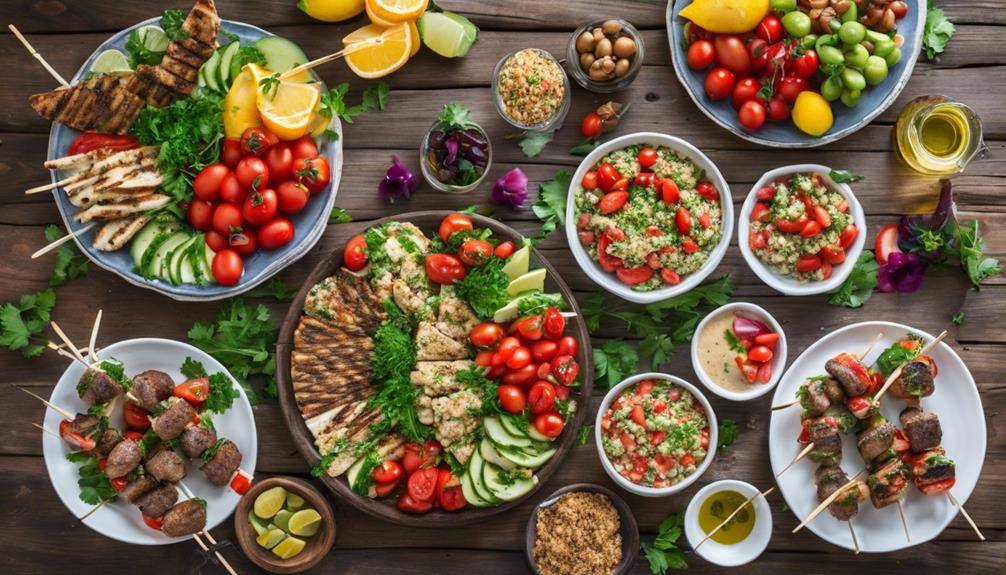
Middle Eastern Recipes For Weight Loss; You can effortlessly embrace weight loss with flavorful and nutritious Middle Eastern recipes. Start with grilled chicken shawarma, packed with spices and served alongside a vibrant quinoa tabbouleh. Try a revitalizing spiced chickpea salad, or whip up a hearty lentil soup with a tangy lemon twist. Don’t forget about zucchini fritters or roasted vegetable medleys for tasty sides. For a snack, enjoy date and nut energy bites that satisfy your sweet tooth without the guilt. These dishes are not just delicious but also promote overall well-being, and more delicious options await you if you explore further.
Benefits of Middle Eastern Cuisine
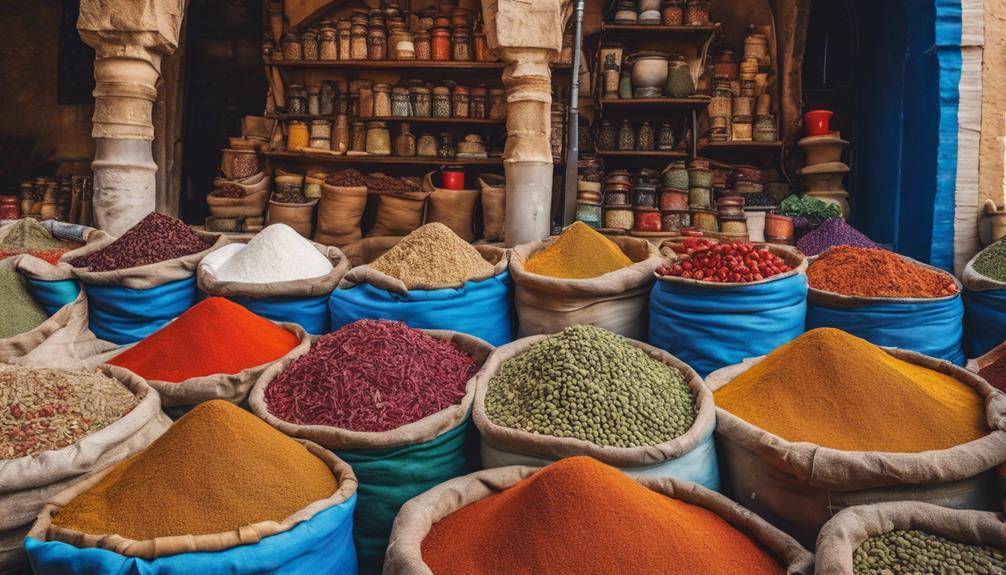
When you explore Middle Eastern cuisine, you’ll discover a wealth of health benefits that come with its diverse ingredients and flavors. This culinary tradition embraces cultural diversity, incorporating spices, herbs, and fresh produce that not only tantalize your taste buds but also promote overall well-being. By indulging in these dishes, you’re not just enjoying a meal; you’re also nourishing your body.
One of the standout features of Middle Eastern cuisine is its vibrant flavor profiles. Ingredients like garlic, lemon, and olive oil are staples, each offering unique health advantages. Garlic, for instance, is known for its immune-boosting properties, while olive oil is packed with healthy fats that can help reduce inflammation and improve heart health.
Additionally, many Middle Eastern dishes are rich in whole grains, legumes, and vegetables, providing essential nutrients and fiber that contribute to a balanced diet. When you choose meals like tabbouleh or lentil soup, you’re fueling your body with antioxidants and proteins, making it easier to maintain a healthy weight.
Furthermore, the emphasis on fresh ingredients means you’re often consuming meals that are lower in processed sugars and unhealthy fats. This focus on natural foods can support better digestion and overall health. So, as you explore Middle Eastern cuisine, you’ll not only savor incredible flavors but also enjoy numerous health benefits that come from its rich cultural diversity.
Essential Ingredients for Healthy Cooking
Embracing the essence of healthy cooking begins with selecting essential ingredients that not only enhance flavor but also nourish your body. To kickstart your healthy Middle Eastern culinary journey, focus on incorporating healthy fats, whole grains, and fresh produce into your meals.
Healthy fats, like those found in olive oil, avocados, and nuts, play a vital role in your diet. They help you absorb essential vitamins and provide sustained energy. Drizzling a bit of extra virgin olive oil over your dishes not only adds richness but also delivers a dose of heart-healthy monounsaturated fats.
Next, whole grains should be a staple in your pantry. Quinoa, bulgur, and brown rice are fantastic options that offer fiber, protein, and essential nutrients. They serve as excellent bases for various dishes, enhancing both taste and texture. Whole grains are also known for keeping you full longer, which can aid in weight loss.
Don’t forget to include an array of fresh vegetables and herbs, too. Ingredients like tomatoes, cucumbers, parsley, and mint not only brighten your plates but also provide a wealth of vitamins and minerals. They’ll elevate the flavor of your meals without adding unnecessary calories.
Spiced Chickpea Salad
When you whip up a spiced chickpea salad, you’re not just enjoying a tasty dish; you’re also reaping the numerous nutritional benefits of chickpeas, like protein and fiber. Adding flavorful spices can really elevate the salad, making it a delightful and healthy option. Let’s explore how to combine these ingredients for a satisfying meal.
Nutritional Benefits of Chickpeas
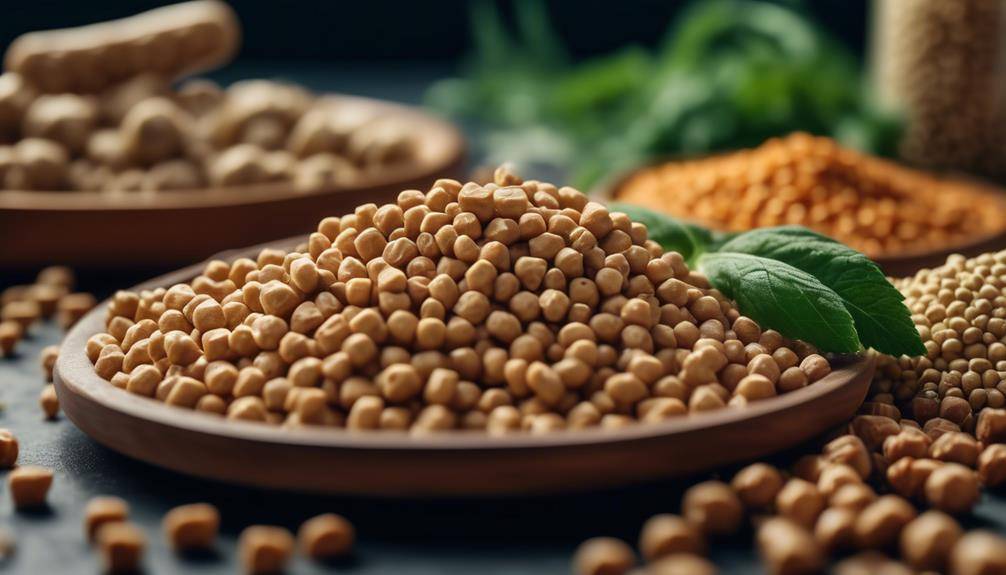
Chickpeas are a powerhouse of nutrition, offering a wealth of health benefits packed into each serving. Whether you choose classic garbanzo beans or explore other chickpea varieties like black or green chickpeas, you’ll find that these legumes are rich in protein, fiber, and essential nutrients. Their high fiber content aids in digestion and helps you feel full longer, making them an excellent choice for weight loss.
When you incorporate spiced chickpeas into your diet, you’re also adding essential vitamins and minerals, such as folate, iron, and magnesium, which support overall health. Plus, chickpeas have a low glycemic index, helping to stabilize blood sugar levels.
For best freshness, proper chickpea storage is important. If you’re using canned chickpeas, rinse them thoroughly to reduce sodium content. If you prefer dried chickpeas, store them in an airtight container in a cool, dark place to maintain their quality. By including chickpeas in your meals, you’re not only enhancing flavor but also reaping significant nutritional benefits that support your weight loss journey.
Flavorful Spices to Use
Spices can transform a simple spiced chickpea salad into a vibrant culinary experience. When you’re looking to enhance flavors, consider spice pairings like cumin and coriander. Cumin adds a warm, earthy note, while coriander provides a bright, citrusy flavor that complements the chickpeas perfectly.
Don’t forget about paprika—whether you choose sweet or smoked, it delivers a rich depth that elevates your salad. For an extra kick, add a dash of cayenne pepper; it not only spices things up but also offers health benefits such as boosting metabolism.
Fresh herbs like parsley and mint can also amp up your dish, adding freshness and additional nutrients. The combination of these spices and herbs creates a salad that’s not just tasty but also packed with antioxidants and anti-inflammatory properties.
As you mix your chickpeas with these spices, you’re not only enjoying a delicious meal but also reaping the health benefits associated with each ingredient. So, the next time you whip up your spiced chickpea salad, don’t shy away from experimenting with these flavorful spices to make it truly unforgettable!
Grilled Chicken Shawarma
Get ready to enjoy a mouthwatering Grilled Chicken Shawarma that’s packed with flavor! You’ll want to know about the marinade ingredients that really make this dish shine, along with some effective cooking techniques. Plus, I’ll share some creative serving suggestions to elevate your meal.
Flavorful Marinade Ingredients
A fantastic marinade can elevate your grilled chicken shawarma to new heights, infusing it with rich, vibrant flavors. To create the perfect marinade, you’ll want to combine various ingredients that enhance the chicken’s natural taste. Start with a base of yogurt or olive oil, which not only tenderizes the meat but also adds moisture.
Next, include essential spices like cumin, coriander, paprika, and turmeric for that signature Middle Eastern taste. Don’t forget the garlic and onion, as they provide a strong aromatic base. For a kick of acidity, add fresh lemon juice or vinegar, balancing the flavors beautifully.
Now, let’s talk about herb combinations. Fresh herbs like parsley, cilantro, or mint can add brightness to your marinade. You can experiment with different marinade variations by adjusting the quantities or adding ingredients like chili powder for heat or sumac for a tangy twist.
Once your marinade is ready, let the chicken soak in those flavors for at least a few hours, or overnight if you can. This step is vital for maximizing flavor and ensuring your grilled chicken shawarma is absolutely delicious!
Cooking Techniques Explained
When it comes to cooking grilled chicken shawarma, mastering the technique is key for achieving that authentic flavor and tender texture. Start by marinating your chicken for several hours—this is essential for infusing the meat with spices and moisture. Once it’s marinated, you can explore different grilling methods. Using a grill pan or outdoor grill works best for that smoky flavor.
Preheat your grill to medium-high heat to guarantee a nice sear. Place the marinated chicken on the grill, cooking it for about 6-8 minutes per side. This will give you those beautiful grill marks and a juicy interior. To promote even cooking, you can use sautéing techniques in combination with grilling. For instance, sauté vegetables in a bit of olive oil to serve as a delicious side or topping.
Don’t forget to let the chicken rest for a few minutes after grilling; this helps retain its juices. Serve your grilled chicken shawarma sliced thin, and it’ll be bursting with flavor, making your healthy meal a delight. Remember, the right techniques make all the difference in transforming simple ingredients into a mouthwatering dish.
Serving Suggestions Ideas
Elevate your grilled chicken shawarma by serving it with a variety of fresh accompaniments that enhance its flavors. Start with a side of tangy tabbouleh, made with parsley, mint, and bulgur for a revitalizing crunch. You can also add a vibrant cucumber and tomato salad drizzled with lemon juice and olive oil.
To maintain portion control, consider serving the shawarma in whole-grain pita wraps, allowing you to enjoy the dish without overindulging. Add a dollop of creamy tahini sauce or a spicy garlic yogurt on the side for extra flavor.
For meal prep, pack your grilled chicken shawarma with assorted veggies like bell peppers, red onions, and lettuce in separate containers. This way, you’ll have a quick, nutritious lunch ready for the week ahead.
Don’t forget to garnish your dish with fresh herbs like cilantro or parsley to brighten it up. These simple yet effective serving suggestions will not only enhance your grilled chicken shawarma experience but also support your weight loss goals. Enjoy the delicious flavors while keeping your meals healthy and balanced!
Quinoa Tabbouleh
Ever wondered how to bring a rejuvenating twist to your classic tabbouleh? Quinoa tabbouleh is the answer! This nutrient-packed version swaps the traditional bulgur wheat for quinoa, and you’ll love the results. Quinoa benefits include being a complete protein, rich in fiber, and gluten-free, making it perfect for anyone looking to boost their health while enjoying a delicious meal.
To make quinoa tabbouleh, start by rinsing one cup of quinoa and cooking it according to package instructions. Once it’s fluffy and cooled, mix in finely chopped parsley, mint, tomatoes, and cucumber. The fresh herbs and veggies bring vibrant flavor and crunch, while the quinoa adds a delightful nutty taste.
You can also explore tabbouleh variations by incorporating different ingredients. For instance, try adding diced bell peppers for a touch of sweetness or some chickpeas for extra protein. A squeeze of fresh lemon juice and a drizzle of olive oil will elevate the flavors even more.
This invigorating salad not only satisfies your taste buds but also helps you stay on track with your weight loss goals. Serve it as a side dish or enjoy it as a light lunch. The versatility of quinoa tabbouleh makes it an excellent addition to your meal prep, ensuring you always have a healthy option on hand. So, why not give it a try? You’ll find that this twist on a classic dish is both tasty and nourishing!
Lentil Soup With Lemon
Lentil soup with lemon is not just a comforting dish; it’s packed with nutritional benefits that boost your health. Lentils are a fantastic source of protein and fiber, making them a great addition to your meals. Plus, the zesty lemon enhances the flavor while providing a fresh, bright twist that elevates your soup experience.
Nutritional Benefits of Lentils
Packed with protein and fiber, lentils are a powerhouse ingredient that can transform your meals. These small legumes boast impressive lentil nutrition, making them an essential part of any healthy diet. With various lentil varieties available—such as green, brown, and red—there’s a perfect option for every lentil recipe you can think of.
Lentils are low in calories yet high in essential nutrients, including iron, folate, and magnesium. When it comes to lentil cooking, they’re incredibly versatile; you can toss them into soups, salads, or even make lentil burgers. Their ability to absorb flavors makes them a favorite in many Middle Eastern dishes.
To maintain their freshness, proper lentil storage is key. Keep them in an airtight container in a cool, dry place, and you’ll have a pantry staple that lasts for months. With origins tracing back to ancient times, lentils have been a cherished ingredient in countless cultures. By incorporating lentils into your diet, you not only enjoy delicious meals but also reap the numerous health benefits they offer. So, why not start cooking with lentils today?
Flavorful Lemon Enhancements
Adding a splash of lemon to your lentil soup can elevate the dish to new heights of flavor. The bright acidity of lemon juice cuts through the earthiness of lentils, creating a harmonious balance that excites your palate. You’ll love the way the zesty dressing complements the soup, enhancing its natural taste without overwhelming it.
To make your lentil soup truly memorable, consider incorporating citrus marinades. A simple marinade of lemon juice, garlic, and olive oil can be drizzled over freshly cooked lentils before adding them to the soup. This technique infuses the lentils with a vibrant flavor that makes every spoonful delightful.
Don’t forget to garnish your finished soup with lemon zest or a wedge of lemon. This little touch not only adds visual appeal but also intensifies the citrus flavor, making your soup even more invigorating.
Enjoy your lentil soup as a light yet filling meal. With the addition of lemon, you’re not just enhancing the taste; you’re also boosting its nutritional profile. So, plunge in and savor the bright flavors that come from these flavorful lemon enhancements!
Zucchini Fritters
Zucchini fritters are a delicious and versatile dish that can brighten up any meal. Packed with zucchini benefits, they’re not only tasty but also a great way to sneak in some veggies. Zucchini is low in calories and high in vitamins A and C, making it an excellent choice for weight loss. Plus, it’s rich in antioxidants, which helps support your overall health.
When making zucchini fritters, you can explore several fritter variations to suit your taste. For a classic approach, combine grated zucchini with eggs, flour, and spices. You can also add chopped herbs like parsley or mint for an extra burst of flavor. If you’re feeling adventurous, try incorporating feta cheese or olives for a Mediterranean twist. You might even consider using chickpea flour for a gluten-free version that’s equally satisfying.
Cooking them is simple, too. Just pan-fry in a little olive oil until they’re crispy and golden brown. Serve them as an appetizer, snack, or even as a side dish to your favorite protein. You’ll find that these fritters are perfect for meal prepping as well. Make a batch ahead of time and enjoy them throughout the week.
Cauliflower Rice Pilaf
Cauliflower rice pilaf is not only delicious but also packed with nutritional benefits. You’ll love how simple it is to prepare, making it a perfect side dish for any meal. Let’s explore how this healthy alternative can elevate your dining experience and boost your nutrition.
Nutritional Benefits of Cauliflower
When you swap traditional rice for cauliflower rice pilaf, you’re not just cutting carbs; you’re also boosting your nutrient intake. Cauliflower is packed with vitamins C, K, and B6, as well as fiber, making it a powerhouse for your health. By choosing cauliflower varieties like white, purple, or orange, you can enjoy a range of antioxidants that help combat inflammation and support your immune system.
Using cauliflower substitutes in your meals not only enhances flavor but also adds essential nutrients. For instance, one cup of cauliflower rice contains about 25 calories, compared to over 200 calories in a cup of cooked white rice. This significant reduction makes it easier for you to maintain a healthy weight while still feeling full and satisfied.
Moreover, cauliflower is low in carbohydrates, which is beneficial if you’re watching your blood sugar levels. Incorporating cauliflower rice pilaf into your diet can improve digestion thanks to its high fiber content, which keeps your gut healthy. By embracing this versatile vegetable, you’ll not only enjoy delicious meals but also give your body the nutrients it craves for peak health.
Simple Preparation Steps
Making cauliflower rice pilaf is straightforward and rewarding. Start by grating or processing a head of cauliflower until it resembles rice. This quick prep step is perfect for meal prep, allowing you to use it in multiple dishes. For the pilaf, heat some olive oil in a pan, then sauté diced onions and garlic until they’re fragrant. You can add other veggies like bell peppers or carrots—these ingredient substitutions enhance the flavor profiles.
Once the veggies soften, stir in your cauliflower rice and cook for about 5-7 minutes. Season with salt, pepper, and spices like cumin or coriander for a Middle Eastern flair. This dish supports portion control, making it an excellent base for balanced meals.
To save time, consider batch cooking your pilaf and storing it in the fridge for easy snacks throughout the week. You can also make healthy swaps by adding nuts or dried fruits for texture and taste. With these cooking tips, you’ll have a delicious, nutritious side dish that complements any main course while keeping your weight loss goals in check. Enjoy the benefits of cauliflower rice pilaf!
Stuffed Bell Peppers
Stuffed bell peppers are a vibrant and nutritious option that can easily elevate your meal. These colorful vegetables not only look appealing on your plate, but they also offer a versatile base for various healthy fillings. You can experiment with different stuffed variations, ensuring your dish stays exciting and satisfying.
Start with fresh bell peppers, choosing any color you prefer—red, yellow, or green. Hollow them out and prepare your favorite filling. Quinoa or brown rice mixed with sautéed vegetables, lean proteins like ground turkey or chickpeas, and spices like cumin or paprika create a delightful combination. You can also add herbs like parsley or cilantro for a fresh touch.
For a Middle Eastern twist, consider incorporating ingredients like lentils, diced tomatoes, and a splash of lemon juice. These healthy fillings not only provide essential nutrients but also pack in flavor. Top your stuffed peppers with a sprinkle of feta cheese or a drizzle of tahini for an extra layer of taste.
Once you’ve prepared your filling, stuff the bell peppers generously and arrange them in a baking dish. Bake until the peppers are tender and the filling is heated through—about 30 to 40 minutes at 375°F.
Stuffed bell peppers make for a hearty meal that’s perfect for meal prep, too. You can easily store leftovers in the fridge, making them a convenient and wholesome option for busy days. Enjoy this delicious dish as part of your healthy eating journey!
Baked Falafel
Baked falafel offers a deliciously healthy alternative to traditional fried versions, making it a fantastic addition to your Middle Eastern recipe repertoire. By using baking techniques instead of frying, you considerably reduce the calories and fat content, while still enjoying the bold flavors and satisfying texture of this beloved dish.
To make your baked falafel, you’ll start with chickpeas, herbs, and spices. If you’re feeling adventurous, try some falafel variations by adding ingredients like spinach for a nutrient boost or sweet potatoes for a hint of sweetness. Blend your chickpeas with garlic, onion, cumin, and coriander, then shape the mixture into small patties or balls. Using parchment paper on your baking sheet can help prevent sticking while maintaining that crispy exterior.
When it comes to baking techniques, preheating your oven is essential. You’ll want to bake your falafel at a high temperature, around 400°F, to guarantee they cook evenly and develop a nice golden crust. Give them a light spray of olive oil to enhance that crispy texture. Bake for about 20-25 minutes, flipping halfway through for even cooking.
Serve your baked falafel in a whole wheat pita with fresh veggies and tahini sauce, or toss them on a salad for a hearty meal. You’ll love how easy and satisfying it is to incorporate this healthy dish into your weekly meal plan. Plus, you’ll impress your friends and family with your culinary skills!
Eggplant Baba Ganoush
Eggplant Baba Ganoush is a smoky, creamy dip that’s perfect for spreading on pita or serving with fresh veggies. This dish is not only delicious but also a great addition to your weight loss journey. By choosing the right eggplant varieties, you can enhance the flavor and texture of your baba ganoush. Look for globe or Japanese eggplants, as they typically provide a rich taste and a creamy consistency when roasted.
To make your Baba Ganoush, start by roasting your eggplant until the skin is charred and the flesh is soft. This process brings out the deep, smoky flavor that defines the dish. Scoop out the flesh and blend it with tahini, garlic, lemon juice, and olive oil until it’s smooth. Don’t forget to season with salt and pepper to taste.
If you want to switch things up, there are plenty of baba ganoush variations you can experiment with. Try adding roasted red peppers for a sweet twist or a pinch of cumin for an earthy note. You can even mix in herbs like parsley or cilantro to brighten the flavor.
Serve your Eggplant Baba Ganoush with whole-grain pita chips or crunchy vegetables for a healthy snack. This dish not only satisfies cravings but also keeps your weight loss goals on track. Enjoy the process of making it and feel free to get creative with your ingredients!
Herb-Infused Yogurt Sauce
Enjoying flavorful dips like Baba Ganoush opens the door to other delicious accompaniments, and Herb-Infused Yogurt Sauce is a perfect choice to elevate your meals. This creamy, tangy sauce not only enhances the flavors of your dishes but also offers numerous yogurt health benefits. Yogurt is rich in probiotics, which can support gut health, aid digestion, and boost your immune system.
To make your Herb-Infused Yogurt Sauce, start with plain Greek yogurt for its thick texture and protein content. Then, select a variety of fresh herbs to infuse your sauce with vibrant flavors. Popular herb varieties include mint, dill, parsley, and cilantro. Each herb brings its own unique taste, so feel free to mix and match according to your preference.
Combine a cup of yogurt with a handful of finely chopped herbs, a squeeze of lemon juice, and a pinch of salt. For an extra kick, add minced garlic or a dash of cayenne pepper. This quick and easy sauce pairs beautifully with grilled meats, roasted vegetables, or even as a spread on whole-grain pita.
Not only does this Herb-Infused Yogurt Sauce add a burst of flavor to your meals, but it also keeps your dishes light and nutritious. You’ll find it’s a versatile option that complements a range of Middle Eastern recipes, making it a must-have in your culinary repertoire. So, whip up this sauce the next time you’re looking to enhance your meal!
Roasted Vegetable Medley
Looking for a vibrant and nutritious side dish? Try making a Roasted Vegetable Medley that celebrates Mediterranean flavors while being easy to prepare. This dish is not only colorful but also packed with various nutrients, making it an ideal companion for any meal.
Start by selecting your favorite vegetables. Bell peppers, zucchini, eggplant, and cherry tomatoes work wonderfully together. Chop them into uniform pieces to guarantee even cooking. Toss the vegetables in a bowl with olive oil, salt, pepper, and a sprinkle of your favorite herbs like oregano or thyme. These herbs will enhance the Mediterranean flavors, bringing a fragrant aroma to your kitchen.
Now, it’s time to utilize effective roasting techniques. Preheat your oven to 425°F (220°C) for best results. Spread the seasoned vegetables in a single layer on a baking sheet, ensuring they aren’t overcrowded. This allows the heat to circulate, resulting in perfectly caramelized edges. Roast for 25-30 minutes, stirring halfway through, until the veggies are tender and slightly golden.
Once you pull them from the oven, consider adding a splash of lemon juice or a drizzle of balsamic vinegar for a zesty finish. This Roasted Vegetable Medley not only complements your main dishes but also stands out as a healthy option on its own. Enjoy this delicious medley as part of your weight loss journey while savoring the vibrant tastes of the Mediterranean!
Spicy Tomato and Cucumber Salad
After savoring your Roasted Vegetable Medley, it’s time to add an invigorating and spicy kick to your meal with a Spicy Tomato and Cucumber Salad. This revitalizing dish not only complements your meal but also brings a burst of flavors that can excite your taste buds and help with your weight loss journey.
To whip up this salad, start by selecting fresh cucumber varieties like Persian or English cucumbers, which are known for their crisp texture and mild flavor. Chop them into bite-sized pieces and toss them into a mixing bowl. Next, add ripe tomatoes, which are not just delicious but also packed with benefits. Tomato health is impressive; these fruits are rich in antioxidants, vitamins, and minerals that support your overall well-being. Dice them and mix them with the cucumbers.
For that spicy kick, you can add diced jalapeños or a sprinkle of cayenne pepper. Drizzle with olive oil and a squeeze of fresh lemon juice for brightness. Season with salt and pepper, then toss everything together to combine the flavors.
Let the salad sit for a few minutes to allow the ingredients to meld. The result is a colorful, flavorful dish that’s low in calories but high in nutrients. Serve it as a side dish with your Roasted Vegetable Medley or enjoy it on its own for a light, satisfying snack. This Spicy Tomato and Cucumber Salad is a fantastic way to incorporate more veggies into your diet while keeping your meals exciting!
Date and Nut Energy Bites
Whether you need a quick energy boost before a workout or a satisfying snack to get you through the afternoon slump, Date and Nut Energy Bites are the perfect solution. These bites combine various date varieties, like Medjool or Deglet Noor, with nut types such as almonds, walnuts, or cashews, delivering a delicious and nutritious snack.
To prepare them, simply blend your chosen dates and nuts in a food processor until they form a sticky mixture. You can enhance the flavor with spices like cinnamon or cocoa powder, or add a touch of honey for extra sweetness. Once combined, roll the mixture into bite-sized balls and refrigerate to firm them up.
For storage, keep your energy bites in an airtight container in the fridge for up to a week or freeze them for longer-lasting energy. When it comes to serving ideas, you can enjoy them alone, or pair them with yogurt or fruit for a more complete snack.
Consider dietary restrictions—these bites are naturally gluten-free and can be made vegan by using plant-based sweeteners. You can also experiment with flavor combinations by mixing in dried fruits, seeds, or even a pinch of sea salt for a savory touch.
With their energy benefits and versatility, Date and Nut Energy Bites are not just a treat; they’re a smart addition to your healthy eating routine. Enjoy them anytime you need a little pick-me-up!
Frequently Asked Questions: Middle Eastern Recipes For Weight Loss
Are Middle Eastern Recipes Generally High in Calories?
Middle Eastern recipes can vary in calorie density. While many traditional ingredients, like olive oil and nuts, are calorie-dense, others, like vegetables and grains, can be lighter. It all depends on preparation and portion sizes.
Can I Substitute Ingredients for Allergies in These Recipes?
Absolutely, you can make ingredient swaps for allergy-friendly options! Just guarantee you’re replacing allergens with safe alternatives that maintain flavor and texture. Experimenting can lead to delicious new dishes tailored to your needs.
How Can I Meal Prep These Middle Eastern Dishes?
To meal prep these dishes, start by cooking in bulk and storing servings in airtight containers. Use portion control to guarantee you’re eating balanced meals throughout the week, making your healthy eating easier and more convenient.
Are There Gluten-Free Options in Middle Eastern Cuisine?
Yes, there are plenty of gluten-free options in Middle Eastern cuisine. You can enjoy traditional dishes using gluten-free grains like quinoa and rice, ensuring you savor authentic flavors while sticking to your dietary needs.
How Can I Make These Recipes Vegetarian or Vegan?
To make these recipes vegetarian or vegan, swap meat with legumes or tofu for vegetarian protein. Use plant-based ingredients like almond milk or nutritional yeast as vegan substitutes, ensuring flavors remain vibrant and satisfying.

Conclusion
Incorporating these healthy Middle Eastern recipes into your diet can make weight loss both enjoyable and satisfying. With vibrant flavors and wholesome ingredients, you’ll find it easy to stay on track. Don’t hesitate to experiment with spices and fresh herbs to personalize these dishes to your taste. Remember, eating well doesn’t mean sacrificing flavor—these recipes prove that healthy can be delicious. So, get cooking and enjoy the journey towards a healthier you!