The History and Origin of Amazing Peanut Butter Swirl Brownies
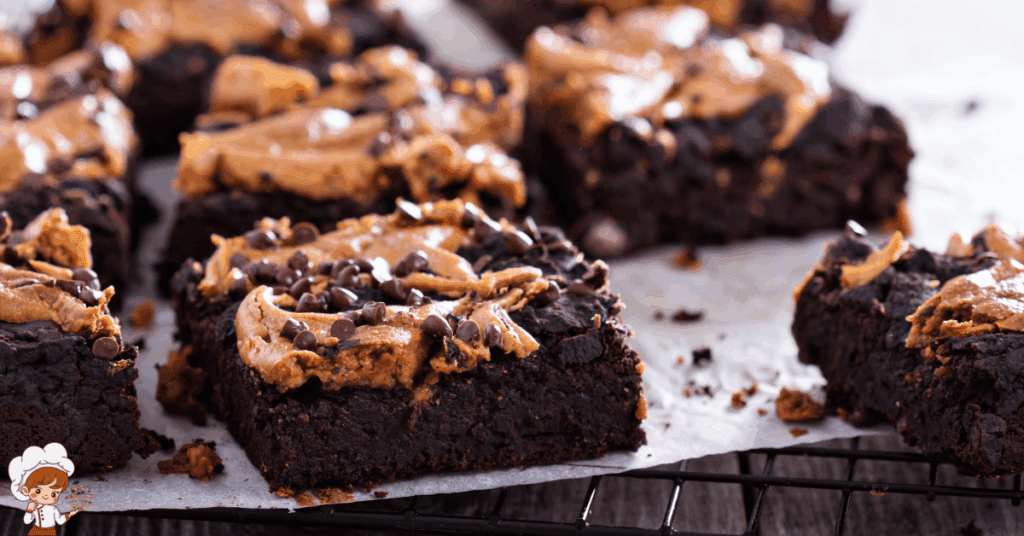
Origin of Amazing Peanut Butter Swirl Brownie; Few desserts capture the perfect balance of indulgence quite like Peanut Butter Swirl Brownies. With their luscious layers of rich chocolate and creamy peanut butter ribbons, these brownies combine two of the most beloved flavors in American dessert culture. More than just a modern sweet treat, their history reveals a fascinating story of culinary innovation, nostalgia, and evolving American tastes. To truly appreciate this decadent dessert, it helps to explore where brownies came from, how peanut butter entered the American baking scene, and what led to the iconic fusion we now call the Peanut Butter Swirl Brownie.
The Sweet Beginnings: The Birth of the Brownie
The story of the brownie begins in the United States at the turn of the 20th century. Though it’s difficult to pinpoint a single inventor, the first known printed brownie recipe appeared in the 1897 Sears, Roebuck & Co. catalog. Unlike the rich, fudgy bars we know today, early brownies were more like dense chocolate cakes cut into squares. They lacked the deep chocolate flavor and gooey texture that modern bakers have perfected.
Historians believe that the first true brownies may have originated in Chicago, where a chef at the Palmer House Hotel reportedly created a chocolate dessert for the 1893 World’s Columbian Exposition. The hotel’s pastry chef was asked to create something that could be neatly packed in a box for ladies attending the fair—something smaller than cake but richer than a cookie. The result? A chocolate square topped with apricot glaze and walnuts, which became one of the earliest forms of the brownie.
By the early 1900s, cookbooks across America began featuring brownie recipes, each slightly different but built around the same core idea: a dense, chocolatey, portable dessert. The brownie quickly gained popularity because it was easy to make, required minimal ingredients, and offered an intense chocolate flavor without the need for frosting.
The Rise of Peanut Butter in American Desserts
Peanut butter’s journey to becoming a kitchen staple is equally fascinating. Though peanuts have been cultivated for thousands of years, modern peanut butter was introduced in the late 19th century. In 1895, Dr. John Harvey Kellogg, best known for creating cornflakes, patented a process for making peanut paste as a health food for patients who had difficulty chewing solid food.
By the early 1900s, peanut butter had evolved from a health food into a national phenomenon. Its affordability, long shelf life, and high protein content made it a household essential, especially during the Great Depression and World War II, when families sought inexpensive sources of nutrition.
In the decades that followed, peanut butter’s creamy, nutty richness began to appear in desserts. From peanut butter cookies in the 1910s to peanut butter pies in the 1930s, Americans were experimenting with the ingredient’s versatility. The idea of mixing it with chocolate soon followed—ushering in a flavor combination that would become one of the most popular in dessert history.
The Marriage of Chocolate and Peanut Butter
While it’s hard to imagine now, the pairing of chocolate and peanut butter didn’t become widespread until the mid-20th century. The turning point came in 1928 when H.B. Reese, a former Hershey employee, created the Reese’s Peanut Butter Cup in his Hershey, Pennsylvania home. The candy’s success was immediate, and it cemented the marriage of chocolate and peanut butter as an American classic.
As this flavor pairing gained popularity, home bakers began experimenting with new ways to incorporate both ingredients into baked goods. Brownies were an obvious choice: their rich chocolate base provided the perfect contrast to peanut butter’s salty creaminess. By the 1950s and 60s, recipes for Peanut Butter Swirl Brownies began appearing in community cookbooks, food magazines, and church potluck collections.
The swirl technique—adding dollops of peanut butter mixture into brownie batter and swirling it with a knife—allowed for a visually striking marbled effect while blending the two flavors perfectly. It became both a practical and artistic evolution in dessert baking.
Peanut Butter Swirl Brownies in American Home Baking Culture
Throughout the 20th century, home baking became a cherished part of American life. Cookbooks, boxed mixes, and TV cooking shows brought the joy of baking into every kitchen. Brownies, in particular, were a staple of bake sales, birthday parties, and family gatherings because they were nearly foolproof and universally loved.
When peanut butter was added into the mix, brownies gained a new layer of sophistication and nostalgia. The combination evoked the flavors of childhood—reminiscent of peanut butter sandwiches and chocolate treats after school—while also offering a rich, decadent texture that appealed to adults.
In the 1970s and 80s, companies like Betty Crocker and Pillsbury began featuring variations of peanut butter brownies in their promotional materials and boxed mix lines, further popularizing the dessert. The ease of preparation and visual appeal of the peanut butter swirl made them a go-to dessert for home bakers across generations.
Modern Evolution: The Gourmet and Slow-Baked Twist
As food culture evolved, so did the humble Peanut Butter Swirl Brownie. Today, bakeries and home chefs alike experiment with high-quality chocolates, natural peanut butters, and artisan ingredients. Variations include gluten-free versions, vegan adaptations using almond butter or cashew butter, and gourmet renditions topped with sea salt or caramel drizzle.
Interestingly, the dessert has also found its place in slow cooker baking—a testament to how adaptable and timeless the brownie has become. Slow cookers, once associated primarily with savory dishes, have recently gained traction for desserts. The low, even heat of a slow cooker allows the brownie to remain moist, rich, and intensely flavorful while creating a fudgy texture that rivals traditional oven-baked versions.
This modern twist reflects the continuing innovation in American kitchens: the blending of nostalgia and convenience, with a nod to the deep-rooted love affair between chocolate and peanut butter.
The Cultural Legacy of Peanut Butter Swirl Brownies
Beyond being a delicious treat, Peanut Butter Swirl Brownies embody something deeper about American culinary identity. They represent comfort, creativity, and community. Whether shared at potlucks, gifted in care packages, or enjoyed at midnight with a glass of milk, these brownies have become a symbol of home-baked love.
Their enduring appeal lies in their balance: the bittersweet intensity of chocolate offset by the creamy, slightly salty essence of peanut butter. Each bite carries both richness and familiarity—an edible metaphor for the American palate, which loves indulgence grounded in nostalgia.
From small-town bake sales to trendy urban cafés, Peanut Butter Swirl Brownies continue to unite generations under the banner of sweetness and simplicity.
The Science Behind the Swirl
Part of the magic of Peanut Butter Swirl Brownies lies in their texture and flavor chemistry. Chocolate and peanut butter work so well together because of contrast and complementarity. Chocolate provides bitterness and deep cocoa flavor, while peanut butter contributes fat, salt, and smoothness. Together, they form a flavor balance that hits all the sensory notes—sweet, salty, creamy, and rich.
The swirling technique also affects the final texture. When peanut butter is swirled into the batter, it creates pockets of moisture and density that give each bite a unique balance of fudge-like chocolate and silky peanut butter. The result is both visually appealing and irresistibly satisfying.
Why Peanut Butter Swirl Brownies Remain Timeless
Despite changing food trends, the appeal of Peanut Butter Swirl Brownies has never faded. They fit into nearly every culinary era—from midcentury homemaking to modern clean eating. They can be made from scratch with premium ingredients or simplified using boxed brownie mixes, making them accessible to everyone.
Social media has given the dessert a new spotlight, too. Swirled desserts perform beautifully in photos and videos, making them popular among food influencers and bakers who appreciate both taste and presentation. Whether baked in cast iron pans, slow cookers, or decorative tins, these brownies always find their way into kitchens and hearts around the world.
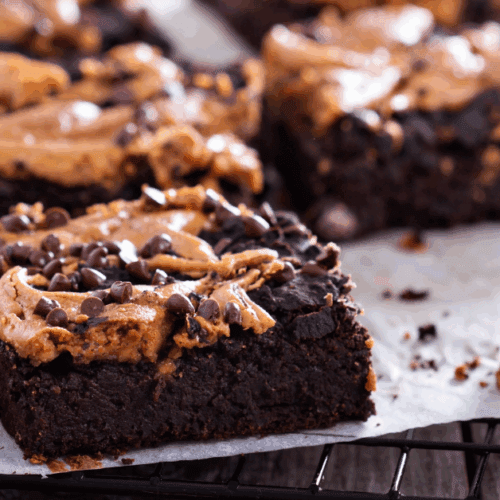
Peanut Butter Swirl Brownies
Ingredients
- – 1/2 cup butter
- – 1 cup sugar
- – 2 eggs
- – 1 tsp vanilla extract
- – 1/3 cup cocoa powder
- – 1/2 cup flour
- – 1/4 cup peanut butter
Instructions
- . Preheat oven to 350°F (175°C). Grease an 8×8 inch pan.
- Melt butter and mix with sugar, eggs, and vanilla.
- Stir in cocoa and flour.
- Pour half the batter into the pan.
- Swirl peanut butter into the remaining batter and pour on top.
- Bake for 25-30 minutes.
- Let cool before slicing.
Frequently Asked Questions: Origin of Amazing Peanut Butter Swirl Brownie
1. When were Peanut Butter Swirl Brownies first created?
While there isn’t a single inventor, recipes for Peanut Butter Swirl Brownies began appearing in American cookbooks during the mid-20th century, likely inspired by the growing popularity of peanut butter and chocolate as a dessert pairing.
2. Why do chocolate and peanut butter taste so good together?
Chocolate provides sweetness and bitterness, while peanut butter adds saltiness and creaminess. This balance of flavors creates a satisfying taste experience that appeals to nearly every palate.
3. Can other nut butters be used to make swirl brownies?
Yes, almond butter, cashew butter, or sunflower seed butter can all be substituted to create unique variations while maintaining that signature swirl effect.
4. Are Peanut Butter Swirl Brownies American in origin?
Yes, both brownies and peanut butter are products of American culinary innovation, and their combination is distinctly rooted in U.S. dessert traditions.
5. What’s the difference between fudgy and cakey brownies?
Fudgy brownies contain more fat and less flour, creating a dense, moist texture, while cakey brownies have more flour and leavening agents, producing a lighter crumb.
6. How did the swirl technique become popular?
The swirl method gained popularity in the 1950s and 60s as home bakers sought visually beautiful yet easy-to-make desserts that combined multiple flavors.
7. Are Peanut Butter Swirl Brownies still popular today?
Absolutely. They remain a favorite for holidays, bake sales, and casual desserts, often reinvented with modern flavors or healthier twists.

A Dessert Born from Creativity and Comfort
Peanut Butter Swirl Brownies are more than just another dessert—they’re a cultural icon that celebrates the marriage of America’s two most cherished flavors. From the invention of the brownie in Chicago to the rise of peanut butter as a pantry staple, this dessert encapsulates over a century of culinary evolution.
Each swirl tells a story of ingenuity, resourcefulness, and love for good food. Whether baked in a professional kitchen or a family home, these brownies continue to represent the best of what American baking has to offer—warmth, comfort, and the simple joy of sharing something sweet.
If you enjoyed exploring this topic and want to dive even deeper, be sure to check out some of our other articles here on Infinite Flavors. From rich culinary histories to creative twists on classic recipes, there’s always something new to discover. Whether you’re curious about the origins of a dish, looking for fresh inspiration in the kitchen, or simply love learning about food culture, our collection of posts is the perfect next step on your flavor journey.
The History Easy Slow Cooker Hot Fudge Brownie Cake
The History And Origin Of Easy Fudgy Brownies
The Great Origin Of Slow Cooker Chocolate Peanut Butter Cake