The History and Origin of Easy Fudgy Brownies
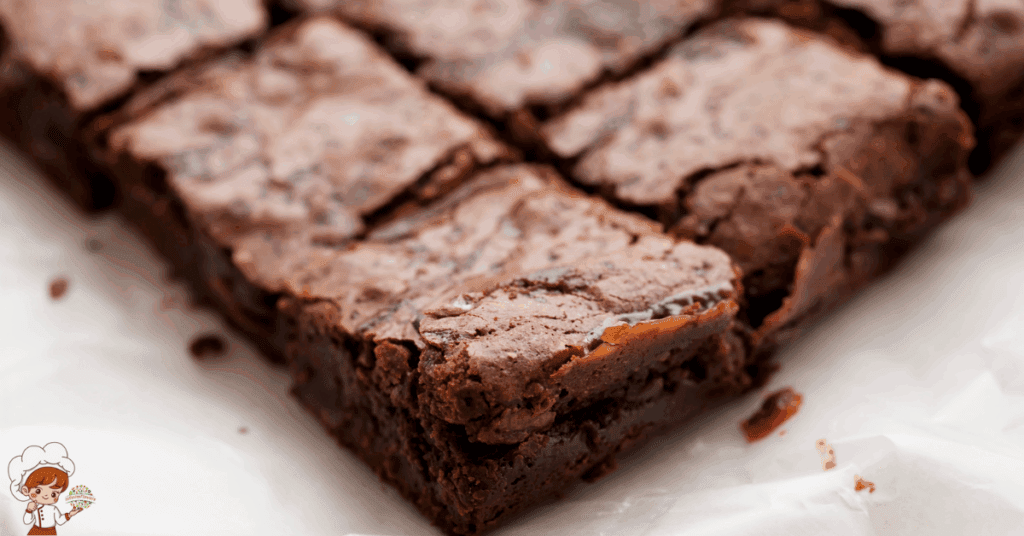
The History and Origin of Easy Fudgy Brownies; Few desserts capture the soul of American baking quite like the fudgy brownie. Dense, moist, and deeply chocolatey, this beloved confection has earned its place as one of the most iconic comfort foods in the world. Unlike their cakier counterparts, fudgy brownies strike the perfect balance between indulgent chewiness and melt-in-your-mouth richness.
But where did brownies come from? How did this chocolate marvel evolve into the decadent, gooey square we love today? To answer these questions, we must look back more than a century—to the rise of home baking, the evolution of chocolate desserts, and the creative spirit of American cooks who turned simple pantry ingredients into pure joy.
This deep dive explores the history and origin of fudgy brownies, tracing their roots from early chocolate cakes to modern-day masterpieces, revealing how one small square became a universal symbol of sweet satisfaction.
The Sweet Beginnings: How Chocolate Found Its Way into Desserts
To understand the origin of fudgy brownies, we must first appreciate the long and fascinating journey of chocolate itself. Chocolate began as a sacred beverage among the Maya and Aztec civilizations, who brewed cacao with spices and chili peppers as a ceremonial drink. It was both bitter and energizing—a far cry from the dessert ingredient we know today.
When Spanish explorers brought cacao beans to Europe in the 16th century, sugar was introduced to temper the bitterness. Over time, chocolate became synonymous with luxury and indulgence. By the 18th century, European confectioners were creating cocoa powders and chocolate bars, making it easier to use chocolate in baking.
However, it wasn’t until the late 1800s—when chocolate became mass-produced and affordable—that bakers in America began experimenting with it on a wider scale. This accessibility set the stage for a new kind of dessert that would forever change the landscape of sweet treats: the brownie.
The Birth of the Brownie: America’s Iconic Dessert
The brownie’s invention is one of those delightful culinary stories shrouded in a bit of mystery. Most food historians agree that the first brownie recipes appeared in the late 19th century, though its exact birthplace remains debated.
One of the most widely accepted stories credits Chicago’s Palmer House Hotel as the origin point. In 1893, Bertha Palmer, wife of hotel owner Potter Palmer, requested a dessert that would be easy to eat from boxed lunches at the World’s Columbian Exposition. The hotel’s pastry chef created a rich, chocolatey bar topped with walnuts and an apricot glaze—the earliest known version of what we now call a brownie.
Around the same time, early printed recipes began appearing in American cookbooks. One of the first published brownie recipes can be found in the 1897 edition of The Sears, Roebuck Catalog, though it was more of a molasses-flavored cookie bar than the chocolate treat we know today. By 1906, The Boston Cooking School Cookbook by Fannie Farmer featured a version made with melted chocolate—marking a turning point in brownie evolution.
From that moment forward, brownies became a staple of home baking, cherished for their simplicity, affordability, and crowd-pleasing flavor.
The Evolution from Cakey to Fudgy Brownies
Not all brownies were created equal. In fact, the earliest brownies were cakier than today’s dense, chewy versions. They contained more flour and leavening, giving them a texture closer to chocolate cake.
As American home bakers began experimenting, they discovered that adjusting the ratio of fat to flour changed everything. More butter and less flour produced a moister, denser, and richer treat—the birth of the fudgy brownie.
By the mid-20th century, the divide between “cakey” and “fudgy” brownies had become a matter of personal preference and household identity. Some bakers swore by their fluffy, cake-like versions, while others insisted that the true brownie should be dense, chewy, and slightly underbaked in the center.
Fudgy brownies, in particular, gained popularity for their indulgent, almost truffle-like quality. They blurred the line between candy and cake, embodying pure chocolate decadence.
The Mid-Century Brownie Boom
The 1940s through 1960s saw an explosion of brownie popularity in America. With rationing during World War II limiting ingredients like sugar and butter, the simplicity of brownies made them a practical yet satisfying dessert.
Post-war prosperity brought an abundance of packaged ingredients and the rise of baking mixes, including the introduction of Betty Crocker’s Brownie Mix in 1954. These mixes helped bring brownies into nearly every household, making the dessert more accessible than ever.
However, home bakers continued to tweak and refine recipes, experimenting with textures, chocolates, and toppings. The fudgy brownie gained a cult following during this era as more people began craving richer, denser sweets. The glossy, crackly-topped brownie with a moist, chocolatey center became the gold standard of homemade desserts.
The Science Behind Fudgy Brownies
The secret to fudgy brownies lies in the science of baking ratios. Fudgy texture depends on the balance of fat, sugar, chocolate, and flour. A classic fudgy brownie contains more butter or chocolate (or both) and less flour, resulting in that dense, molten-like interior.
The eggs provide structure while also acting as emulsifiers, binding the fats and sugars together. The sugar caramelizes slightly during baking, giving the brownie its signature crust on top. Unlike cakes, which rely on baking powder or soda for lift, brownies are meant to stay thick and heavy—celebrating the richness of cocoa rather than the fluffiness of a sponge.
This unique balance between ingredients creates the beloved “bite” of a fudgy brownie—soft enough to melt in your mouth but firm enough to hold its shape.
The Role of Chocolate in Defining Fudginess
Not all chocolate is created equal when it comes to brownies. The type of chocolate used plays a major role in determining texture and flavor. Dark chocolate and unsweetened cocoa powder both contribute to the depth and intensity of fudgy brownies.
While early brownie recipes relied on unsweetened baking chocolate, modern versions often use melted bars or high-quality cocoa for a richer taste. The presence of melted chocolate increases the fat content, enhancing moisture and ensuring that irresistible fudgy center.
This interplay between fat and cocoa solids is what distinguishes a fudgy brownie from a cakey one—and why true chocolate lovers gravitate toward this indulgent version.
Brownies as an American Symbol of Home Baking
Beyond their texture and flavor, brownies hold a special place in American food culture. They are often one of the first desserts children learn to bake—a rite of passage in the kitchen. They symbolize togetherness, warmth, and home comfort.
From school bake sales to holiday gatherings, brownies appear everywhere. They’re easy to transport, universally loved, and endlessly adaptable. You can find them plain, with nuts, topped with frosting, or swirled with caramel or peanut butter. Yet the fudgy brownie, in its purest form, remains the gold standard.
This iconic dessert represents the spirit of American creativity—born from innovation, refined through generations, and continuously reinvented to suit changing tastes.
Fudgy Brownies Around the World
Although brownies originated in the United States, their popularity quickly spread around the world. In the United Kingdom, they became a staple of afternoon tea menus. Across Europe, bakers began incorporating local chocolates and nuts to create regional twists.
In recent years, global variations like Japanese matcha brownies, Brazilian brigadeiro brownies, and French salted caramel brownies have emerged, each adding unique flavors to the classic formula.
Still, no matter how far the brownie travels, the fudgy texture remains its defining trait—a universal mark of indulgence and comfort.
The Modern Renaissance of Fudgy Brownies
The 21st century has brought a renewed appreciation for high-quality ingredients and homemade baking. Artisanal bakers and food enthusiasts have rediscovered the beauty of from-scratch fudgy brownies, emphasizing pure chocolate flavor and simple preparation.
The rise of social media and baking shows has also turned brownies into visual icons. The glossy, crackled top of a perfect fudgy brownie often takes center stage in drool-worthy photos and videos across platforms like Instagram, TikTok, and Pinterest.
Beyond their aesthetic appeal, fudgy brownies symbolize a return to slow, intentional baking—where every bite tells a story of comfort, nostalgia, and passion for chocolate.
Fudgy Brownies and the Comfort Food Connection
The emotional connection to fudgy brownies runs deep. They represent comfort, joy, and celebration all in one bite. Whether served warm with ice cream or enjoyed straight from the pan, they evoke a sense of home that transcends generations.
In times of stress or celebration, brownies remain a go-to dessert because they require minimal effort and deliver maximum satisfaction. They bridge the gap between old-fashioned homemade desserts and modern indulgence, standing as a timeless comfort food in every sense of the word.
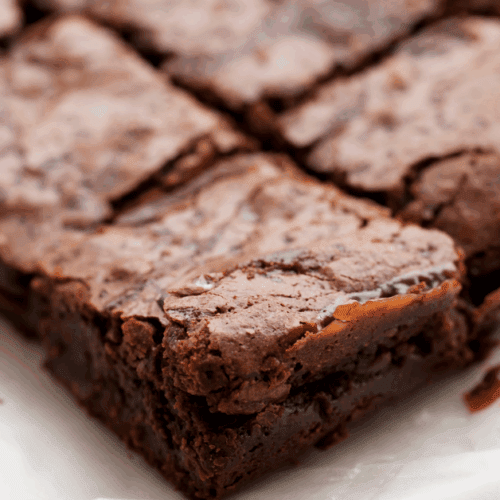
Fudgy Brownies
Ingredients
- 1 cup chocolate chips
- – 1/2 cup butter
- – 1 cup sugar
- – 2 eggs
- – 1 tsp vanilla extract
- – 1/2 cup flour
- – 1/4 tsp salt
Instructions
- Preheat oven to 350°F (175°C). Grease an 8×8 inch pan.
- Melt chocolate chips and butter together.
- Stir in sugar, eggs, and vanilla.
- Mix in flour and salt.
- Pour into the pan and smooth the top.
- Bake for 25 minutes.
- Cool and cut into squares.
FAQ: The History and Origin of Easy Fudgy Brownies
Q: Who invented the first brownie?
A: The first recorded brownie was created at Chicago’s Palmer House Hotel in 1893 for the World’s Columbian Exposition. It was a dense, chocolatey square topped with walnuts and an apricot glaze.
Q: What’s the difference between fudgy and cakey brownies?
A: Fudgy brownies contain more butter and chocolate with less flour, resulting in a dense, chewy texture. Cakey brownies have more flour and leavening, creating a lighter, more airy crumb.
Q: Why are fudgy brownies so popular?
A: Their rich, gooey texture and intense chocolate flavor make them an irresistible comfort dessert. They appeal to chocolate lovers who prefer moisture and decadence over fluffiness.
Q: Are brownies considered American?
A: Yes, brownies are an American invention. They were created in the United States in the late 19th century and quickly became a hallmark of American baking.
Q: How have brownies evolved over time?
A: Early brownies were more like chocolate cakes. Over time, recipes evolved to create denser, richer textures, giving rise to the fudgy brownie we know today.
Q: Why do brownies have a shiny crust?
A: The glossy top forms when sugar dissolves into the batter and bakes into a thin layer of caramelized chocolate, creating that classic crackled look associated with perfect brownies.
Q: Can the origin of fudgy brownies be tied to a specific region?
A: While the first brownie originated in Chicago, the fudgy style evolved nationwide as home bakers experimented with ingredient ratios during the mid-20th century.

Conclusion: The Enduring Legacy of Fudgy Brownies
The story of fudgy brownies is a story of creativity, adaptation, and pure chocolate love. From their humble beginnings in 19th-century America to their status as a global comfort food, brownies embody the joy of baking and the beauty of simple ingredients done right.
They’ve evolved from hotel confections to homemade classics, from boxed mixes to gourmet bakery staples. Yet the heart of the brownie remains the same—a square of sweetness that comforts, delights, and satisfies in every era.
Whether enjoyed warm from the oven or cool from the fridge, fudgy brownies represent a timeless indulgence—one that continues to bring people together around the table, one bite at a time.
If you enjoyed exploring this topic and want to dive even deeper, be sure to check out some of our other articles here on Infinite Flavors. From rich culinary histories to creative twists on classic recipes, there’s always something new to discover. Whether you’re curious about the origins of a dish, looking for fresh inspiration in the kitchen, or simply love learning about food culture, our collection of posts is the perfect next step on your flavor journey.
The History Easy Slow Cooker Hot Fudge Brownie Cake
The Great Origin Of Slow Cooker Chocolate Lava Cake
The Great Origin Of Slow Cooker Pumpkin Spice Cake