5 Easy Slow Cooking Techniques Everyone Should Know
Slow Cooking Techniques Everyone Should Know;Slow cooking is one of the easiest ways for beginners to create rich, flavorful meals without stress — and without standing over the stove for hours. Whether you’re using a slow cooker, crockpot, or simply cooking “low and slow,” these beginner‑friendly techniques help you build deeper flavor, tender textures, and comforting dishes your whole family will love.
In this guide, you’ll learn the best slow cooking techniques for beginners, how to avoid common mistakes, and simple tips that make every meal taste like it simmered all day. If you’re new to slow cooking or just want easier, more reliable results, these methods will help you cook with confidence and enjoy the cozy, homemade flavors slow cooking is known for.
Choosing the Right Cuts of Meat
When it comes to slow cooking, selecting the right cuts of meat is essential for achieving tender, flavorful results. Understanding the difference between tough and tender cuts is crucial in making this choice. Lean cuts of meat are ideal for slow cooking because they have less fat and connective tissue, resulting in a more tender end product.
Tough cuts of meat, such as chuck roast or brisket, are perfect for slow cooking. These cuts come from muscles that work harder, which means they have more connective tissue and collagen. Slow cooking breaks down this tissue and collagen, transforming tough cuts into melt-in-your-mouth deliciousness.
On the other hand, tender cuts of meat, like tenderloin or ribeye, are already naturally tender and do not require the long cooking times that tough cuts do. These cuts are better suited for quick cooking methods like grilling or pan-searing.
When selecting lean cuts of meat for slow cooking, look for cuts like pork loin, chicken breasts, or sirloin steak. These cuts have less fat and connective tissue, which means they will stay tender during the long cooking process.
Keep in mind that marbling, which refers to the fat distributed throughout the meat, adds flavor and juiciness. So, even when choosing lean cuts, a little marbling can go a long way in enhancing the taste of your slow-cooked dish.
Preparing Ingredients for Maximum Flavor
To maximize the flavor of your slow-cooked dish, it is essential to properly prepare your ingredients. The way you handle and treat your ingredients before placing them in the slow cooker can make a significant difference in the taste and overall quality of your meal. One effective technique is marinating, which involves soaking your meat or vegetables in a mixture of herbs, spices, and other flavorings to enhance their natural flavors.
Marinating is a simple yet powerful technique that infuses your ingredients with a burst of flavor. By allowing them to sit in a marinade for a certain period of time, the flavors have a chance to penetrate the meat or vegetables, resulting in a more delicious and tender end result. For meats, you can use acidic ingredients like vinegar or citrus juices to help break down the proteins and tenderize the meat. Additionally, you can experiment with different herbs, spices, and oils to create unique flavor profiles that complement your dish.
Another way to enhance the natural flavors of your ingredients is by browning them before adding them to the slow cooker. This technique works particularly well for meats and vegetables. Browning creates a caramelized crust on the surface, which adds depth and complexity to the flavor. It also helps seal in the juices, resulting in a more succulent and flavorful end product.
Remember to season your ingredients generously with salt and pepper before cooking. This simple step helps to bring out the natural flavors of the ingredients and adds an extra layer of taste. However, be mindful of adding too much salt, as the flavors will concentrate during the slow cooking process.
Setting the Perfect Cooking Temperature
For the perfect slow-cooked dish, it is crucial to carefully select and set the cooking temperature. Temperature control is a key factor in achieving tender, flavorful results. Slow cookers typically have different settings that allow you to adjust the cooking temperature according to your recipe’s requirements. Understanding the different slow cooker settings will help you set the perfect cooking temperature for your dish.
Most slow cookers have three settings: low, high, and warm. The low setting is ideal for recipes that require a longer cooking time. It gently simmers the food, allowing the flavors to meld together over several hours. The high setting, on the other hand, heats the food more quickly and is best for recipes that need to be cooked in a shorter amount of time. The warm setting is used to keep the cooked food at a safe temperature until serving.
When setting the cooking temperature, it is important to consider the type of ingredients you are cooking. Tough cuts of meat, like beef brisket or pork shoulder, benefit from low and slow cooking on the low setting. This allows the connective tissues to break down, resulting in tender, juicy meat. Delicate ingredients, such as fish or vegetables, may require a shorter cooking time on the high setting to prevent overcooking.
To ensure the perfect cooking temperature, always refer to your recipe for specific instructions. Some recipes may require a combination of low and high settings to achieve the desired result. It’s also important to preheat your slow cooker before adding the ingredients, as this will help maintain a consistent cooking temperature throughout the cooking process.
Mastering the Art of Seasoning
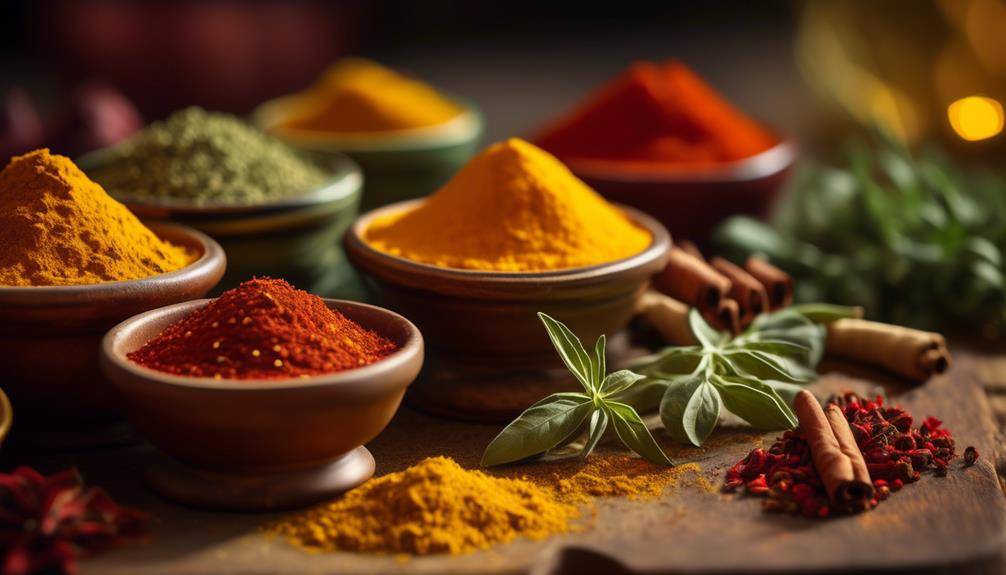
Seasoning is the art of enhancing the flavors of your dishes, transforming them from ordinary to extraordinary. When it comes to slow cooking, mastering the art of seasoning is crucial in creating delicious and well-balanced meals. There are different types of herbs and spices that you can experiment with to add depth and complexity to your dishes. From aromatic herbs like rosemary and thyme to warm spices like cumin and cinnamon, the options are endless.
To balance flavors in slow cooked dishes, it’s important to understand the role of each ingredient. Start by tasting your dish and identifying any flavors that may be lacking. If it’s too bland, you can add a pinch of salt to bring out the natural flavors. If it’s too acidic, a sprinkle of sugar can help to balance it out. Experiment with different combinations of herbs and spices to find the perfect balance of flavors for your taste buds.
When seasoning slow cooked dishes, it’s also important to remember that flavors develop over time. Start with a small amount of seasoning and taste as you go. You can always add more, but it’s difficult to remove excess seasoning if you’ve added too much. Allow the flavors to meld together and adjust the seasoning as needed.
Tips for Timing and Serving
Timing and serving your slow cooked dishes can make all the difference in ensuring a perfectly cooked meal that is ready to be enjoyed. Once your dish has finished cooking, it’s important to consider how to present it in an appealing and creative way. Creative plating ideas can elevate the visual appeal of your slow cooked dishes and make them more enticing. For example, you can garnish your dish with fresh herbs or sprinkle some grated cheese on top. You can also arrange the ingredients in a visually pleasing manner, such as layering slices of meat or arranging vegetables in a spiral pattern. Don’t be afraid to experiment and let your creativity shine!
Pairing slow cooked dishes with the perfect side dishes is another important aspect to consider when serving. The right side dish can complement the flavors and textures of your slow cooked dish, enhancing the overall dining experience. For example, if you have prepared a rich and hearty beef stew, you might pair it with creamy mashed potatoes or crusty bread to soak up the flavorful sauce. If you have made a tender and juicy pulled pork, serving it with tangy coleslaw or cornbread can provide a refreshing contrast. Consider the flavors and textures of both the slow cooked dish and the side dish to ensure a harmonious pairing.
Frequently Asked Questions: Slow Cooking Techniques Everyone Should Know
Can I Use Frozen Meat in Slow Cooking?
Yes, you can use frozen meat in slow cooking. However, it’s best to thaw it first for more even cooking. Thawing also helps to ensure that the meat is tender and juicy when it’s done.
How Do I Prevent My Meat From Becoming Too Dry or Tough?
To prevent your meat from becoming too dry or tough, there are a few slow cooking tips you can follow. First, choose the right cut of meat for slow cooking. Second, marinate the meat before cooking. Finally, cook on low heat for a longer period of time.
Can I Use Slow Cooking Techniques for Vegetarian Dishes?
Yes, you can absolutely use slow cooking techniques for vegetarian dishes! There are countless vegetarian slow cooker recipes out there. The benefits of slow cooking for vegetarian meals include enhanced flavors and tender textures. Give it a try!
What Are Some Common Mistakes to Avoid When Using a Slow Cooker?
Avoid these common mistakes when using a slow cooker: forgetting to defrost meat, not adding enough liquid, lifting the lid too often, using the wrong size slow cooker, and not adjusting cooking times for different ingredients. Achieve perfect texture in slow cooked meat with these tips.
How Do I Convert a Regular Recipe to a Slow Cooker Recipe?
To convert a regular recipe to a slow cooker recipe, you’ll need to adjust the cooking time and liquid amount. Experiment with different flavors and ingredients to create delicious slow cooker meals.

Conclusion
Slow cooking doesn’t have to be complicated — and with these beginner‑friendly techniques, you can create warm, comforting meals with almost no effort. By mastering low‑and‑slow heat, proper layering, simple prep steps, and the right timing, you’ll unlock deeper flavor and tender results every time.
Whether you’re cooking for a busy family, meal‑prepping for the week, or simply craving a cozy homemade dish, these slow cooking methods make it easy to bring delicious, nourishing meals to the table. Keep experimenting, keep tasting, and enjoy the simple joy of slow‑cooked flavor.