The Exciting Boiling Points Of Different Liquids
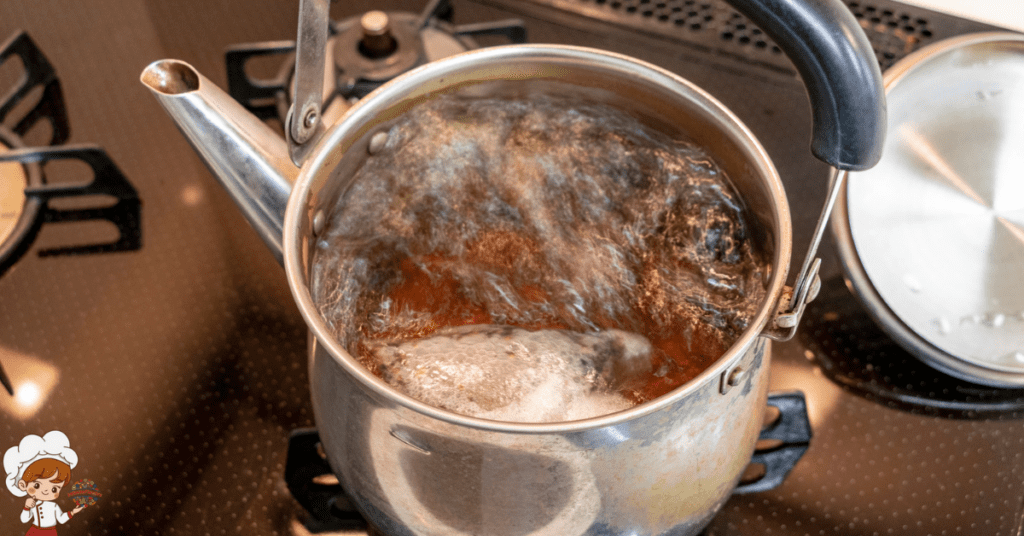
Exciting Boiling Points Of Different Liquids; Understanding the boiling points of different liquids is essential for various tasks, from cooking to industrial processes. For instance, water boils at 100°C, while ethanol vaporizes at around 78°C, making it a popular choice for flavor extraction in cooking. In contrast, mercury has a high boiling point of about 356.7°C, suitable for specific industrial applications. Liquid nitrogen, with its low boiling point of -196°C, is perfect for cryogenic uses. Knowing these temperatures can enhance your cooking and experimentation outcomes, helping you choose the right liquids for the task. Explore more on how boiling points impact both cooking and industrial processes!
Importance of Boiling Points
Understanding the importance of boiling points can greatly enhance your grasp of various scientific and practical applications. Boiling points serve as key indicators of thermal stability, helping you predict how substances will behave under different temperatures. When you know a liquid’s boiling point, you can determine the conditions necessary for it to shift into a gas. This knowledge is vital in fields ranging from chemistry to cooking.
In chemistry, you often encounter phase shifts, which are the changes a substance undergoes when it moves between solid, liquid, and gas states. Recognizing the boiling point allows you to control these shifts effectively. For instance, if you’re distilling a liquid, understanding its boiling point lets you separate components accurately based on their unique thermal properties.
Moreover, in industries like pharmaceuticals, knowing the boiling points of solvents is essential for ensuring product quality. If a solvent evaporates too quickly, it can affect the stability and efficacy of a drug. Similarly, in culinary practices, understanding boiling points can help you achieve perfect cooking temperatures, enhancing flavors and textures.
In everyday life, boiling points influence how you store and use various liquids. For example, knowing that water boils at 100°C under normal atmospheric pressure helps you manage cooking times and temperatures. By grasping the significance of boiling points, you can apply this understanding to a myriad of practical situations, making informed decisions that hinge on thermal stability and phase shifts.
Water: The Universal Solvent
Water acts as a universal solvent due to its unique molecular structure and properties. With its polar nature, water molecules have a positive charge on one side and a negative charge on the other. This polarity enables them to interact effectively with various solutes, breaking them down into smaller particles. The hydrogen bonding between water molecules further enhances its solvent properties, allowing water to dissolve ionic compounds and polar substances with ease.
When you mix salt or sugar in water, you’ll notice how quickly these substances dissolve. This is largely because water molecules surround the solute particles, pulling them apart and incorporating them into the solution. The strong hydrogen bonds between water molecules create a network that supports this process, ensuring that solutes remain dispersed and don’t easily settle back down.
In everyday life, this is why water is often referred to as the “universal solvent.” You rely on it daily, whether you’re making a cup of coffee or preparing a saline solution for medical purposes. Its ability to dissolve a wide range of substances makes it indispensable in biological systems, chemical reactions, and industrial processes.
Understanding water’s solvent properties is vital for various applications, from agriculture to pharmaceuticals. By recognizing how water interacts with different materials, you can appreciate its role not just as a simple liquid, but as a powerful agent in countless processes. Fundamentally, water’s unique characteristics make it essential for life and numerous scientific endeavors.
Mercury: A High Boiling Point
While water’s ability to dissolve substances is remarkable, mercury stands out for its high boiling point of approximately 356.7 degrees Celsius (674 degrees Fahrenheit). This unique property makes mercury particularly valuable in various applications. For instance, its high boiling point allows it to remain in liquid form across a wide range of temperatures, which is imperative for certain industrial processes.
You might be surprised to learn that mercury properties, such as its density and thermal conductivity, contribute to its utility in thermometers and barometers. Since it expands and contracts uniformly with temperature changes, it provides precise readings, making it an ideal choice for accurate measurements.
In addition to scientific instruments, mercury finds applications in the manufacturing of electrical switches and relays. Its liquid state allows for efficient conductivity, which is vital for reliable operation in these devices. Additionally, it plays a role in the production of fluorescent lights and some dental amalgams, showcasing its versatility.
However, it is important to be cautious due to mercury’s toxicity. While its high boiling point and unique properties offer numerous benefits, awareness of safety and environmental concerns is vital. As you explore the world of liquids, keep in mind that mercury’s high boiling point is just one aspect of its fascinating and complex nature, contributing to both its applications and the necessary precautions when handling this element.
Liquid Nitrogen: The Low End
At the opposite end of the boiling point spectrum lies liquid nitrogen, which boasts an impressively low boiling point of around -196 degrees Celsius (-321 degrees Fahrenheit). This extreme temperature makes it vital for various cryogenic applications, such as preserving biological samples, aiding in superconductivity research, and even freezing food products for long-term storage. When you handle liquid nitrogen, you’ll quickly realize that its benefits come with significant responsibilities.
Because of its ultra-low temperature, safety measures are essential. First and foremost, you should always wear appropriate protective gear, including insulated gloves and face shields, to prevent frostbite. Additionally, make sure you’re working in a well-ventilated area. Nitrogen gas can displace oxygen, creating an asphyxiation hazard in confined spaces. You wouldn’t want to compromise your safety while exploring the fascinating world of cryogenics.
When using liquid nitrogen, avoid direct contact with skin or eyes. If spills occur, quickly clean up the area while maintaining safety protocols. In case of accidental exposure, seek immediate medical attention. By following these safety measures, you can safely harness the incredible properties of liquid nitrogen for your projects and experiments.
Ethanol: Common in Cooking
Ethanol is a versatile alcohol commonly used in cooking, adding flavor and enhancing the overall culinary experience. You’ll find ethanol in various forms, such as wine, beer, and spirits, which serve as vital ingredients in countless recipes. Its unique properties, like a lower boiling point of 78.37°C (173.07°F), allow it to evaporate quickly, making it perfect for deglazing pans and creating sauces.
When you cook with ethanol, you’re not just adding flavor; you’re also benefiting from its ability to extract and concentrate flavors from other ingredients. This is especially true when you use wine or spirits in marinades and sauces. Ethanol’s properties enable it to dissolve fats and oils, allowing for a balanced and rich taste in your dishes.
Ethanol uses extend beyond just flavor enhancement. It’s also a fantastic solvent for extracting vital oils and flavors from herbs and spices. This means that when you infuse oils or create flavored extracts, ethanol plays a significant role in capturing those vibrant tastes.
While cooking with ethanol, you might notice that it can also help tenderize meats, as its properties break down proteins. However, it’s important to remember that cooking will reduce the alcohol content, leaving behind the flavors without the intoxicating effects.
Acetone: Quick Evaporation
Acetone, known for its rapid evaporation, is a powerful solvent widely used in various applications, from nail polish remover to industrial cleaning products. One of the standout acetone properties is its low boiling point of 56°C (132.8°F), which directly contributes to its quick evaporation. When you apply acetone, you’ll notice it evaporates almost instantaneously, leaving surfaces dry and clean without residue.
This rapid evaporation is particularly beneficial in scenarios where you need to remove substances quickly. For instance, when you’re using it to clean tools or surfaces, acetone’s fast-drying nature helps you move on to the next task without delay. Additionally, its volatility means you can work in smaller amounts, minimizing waste while still achieving effective results.
However, keep in mind that acetone can be flammable, so it’s essential to use it in well-ventilated areas and away from open flames. The strong smell might also be overwhelming, so consider wearing a mask or using a fan to guarantee good air circulation.
In terms of safety, always store acetone properly and out of reach of children. Understanding acetone properties helps you appreciate its efficiency as a solvent while also recognizing the precautions necessary for safe use. By harnessing its rapid evaporation, you can enhance your cleaning processes and benefit from its effectiveness across various applications.
Glycerin: High Viscosity Impact
Although acetone’s low boiling point makes it an effective solvent for quick evaporation, glycerin presents a different profile with its high viscosity, which greatly impacts its behavior and applications. When you work with glycerin, you’ll notice its thick, syrupy texture, which can affect how it mixes with other substances. This high viscosity means glycerin doesn’t flow as easily as lighter liquids, influencing its use in various glycerin applications.
One significant glycerin property is its ability to act as a humectant, drawing moisture from the air. This quality makes it popular in the cosmetics and food industries, where it keeps products moist and enhances texture. In skincare, for example, glycerin helps to hydrate and soften the skin, making it an essential ingredient in lotions and creams. You might also find glycerin in food products, where it serves as a sweetener and helps maintain freshness.
Another aspect of glycerin’s high viscosity is its ability to create a stable emulsion. This is particularly useful in formulations like creams, where you want to combine oil and water without separation. Its thick consistency helps hold the mixture together, ensuring a uniform product.
Oil: Various Types and Uses
Oil comes in many varieties, each with unique properties and uses. Olive oil, for instance, is renowned for its health benefits and rich flavor profile. It’s perfect for dressings and low-heat cooking, but it has a relatively low smoke point, so avoid using it for high-temperature frying.
Coconut oil is another popular option. It has a higher frying temperature and a distinct flavor, making it great for baking and sautéing. Its stability factors make it a favorite among health-conscious cooks, too.
Canola oil is often chosen for its neutral taste and high smoke point, making it suitable for frying and general cooking. Peanut oil, on the other hand, is ideal for Asian dishes and deep frying, thanks to its high smoke point and pleasant nutty flavor.
Vegetable oil is a versatile choice that works well in various culinary uses, from frying to baking. It’s often a blend of different oils, so its properties can vary.
Lastly, sesame oil, with its bold flavor profile, is commonly used in Asian cuisine, either as a cooking oil or a finishing touch to enhance a dish’s taste.
When selecting an oil, consider the frying temperature and how it interacts with your recipes. Each oil has its advantages, so understanding their unique qualities can elevate your cooking and contribute to a healthier lifestyle.
Factors Influencing Boiling Points
When you think about boiling points, consider how molecular structure plays a key role. The arrangement of atoms and the strength of intermolecular forces can greatly change how a liquid behaves when heated. Plus, atmospheric pressure can either raise or lower those boiling points, adding another layer of complexity to the topic.
Molecular Structure Effects
The molecular structure of a liquid plays an essential role in determining its boiling point. Various factors come into play, particularly molecular interactions. For instance, polar molecules exhibit stronger hydrogen bonding compared to non-polar molecules, which rely on weaker van der Waals forces. This difference means that liquids with significant hydrogen bonding generally have higher boiling points.
Moreover, the chain length of a molecule affects its boiling point. Longer chains can increase boiling points due to the greater surface area available for van der Waals interactions. However, branching effects can lower the boiling point because branched molecules have a more compact structure, leading to fewer interactions.
Functional groups also influence boiling points. For example, alcohols have higher boiling points than hydrocarbons of similar mass due to hydrogen bonding. Additionally, the electron density within a molecule affects how readily it can polarize and engage in molecular interactions.
Molecular symmetry contributes to temperature stability as well; symmetrical molecules often exhibit lower boiling points due to reduced dipole moments. Understanding these molecular structure effects helps you predict how different liquids will behave under varying conditions.
Atmospheric Pressure Influence
Boiling points don’t just hinge on molecular structure; atmospheric pressure plays a essential role too. When you’re at sea level, the atmospheric pressure is about 101.3 kPa, which means water boils at 100°C. However, as you ascend to higher altitudes, the pressure decreases. This drop in pressure causes the boiling point of water to drop as well. You might find that water boils at around 90°C when you’re at 3,000 meters above sea level.
These boiling point variations can considerably affect cooking and food preparation. For instance, if you’re boiling pasta in a high-altitude location, it may take longer to cook because the water is at a lower temperature. Similarly, pressure cookers exploit this principle by increasing the pressure inside the pot, raising the boiling point and allowing food to cook faster.
Understanding pressure effects is essential, whether you’re a home cook or a scientist. By considering atmospheric pressure in your experiments or recipes, you’ll achieve more reliable results and avoid any surprises. So, next time you’re in the kitchen or planning an experiment, keep these pressure influences in mind!
Applications in Industry and Cooking
Understanding boiling points is crucial in both industrial processes and culinary practices. In industrial applications, precise control over boiling points allows you to optimize operations, such as distillation and extraction. By knowing the boiling points of various solvents, you can select the right conditions for efficient separation of materials, enhancing product quality and consistency.
In the kitchen, mastering boiling points can greatly elevate your cooking techniques. For instance, when you cook pasta, knowing the boiling point of water helps guarantee you achieve the perfect texture. Similarly, understanding how different ingredients interact at various temperatures can lead to better flavor enhancement. When you sauté vegetables, a higher temperature may caramelize sugars, while a lower temperature preserves their thermal stability and nutrients.
Food preservation is another critical area where boiling points play a role. Canning relies on boiling liquids to kill harmful bacteria, and adjusting recipe parameters based on boiling points guarantees safety considerations are met. This is crucial in preventing spoilage and extending shelf life.
When adapting recipes, you’ll often find that boiling points can necessitate recipe adjustments. For example, when substituting a liquid with a lower boiling point, you’ll need to monitor cooking times closely to prevent overcooking or undercooking.
Frequently Asked Questions: Exciting Boiling Points Of Different Liquids
How Do Impurities Affect the Boiling Point of a Liquid?
Impurities raise a liquid’s boiling point due to boiling point elevation, a colligative property. When solute particles are added, they disrupt the liquid’s ability to vaporize, requiring more energy to reach the boiling point.
Can Boiling Points Change With Altitude?
Yes, boiling points change with altitude. As altitude increases, the atmospheric pressure decreases, reducing vapor pressure needed for boiling. This means liquids boil at lower temperatures in higher altitudes compared to sea level.
What Is the Boiling Point of Liquid Helium?
The boiling point of liquid helium is around -269°C. Its unique helium properties make it essential for cryogenic applications, allowing scientists to achieve extremely low temperatures necessary for advanced research and technological innovations.
How Do Boiling Points Relate to Liquid’s Molecular Structure?
Boiling points reflect a liquid’s molecular structure because stronger molecular interactions and higher molecular weight generally lead to higher boiling points. You’ll find that these factors greatly influence how substances behave under varying temperatures.
Are There Liquids With Boiling Points Above 300°C?
Yes, there are liquids with high boiling points above 300°C, often used in industrial applications. These substances are essential for processes requiring high temperatures, ensuring stability and efficiency in various chemical reactions and manufacturing environments.

Conclusion
In conclusion, understanding boiling points is essential for various applications, from cooking to industrial processes. Whether you’re using water for a recipe or liquid nitrogen for cooling, each liquid’s unique boiling point impacts how you work with it. Recognizing these differences helps you make informed choices, ensuring safety and efficiency in your tasks. So next time you’re in the kitchen or a lab, remember how boiling points can influence your results and the overall success of your projects.
If you enjoyed exploring this topic and want to dive even deeper, be sure to check out some of our other articles here on Infinite Flavors. From rich culinary histories to creative twists on classic recipes, there’s always something new to discover. Whether you’re curious about the origins of a dish, looking for fresh inspiration in the kitchen, or simply love learning about food culture, our collection of posts is the perfect next step on your flavor journey.
The Best Cheese For Gratinating Dishes
What Is The Difference Between Baking And Roasting
A How To Roasting Vegetables Without Using Oil