A How To Roasting Vegetables Without Using Oil
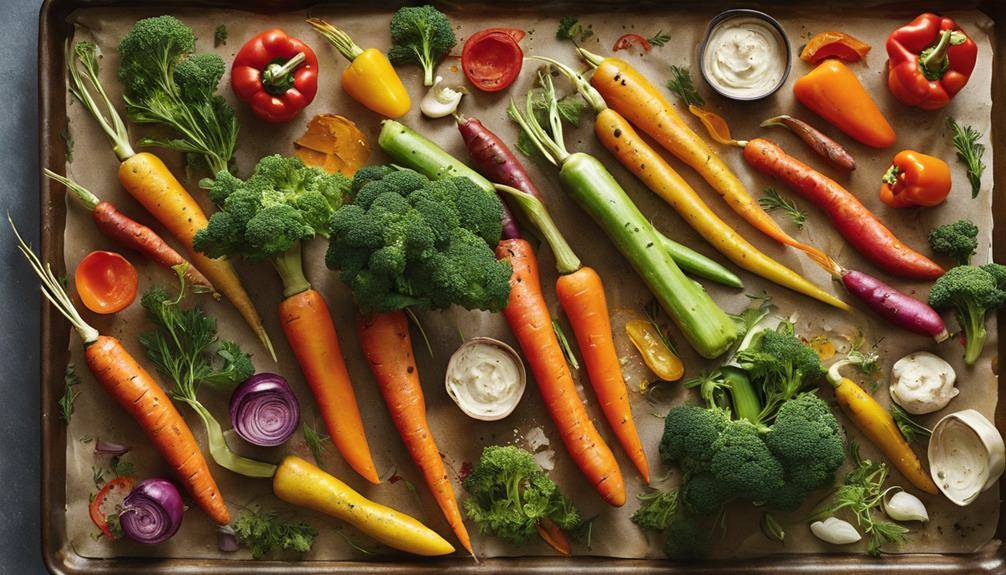
Roasting Vegetables Without Using Oil; You can roast vegetables without oil and still enjoy fantastic flavors and textures. Start by choosing hearty vegetables like carrots and Brussels sprouts, then wash and cut them into uniform sizes for even cooking. Preheat your oven to a high temperature, use parchment paper for easy cleanup, and season your veggies with herbs, spices, or citrus juice to enhance their natural taste. You can also try roasting with vegetable broth or vinegar for added moisture and flavor. If you’d like to discover more techniques and tips for perfecting your oil-free roasting, keep going!
Benefits of Oil-Free Roasting
Oil-free roasting offers a range of benefits that can enhance both your health and the flavor of your vegetables. By skipping the oil, you’re reducing unnecessary calories, which can be a game-changer for weight management. This method encourages you to focus on the natural flavors of your produce, allowing for a delightful flavor enhancement that showcases their true essence.
When you roast without oil, you also create exciting texture variations. The vegetables caramelize beautifully, developing a crispy exterior while remaining tender inside. This contrast makes your dishes more appealing and satisfying. Plus, oil-free roasting fits seamlessly into your meal prep routine, making it easier to whip up healthy meals in advance.
Incorporating this cooking technique into your diet aligns with dietary considerations, especially if you’re following specific nutritional goals or restrictions. It promotes a more balanced approach to eating without compromising on taste. You’ll find that eco-friendly cooking practices are easier to adopt, as reducing oil usage can lead to less waste and a more sustainable kitchen.
Moreover, oil-free roasting opens the door to culinary creativity. You can experiment with various spices and herbs, letting them shine without the heaviness of oil. Your meals can become a canvas for your imagination, leading to diverse flavors and combinations that keep your palate excited. By choosing this method, you’re not only making healthier decisions but also enriching your culinary experiences.
Choosing the Right Vegetables
When it comes to roasting vegetables without oil, selecting the right ones is key to achieving great flavor and texture. You’ll want to focus on hearty vegetables that hold up well in the heat, like carrots, Brussels sprouts, and sweet potatoes. Additionally, picking seasonal veggies can enhance your dish’s taste and freshness.
Best Vegetables for Roasting
Choosing the right vegetables can transform your roasting experience into a delicious and satisfying culinary adventure. When selecting vegetables, consider those that roast well, such as carrots, bell peppers, sweet potatoes, and Brussels sprouts. These varieties caramelize beautifully, creating rich flavors and delightful textures.
To elevate your dishes even further, think about creative vegetable combinations. Pairing root vegetables with leafy greens can add depth and balance to your meals. For instance, roasting beets alongside kale can provide a vibrant mix of colors and tastes that are visually appealing and delicious.
Don’t forget to think about your roasting equipment essentials. A sturdy baking sheet or roasting pan is essential for even cooking, while parchment paper can help prevent sticking. If you have a convection oven, it can enhance airflow, promoting even browning and crispiness.
Experimenting with different vegetables and combinations will keep your meals exciting. Try adding seasonal produce or experimenting with herbs and spices to complement your roasted creations. With the right selection, you’ll discover that oil-free roasting can be just as flavorful and satisfying as traditional methods. Happy roasting!
Seasonal Vegetable Selection Tips
Selecting seasonal vegetables not only enhances the flavor of your roasts but also supports sustainable eating habits. When you choose local vegetable varieties, you’re not just getting the freshest produce; you’re also reducing your carbon footprint by minimizing transportation. Seasonal cooking allows you to enjoy the best flavors each season has to offer.
To make the right choices, start by visiting your local farmers’ market. You’ll find a range of seasonal vegetables that reflect what’s currently thriving in your area. Ask farmers about their best picks, as they can guide you toward the most flavorful options. For example, in spring, look for asparagus and peas, while summer brings zucchini and bell peppers. Fall is perfect for root vegetables like carrots and sweet potatoes, and winter often features hearty greens like kale and Brussels sprouts.
Also, consider what’s in season when planning your meals. This not only helps you create delicious roasts but also encourages variety in your diet. By focusing on seasonal vegetables, you’ll elevate your dishes while supporting local agriculture and enjoying the peak flavors of each season.
Preparing Your Vegetables
Preparing your vegetables is a crucial step for achieving delicious, oil-free roasted dishes. Start by selecting fresh, seasonal vegetables, as they’ll provide the best flavors and textures. Wash your veggies thoroughly to remove any dirt or chemicals. Next, peel or trim them as needed; for example, you might want to peel carrots or trim the ends of green beans. Uniformity in size is key, so chop your vegetables into similar-sized pieces. This guarantees even cooking and prevents some from burning while others remain undercooked.
As you move into vegetable preparation, think about how you want each vegetable to turn out. For firmer veggies like potatoes, cut them into larger chunks, while softer vegetables like zucchini can be sliced thinner. This way, you’ll achieve a great contrast in textures.
Once your vegetables are prepped, it’s time to focus on seasoning techniques. Without oil, you can still enhance the natural flavors of your veggies. Use a combination of herbs, spices, and citrus juice. For instance, a sprinkle of garlic powder, onion powder, or smoked paprika can add depth. Fresh herbs like rosemary or thyme work wonderfully too. Don’t shy away from experimenting; mix and match until you find what you love. After seasoning, toss your vegetables to guarantee they’re evenly coated. With these simple steps in vegetable preparation, you’re well on your way to creating mouthwatering, oil-free roasted vegetables that everyone will enjoy.
Flavoring Without Oil
When you’re roasting vegetables without oil, flavoring them becomes essential. You can easily enhance their taste with a mix of herbs and spices, or by adding a splash of citrus and vinegar. These ingredients not only add zest but also keep your dishes vibrant and exciting.
Herbs and Spices
To elevate the flavors of your roasted vegetables without relying on oil, incorporating a variety of herbs and spices can make all the difference. Start by experimenting with different herb varieties like rosemary, thyme, and oregano. These add aromatic notes that enhance the natural sweetness of your veggies. You can toss them with your vegetables before roasting, allowing the flavors to infuse as they cook.
Don’t forget about spice blends! A dash of smoked paprika or a sprinkle of cumin can introduce warmth and depth. Consider using curry powder for an exciting twist or chili flakes for some heat. Mixing and matching herb varieties and spice blends can create unique flavor profiles that keep your meals interesting.
You can also try fresh herbs post-roasting for a burst of brightness. Chopped parsley or basil sprinkled on top can add a fresh touch. Just remember to adjust the quantities according to your taste preferences. With these flavorful additions, your roasted vegetables will be anything but bland, proving that you don’t need oil to enjoy a delicious and satisfying dish. Enjoy the process of discovering your favorite combinations!
Citrus and Vinegar
Citrus and vinegar can transform your roasted vegetables into a zesty delight without the need for oil. By using fresh citrus zest from lemons, limes, or oranges, you can brighten up the natural flavors of your veggies. Just a teaspoon of zest mixed into your vegetable mixture before roasting will add a vibrant, tangy kick.
When it comes to vinegar varieties, you’ve got plenty of options. Balsamic vinegar adds a rich sweetness that pairs well with root vegetables. If you prefer a sharper taste, try red wine or apple cider vinegar, which can enhance the earthiness of your produce. Simply drizzle a bit over your chopped veggies or toss them in a bowl to guarantee an even coating.
For added depth, combine citrus juice with your chosen vinegar. This blend creates a flavorful marinade that penetrates your vegetables, making them even more delicious. Roast them until tender, and you’ll be amazed at how these simple ingredients elevate your dish. So next time you’re roasting veggies, remember that citrus and vinegar can deliver bold flavors without any oil, making your meals healthier and more exciting.
Techniques for Roasting
Roasting vegetables without oil can be both simple and rewarding. By using a few technique variations, you can achieve delicious results while keeping your meals healthy. First, preheat your oven to a high temperature, typically around 425°F (220°C). This step helps to caramelize the natural sugars in your veggies, enhancing their flavor without the need for oil.
Next, consider your roasting equipment. A sturdy baking sheet lined with parchment paper or a silicone mat works wonders. These surfaces prevent sticking and can handle high heat, guaranteeing even cooking. You might also want to use a roasting pan, especially for larger batches, as it allows for better air circulation.
When it comes to the actual roasting process, cut your vegetables into uniform sizes to guarantee they cook evenly. Don’t forget to season them generously with herbs, spices, or citrus zest to elevate the flavors. You can also try adding a splash of vegetable broth to keep the veggies moist during roasting. Just remember to toss them occasionally to guarantee they brown evenly.
Experiment with different vegetable combinations like root vegetables, bell peppers, and Brussels sprouts to discover what you enjoy most. Each type of vegetable may require slight adjustments in cooking time, so keep an eye on them. By utilizing these techniques and equipment, you’ll open up a world of flavor without relying on oil. Enjoy the process and savor the results!
Using Broths and Stocks
When you’re roasting vegetables without oil, choosing the right broth can make all the difference in flavor. Experimenting with different flavoring techniques will help enhance your dish, bringing out the natural sweetness of the veggies. Just keep in mind that cooking times might need some adjustments to guarantee everything roasts perfectly.
Choosing the Right Broth
Broth is the secret weapon for enhancing the flavor of your roasted vegetables without relying on oil. When choosing the right broth, consider the different broth varieties available. Vegetable broth is a popular choice, as it complements a wide range of veggies. If you’re looking for something heartier, chicken or beef broths can add depth and richness.
You might also want to explore low-sodium options to control the salt level in your dishes. Don’t forget about broth substitutes, like homemade stocks or even miso broth. These alternatives can provide unique flavors that elevate your roasting game.
When you’re preparing your vegetables, simply soak them in your chosen broth for a few minutes or toss them with the broth before roasting. This will help them absorb the flavors while keeping them moist and delicious.
Experimentation is key, so don’t hesitate to mix different broths together to discover your favorite combinations. Whether you’re sticking with classic vegetable broth or trying out something new, the right choice will make all the difference in your oil-free roasted vegetable dishes.
Flavoring Techniques to Enhance
To elevate the flavor of your roasted vegetables, consider incorporating various flavoring techniques using broths and stocks. Start by choosing a flavorful broth—vegetable, chicken, or even a homemade stock. These liquids not only add moisture but also infuse your veggies with depth.
For a smoky flavoring, try using smoked vegetable broth or add a splash of liquid smoke to your chosen broth. This can transform ordinary roasted vegetables into a dish that bursts with complexity.
Another effective technique is to enhance umami. You can achieve this by simmering your vegetables in a broth enriched with mushrooms, miso, or nutritional yeast before roasting. This method not only adds flavor but also guarantees that your vegetables soak up those rich undertones.
Consider marinating your chopped vegetables in broth for at least 30 minutes before roasting. This allows the flavors to penetrate deeply. When you finally roast them, the result is a delicious blend of smoky and umami notes that will elevate your dish beyond the ordinary. With these methods, your oil-free roasted vegetables will be bursting with flavor and sure to impress!
Cooking Time Adjustments Needed
Adjusting cooking times is essential when using broths and stocks for roasting vegetables. Unlike oil, which helps achieve a crispy exterior quickly, broths and stocks introduce moisture that can alter the cooking process. You’ll need to make specific cooking adjustments to guarantee your vegetables turn out perfectly.
Start by preheating your oven to the appropriate temperature, usually around 400°F (200°C). Then, when you toss your vegetables in broth or stock, remember that they’ll retain more moisture, which may require you to extend the cooking time. For example, root vegetables like carrots and potatoes may need an extra 10-15 minutes compared to oil-roasted versions, allowing them to soften without getting mushy.
Keep an eye on vegetable textures; they should be tender but still have a bit of bite. Stirring or flipping the vegetables halfway through can promote even cooking and prevent sticking. Also, consider the type of broth or stock you’re using, as some may require different cooking adjustments based on their thickness or flavor intensity. By monitoring these factors, you’ll achieve delicious, oil-free roasted vegetables that retain their vibrant textures.
Herb and Spice Combinations
When roasting vegetables without oil, the right herb and spice combinations can elevate their natural flavors beautifully. You can create delicious vegetable dishes by experimenting with various herb pairings and spice blends. Start with classic combinations like rosemary and garlic for potatoes or thyme and oregano for root vegetables. These herbs not only complement the earthiness of the veggies but also add a fragrant aroma to your dish.
For a Mediterranean twist, try mixing basil, oregano, and a touch of red pepper flakes. This works wonders with zucchini, bell peppers, and eggplant. If you’re in the mood for something a bit bolder, consider pairing smoked paprika with cumin and coriander. This blend enhances the sweetness of carrots and butternut squash, giving them a warm, smoky flavor.
Don’t forget about the power of citrus! A sprinkle of lemon zest along with dill and parsley can brighten up roasted asparagus or green beans. For a more exotic flair, experiment with curry powder and turmeric. These spices bring warmth and depth to cauliflower and chickpeas, making them irresistibly tasty.
Roasting in Foil Packets
Roasting vegetables in foil packets not only simplifies cleanup but also locks in moisture and flavor. This method is perfect for those looking to enhance the taste of their veggies without the need for oil. When you wrap your vegetables tightly in foil, you create a mini oven that traps steam and intensifies the natural flavors through vegetable steaming.
One of the key foil packet benefits is that it allows you to customize your seasoning. You can easily add herbs, spices, or even a splash of vinegar to each packet, ensuring every bite is packed with flavor. Simply toss your chosen vegetables—like zucchini, bell peppers, or carrots—into a sheet of foil, season them, and fold the packet closed.
When you place these packets on a grill or in the oven, they’ll cook evenly, and the steam will keep them tender. You won’t have to worry about drying them out, which is a common concern with traditional roasting methods.
Another advantage is the versatility of this technique. You can prepare several packets at once, mixing and matching different vegetables and seasonings to cater to everyone’s tastes. Plus, cleanup is a breeze; just toss the foil when you’re done.
Utilizing a Baking Stone
Utilizing a baking stone can elevate your oil-free vegetable roasting game by providing a consistent, high-heat surface that mimics the effect of a traditional oven. When you preheat a baking stone, you’re harnessing its impressive stone heat retention properties, which allow it to absorb and radiate heat evenly. This means your vegetables will cook uniformly, resulting in perfectly roasted bites every time.
One of the main baking stone benefits is its ability to create that sought-after crispiness without the need for oil. The high temperature of the stone helps dehydrate the vegetables quickly, promoting caramelization and enhancing their natural flavors. You’ll notice a significant difference in texture when you switch from a regular baking sheet to a baking stone.
To use your baking stone effectively, preheat it in the oven for at least 30 minutes before adding your veggies. This guarantees that the stone reaches the ideal roasting temperature, giving your vegetables an excellent sear. Just toss your chopped vegetables in your favorite seasonings, spread them out in a single layer on the stone, and let the magic happen.
You might need to experiment with cooking times depending on the types of vegetables you choose, as denser varieties may require longer roasting. Keep an eye on them to prevent burning. With a baking stone, you’ll discover a new level of roasting that not only enhances flavor but also keeps your meals healthy and oil-free.
Experimenting With Seasonings
Experimenting with seasonings can transform your oil-free roasted vegetables into a flavor-packed delight. By using a variety of spice blends, you can create unique flavor profiles that elevate your dish from ordinary to extraordinary. Start by considering the vegetables you’re roasting; different veggies pair well with specific spices. For instance, root vegetables like carrots and sweet potatoes shine with earthy spices like cumin and coriander, while broccoli and cauliflower benefit from zesty seasonings such as garlic powder and smoked paprika.
Don’t shy away from experimenting! Mixing and matching spices can lead to exciting discoveries. Try a Mediterranean blend of oregano, thyme, and basil for a fresh twist, or go for a bold Indian-inspired mix with turmeric, garam masala, and chili powder. You might find that a pinch of cinnamon can surprisingly enhance the sweetness of your roasted carrots.
It’s also worth considering the addition of herbs, whether fresh or dried. Fresh herbs like rosemary or thyme can add a fragrant touch, while dried herbs provide a concentrated flavor. You could even try a dash of citrus zest to brighten up the overall taste.
Timing and Temperature Tips
Getting the timing and temperature right is key to achieving perfectly roasted vegetables without oil. The first step is to preheat your oven to a temperature between 400°F and 450°F. This range works well for most vegetables, allowing them to caramelize and develop a rich flavor. When using higher temperatures, keep an eye on your veggies, as they can cook faster than expected.
Different roasting methods can affect cooking times, so consider how you’re preparing your vegetables. For example, if you’re using a convection oven, you might need to lower the temperature by about 25°F and reduce the cooking time by a few minutes. If you’re opting for a more crowded baking sheet, your vegetables may require a bit more time to roast, as they won’t have as much exposure to the hot air.
Don’t forget to stir or flip your veggies halfway through the roasting process. This guarantees even cooking and browning. For larger pieces, you might need to allow for longer cooking times; smaller pieces typically roast faster.
As you experiment, make temperature adjustments based on your preferences. If you want a softer texture, you can lower the temperature slightly and extend the cooking time. Conversely, if you prefer a crispy finish, aim for the higher end of the temperature range and watch closely as they roast. With practice, you’ll find the perfect timing and temperature for your favorite vegetable combinations.
Serving Suggestions
Roasted vegetables can be a vibrant centerpiece on your dinner table, adding both color and nutrition to your meal. To make them stand out, consider some creative plating ideas. Arrange your roasted veggies in a circular pattern on a large, rustic platter, or stack them in a whimsical tower for a fun presentation. You could also use individual ramekins for each type of vegetable, allowing guests to select their favorites. A sprinkle of fresh herbs, like parsley or basil, can add a pop of brightness to the dish.
When it comes to pairing suggestions, think about complementary flavors and textures. Roasted root vegetables, like carrots and potatoes, pair beautifully with a creamy dip or a tangy yogurt sauce. For a lighter option, serve your roasted veggies alongside a crisp salad dressed in a zesty vinaigrette. If you’re making a grain bowl, toss in your roasted vegetables with quinoa or brown rice, and top it with a handful of nuts or seeds for an added crunch.
Don’t forget to think about the seasonings you’ve used. If you’ve roasted with spices like cumin or smoked paprika, pair your veggies with dishes that have similar flavor profiles. You can also create a themed meal by serving your roasted vegetables alongside a protein that complements their taste, such as grilled chicken or chickpeas. With these plating ideas and pairing suggestions, your roasted vegetables will not only taste great but also look enticing on your table.
Storing Leftover Roasted Vegetables
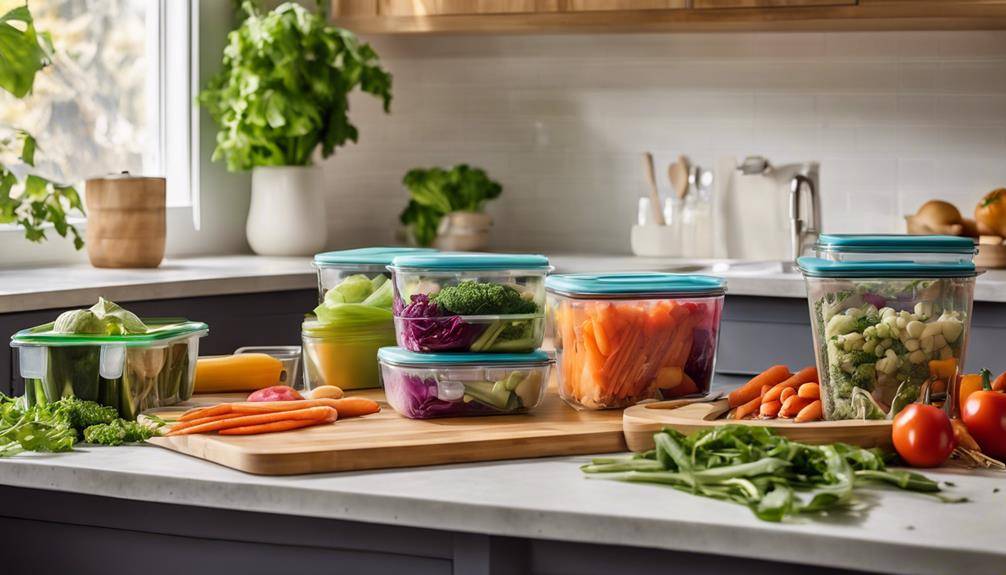
Proper storage of leftover roasted vegetables guarantees that their flavor and texture remain intact for future meals. To keep your vegetables fresh, you’ll want to use effective refrigeration methods. Start by allowing the roasted veggies to cool down to room temperature. This helps prevent condensation, which can lead to sogginess. Once cooled, place them in an airtight container. Glass containers are a great option since they’re durable and won’t absorb odors.
When it comes to portion sizes, consider how you plan to use the leftovers. If you’re likely to have them in different meals throughout the week, divide them into individual portions. This way, you can quickly grab what you need without having to defrost or reheat the whole batch. Label each container with the date so you’ll know when to use them by.
Store the containers in the refrigerator, where they’ll stay fresh for about 3 to 5 days. If you want to keep them longer, you can freeze them. Just remember to use freezer-safe containers, and try to remove as much air as possible before sealing.
When you’re ready to enjoy your leftovers, reheat them in the oven or on the stovetop to maintain their texture. Avoid using the microwave if you can, as it may make them mushy. With these simple tips, you’ll be able to savor your delicious roasted vegetables long after the initial meal!
Frequently Asked Questions: Roasting Vegetables Without Using Oil
Can I Roast Frozen Vegetables Without Oil?
You can definitely roast frozen vegetables without oil! Use these frozen vegetable tips: preheat your oven, spread them evenly, and try different roasting techniques like seasoning with herbs or spices to enhance flavors. Enjoy the delicious results!
What Kitchen Tools Are Best for Oil-Free Roasting?
For oil-free roasting, you’ll need a good-quality baking sheet, parchment paper, and a reliable oven. Experiment with various vegetable varieties and roasting techniques to discover the perfect combination that suits your taste and texture preferences.
How Do I Avoid Sticking Without Oil?
To avoid sticking, you can use non-stick alternatives like parchment paper or silicone mats. Proper vegetable preparation, including cutting uniform sizes, helps guarantee even cooking and minimizes the chances of sticking during the roasting process.
Can I Use a Microwave for Oil-Free Roasting?
You can definitely use a microwave for oil-free roasting! Try microwave techniques like steaming or using a microwave-safe dish. This helps maintain vegetable textures while cooking quickly, ensuring they’re tender and flavorful without any added oil.
How Does Oil-Free Roasting Affect Cooking Times?
Oil-free roasting may require you to adjust cooking temperatures since moisture retention techniques become essential. You’ll find that higher temps can enhance browning while maintaining texture, so keep an eye on your vegetables for best results.

Conclusion
Roasting vegetables without oil is not only healthy but also delicious! By selecting the right veggies and using simple techniques, you can create flavorful dishes that satisfy your cravings. Don’t hesitate to experiment with different seasonings and roasting times to find what you love best. Whether you serve them as a side dish or toss them into salads, these oil-free roasted veggies are sure to impress. Enjoy your culinary adventure and savor every bite!
If you enjoyed exploring this topic and want to dive even deeper, be sure to check out some of our other articles here on Infinite Flavors. From rich culinary histories to creative twists on classic recipes, there’s always something new to discover. Whether you’re curious about the origins of a dish, looking for fresh inspiration in the kitchen, or simply love learning about food culture, our collection of posts is the perfect next step on your flavor journey.
The History And Origin Of Amazing Broccoli Cheddar Chicken
What Is The Difference Between Baking And Roasting
Great Seasoning Ideas For Roasting Vegetables