What Is The Difference Between Baking And Roasting
The Difference Between Baking And Roasting; Baking and roasting are different cooking methods that yield unique textures and flavors. You bake at lower temperatures, usually between 325°F and 375°F, perfect for cakes, cookies, and bread. Roasting, on the other hand, involves higher temperatures, around 400°F to 450°F, making it ideal for meats and vegetables. While baking focuses on moisture and gentle heat, roasting highlights caramelization and browning. The result is a crispy exterior from roasting versus the tender crumb of baked goods. Each method has its own techniques for success, and you can discover more about them as you explore further.
Definition of Baking
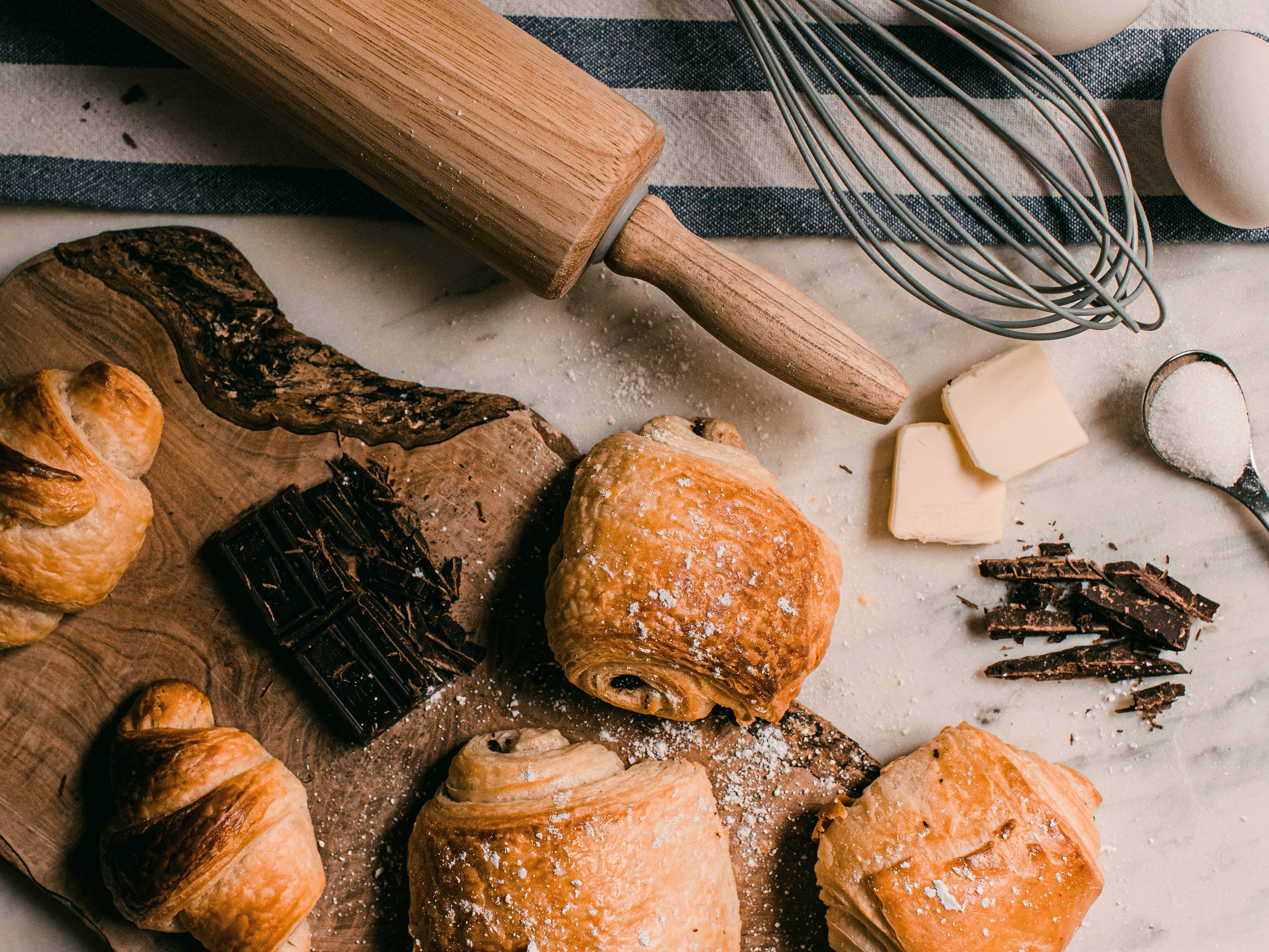
Baking, often considered a cornerstone of culinary arts, involves cooking food by surrounding it with dry heat, typically in an oven. This method allows for a variety of foods to develop rich flavors and appealing textures. When you bake, the key to success lies in understanding the right baking temperatures for different recipes. Each type of baked good, whether it’s bread, cookies, or cakes, requires specific temperatures to achieve the best results.
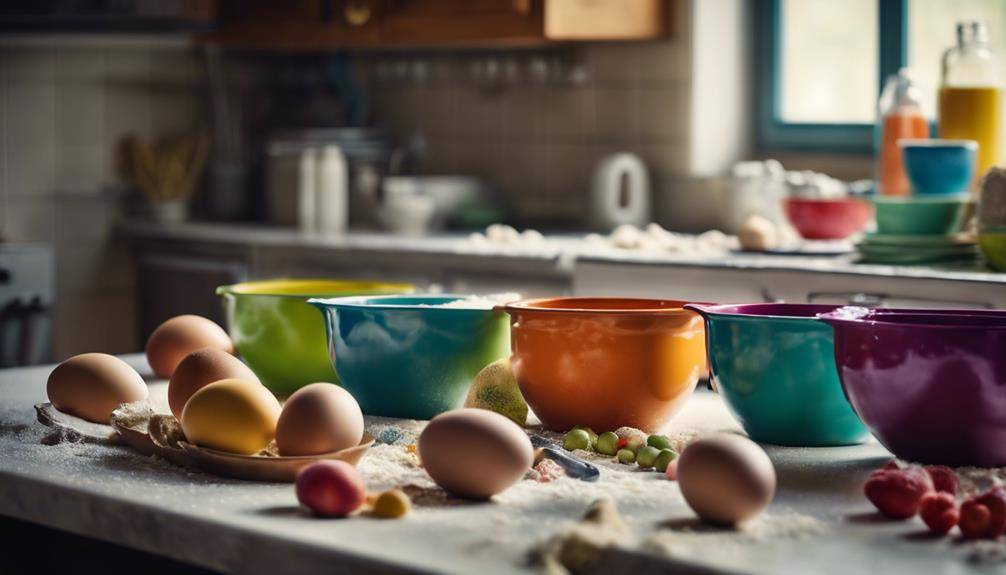
To get started, you’ll need proper baking equipment. Essential tools include mixing bowls, measuring cups, and a reliable oven thermometer to guarantee accuracy in temperature settings. A good quality baking sheet, cake pan, or muffin tin is also important, as they can affect the heat distribution and the final outcome of your dish. Investing in these tools will enhance your baking experience and help you create delicious results.
As you familiarize yourself with various recipes, pay attention to the recommended baking temperatures. Preheating your oven is essential; it guarantees that your dish cooks evenly from the start. Additionally, understanding the role of baking time will help you monitor your creations, preventing overbaking or underbaking.
Baking is both a science and an art, and mastering it requires practice. Experiment with different temperatures and equipment to find what works best for you. Embrace the process, and soon you’ll be crafting delightful baked goods that impress family and friends. Happy baking!
Definition of Roasting
Roasting typically involves cooking food in an oven at high temperatures, allowing the heat to circulate around the food and create a flavorful, caramelized exterior. This method is particularly effective for larger cuts of meat, vegetables, and certain fruits. When you roast, you’re not just cooking the food; you’re enhancing its natural flavors through the Maillard reaction, which occurs when proteins and sugars react under high heat.
One of the key aspects of roasting is the roasting temperatures you choose. Typically, you’ll set your oven between 375°F to 450°F (190°C to 232°C). Higher temperatures are great for achieving a crispy exterior, while lower temperatures can guarantee even cooking throughout the food. Depending on what you’re roasting, you might want to adjust these temperatures to suit your dish.
Roasting techniques vary, too. You might decide to use dry heat to develop a rich, caramelized crust, or incorporate a bit of moisture by adding broth or wine to the pan. You can also take advantage of techniques like spatchcocking for poultry, which allows for even cooking and faster roasting times. Remember to keep an eye on your food, as roasting can lead to rapid cooking; you want to avoid overcooking or burning.
In essence, roasting is all about harnessing the right temperatures and techniques to transform your ingredients into a delicious, satisfying meal.
Key Differences
While both baking and roasting involve cooking food in an oven, they differ primarily in their techniques and intended outcomes. The key difference lies in the oven temperatures and the type of food being prepared. Baking typically occurs at lower oven temperatures, usually between 325°F to 375°F, and focuses on cooking foods that require gentle heat. This method is often used for items like cakes, cookies, and bread, where a consistent rise and a soft texture are desired.
On the other hand, roasting uses higher oven temperatures, generally ranging from 400°F to 450°F or even higher. This method is designed for cooking meats and vegetables, where the goal is to achieve a caramelized exterior while retaining moisture inside. The intense heat of roasting allows for browning, enhancing flavors through the Maillard reaction, which isn’t as prominent in baking.
Another key distinction is the cooking methods employed. Baking often involves using a pan or baking sheet, while roasting typically requires a roasting pan or a sheet that allows air circulation around the food. This guarantees even cooking and promotes browning.
Ideal Foods for Baking
When you’re baking, the right ingredients make all the difference. You’ll want to know which techniques work best for your creations and what popular baked goods you can whip up. Let’s explore the essentials that guarantee success in your baking adventures.
Best Baking Ingredients
Baking transforms simple ingredients into delightful treats, and choosing the right ones is essential for success. Flour is a fundamental ingredient, providing structure to your creations. All-purpose flour works for many recipes, but if you’re aiming for something specific, consider alternatives like cake flour for lighter cakes or whole wheat flour for a heartier texture.
Next up is sugar, which not only sweetens but also influences texture and color. Granulated sugar is a staple, but brown sugar adds moisture and a rich flavor. Don’t forget about eggs; they bind ingredients and contribute to moisture. If you need ingredient substitutions, unsweetened applesauce can replace eggs in some recipes, keeping things light and fluffy.
Fats, like butter or oil, enhance flavor and tenderness. Butter lends a rich taste, while vegetable oil can keep your baked goods moist. Finally, leavening agents like baking powder and baking soda are vital for rising. Understanding these key ingredients will set you on the right path. With the right combinations, you can master various baking techniques and whip up delicious treats that impress everyone!
Suitable Baking Techniques
For delicious baked goods, choosing the right techniques and foods is vital. You’ll want to focus on recipes that benefit from consistent heat and moisture, such as cakes, cookies, and bread. These foods thrive when using proper baking techniques, which often involve precise measurements and timing to achieve the perfect texture and flavor.
Utilizing the right baking tools can greatly impact your results. Invest in quality bakeware like non-stick pans, baking sheets, and silicone mats to guarantee even heat distribution. A kitchen scale will help you measure ingredients accurately, while a thermometer can assure your oven’s temperature is just right.
Incorporate techniques like creaming butter and sugar for light, airy cakes or folding in egg whites for soufflés to add volume. Don’t forget to preheat your oven; this step is essential for achieving that golden-brown finish.
Experiment with different baking methods, such as blind baking for pies, to enhance your repertoire. Remember, practice makes perfect, so keep refining your skills and enjoy the process of creating delectable baked treats!
Popular Baked Goods
Baked goods like cakes, cookies, and bread not only satisfy sweet cravings but also showcase the versatility of baking. You can explore countless recipes, each offering a unique taste and texture. When it comes to baked desserts, cookies are a fan favorite. From classic chocolate chip to chewy oatmeal raisin, these treats are perfect for any occasion. You can even experiment with flavors and add-ins to create your own signature cookie.
Cakes are another popular choice, whether you’re celebrating a birthday or just indulging yourself. From rich chocolate layer cakes to light and fluffy sponge cakes, there’s a cake for everyone. Don’t forget about muffins and brownies, which make delightful snacks or breakfast options.
Bread types also deserve attention. You can bake everything from crusty artisan loaves to soft sandwich bread. Sourdough and whole wheat offer healthy benefits, while brioche adds a touch of sweetness. The aroma of freshly baked bread filling your kitchen is hard to resist.
In short, the world of baked goods is vast and delicious, inviting you to discover and enjoy the many flavors and textures that baking has to offer.
Ideal Foods for Roasting
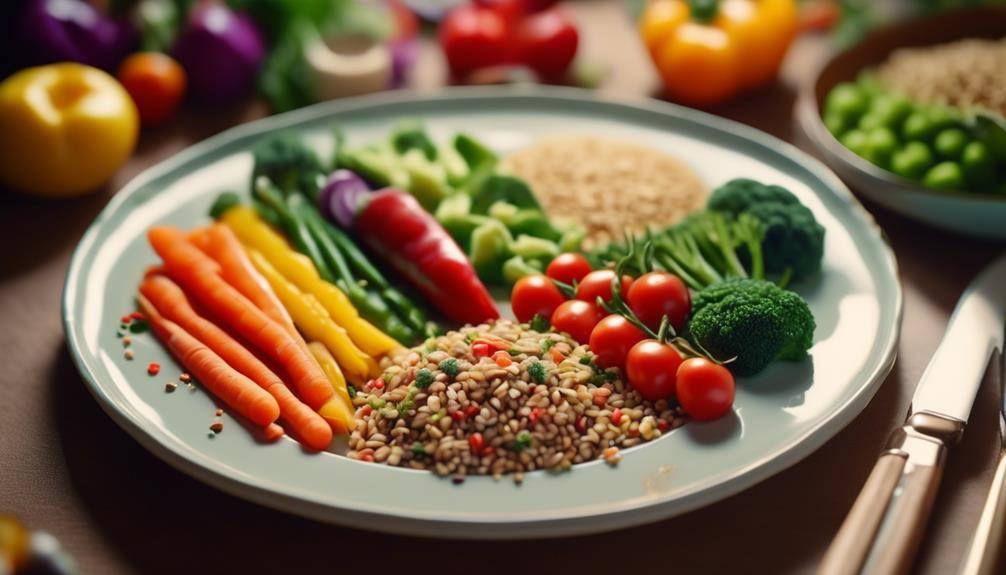
Roasting is perfect for a variety of foods that benefit from high temperatures and dry heat. When it comes to vegetable roasting, root vegetables like carrots, potatoes, and beets shine. Their natural sugars caramelize beautifully, enhancing their flavors. You can also roast seasonal vegetables like Brussels sprouts and cauliflower, which develop a crispy exterior while remaining tender inside.
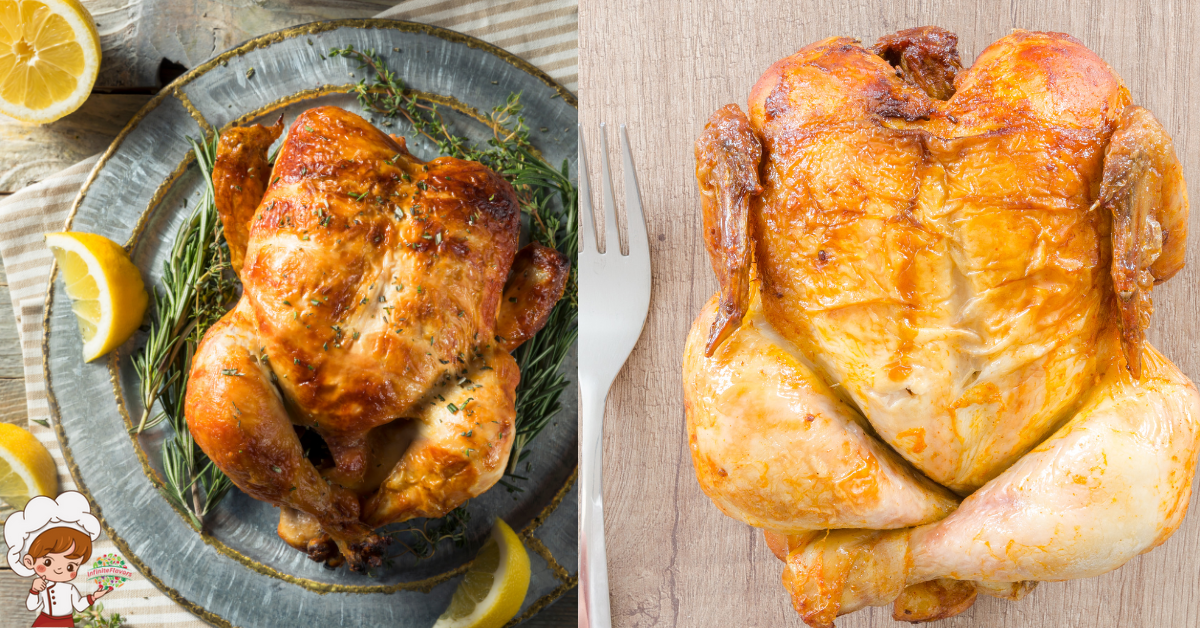
For meat roasting, options abound. Chicken, beef, pork, and lamb are all excellent choices. Meat roasting requires understanding the right roasting temperatures to achieve ideal results. A whole chicken, for instance, benefits from roasting at 375°F, ensuring a golden skin and juicy meat. Similarly, a beef roast requires a higher temperature, around 450°F, to form a crust while keeping the inside succulent.
Using the right roasting pans is essential for achieving the best results. A heavy-duty roasting pan distributes heat evenly and can handle high temperatures without warping. Consider using a rack inside the pan to allow hot air to circulate around the food, promoting even cooking.
Moreover, mastering roasting techniques can elevate your dishes. You might start with a high temperature to create a crust and then lower the heat to finish cooking. This method works wonders for tougher cuts of meat, making them tender and flavorful.
Tips for Success
Achieving delicious results in the kitchen requires more than just selecting the right foods; it also involves mastering a few key techniques. For both baking and roasting, temperature control is essential. Make certain your oven is preheated to the correct temperature before you start cooking. This helps guarantee even cooking and prevents your dish from becoming soggy or overcooked.
When it comes to cooking times, don’t rely solely on the recipe. Ovens can vary, so it’s wise to check your food a little earlier than suggested. Use a timer, but also keep an eye on the appearance and aroma of your dish. For example, you might notice that a roasted chicken’s skin turns golden brown, indicating it’s ready to come out.
Another tip for success is to use a thermometer. For meats, this is especially important to achieve the right doneness. Insert a meat thermometer into the thickest part of the meat to check its internal temperature. This way, you’ll avoid cutting into it and losing precious juices.
Frequently Asked Questions: The Difference Between Baking And Roasting
Can You Bake and Roast in the Same Oven at Once?
Yes, you can bake and roast in the same oven at once, but you’ll need to adjust oven settings and monitor cooking times. Different dishes may require varying temperatures, so keep an eye on them.
What Temperature Is Best for Baking Versus Roasting?
For baking, you typically use an oven temperature around 350°F, while roasting usually requires higher temperatures, often between 400°F and 450°F. Adjust your cooking methods based on the dish you’re preparing for ideal results.
Are There Health Benefits to Baking Over Roasting?
You’ll find that baking often retains more nutrients in foods, while roasting enhances their flavors through caramelization. Both methods can be healthy, but baking might help preserve vitamins better than roasting in some cases.
How Do Baking and Roasting Affect Food Texture Differently?
Baking usually retains more moisture, resulting in a softer texture, while roasting promotes surface browning, creating a crispy exterior. You’ll notice these differences in dishes like cakes versus roasted vegetables, enhancing your culinary experience.
Can You Substitute Baking for Roasting in Recipes?
You can substitute baking for roasting, but you’ll need to make recipe adjustments. Adjust the temperature and cooking time, as substituting techniques can affect the food’s texture and flavor. Keep an eye on it!

Conclusion
In conclusion, while baking and roasting may seem similar, they serve different purposes in the kitchen. Baking is great for creating tender and fluffy treats, while roasting brings out the rich flavors in meats and vegetables. Understanding these differences helps you choose the right method for your meals. So, next time you’re in the kitchen, remember to pick the technique that’ll best enhance your dish and enjoy the delicious results!
If you enjoyed exploring this topic and want to dive even deeper, be sure to check out some of our other articles here on Infinite Flavors. From rich culinary histories to creative twists on classic recipes, there’s always something new to discover. Whether you’re curious about the origins of a dish, looking for fresh inspiration in the kitchen, or simply love learning about food culture, our collection of posts is the perfect next step on your flavor journey.
Great Reasons For Using Roasting Pan With Rack
How To Roast A Picture Perfect Lamb Leg
Great Seasoning Ideas For Roasting Vegetables