How To Roast A Picture Perfect Lamb Leg
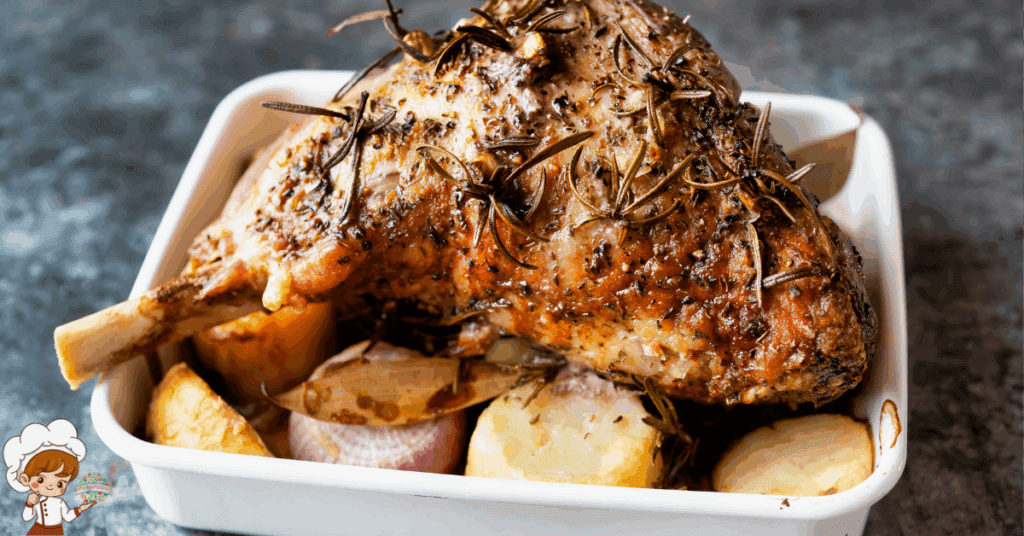
How To Roast A Picture Perfect Lamb Leg; Start by choosing the right cut, like bone-in for juiciness or boneless for easier carving. Season evenly with a mix of olive oil, garlic, and your favorite herbs. Marinate overnight to let flavors penetrate. Roast at 400°F for about 20 minutes per pound, searing the outside first for a crispy crust. Use a meat thermometer to check for doneness—aim for 135°F for medium-rare. Finally, let it rest before slicing. Pair it with sides and wine for a great meal. You’ll discover more tips for perfecting your roast if you explore further!
We’ve Got Everything You Need to Make Your Masterpiece.
Choosing the Right Cut
When it comes to roasting a leg of lamb, choosing the right cut is essential for achieving a delicious result. You’ve got a couple of options here: the whole leg, the bone-in leg, and the boneless leg. Each cut has its own unique characteristics that affect both the cooking process and the end flavor.
The bone-in leg is often preferred for roasting because it tends to be juicier. The bone helps retain moisture and adds depth to the flavor profiles during cooking. On the other hand, a boneless leg is easier to carve and can be filled with herbs or garlic before rolling and tying. This cut cooks more quickly, so you’ll need to keep an eye on the temperature.
When selecting your cut, consider the flavor profiles you want to highlight. A well-marbled leg of lamb will deliver a rich, savory taste, while a leaner cut may require a bit more seasoning or marinade to enhance its flavor. If you enjoy robust flavors, look for cuts with a higher fat content, as the fat renders during roasting, creating a delightful crust.
Preparing the Lamb
Now that you’ve chosen the right cut of lamb, it’s time to prepare it for roasting. You’ll want to gather essential marinade ingredients and perfect your seasoning techniques to enhance its natural flavors. Let’s go over how to make your lamb leg truly unforgettable.
Choosing the Right Cut
Selecting the right cut of lamb is essential for achieving a perfectly roasted leg. You’ll want to focus on the quality of the lamb, as this greatly impacts flavor and tenderness. Look for cuts labeled as “rack,” “leg,” or “shoulder”—these are popular choices for roasting.
When considering cut differences, the leg of lamb is ideal for roasting due to its size and flavor profile. It usually comes bone-in or boneless, allowing you to choose based on your preference and cooking style. A bone-in cut tends to provide richer flavor and tends to be juicier, while boneless cuts are easier to carve and serve.
Additionally, pay attention to the marbling of the meat. Good lamb quality shows even fat distribution, which enhances flavor and moisture during roasting. If possible, opt for grass-fed or organic lamb, as these options often provide superior taste and texture.
Essential Marinade Ingredients
To enhance the flavor of your lamb leg, a well-crafted marinade can make all the difference. The key is to achieve a flavor balance that complements the richness of the meat. Start with a base of olive oil, which helps to tenderize and infuse the lamb with flavor. You’ll want to add acidity, like lemon juice or balsamic vinegar, to brighten the dish and cut through the richness.
Next, choose your herbs and spices. Fresh rosemary and thyme are classic choices, but don’t hesitate to experiment with garlic, cumin, or even mint, depending on your preferred marinade types. For some heat, a pinch of red pepper flakes can elevate the flavor profile.
We’ve Got Everything You Need to Make Your Masterpiece.
Proper Seasoning Techniques
When it comes to proper seasoning techniques for your lamb leg, the key is to guarantee every inch of the meat is evenly coated. Start by mixing your seasoning blend, keeping in mind the ideal seasoning ratios. A good balance usually includes salt, pepper, garlic, and herbs like rosemary or thyme. You want to achieve a flavor balance that complements the rich taste of the lamb without overpowering it.
Before applying your seasoning, pat the lamb leg dry with paper towels. This helps the seasoning adhere better. Rub your seasoning mix all over the meat, ensuring you get into any crevices. Don’t forget to season the cavity if you’re cooking a whole leg. You can also create small incisions in the meat and insert garlic or herb sprigs for added flavor.
For an extra boost, consider marinating the lamb overnight. This allows the flavors to penetrate deeply. Remember, the right seasoning not only enhances the flavor but also elevates the overall dining experience. Finally, let the lamb sit at room temperature for a bit before roasting; this helps the seasoning meld beautifully with the meat. Happy cooking!
Seasoning Techniques
When it comes to seasoning your lamb leg, the right blend of herbs and spices can elevate the dish to new heights. You can also consider various marinade options to infuse flavor deeply into the meat. Don’t forget that salt plays a vital role in enhancing these flavors, so let’s explore how to achieve the perfect balance.
Herb and Spice Blends
Herb and spice blends are essential for elevating the flavor of your roasted lamb leg. The right combinations can transform a simple dish into a culinary masterpiece. Start by considering classic herb combinations like rosemary and thyme, which pair beautifully with lamb. Fresh herbs deliver vibrant flavors, but dried versions can also work well if you’re in a pinch.
When crafting your blend, pay attention to spice ratios. For instance, a balanced mix of garlic powder, cumin, and black pepper enhances the meat’s natural richness. Aim for a base of about two parts herbs to one part spices, adjusting according to your taste preferences.
Don’t forget to include a pinch of salt; it’s vital for drawing out the lamb’s inherent flavors. You might also explore adding a hint of lemon zest or paprika for an unexpected twist.
Before roasting, massage the herb and spice blend all over the lamb leg. This technique not only infuses the meat with flavor but also creates a beautiful crust during cooking. Experiment with different combinations and ratios until you find your perfect blend, and your roasted lamb leg will shine at any gathering.
Marinade Options Explained
To take your roasted lamb leg to the next level, consider using a marinade. Marinades not only infuse flavor but also help tenderize the meat, making each bite delicious. One popular option is citrus marinades, which brighten the flavor profile with ingredients like lemon and orange juice. If you’re looking for creaminess, yogurt-based marinades add a tangy depth that complements the lamb beautifully.
For a bold kick, try garlic infusions; simply blend garlic with olive oil and herbs for an aromatic mix. Red wine marinades are another classic choice, offering rich flavors that enhance the lamb’s natural taste. If you prefer a fresh and vibrant approach, consider herbaceous blends with fresh herbs like rosemary, thyme, and parsley mixed with olive oil.
Lastly, if you enjoy a touch of sweetness, sweet marinades featuring honey or maple syrup can create a delightful caramelization when roasted. Experiment with these options to find your favorite combination, and don’t hesitate to let your lamb marinate for several hours or overnight to maximize the flavors!
We’ve Got Everything You Need to Make Your Masterpiece.
Salt and Flavor Profiles
Salt is a vital player in enhancing the flavor profiles of your roasted lamb leg. By choosing the right salt types, such as kosher or sea salt, you can achieve a more flavorful and balanced dish. Start with a solid base by using proper seasoning ratios; a general rule is about one tablespoon of salt per five pounds of meat.
Consider employing brining techniques to infuse moisture and flavor. A simple brine with salt, water, and aromatic herbs can elevate your lamb leg’s taste considerably. When combining herbs, think about classic combinations like rosemary and thyme for a robust flavor.
For umami enhancement, add garlic infusion and citrus zest. Garlic adds depth, while citrus zest brightens the dish, balancing out the richness of the lamb. Spice pairing is also essential; try incorporating cumin or paprika to add warmth and complexity.
Roasting Methods
When roasting a leg of lamb, selecting the right method can elevate your dish from ordinary to extraordinary. Two popular techniques to evaluate are dry roasting and slow roasting, each offering unique benefits.
Dry roasting is a straightforward method that involves cooking the lamb at a high temperature for a shorter period. This technique creates a beautifully browned exterior while sealing in the juices. To dry roast, preheat your oven to around 400°F (200°C). Season the lamb generously and place it in a roasting pan, making sure it’s not crowded. You’ll want to roast it for about 20 minutes per pound, depending on your desired doneness. The result? A succulent, flavorful lamb with a crisp crust.
On the other hand, slow roasting emphasizes tenderness and flavor development. By cooking the lamb at a lower temperature, you allow it to become incredibly tender as the connective tissues break down. To use this method, preheat your oven to about 325°F (160°C). Season the leg of lamb and place it in a roasting pan, covered loosely with foil to retain moisture. Slow roast it for 30 minutes per pound, checking occasionally to confirm it’s cooking evenly. This method is particularly great for enhancing the flavor, as the longer cooking time allows the seasonings to penetrate deeply.
Choose the method that suits your schedule and desired outcome, and you’ll be on your way to creating a mouthwatering leg of lamb that impresses everyone at the table.
Checking for Doneness
Knowing how to check for doneness is vital for achieving the perfect leg of lamb. You’ll want to monitor the internal temperature closely to guarantee your lamb is cooked just right. For medium-rare, aim for an internal temperature of 135°F (57°C). If you prefer medium, look for around 150°F (65°C). Use a meat thermometer for the most accurate reading; insert it into the thickest part of the meat, avoiding the bone, which can give you a false reading.
Once you’ve reached your desired temperature, don’t rush to slice into the lamb. It’s imperative to allow a proper resting period of about 15 to 20 minutes. This resting period lets the juices redistribute throughout the meat, guaranteeing every bite is flavorful and tender. If you cut into it too soon, you’ll lose those precious juices, resulting in a drier dish.
During this time, you can tent the lamb with foil to keep it warm. It’s also a great time to prepare any side dishes or sauces you want to serve. Keep in mind that the internal temperature of the lamb will continue to rise slightly, around 5 to 10 degrees, during the resting phase. This carryover cooking will help you achieve that perfect doneness. So, be patient! Once the resting period is over, you can confidently carve and serve your beautifully roasted leg of lamb. Enjoy the delicious results of your careful monitoring!
Serving Suggestions
Elevating your roasted leg of lamb experience starts with thoughtful serving suggestions. To create a memorable meal, consider pairing your lamb with complementary side dishes. Roasted vegetables, garlic mashed potatoes, or a fresh green salad work wonderfully to enhance the rich flavors of the lamb.
Selecting the right wine pairing can elevate the entire dining experience. A full-bodied red, like a Cabernet Sauvignon or a Syrah, balances the lamb’s richness beautifully. If you prefer white wine, try a robust Chardonnay for a delightful contrast.
Don’t forget about garnish ideas! Fresh herbs like rosemary or mint can add a pop of color and freshness. For plating techniques, slice the lamb against the grain and arrange it artfully on the plate, drizzling with accompanying sauces like a mint chimichurri or a rich red wine reduction for added flavor contrasts.
When it comes to serving temperatures, aim for warm lamb; it enhances the meal presentation and keeps the flavors vibrant. If you’ve got leftover lamb, consider serving it cold in sandwiches or salads for a tasty twist.
We’ve Got Everything You Need to Make Your Masterpiece.
Frequently Asked Questions: How To Roast A Picture Perfect Lamb Leg
Can I Marinate the Lamb Leg Overnight?
Yes, you can absolutely marinate the lamb leg overnight. Experiment with marinade options like garlic, rosemary, or yogurt. Use marinating techniques such as sealing in a bag to enhance flavor and tenderness. Enjoy your delicious results!
What Side Dishes Pair Well With Roast Lamb?
When you roast lamb, consider pairing it with seasonal vegetables and vibrant herb sauces. These accompaniments enhance the lamb’s flavor, creating a delightful balance that elevates your meal to a whole new level. Enjoy!
How Do I Store Leftover Roasted Lamb?
To store leftover roasted lamb, wrap it tightly in foil or plastic wrap. The best storage techniques involve refrigerating it within two hours. For reheating methods, try using an oven or microwave to retain moisture.
Can I Use a Slow Cooker for Lamb Leg?
Yes, you can use a slow cooker for lamb leg. The slow cooker benefits include tenderizing the meat while infusing flavors. Just season the lamb leg well, and you’ll enjoy a delicious, savory dish.
What Wine Goes Best With Roasted Lamb?
When choosing a wine for roasted lamb, consider a merlot pairing. Its smooth tannins complement the rich flavors. Additionally, herb selection like rosemary or thyme enhances the meal, creating a harmonious dining experience you’ll enjoy.

Conclusion
Roasting a leg of lamb is easier than you might think! By choosing the right cut, preparing it well, and seasoning it to your taste, you’re on your way to a delicious meal. Remember to check for doneness with a meat thermometer to verify it’s cooked just right. Once it’s out of the oven, let it rest before serving. Your perfectly roasted lamb leg will impress everyone at the table. Enjoy your culinary success!
If you enjoyed exploring this topic and want to dive even deeper, be sure to check out some of our other articles here on Infinite Flavors. From rich culinary histories to creative twists on classic recipes, there’s always something new to discover. Whether you’re curious about the origins of a dish, looking for fresh inspiration in the kitchen, or simply love learning about food culture, our collection of posts is the perfect next step on your flavor journey.
The Best Temperature For Roasting Whole Chicken
Great Reasons For Using Roasting Pan With Rack