How Long To Roast Amazing Pork
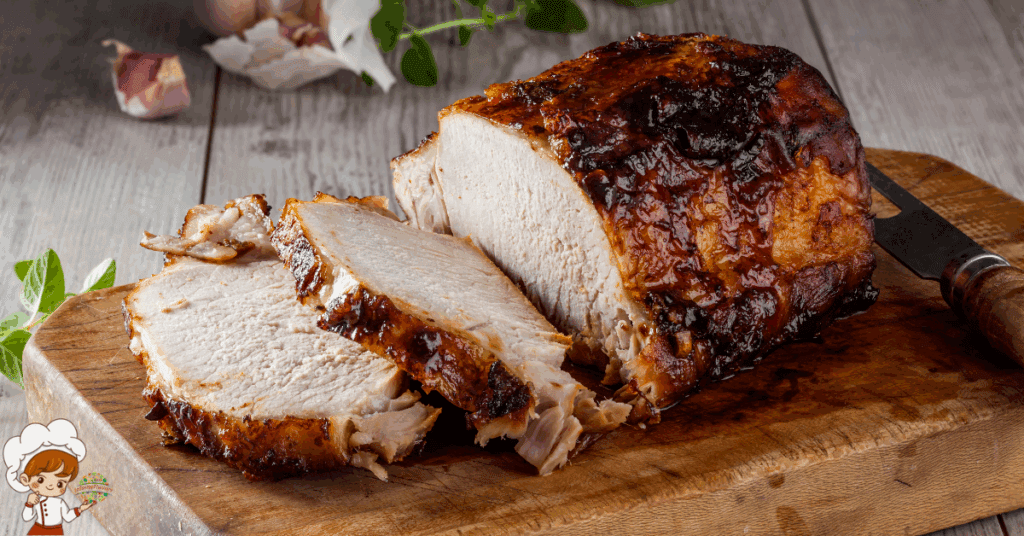
How Long To Roast Amazing Pork; When roasting pork, the time you’ll need depends on the cut. For pork loin, roast it at 350°F for 20-25 minutes per pound. If you’re using pork shoulder, aim for 30-35 minutes per pound since it’s tougher. Pork tenderloin should take about 25 minutes at 400°F, but make certain it reaches 145°F internally. Don’t forget to let your pork rest for 3-5 minutes afterwards to keep it juicy. Mastering these basics will help you achieve the perfect roast. There’s even more to explore about techniques and tips that can elevate your cooking experience.
Understanding Pork Cuts
When it comes to roasting pork, understanding the different cuts is essential for achieving the best flavor and texture. Two popular cuts you’ll often encounter are pork shoulder and pork loin. Knowing the loin differences compared to pork shoulder can greatly impact your cooking experience.
Pork shoulder, also known as Boston butt, is a tougher cut that benefits from slow cooking methods. This cut has a higher fat content, which makes it ideal for roasting at lower temperatures. When you roast pork shoulder, the fat renders down, keeping the meat moist and adding rich flavor. You’ll find that this cut is perfect for pulled pork, as it breaks down beautifully during the cooking process.
On the other hand, pork loin is a leaner cut that requires a different approach. With less fat, you’ll need to pay close attention to cooking times to prevent it from drying out. Pork loin is great for those who prefer a milder flavor and a tender texture. It cooks more quickly than pork shoulder and is best roasted at higher temperatures for a shorter time, allowing the exterior to brown nicely while keeping the inside juicy.
Recommended Cooking Times
To achieve perfectly roasted pork, knowing the recommended cooking times for each cut is essential. Different cuts require different cooking methods and times based on their thickness. For instance, a pork loin, which is typically thick, should be roasted at 350°F for about 20-25 minutes per pound. If you’re roasting a pork shoulder, you’ll need a longer cooking period, around 30-35 minutes per pound, as it’s a tougher cut that benefits from slow cooking.
When it comes to pork ribs, they’re usually best cooked using lower temperatures. You might want to roast them at 225°F for about 3-4 hours, depending on their thickness. This slower method allows the meat to become tender and flavorful. For pork tenderloin, which is lean and thinner, aim for a cooking time of 25 minutes at 400°F. You should always check the internal temperature, ensuring it reaches 145°F for safe consumption.
If you’re using a different cooking method, like grilling or smoking, adjust your times accordingly. For example, if you’re grilling pork chops, cook them for about 6-8 minutes per side, depending on their thickness. Remember, these times are general guidelines; always use a meat thermometer to confirm doneness. With these recommended cooking times, you can confidently create a delicious, perfectly roasted pork dish every time.
Preparing Your Roast
Before you start roasting, it’s important to prepare your pork properly to assure maximum flavor and tenderness. Begin by selecting the right cut of pork, as different cuts may require different preparation methods. Once you’ve chosen your pork, consider using marinade options to infuse additional flavor. A simple marinade can include olive oil, vinegar, garlic, herbs, and spices. Aim to marinate your pork for at least a few hours, or preferably overnight, to allow the flavors to penetrate the meat deeply.
Next, focus on seasoning techniques. Before roasting, pat your pork dry with paper towels to guarantee a nice crust forms during cooking. Generously season your pork with salt and pepper, and feel free to experiment with other spices like paprika, cumin, or rosemary, depending on your flavor preferences. Don’t hesitate to rub the seasoning all over the surface and into any crevices for an even distribution.
If you want to elevate the flavor even further, consider scoring the fat on the pork. This helps render the fat during cooking, which results in a crispy exterior. You can also insert slivers of garlic or fresh herbs into the cuts for added aroma and taste.
Tips for Moisture Retention
Keeping your pork roast juicy is essential for a delicious meal. To achieve this, you’ll want to employ some effective moisture retention techniques. One of the best methods is to use marinade techniques. A good marinade not only adds flavor but also helps to keep the meat moist during cooking. Make certain your marinade includes an acid, like vinegar or citrus juice, which helps to break down tough fibers, making the meat tender and juicy.
Another excellent option is to take into account brining benefits. Brining your pork roast before roasting increases moisture retention by allowing the meat to absorb the salty solution. This process enhances the flavor and creates a juicier end product. You can use a simple brine with water, salt, and sugar, or get creative by adding herbs and spices for an extra flavor boost. Just remember to soak your pork in the brine for several hours or overnight to maximize the benefits.
When it’s time to roast, don’t forget to let your pork come to room temperature before cooking. This allows for more even cooking throughout the roast. Also, think about covering your pork with foil during the initial cooking phase to trap moisture, then remove it towards the end to achieve a perfectly browned exterior. By incorporating these techniques, you’ll guarantee that your pork roast remains juicy and flavorful, making your meal a hit.
Checking Doneness and Safety
Once you’ve mastered moisture retention techniques, the next step is ensuring your pork roast is cooked to perfection. Checking for doneness and safety is essential to enjoying a delicious meal without any health risks. To do this, you’ll want to use a reliable meat thermometer. Insert the thermometer into the thickest part of the roast, avoiding any bones, to get an accurate reading of the internal temperature. For pork, aim for an internal temperature of 145°F (63°C).
Once you reach that temperature, don’t forget about rest time. This step is just as important as cooking; letting your pork rest for about 3 to 5 minutes allows the juices to redistribute throughout the meat, ensuring every bite is juicy and flavorful. During this time, the internal temperature can rise slightly, making sure your roast is safe and perfectly cooked.
If you prefer your pork well-done, you can take it to 160°F (71°C), but remember that this could lead to a drier texture. Always prioritize safety by using the thermometer, as visual cues can be misleading.
Frequently Asked Questions: How Long To Roast Amazing Pork
Can I Roast Frozen Pork, or Should It Be Thawed First?
You can roast frozen pork, but it’ll take longer to cook. Expect increased cooking time, as the meat needs to thaw and reach safe temperatures. Thawing first usually guarantees better flavor and texture.
What Herbs and Spices Pair Well With Roasted Pork?
For roasted pork, you’ll love using herb combinations like rosemary and thyme. Spice blends such as garlic powder and paprika really enhance the flavor. Experiment with these to create a delicious, savory dish that’s sure to impress!
How Should I Store Leftover Roasted Pork?
To store leftover roasted pork, wrap it tightly in plastic wrap or foil. For flavor preservation, refrigerate it promptly. When you’re ready to enjoy it again, use reheating techniques like the oven or stovetop.
Can I Use a Slow Cooker Instead of Roasting?
Yes, you can definitely use a slow cooker instead of roasting. The slow cooker benefits include tender meat and enhanced flavors, though cooking time will be longer. Enjoy the convenience and delicious results it offers!
What Sides Complement Roasted Pork Dishes?
When you think about sides for roasted pork, consider ideal pairings like garlic mashed potatoes or roasted vegetables. With the right pork seasoning, these complements enhance the dish’s flavors and create a satisfying meal.

Conclusion
To summarize, roasting pork can be a delightful experience when you understand the cuts and cooking times. By preparing your roast properly and following tips for moisture retention, you’ll guarantee a juicy and flavorful meal. Always check the doneness to keep your dish safe and delicious. With these guidelines in hand, you’re ready to impress your family and friends with a perfectly roasted pork dish. Enjoy your cooking adventure!
If you enjoyed exploring this topic and want to dive even deeper, be sure to check out some of our other articles here on Infinite Flavors. From rich culinary histories to creative twists on classic recipes, there’s always something new to discover. Whether you’re curious about the origins of a dish, looking for fresh inspiration in the kitchen, or simply love learning about food culture, our collection of posts is the perfect next step on your flavor journey.
Great Seasoning Ideas For Roasting Vegetables
How To Roast A Picture Perfect Lamb Leg
Great Reasons For Using Roasting Pan With Rack