The Great History and Origin of Irish Soda Bread
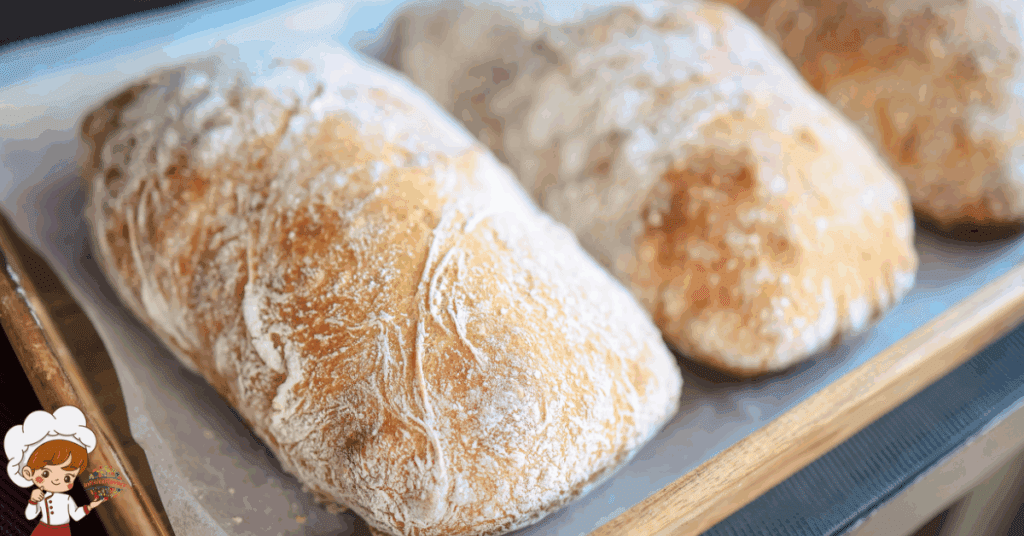
Great History and Origin of Irish Soda Bread; Few breads carry as much history, heart, and heritage as Irish Soda Bread. With its rustic crust, dense crumb, and signature cross scored into the top, soda bread has become one of the most beloved symbols of Ireland’s culinary identity. Unlike yeast-leavened loaves, this bread relies on baking soda as its leavening agent, creating a tender interior and hearty texture that perfectly complements butter, jam, or a bowl of soup.
But beyond its simplicity lies a rich story — one that reflects Ireland’s history, resourcefulness, and deep connection to the land. The evolution of Irish baking soda bread is intertwined with the struggles and triumphs of the Irish people, shaped by poverty, survival, and the creativity of home bakers who learned to make the most of what they had.
Today, soda bread is enjoyed around the world — from traditional loaves in Irish kitchens to modern interpretations served on St. Patrick’s Day tables. But where did it begin, and how did this humble bread become such an enduring classic?
The Ancient Roots of Breadmaking in Ireland
To understand the history of Irish soda bread, we must first look back at Ireland’s long tradition of grain-based foods. Before the introduction of baking soda, early Irish people relied on grains such as barley, oats, and wheat to make simple flatbreads. These early breads were unleavened — meaning they contained no yeast or rising agent — and were baked on stone griddles or in iron pots over open fires.
Bread was more than nourishment; it was a way of life. Rural communities depended on locally grown grains, often ground into coarse meal and mixed with buttermilk or water. Because Ireland’s cool, damp climate was not ideal for growing hard wheat (which produces the gluten needed for yeast bread), softer wheats and oats became staples. The result was a hearty, dense type of bread that suited Ireland’s climate and ingredients.
Even before baking soda made its debut, Irish households were experimenting with ways to make their breads lighter. Some used soured milk or buttermilk mixed with ash or potash to create mild leavening effects. These early experiments laid the foundation for what would later become the world-famous Irish baking soda bread.
The Arrival of Baking Soda in Ireland
The defining moment in the history of Irish soda bread came in the early 19th century with the introduction of baking soda, or sodium bicarbonate, to Ireland. Baking soda was first developed and popularized in Europe around the 1830s as a chemical leavening agent that could react with acidic ingredients — such as buttermilk — to produce carbon dioxide bubbles.
For Irish cooks, this discovery was revolutionary. At the time, many rural families lacked access to yeast or the means to bake elaborate loaves. Ovens were rare in rural cottages, and most bread was baked in a bastible, a cast-iron pot placed directly over the hearth or fire. Baking soda provided an easy, affordable way to make bread rise without yeast or specialized equipment.
By combining soft wheat flour, buttermilk, baking soda, and salt, Irish bakers could produce a light yet hearty loaf in a fraction of the time needed for traditional yeast breads. This made baking soda bread the perfect fit for Ireland’s rural communities, where simplicity, speed, and frugality were essential.
Irish Soda Bread: A Reflection of Irish Resilience
The rise of Irish soda bread coincided with one of the most challenging times in Ireland’s history — the Great Famine (1845–1849). During this devastating period, many Irish families relied on soda bread as a staple food. It required only a few inexpensive ingredients that were readily available, even in hard times.
Buttermilk, a byproduct of churning butter, was a household staple, while baking soda was cheap and easy to store. The combination allowed families to create nourishing bread that could stretch their limited supplies. In many ways, Irish baking soda bread became a symbol of survival — a humble but vital comfort during a time of scarcity.
Over time, soda bread became woven into Ireland’s culinary and cultural fabric. It was a daily necessity, baked fresh in nearly every household. Women often baked a loaf every morning, using intuition rather than measurements — a practice that gave each loaf its own distinct personality.
Even the iconic cross cut into the top of soda bread carried meaning. Some say it helped the bread bake evenly or allowed heat to escape, while others believed it symbolically “let the fairies out” or blessed the bread to protect the home.
The Regional Variations of Irish Soda Bread
While traditional Irish soda bread follows a simple formula, regional variations soon developed throughout the country. The most common distinction lies between the north and south of Ireland.
In the north, bakers preferred a mixture of whole wheat or coarse brown flour, creating what’s known as brown soda bread or wholemeal soda bread. This hearty, nutty version reflected the rugged, agricultural character of Northern Ireland and is still widely enjoyed today.
In the south, where white flour became more available, white soda bread gained popularity. This version produced a lighter, softer loaf and was often reserved for special occasions or Sunday meals.
There were also griddle versions of soda bread, known as farl or griddle cakes, particularly common in Ulster. These were flattened rounds cooked on a stovetop or over an open fire — perfect for households without ovens.
No matter the variation, soda bread remained the cornerstone of Irish home baking — a comfort food that connected families, neighbors, and generations.
The Role of Buttermilk in Irish Soda Bread
At the heart of authentic Irish baking soda bread lies one key ingredient: buttermilk. This tangy liquid provides the acid needed to activate baking soda, allowing the bread to rise without yeast. Buttermilk also adds flavor, moisture, and tenderness, creating that signature crumbly texture that soda bread is known for.
Traditionally, Irish households made buttermilk at home after churning butter. Nothing went to waste — the liquid byproduct was used in cooking, baking, and even as a natural cleaning agent. In a sense, the relationship between buttermilk and soda bread reflects Ireland’s resourcefulness: using every available ingredient to its fullest.
Modern bakers often substitute soured milk or yogurt for buttermilk, but the traditional tang and richness of true buttermilk remain unmatched in achieving authentic flavor.
The Cultural Symbolism of Irish Soda Bread
Beyond its ingredients and method, Irish soda bread carries deep cultural symbolism. For centuries, bread represented hospitality, community, and faith in Irish life. It was common to bake a fresh loaf for guests or to serve soda bread at family gatherings, holidays, and Sunday dinners.
In rural Ireland, breaking bread together was an act of kindness and connection. Freshly baked soda bread, still warm from the bastible, would be sliced and shared with butter and jam. Its simplicity made it accessible, while its warmth made it deeply comforting.
Even today, soda bread is a proud emblem of Irish identity. It’s baked during St. Patrick’s Day celebrations, featured in Irish pubs and cafes, and cherished in homes across the world as a reminder of Ireland’s enduring culinary traditions.
Irish Soda Bread Across the World
As Irish immigrants spread across North America, Australia, and beyond during the 19th and 20th centuries, they brought their recipes and traditions with them. Among these was their beloved soda bread.
In the United States, Irish-American communities adapted the recipe using available ingredients. Some versions included raisins, currants, or caraway seeds — additions that were not part of the traditional Irish recipe. These variations became especially popular among Irish-Americans celebrating their heritage abroad.
While purists might argue that true Irish baking soda bread should remain simple, the many global variations demonstrate how adaptable and enduring the dish is. Whether plain or studded with fruit, soda bread continues to connect people to their roots and remind them of Ireland’s culinary spirit.
The Science Behind Baking Soda Bread
Part of what makes Irish soda bread unique is its chemistry. When baking soda (sodium bicarbonate) reacts with an acid such as buttermilk, it produces carbon dioxide gas. These bubbles expand during baking, causing the dough to rise.
Because this process happens quickly, soda bread doesn’t require the long fermentation or proofing times associated with yeast bread. This “quick bread” technique made it ideal for Ireland’s rural families, who needed to prepare meals efficiently without advanced tools or ingredients.
The result is a tender, dense bread with a slightly tangy flavor. Its crisp crust and soft interior make it equally delicious whether served plain, toasted, or topped with butter and jam.
The Legacy of Irish Soda Bread in Modern Baking
In the modern kitchen, Irish baking soda bread remains a favorite for both its flavor and its simplicity. Home bakers love it because it requires no kneading, no yeast, and no waiting — just mix, shape, and bake.
Restaurants and artisan bakeries around the world now feature their own interpretations of soda bread, often blending traditional methods with modern twists like seeds, herbs, or alternative flours. Yet despite these innovations, the essence of soda bread remains unchanged: humble, hearty, and comforting.
Its longevity is a testament to the enduring appeal of simplicity. In a fast-paced world filled with complex recipes, soda bread reminds us that sometimes the most meaningful foods are those that rely on basic, honest ingredients.
Why Irish Soda Bread Endures
The continued popularity of Irish soda bread goes beyond nostalgia. It’s a bread that tells a story — of resilience, family, and the power of simplicity. Its four-ingredient recipe symbolizes making the most of what’s available, while its rustic flavor connects us to generations of bakers who came before.
From ancient griddles to modern ovens, from rural cottages to global kitchens, soda bread has stood the test of time. It represents the heart of Irish cooking — honest, wholesome, and full of soul.
As Ireland continues to celebrate its food heritage, soda bread remains a proud ambassador of its culinary history, reminding us that even the simplest foods can have the richest stories to tell.
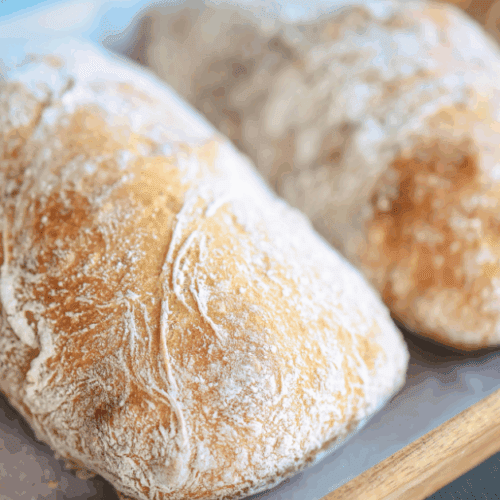
Irish soda bread
Ingredients
- 4 cups all-purpose flour
- – 1 teaspoon baking soda
- – 1 teaspoon salt
- – 1 ½ cups buttermilk or milk with a splash of vinegar or lemon juice as a substitute
Instructions
- . **Preheat the Oven**: Preheat your oven to 425°F (220°C).
- **Mix Dry Ingredients**: In a large bowl, combine the flour, baking soda, and salt. Whisk them together to ensure they’re well mixed.
- **Add Buttermilk**: Make a well in the center of the dry ingredients and pour in the buttermilk. Stir with a wooden spoon or your hands until a soft dough forms.
- **Knead Lightly**: Turn the dough onto a floured surface and knead it gently for about 1 minute, just until it comes together. Don’t over-knead!
- **Shape the Dough**: Shape the dough into a round loaf, about 1 to 1.5 inches thick. Place it on a baking sheet lined with parchment paper.
- **Score the Top**: Using a sharp knife, cut a deep cross into the top of the dough. This helps it cook evenly.
- **Bake**: Bake in the preheated oven for 30-35 minutes, or until the bread is golden brown and sounds hollow when tapped on the bottom.
- **Cool**: Let it cool on a wire rack before slicing.
Frequently Asked Questions: Great History and Origin of Irish Soda Bread
What is the origin of Irish soda bread?
Irish soda bread originated in Ireland in the early 1800s after the introduction of baking soda. It became a staple food for Irish families due to its simplicity and affordability.
Why does Irish soda bread use baking soda instead of yeast?
Ireland’s soft wheat lacks the high gluten content needed for yeast breads. Baking soda reacts with buttermilk to create carbon dioxide, allowing the bread to rise without yeast.
What’s the purpose of the cross on top of soda bread?
Traditionally, the cross was cut to help the bread bake evenly and allow steam to escape. Folklore also suggests it was done to “let the fairies out” or bless the bread.
What’s the difference between brown soda bread and white soda bread?
Brown soda bread is made with wholemeal flour and has a heartier texture and flavor, while white soda bread uses refined flour for a softer, lighter loaf.
Is soda bread truly Irish?
While versions of soda bread exist in other cultures, the combination of soft wheat flour, buttermilk, and baking soda is uniquely Irish and deeply tied to Ireland’s history.
Why is buttermilk important in soda bread?
Buttermilk provides the acid needed to activate baking soda, creating the bread’s rise and distinct tangy flavor. It’s a key ingredient that defines the traditional recipe.
Can soda bread be made without buttermilk?
Yes. Modern substitutes include mixing milk with lemon juice or vinegar to create a similar acidic reaction, though traditionalists prefer authentic buttermilk.

The Heart and Heritage of Irish Soda Bread
At its core, Irish baking soda bread is more than just food — it’s a story of perseverance, practicality, and pride. Born out of necessity, perfected through generations, and cherished across continents, it represents the soul of Irish cooking.
Each loaf tells a tale of resourcefulness and warmth — of families gathered around hearths, of mothers and grandmothers passing down recipes by heart, and of a nation that found comfort in simplicity.
From the rolling hills of Ireland to modern kitchens worldwide, soda bread continues to unite people through its timeless charm. It stands as a reminder that even the humblest recipes can carry the weight of history — and the flavor of home.
If you enjoyed exploring this topic and want to dive even deeper, be sure to check out some of our other articles here on Infinite Flavors. From rich culinary histories to creative twists on classic recipes, there’s always something new to discover. Whether you’re curious about the origins of a dish, looking for fresh inspiration in the kitchen, or simply love learning about food culture, our collection of posts is the perfect next step on your flavor journey.
The Exciting Story Behind Honey Garlic Chicken
10 Best Authentic Caribbean Recipes
What Are Some Amazing Caribbean Slow Cooking Recipes