The Exciting Story Behind Honey Garlic Chicken
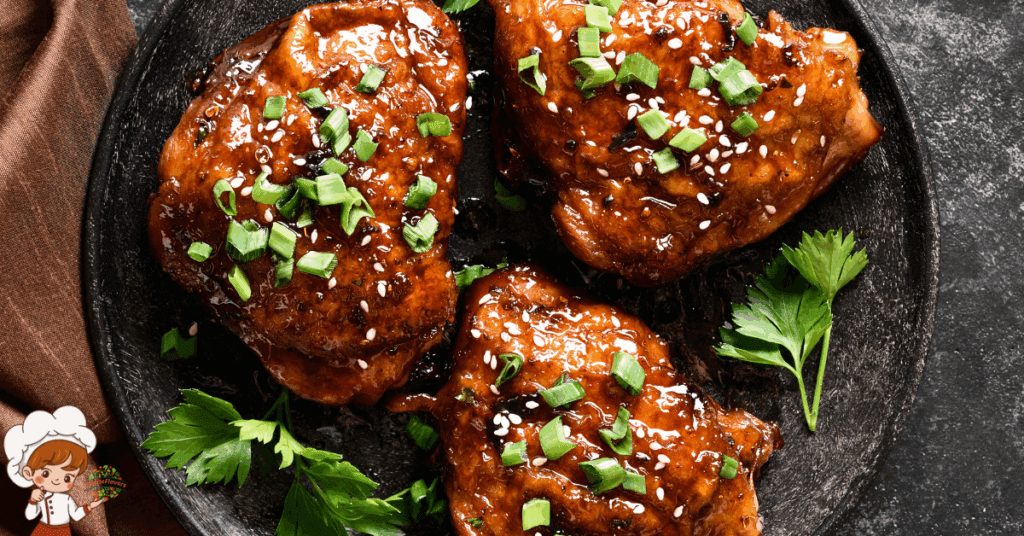
Exciting Story Behind Honey Garlic Chicken; Few dishes perfectly balance sweet and savory flavors quite like Honey Garlic Chicken. With its golden glaze, sticky texture, and mouthwatering aroma, this dish has become a favorite around the world. Found in restaurants, takeout menus, and home kitchens alike, Honey Garlic Chicken’s appeal lies in its simplicity and universal flavor harmony. But where did this irresistible combination of honey and garlic originate?
The history of Honey Garlic Chicken is not tied to one specific region but is instead a delicious fusion of culinary influences from around the world. Its ingredients—honey, garlic, soy sauce, and sometimes ginger—tell a story of how ancient preservation techniques, global trade routes, and evolving tastes came together to create one of the most beloved chicken dishes ever made.
This article explores the origin of Honey Garlic Chicken, its cultural evolution, and why it has remained a timeless comfort food. Along the way, we’ll dive into how honey and garlic became culinary staples, the rise of fusion cuisine, and how modern adaptations have made this dish a star in both Eastern and Western kitchens.
The Ancient Roots of Honey and Garlic: A Timeless Culinary Pairing
To understand Honey Garlic Chicken’s history, we must first look at its two star ingredients—honey and garlic—both of which have been cherished for thousands of years across various cultures.
Honey, often referred to as “liquid gold,” is one of humanity’s oldest sweeteners. Archaeological evidence shows honey harvesting as far back as 8,000 years ago in ancient Spain and Egypt. Ancient Egyptians used honey not only in food but also in medicine and religious offerings. Honey’s natural sweetness and antibacterial properties made it an invaluable commodity throughout history.
Garlic, on the other hand, has been cultivated for over 5,000 years. Originating in Central Asia, it was prized by ancient civilizations such as the Egyptians, Greeks, Chinese, and Romans for both culinary and medicinal purposes. Garlic’s distinctive aroma and flavor made it a cornerstone ingredient in savory dishes around the world.
The combination of honey and garlic is ancient, too. Many early cultures used the two together to preserve meats and create flavorful sauces. The natural sweetness of honey balanced garlic’s pungency, creating a dynamic pairing that enhanced flavor while also serving as a natural preservative.
The Birth of Honey Garlic Sauces in Asian Cuisine
The earliest iterations of honey garlic sauces likely emerged in Asian cooking, particularly within Chinese cuisine. China has a long history of using ingredients like honey, soy sauce, and garlic in savory-sweet glazes. In traditional Chinese cooking, the balance of yin and yang—or contrasting yet complementary flavors—is essential. The combination of honey’s sweetness and garlic’s savory sharpness perfectly embodies this philosophy.
In Chinese cuisine, early versions of honey garlic-style sauces were used on meats such as char siu (barbecued pork), chicken wings, and duck. These sauces typically combined honey with soy sauce, garlic, and sometimes ginger or rice wine. The resulting glaze was sticky, rich, and aromatic—a perfect coating for grilled or stir-fried meats.
As Chinese immigrants brought their cooking traditions abroad, particularly to North America during the 19th and 20th centuries, these flavors began to influence Western palates. Over time, Western adaptations of honey garlic sauces began appearing in home kitchens, blending Asian flavors with local ingredients and cooking methods.
The Introduction of Honey Garlic Chicken to North America
Honey Garlic Chicken as we know it today began gaining popularity in North America during the mid-20th century, particularly through the growing influence of Chinese-Canadian and Chinese-American restaurants. These eateries played a vital role in introducing the flavors of Asian cuisine to Western diners, adapting traditional recipes to suit local tastes.
Dishes like Sweet and Sour Chicken, Lemon Chicken, and Honey Garlic Chicken became menu staples—each offering a familiar protein (chicken) paired with a deliciously approachable sauce. Honey Garlic Chicken, in particular, appealed to diners who loved the sweetness of honey balanced by the savory depth of garlic and soy sauce.
By the 1970s and 1980s, Honey Garlic Chicken had become a comfort food favorite across North America. It was served in Chinese takeout boxes, featured in cookbooks, and reimagined in home kitchens as an easy, flavorful meal. Its appeal crossed cultural lines, uniting food lovers through the universal language of flavor.
Honey Garlic Chicken in Global Cuisine
As globalization spread and food culture became increasingly interconnected, Honey Garlic Chicken began to appear in restaurants and households around the world. From Korean fried chicken with honey garlic glaze to Japanese teriyaki-style adaptations, the dish took on many forms while retaining its signature balance of flavors.
In Korea, honey garlic sauces are often combined with crispy fried chicken to create a sticky, sweet coating—a dish that gained worldwide fame through the rise of K-culture and Korean street food. Meanwhile, in Japan, similar sauces appear in dishes like toriniku no amakarani (sweet and savory chicken).
In the West, Honey Garlic Chicken has become a go-to comfort dish for busy families and food enthusiasts alike. It’s celebrated for being quick to prepare, adaptable to various cooking methods (grilled, baked, or stir-fried), and universally loved by both adults and children.
The Evolution of the Honey Garlic Sauce Recipe
What makes Honey Garlic Chicken so beloved is its simplicity. The classic sauce requires just a few ingredients—honey, garlic, soy sauce, and sometimes ginger or vinegar. Yet within these ingredients lies a world of flavor complexity.
Over time, variations have evolved. Some recipes add brown sugar for extra caramelization, while others use sesame oil, chili flakes, or lime juice to create different flavor profiles. In some Western adaptations, butter or cornstarch is added for richness and thickness.
The evolution of the honey garlic sauce reflects both culinary creativity and cultural blending. Each version, whether traditional or modern, celebrates the timeless union of sweet honey and savory garlic.
The Science of Sweet and Savory: Why Honey Garlic Chicken Works
Part of Honey Garlic Chicken’s universal appeal lies in the science of taste. Humans are naturally drawn to sweet and umami flavors, and honey garlic sauce offers both in abundance.
Honey stimulates the brain’s pleasure centers by activating sweetness receptors, while garlic provides depth through sulfur compounds that enhance umami flavor. The addition of soy sauce introduces saltiness and further amplifies umami, creating a full-bodied taste experience that’s both satisfying and addictive.
This flavor balance also makes Honey Garlic Chicken versatile—it pairs well with rice, noodles, or vegetables, and can be prepared in multiple ways. Whether grilled, fried, or baked, the sauce caramelizes beautifully, creating a glossy coating that locks in flavor.
Honey Garlic Chicken and Modern Comfort Food Culture
In today’s fast-paced world, comfort food holds a special place in our hearts—and Honey Garlic Chicken has become one of the defining comfort foods of modern cuisine. It combines nostalgic home-cooked warmth with bold international flavor.
Social media has played a big role in popularizing the dish even further. Platforms like Instagram, TikTok, and Pinterest are filled with variations—sticky Honey Garlic Chicken wings, slow-cooker versions, and even vegan adaptations made with tofu or cauliflower. The dish’s vibrant golden glaze photographs beautifully, making it a viral favorite among food creators and home cooks.
Beyond its visual appeal, Honey Garlic Chicken resonates emotionally. It’s a dish that feels both familiar and exotic, simple yet luxurious—a perfect example of how food can comfort, excite, and connect people.
Health Benefits of Honey Garlic Chicken Ingredients
Although Honey Garlic Chicken is often considered indulgent, its ingredients each offer notable health benefits.
Garlic is known for its immune-boosting properties. It contains compounds like allicin, which have antimicrobial and anti-inflammatory effects. Regular consumption of garlic is linked to improved heart health and reduced cholesterol levels.
Honey is rich in antioxidants and has antibacterial qualities. Unlike refined sugar, it provides natural sweetness along with trace minerals and phytonutrients.
When used in moderation, these ingredients make Honey Garlic Chicken not just flavorful but also nutritious. Pairing it with steamed vegetables or brown rice enhances its nutritional value, making it a balanced and satisfying meal option.
The Cultural Symbolism of Honey and Garlic
Both honey and garlic carry deep symbolic meanings across cultures, adding another layer of richness to the history of this dish.
In many cultures, honey symbolizes prosperity, healing, and sweetness in life. Ancient Greeks associated honey with the gods and immortality, while in Jewish tradition, honey is eaten during Rosh Hashanah to symbolize a sweet new year.
Garlic, conversely, has long been associated with protection and vitality. Ancient Egyptians believed it strengthened workers, and in folklore, garlic was thought to ward off evil.
When combined in a dish like Honey Garlic Chicken, these symbolic ingredients create a meal that’s not just nourishing to the body, but also comforting to the spirit—a reminder of life’s balance between sweetness and strength.
Why Honey Garlic Chicken Remains a Global Favorite
The enduring popularity of Honey Garlic Chicken comes down to versatility, flavor, and cultural adaptability. It’s easy enough for weeknight dinners yet elegant enough for entertaining. It fits seamlessly into a variety of cuisines—from Asian-inspired stir-fries to American backyard barbecues.
Moreover, the dish reflects the best aspects of global culinary evolution: a willingness to blend ingredients, adapt techniques, and celebrate flavor over formality. In an age where fusion cuisine dominates restaurant menus, Honey Garlic Chicken stands as one of the most successful and beloved examples of cross-cultural cooking.
The Future of Honey Garlic Chicken in Culinary Trends
As global food culture continues to evolve, Honey Garlic Chicken remains at the forefront of innovation. Chefs and home cooks alike are reimagining the dish in creative ways—using local honeys, artisanal soy sauces, and even plant-based proteins to make it more sustainable.
In the health-conscious era, lighter versions featuring grilled or air-fried chicken are increasingly popular. Meanwhile, food trucks and fast-casual restaurants are serving Honey Garlic Chicken bowls and wraps, giving the dish a modern twist while preserving its timeless flavor.
No matter how it evolves, one thing remains clear: the irresistible marriage of honey and garlic will never go out of style.
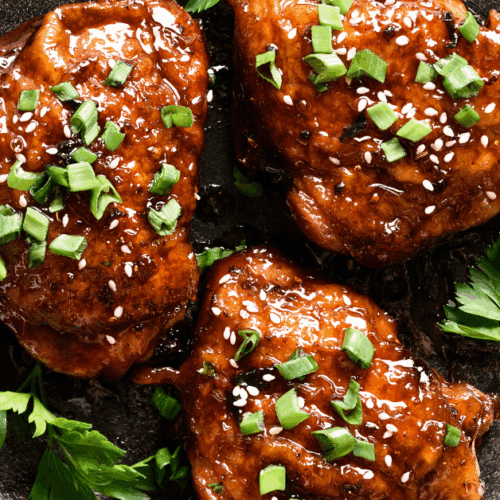
Honey Garlic Chicken
Ingredients
- 4 chicken thighs bone-in or boneless
- – 1/2 cup honey
- – 1/4 cup soy sauce
- – 4 cloves garlic minced
Instructions
- Place chicken in the crock pot. Mix honey, soy sauce, and garlic; pour over the chicken. Cook on low for 6-8 hours or high for 3-4 hours.
Frequently Asked Questions: Exciting Story Behind Honey Garlic Chicken
What is the origin of Honey Garlic Chicken?
Honey Garlic Chicken originated as a fusion of Asian and Western cuisines, likely developed in North America during the mid-20th century. It draws inspiration from Chinese sweet-sour sauces and traditional honey-based glazes.
Is Honey Garlic Chicken Chinese or Western?
It’s a blend of both. The sauce’s ingredients and techniques have Chinese roots, but the dish itself gained popularity in Western restaurants and homes, making it a true East-meets-West creation.
What makes Honey Garlic Chicken so flavorful?
The combination of honey’s sweetness, garlic’s pungency, and soy sauce’s umami creates a rich, balanced flavor that stimulates multiple taste receptors, resulting in an addictive savory-sweet experience.
Is Honey Garlic Chicken healthy?
When prepared with lean chicken and minimal added sugar, it can be quite healthy. Garlic and honey both have natural health benefits, and baking or grilling instead of frying keeps it lighter.
Why is Honey Garlic Chicken so popular?
Its popularity comes from its universal appeal—it’s easy to make, adaptable to different cuisines, and delicious to people of all ages. It’s comfort food with an international twist.
Can Honey Garlic Chicken be made vegetarian or vegan?
Yes. Many plant-based variations use tofu, tempeh, or cauliflower coated in honey garlic sauce. Vegan honey substitutes like agave nectar can easily replace real honey.
What dishes pair best with Honey Garlic Chicken?
Honey Garlic Chicken pairs beautifully with steamed rice, noodles, roasted vegetables, or Asian-inspired sides like stir-fried greens or sesame broccoli.

A Global Classic Rooted in Flavor and Tradition
From ancient spice markets to modern dinner tables, Honey Garlic Chicken tells a story of flavor evolution, cultural fusion, and timeless appeal. Its humble ingredients—honey, garlic, soy sauce, and chicken—have traveled across centuries and continents, blending traditions from East and West into one harmonious dish.
More than just a meal, Honey Garlic Chicken represents the universal love of comfort food—the kind that warms both the stomach and the heart. It’s proof that the best dishes don’t need complex origins or exotic ingredients. All they need is balance, history, and heart.
As food continues to evolve and fuse in the modern culinary landscape, Honey Garlic Chicken remains a golden example of how simple flavors, when combined perfectly, can create something unforgettable. Whether it’s on your family dinner table or at your favorite restaurant, this sweet and savory classic will continue to unite food lovers for generations to come.
If you enjoyed exploring this topic and want to dive even deeper, be sure to check out some of our other articles here on Infinite Flavors. From rich culinary histories to creative twists on classic recipes, there’s always something new to discover. Whether you’re curious about the origins of a dish, looking for fresh inspiration in the kitchen, or simply love learning about food culture, our collection of posts is the perfect next step on your flavor journey.
What Are Some Amazing Caribbean Slow Cooking Recipes
The Hearty History And Origin Of Great Pumpkin Chili: A Fall Comfort Food Classic
Amazing Traditional Cajun Creole Recipes