The Hearty History and Origin of Great Pumpkin Chili: A Fall Comfort Food Classic

History and Origin of Great Pumpkin Chili; When the air turns crisp and leaves begin to fall, few dishes capture the cozy spirit of autumn like Pumpkin Chili. Rich, hearty, and subtly sweet, this seasonal twist on traditional chili has become a beloved comfort food in modern kitchens. But where did this delicious blend of pumpkin and savory spices come from? To understand the story of Pumpkin Chili, we need to trace the evolution of both chili and pumpkin — two ingredients with deep roots in culinary history that beautifully unite in this autumn-inspired dish.
The Ancient Roots of Pumpkin in Cooking
Before we can fully appreciate the history of Pumpkin Chili, we must first explore the origins of pumpkin itself. Pumpkin, a member of the squash family, is one of the oldest cultivated crops in the Americas, dating back over 9,000 years. Archaeological evidence suggests that indigenous peoples in Mexico and Central America grew pumpkins long before corn and beans became dietary staples.
For these early civilizations, pumpkins were prized for their versatility, durability, and nutrition. They could be roasted, stewed, dried, or even used as containers once hollowed out. Native American tribes often combined pumpkin with maize and beans — a trio known as the “Three Sisters” — creating balanced, nourishing meals that sustained communities for generations.
When European settlers arrived in the 16th and 17th centuries, they quickly adopted pumpkin into their diets. It became a vital food source during harsh winters, appearing in everything from savory stews to sweet puddings. Over time, pumpkin transformed from a practical staple into a seasonal symbol of abundance, forever linking it to autumn harvest celebrations like Thanksgiving.
The Origins of Chili: A Fusion of Cultures
While pumpkin was thriving as an indigenous crop, another dish was making its mark in the culinary world — chili. The roots of chili (often called “chili con carne”) are traced back to indigenous peoples of Mexico and the American Southwest, who prepared stews with meat, peppers, and local spices.
Spanish settlers brought European influences, introducing beef and garlic, while native ingredients such as chili peppers and tomatoes added signature heat and flavor. By the 19th century, chili had become a Tex-Mex staple, evolving into the hearty, spiced stew we recognize today.
The first written references to chili appeared in San Antonio, Texas, in the 1800s. “Chili queens” — women who sold bowls of spicy chili from outdoor stands — made the dish a local sensation. As settlers and cowboys carried it westward, chili became deeply woven into American frontier cuisine.
By the early 20th century, chili was a symbol of working-class comfort, often made with affordable ingredients like beans, tomatoes, and ground meat. Regional variations emerged — from Texas red chili to Cincinnati-style chili — each reflecting local tastes and ingredients.
The Birth of Pumpkin Chili: A Modern Twist on a Classic
While both pumpkin and chili have ancient roots, their combination into Pumpkin Chili is a more recent culinary innovation. The rise of fusion cuisine in the late 20th century encouraged home cooks and chefs to experiment with nontraditional ingredients.
Pumpkin’s natural sweetness and creamy texture made it a perfect addition to savory stews, helping to thicken broth while balancing chili’s bold spices. By the 1980s and 1990s, cookbooks and food magazines began publishing variations of pumpkin-infused chili recipes, often highlighting them as fall comfort foods.
These recipes became especially popular among vegetarians and health-conscious eaters, who appreciated pumpkin’s ability to create a hearty, satisfying base without relying heavily on meat or dairy. The trend grew alongside the pumpkin spice craze of the early 2000s, further cementing pumpkin’s place in seasonal cooking.
Today, Pumpkin Chili is a fixture at autumn potlucks, tailgates, and family dinners. Whether made with ground beef, turkey, or beans, it represents the perfect marriage of sweet, savory, and spicy flavors, embodying the warmth and creativity of modern fall cuisine.
Why Pumpkin Works So Well in Chili
The secret behind Pumpkin Chili’s unique flavor lies in the natural balance between sweet and savory. Pumpkin’s earthy sweetness enhances chili’s spices — particularly cumin, paprika, and chili powder — without overpowering them. The result is a rich, multidimensional flavor that’s both comforting and exciting.
Pumpkin also contributes to texture. When pureed or mashed, it acts as a natural thickener, giving chili a creamy, velvety consistency without adding heavy cream or butter. This makes it a healthier alternative to traditional thickening agents while keeping the dish hearty and filling.
Nutritionally, pumpkin adds a boost of vitamins A, C, and E, as well as fiber and potassium, transforming chili into a dish that’s not only delicious but also nutrient-rich. This health halo has helped Pumpkin Chili gain popularity among modern home cooks seeking wholesome, feel-good meals for cold weather.
The Fall Food Revolution and Pumpkin’s Culinary Comeback
Pumpkin Chili’s rise to fame parallels the fall flavor movement, a culinary trend that celebrates seasonal ingredients like squash, cinnamon, and nutmeg. In the early 2000s, as the pumpkin spice latte became a cultural phenomenon, pumpkin’s popularity soared across all food categories.
From pies to pasta sauces, consumers began craving pumpkin in both sweet and savory forms. The trend reflected a broader shift toward seasonal eating — embracing ingredients that evoke nostalgia, warmth, and comfort.
As a result, chefs and food bloggers started reinventing traditional dishes with autumn-inspired twists. Classic chili, known for its smoky heat and rich tomato base, proved the perfect canvas for experimentation. The addition of pumpkin not only complemented its bold spices but also introduced a creamy, slightly sweet complexity that appealed to a wider audience.
Regional and Culinary Variations of Pumpkin Chili
Over time, Pumpkin Chili recipes have evolved into countless variations, each reflecting local preferences and dietary trends.
- In the Southwest United States, versions often include roasted poblano or chipotle peppers, lending a smoky depth that contrasts beautifully with pumpkin’s mild sweetness.
- In the Midwest, home cooks frequently add ground turkey or sausage, making it a hearty main dish for cold evenings.
- Vegetarian and vegan Pumpkin Chili has gained traction nationwide, relying on beans, lentils, and quinoa for protein while letting pumpkin shine as the star ingredient.
Some gourmet chefs have even elevated Pumpkin Chili into fine dining by topping it with toasted pepitas (pumpkin seeds), crème fraîche, or crumbled goat cheese, blending rustic charm with refined presentation.
Nutritional Benefits of Pumpkin Chili
Beyond its flavor, Pumpkin Chili is celebrated for its impressive nutritional profile. Pumpkin is a low-calorie, nutrient-dense ingredient packed with antioxidants and fiber. Combined with beans, lean meats, or vegetables, the result is a balanced meal that supports energy, digestion, and immune function.
Key health benefits include:
- Vitamin A: Supports vision and skin health.
- Fiber: Promotes satiety and digestive health.
- Potassium: Helps maintain healthy blood pressure.
- Antioxidants: Fight free radicals and inflammation.
Compared to traditional chili, Pumpkin Chili often contains less fat and sodium, making it a lighter yet equally satisfying option. It’s a go-to dish for families seeking comfort food with a healthy twist.
Pumpkin Chili and the Farm-to-Table Movement
In the era of farm-to-table dining, Pumpkin Chili has found new life as a showcase for local, seasonal ingredients. Farmers’ markets brim with pumpkins in autumn, inspiring home cooks to use fresh, roasted varieties instead of canned puree.
This approach not only enhances flavor but also supports sustainable eating practices. By celebrating locally grown produce, Pumpkin Chili embodies the values of seasonal cooking, sustainability, and community connection — principles that define the modern culinary landscape.
Pumpkin Chili as a Comfort Food for Modern Times
At its heart, Pumpkin Chili represents everything we love about comfort food: warmth, nostalgia, and versatility. It’s a dish that brings people together — perfect for sharing at fall gatherings, game nights, or family dinners.
The combination of hearty chili spices with creamy pumpkin creates a sense of familiar comfort with a creative twist. In uncertain times, dishes like Pumpkin Chili remind us of the power of homemade meals to soothe, nourish, and connect.
Its adaptability also makes it ideal for modern lifestyles — it can be cooked in slow cookers, Instant Pots, or on stovetops, fitting seamlessly into busy schedules without sacrificing flavor.
Cultural Significance: Celebrating Harvest and Home
Pumpkin Chili carries symbolic meaning that goes beyond taste. It celebrates the harvest season, a time historically associated with gratitude, abundance, and community. Much like pumpkin pie or apple cider, it embodies the spirit of fall gatherings, where friends and families come together over hearty meals.
In many ways, Pumpkin Chili is a modern reflection of ancient traditions — using ingredients tied to the land, prepared with care, and shared in gratitude. Its rise in popularity reflects a collective desire to reconnect with seasonal rhythms and find comfort in wholesome, homemade food.
Pairing and Serving Ideas for Pumpkin Chili
While we’re not including a recipe, it’s worth noting how versatile Pumpkin Chili can be at the table. It pairs beautifully with:
- Cornbread or crusty rolls, which balance the chili’s spice with a soft, buttery texture.
- Roasted vegetables or fall salads, enhancing its seasonal appeal.
- A sprinkle of sharp cheese, avocado, or cilantro, adding color and freshness.
Whether enjoyed as a main course, meal prep lunch, or freezer-friendly dinner, Pumpkin Chili is a flexible, crowd-pleasing dish for every occasion.
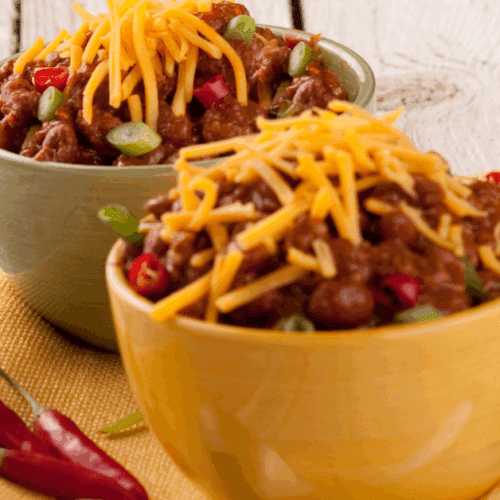
Pumpkin Chili
Ingredients
- 1 can 15 oz pumpkin puree
- – 1 can 15 oz black beans, drained and rinsed
- – 1 can 15 oz diced tomatoes
- – 1 packet chili seasoning mix
Instructions
- Combine all ingredients in the crock pot. Cook on low for 6-8 hours or high for 3-4 hours.
FAQ: History and Origin of Great Pumpkin Chili
What is Pumpkin Chili made of?
Pumpkin Chili typically includes a base of pumpkin puree, beans, tomatoes, chili spices, and a protein like ground turkey or beef. The pumpkin adds creaminess and a subtle sweetness.
Does Pumpkin Chili taste sweet?
Not overly. The pumpkin lends mild sweetness, but it’s balanced by spices, onions, and garlic, creating a savory and slightly earthy flavor.
Is Pumpkin Chili healthy?
Yes! It’s rich in vitamins, fiber, and antioxidants, especially when made with lean meats or plant-based proteins.
Can Pumpkin Chili be made vegetarian or vegan?
Absolutely. Substitute meat with beans, lentils, or quinoa, and use vegetable broth for a delicious plant-based version.
Can I use fresh pumpkin instead of canned?
Yes — simply roast and puree fresh pumpkin before adding it to your chili for a richer, more natural flavor.
How should Pumpkin Chili be stored?
It keeps well in an airtight container for up to 4 days in the fridge or 3 months in the freezer. In fact, flavors often deepen after a day or two.
What makes Pumpkin Chili perfect for fall?
Pumpkin Chili embodies the warm, cozy flavors of autumn, combining harvest ingredients with hearty spices — ideal for chilly evenings.

A Bowl Full of Autumn Flavor
From its ancient agricultural roots to its modern kitchen reinvention, Pumpkin Chili tells a story of transformation, tradition, and creativity. It merges two beloved culinary traditions — chili and pumpkin — into one comforting, nutrient-rich masterpiece that captures the essence of fall.
More than just a seasonal recipe, Pumpkin Chili symbolizes the beauty of seasonal cooking — using what nature provides, celebrating warmth and togetherness, and savoring flavors that connect us to the land and each other.
Whether you enjoy it as a weeknight meal or a festive centerpiece, Pumpkin Chili is more than just food — it’s a comforting reminder that the best dishes are born from history, heart, and a touch of seasonal magic.
If you enjoyed exploring this topic and want to dive even deeper, be sure to check out some of our other articles here on Infinite Flavors. From rich culinary histories to creative twists on classic recipes, there’s always something new to discover. Whether you’re curious about the origins of a dish, looking for fresh inspiration in the kitchen, or simply love learning about food culture, our collection of posts is the perfect next step on your flavor journey.
The Great Origin Of Butternut Squash Risotto
The Amazing Origin Of Maple Glazed Carrots
Amazing Pumpkin Soup A Fall Classic That Stands The Test Of Time